
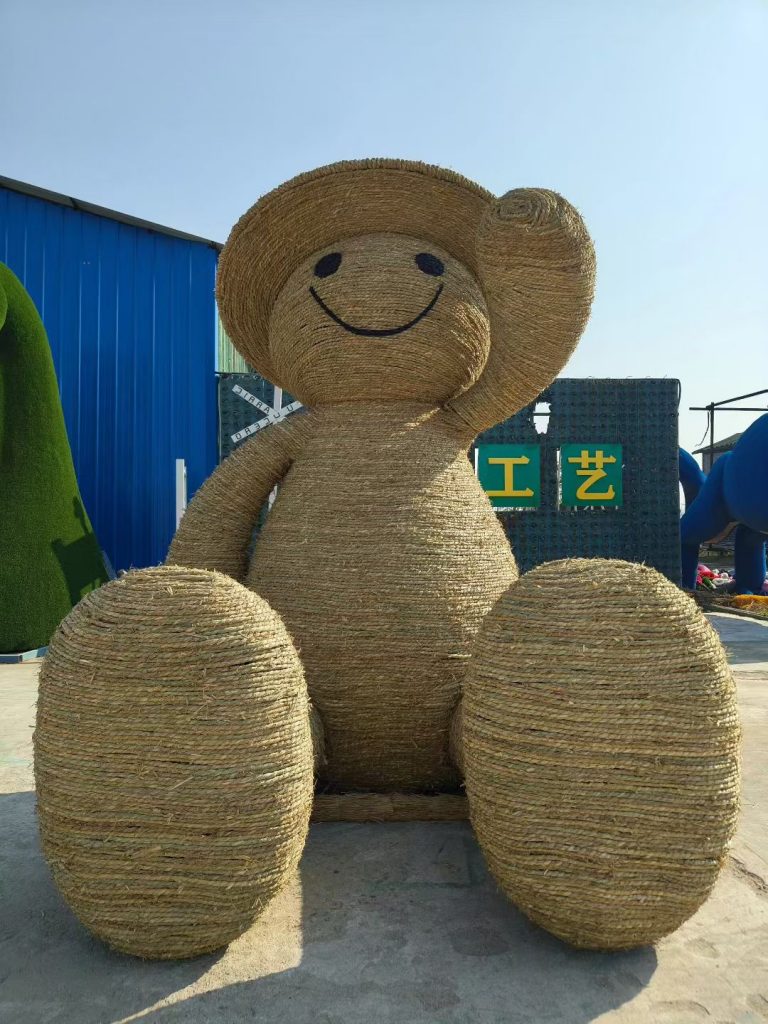
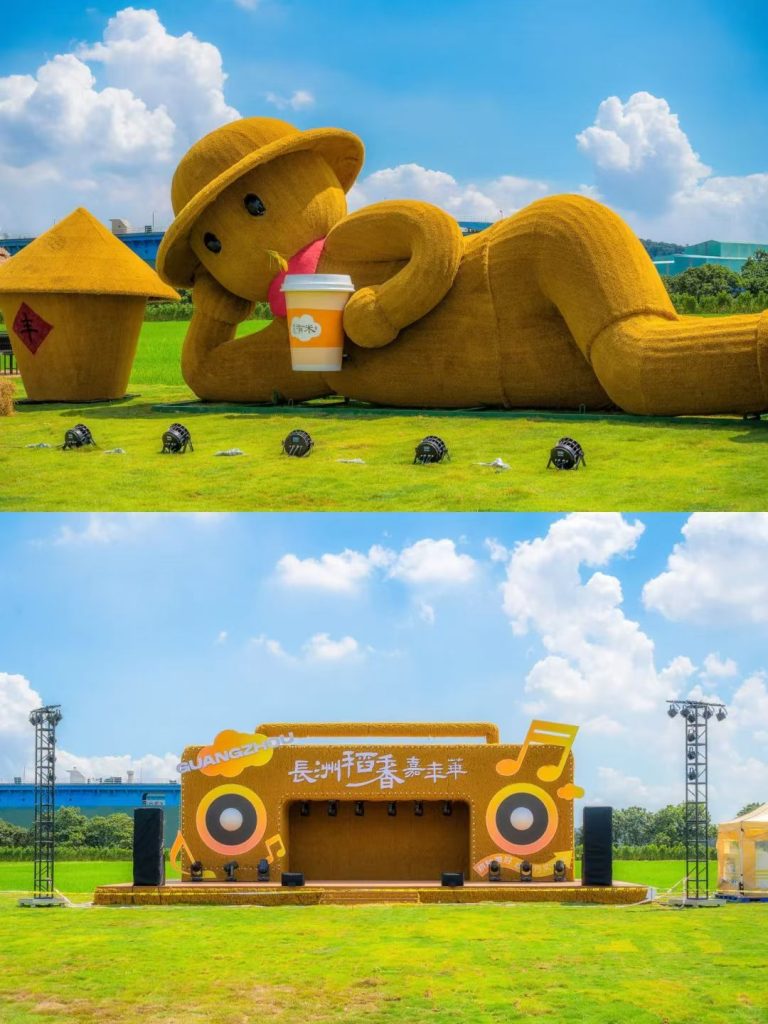
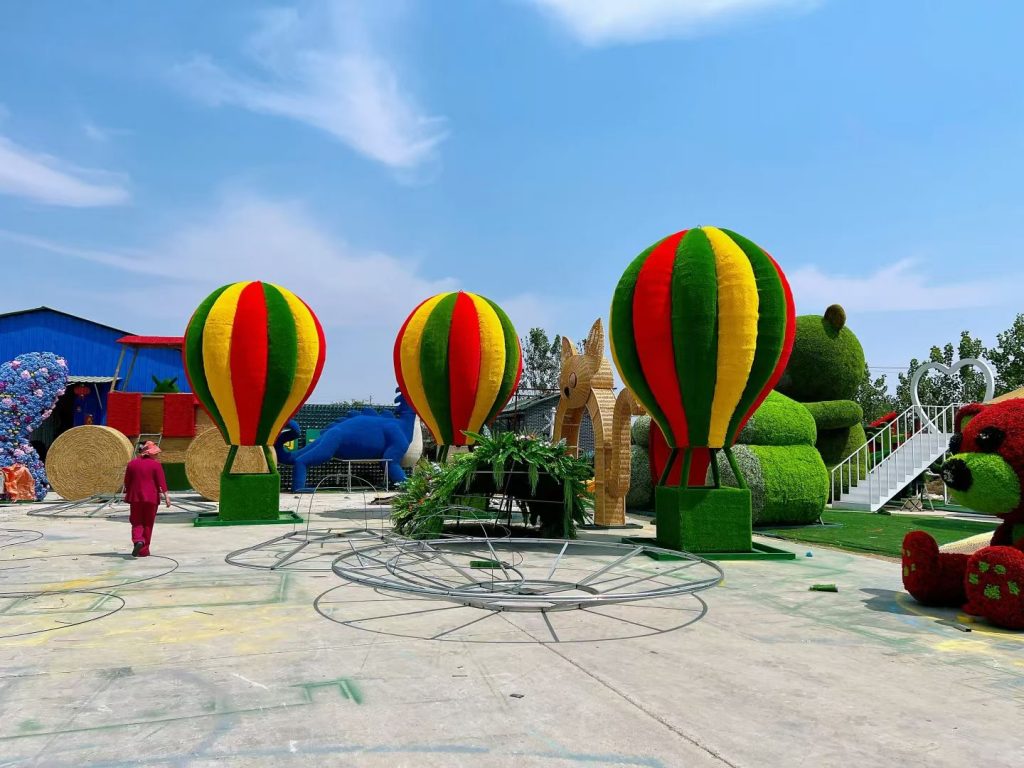



Looking for a reliable Chinese manufacturer of large decorative handicrafts?
This in-depth guide explains materials, production processes, OEM customization, quality control systems, export standards, packaging solutions, and how to select the right long-term supplier for bulk international orders.
1. Understanding the Chinese Large Decorative Handicraft Industry
China has become one of the most competitive global manufacturing bases for oversized decorative crafts, including:
- Large resin statues
- Fiberglass sculptures
- Metal garden art installations
- Holiday display decorations
- Commercial lobby statement pieces
- Outdoor landscape ornaments
- Themed park decorative structures
The industry developed from traditional handicraft clusters and evolved into semi-automated, export-oriented production ecosystems. Today, manufacturers combine:
- Hand sculpting artistry
- Industrial mold engineering
- Material science
- Surface finishing expertise
- Export-grade packaging technology
For overseas buyers, the advantage is not just price — it is scalability, customization flexibility, and manufacturing integration.
2. Main Categories of Large Decorative Crafts
2.1 Resin Large Ornaments
Resin is widely used for:
- Religious statues
- Animal sculptures
- Garden decorations
- Seasonal display pieces
Advantages:
- Fine detail reproduction
- Moderate weight
- Mold repeatability
- Paint adhesion stability
Best for: indoor décor and mid-sized outdoor installations.
2.2 Fiberglass (FRP) Sculptures
Fiberglass Reinforced Plastic (FRP) is ideal for oversized structures:
- Theme park characters
- Commercial mascots
- Giant cartoon figures
- Architectural decorative elements
Advantages:
- High strength-to-weight ratio
- Weather resistance
- Structural reinforcement capability
- Long service life
Best for: outdoor commercial projects.
2.3 Metal Decorative Structures
Common materials:
- Stainless steel
- Iron
- Aluminum
- Corten steel
Used for:
- Garden art
- Public installations
- Modern sculptures
- Commercial signage frames
Advantages:
- Durability
- High-end aesthetic
- Structural integrity
2.4 Polyresin + Mixed Material Combinations
Advanced manufacturers integrate:
- Resin + LED lighting
- Fiberglass + steel framework
- Metal + artificial stone coating
This hybrid approach supports large-scale decorative installations exceeding 2–5 meters in height.
3. Manufacturing Process Explained
Understanding the process helps you evaluate factory capability.
3.1 Concept Development
Buyers provide:
- 2D drawings
- 3D files
- Physical samples
- Reference photos
Professional factories provide:
- 3D modeling services
- Structural optimization
- Cost analysis
3.2 Sculpting & Mold Creation
For custom projects:
- Clay sculpting (manual or CNC foam carving)
- Silicone mold creation
- Fiberglass mold reinforcement
Mold quality determines:
- Surface precision
- Production efficiency
- Product consistency
Experienced manufacturers reduce surface defects and seam lines.
3.3 Casting & Structural Reinforcement
Depending on material:
- Resin pouring
- Fiberglass layering
- Steel frame welding
For oversized pieces, internal support structures are critical.
Poor reinforcement leads to cracking during shipment or outdoor exposure.
3.4 Surface Treatment & Painting
High-quality factories apply:
- Multi-layer sanding
- Primer coating
- UV-resistant painting
- Hand detailing
- Protective lacquer
Outdoor products must pass:
- UV aging tests
- Humidity resistance tests
- Temperature cycling tests
3.5 Quality Inspection
Professional manufacturers follow:
- Dimensional checks
- Surface defect inspection
- Load-bearing testing
- Drop & vibration simulation
- Packaging verification
Reliable suppliers document inspection processes.
4. OEM & Customization Capabilities
International buyers increasingly demand private-label solutions.
Key customization areas:
- Size scaling
- Logo embossing
- Color adjustments
- Material upgrades
- Packaging branding
- Barcode labeling
- Retail-ready box design
Professional manufacturers offer:
- Low MOQ flexibility for new molds
- Engineering support
- Confidential design agreements
When choosing a factory, ask:
- Can they modify internal structure?
- Do they provide 3D rendering before mold production?
- What is the mold ownership policy?
5. Export Standards & Compliance
Large decorative crafts must meet destination country requirements.
5.1 EU Market
- REACH compliance
- CE marking (if electrical components included)
- Packaging recycling regulations
5.2 US Market
- CPSIA (for children’s items)
- ASTM standards
- Prop 65 compliance (California)
5.3 Australia & Middle East
- UV resistance requirement
- Heat endurance standards
Professional factories provide:
- Material safety data sheets (MSDS)
- Paint testing reports
- Load testing reports
6. Packaging Solutions for Oversized Items
Shipping damage is a major risk.
Professional packaging includes:
- Inner foam wrapping
- Bubble protection
- Wooden crate reinforcement
- Steel frame pallet support
- Shock indicator labels
For large statues above 2 meters:
- Detachable structural design
- Modular assembly
- Reinforced export plywood crates
Shipping methods:
- LCL (Less than Container Load)
- FCL (Full Container Load)
- Flat rack container (for oversized pieces)
7. How to Choose the Right Chinese Manufacturer
7.1 Check Production Capability
Ask for:
- Workshop photos
- Mold room photos
- Painting area
- Welding department
A real factory has:
- Dust-controlled painting rooms
- Mold storage racks
- Skilled sculptors
7.2 Evaluate Experience
Key indicators:
- Years in industry
- Export countries
- Project case photos
- Repeat client ratio
7.3 Ask for Sample Quality
Before bulk order:
- Order one sample
- Check surface finish
- Check weight balance
- Check structural integrity
7.4 Communication & Engineering Support
Strong manufacturers provide:
- English-speaking sales engineers
- Fast response time
- Technical clarification support
8. Cost Structure Breakdown
Understanding cost helps negotiation.
Cost components:
- Raw materials
- Mold creation
- Labor
- Painting
- Packaging
- Shipping
Large customized projects usually have:
- Mold fee (one-time)
- Unit production cost
- Optional engineering fee
Avoid factories offering unrealistically low prices — quality compromises are common in surface finishing and reinforcement.
9. Lead Time Expectations
Standard timeline:
- Design confirmation: 3–7 days
- Mold creation: 10–20 days
- Sample production: 7–10 days
- Mass production: 20–40 days
Oversized structures may require longer structural curing time.
10. Long-Term Cooperation Strategy
For distributors, wholesalers, and project contractors:
- Build annual purchase plans
- Lock raw material pricing
- Schedule seasonal production
- Request exclusive design molds
Strong partnerships reduce:
- Cost fluctuation
- Production delay
- Quality inconsistency
11. Market Trends in Large Decorative Crafts
Trend 1: Custom Commercial Installations
Hotels, malls, and theme parks demand unique statement pieces.
Trend 2: UV-Resistant Outdoor Sculptures
Climate durability is becoming a major selling point.
Trend 3: Lightweight Structural Innovation
Fiberglass hybrid solutions reduce shipping costs.
Trend 4: LED & Interactive Elements
Integration of lighting technology enhances decorative value.
12. Risk Management for Importers
Common risks:
- Surface cracking
- Color fading
- Structural instability
- Shipping damage
Risk prevention:
- Detailed specification sheet
- Written material confirmation
- Sample approval
- Third-party inspection
- Reinforced packaging agreement
13. Why China Remains Competitive
- Integrated supply chain
- Skilled artisan base
- Engineering scalability
- Cost-effective labor
- Mold-making expertise
- Export experience
China’s advantage lies not only in cost — but in manufacturing flexibility and speed.
14. Conclusion
Choosing a Chinese large decorative handicraft manufacturer requires more than comparing prices. The real differentiators are:
- Mold engineering capability
- Structural reinforcement expertise
- Surface finishing quality
- Export packaging experience
- Communication professionalism
A reliable supplier becomes a long-term strategic partner, not just a vendor.
By focusing on engineering transparency, sample evaluation, compliance documentation, and structured communication, international buyers can build profitable and stable sourcing relationships.
Frequently Asked Questions (FAQ)
Q1: What is the typical MOQ for large decorative crafts?
MOQ depends on size and mold complexity. For customized molds, MOQ may start from 10–50 pieces.
Q2: Can oversized sculptures be shipped safely overseas?
Yes, with reinforced internal steel frames and export wooden crate packaging.
Q3: How long do outdoor fiberglass statues last?
With UV-resistant coating, 5–10 years depending on climate.
Q4: Can I request private labeling?
Yes, most professional manufacturers support logo customization and branded packaging.
Q5: Is mold ownership transferable?
This depends on contract terms. Always clarify mold ownership before production.


No reply content