
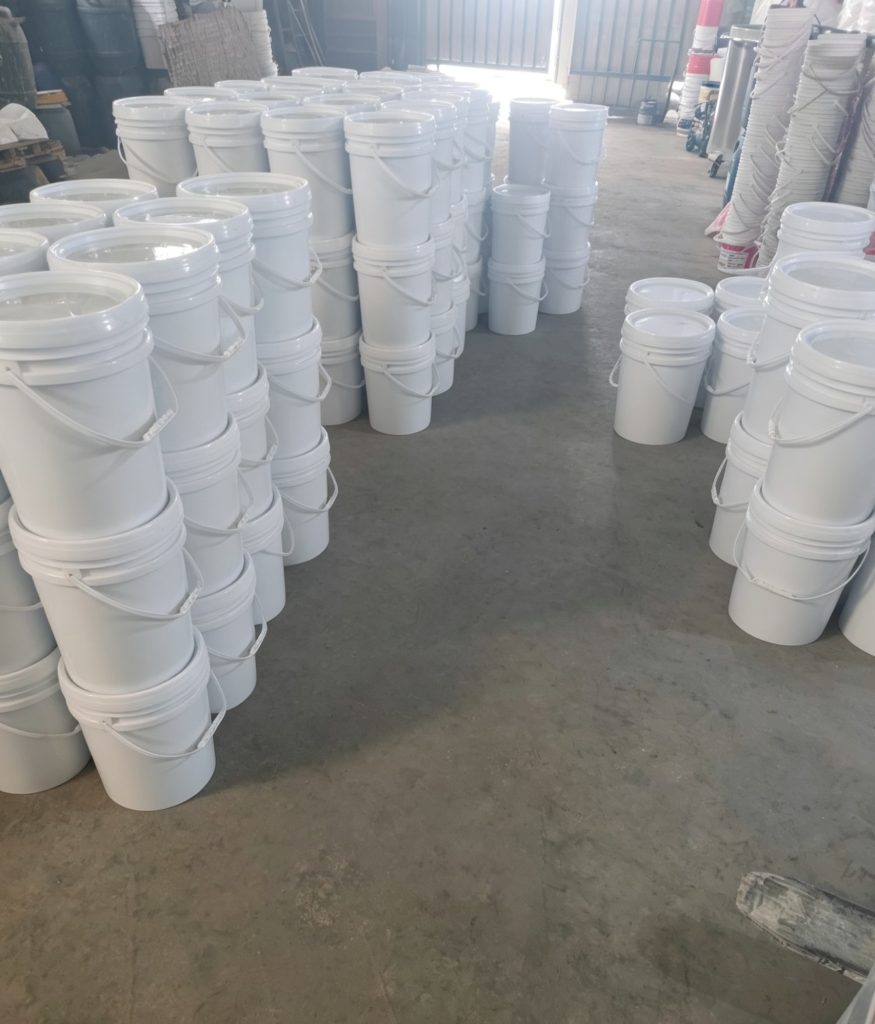
China Latex Factory: Products, Manufacturing Capabilities and OEM Services for Global Buyers
China has a diverse manufacturing industry supplying latex materials and latex-based products to international markets. From industrial latex compounds to finished rubber products, Chinese factories serve buyers in healthcare, construction, furniture, automotive, textiles, and consumer goods.
For international importers, finding the right China latex factory requires understanding product categories, manufacturing capabilities, technical specifications, and export requirements.
This article explains what buyers should know before sourcing latex products from Chinese manufacturers.
1. What Products Can You Source from a China Latex Factory?
Chinese latex factories operate in different manufacturing segments. Some focus on raw materials, while others manufacture finished products.
Common product categories include:
Natural Rubber Latex
Natural rubber latex is obtained from rubber trees and processed for industrial and commercial applications. It is commonly used in rubber gloves, foam products, adhesives, and other rubber-based materials.
Synthetic Latex
Synthetic latex is produced using chemical polymerization technology. Common varieties include SBR, NBR, and acrylic latex.
Applications include:
- Paper and paperboard coatings
- Carpet backing
- Construction materials
- Industrial adhesives
- Textile processing
Latex Foam Products
Latex foam is used in mattresses, pillows, cushions, and furniture components. Manufacturers may offer different densities, hardness levels, sizes, and product designs.
Latex Gloves
Latex glove factories manufacture disposable and reusable gloves for medical, industrial, cleaning, and general-purpose applications. Buyers should verify the product’s intended use and applicable regulatory requirements.
2. How Do Latex Factories in China Manufacture Their Products?
Manufacturing methods vary depending on the final product.
For natural rubber latex processing, factories may use the following steps:
- Raw latex collection and transportation.
- Filtration and impurity removal.
- Stabilization and preservation.
- Concentration and formulation.
- Laboratory testing.
- Storage and packaging.
Synthetic latex manufacturing generally involves polymerization, formulation, stabilization, and quality inspection.
For finished latex products, additional processes may include dipping, molding, foaming, vulcanization, drying, and finishing.
Buyers should ask manufacturers to explain which processes are completed in-house and which are outsourced.
3. Manufacturing Equipment and Production Capabilities
A professional latex factory may use different equipment according to its specialization.
Examples include:
- Latex mixing and blending systems
- Filtration equipment
- Polymerization reactors
- Latex concentration systems
- Dipping production lines
- Foam molding equipment
- Vulcanization systems
- Industrial drying equipment
- Laboratory testing instruments
Not every manufacturer has all these machines. Equipment should match the actual product being purchased.
When evaluating a supplier, buyers should request production videos, factory photographs, equipment information, and relevant technical documents.
4. Quality Control in Latex Manufacturing
Quality consistency is essential when purchasing latex materials in bulk.
Important inspection parameters depend on the product category.
For liquid natural rubber latex, buyers may need to check:
- Total solids content
- Dry rubber content
- Viscosity
- pH value
- Mechanical stability
- Ammonia content
- Coagulum content
For synthetic latex, relevant parameters may include:
- Solid content
- pH value
- Viscosity
- Particle size
- Chemical composition
- Film-forming properties
For finished latex products, quality checks may include dimensions, density, hardness, tensile strength, elasticity, and appearance.
A Certificate of Analysis (COA) can help buyers review batch-specific test results.
5. OEM and ODM Services from Chinese Latex Factories
Some Chinese manufacturers support OEM and ODM production for overseas brands, wholesalers, and industrial buyers.
Depending on factory capabilities, customization may cover:
Material formulation: Adjusting product formulations to meet specific application requirements.
Product dimensions: Custom sizes, thicknesses, shapes, and designs.
Performance specifications: Hardness, flexibility, density, strength, and other measurable properties.
Packaging: Customized cartons, labels, product information, and private branding.
Production arrangements: Sample development, trial production, and repeat manufacturing.
Before confirming an OEM order, buyers should agree on product specifications, sample approval, testing methods, acceptable quality limits, and delivery schedules.
6. How to Evaluate a Latex Manufacturer in China
Choosing a factory based only on its quotation can create unnecessary purchasing risks.
Consider these evaluation points:
Factory verification
Confirm the company’s registered information, production location, business scope, and manufacturing activities.
Technical capability
Check whether the factory can manufacture the specific latex material or product you require.
Quality documentation
Request available TDS, SDS, COA, inspection reports, and relevant certifications.
Sample testing
Evaluate samples before committing to a large production order.
Production capacity
Confirm actual available capacity, MOQ, production lead time, and seasonal constraints.
Export experience
Ask whether the manufacturer has experience shipping to your target country and preparing export documents.
7. What Determines the Price of Latex Products?
The price of latex products varies considerably between product types and specifications.
Main cost factors include:
- Raw material prices.
- Latex formulation and concentration.
- Production technology.
- Product dimensions and performance requirements.
- Packaging and labeling.
- Order quantity.
- Quality inspection requirements.
- Shipping destination and logistics costs.
For an accurate quotation, buyers should provide detailed product specifications rather than simply requesting a price per kilogram or per unit.
8. Export Requirements for Latex Products
International shipments of latex materials may require different documents depending on the product, destination, and transport method.
Common commercial documents include:
- Commercial Invoice
- Packing List
- Sales Contract
- Certificate of Origin, when required
- Technical Data Sheet
- Safety Data Sheet
For chemical-based latex materials, transportation classification must be checked using the actual formulation and applicable regulations.
Some products may be transported as general cargo, while others may require dangerous goods procedures. Never assume that all liquid latex products have the same shipping classification.
Buyers should confirm packaging compatibility, labeling, storage conditions, and transport requirements before shipment.
9. Questions to Ask Before Ordering from a China Latex Factory
Before placing an order, ask the supplier:
- What types of latex products do you manufacture?
- Do you operate your own factory?
- Can you provide technical specifications?
- What is your minimum order quantity?
- Can you provide samples for testing?
- Do you support OEM and private labeling?
- What quality inspection procedures do you use?
- What is the estimated production lead time?
- Can you provide export documentation?
- Have you supplied customers in my country?
Clear communication helps both parties avoid specification and delivery disputes.
10. Frequently Asked Questions
Q1: Are there different types of latex factories in China?
Yes. Some specialize in natural rubber latex, some manufacture synthetic latex, and others produce finished products such as gloves, foam, and rubber components.
Q2: Can I purchase latex directly from a Chinese manufacturer?
Yes. Buyers can contact manufacturers directly and discuss product specifications, samples, order quantities, and export arrangements.
Q3: Do China latex factories accept small orders?
MOQ varies by manufacturer and product type. Finished products, customized formulations, and bulk raw materials may have different minimum order requirements.
Q4: Can Chinese latex manufacturers provide customized products?
Some factories offer OEM and ODM services, depending on their equipment, technical capabilities, and production arrangements.
Q5: What documents should I request from a latex supplier?
Depending on the product, request TDS, SDS, COA, inspection reports, and applicable certifications.
Q6: How can I check whether a Chinese latex factory is reliable?
Review its registered business information, production facilities, technical documents, product samples, quality procedures, and export experience.
11. Source Latex Products from China
Finding a suitable China latex factory requires a clear understanding of product specifications and manufacturing requirements.
Whether you are purchasing natural rubber latex, synthetic latex, industrial latex compounds, latex foam, or finished latex products, supplier evaluation should focus on technical capability, quality consistency, production capacity, and export experience.


No reply content