
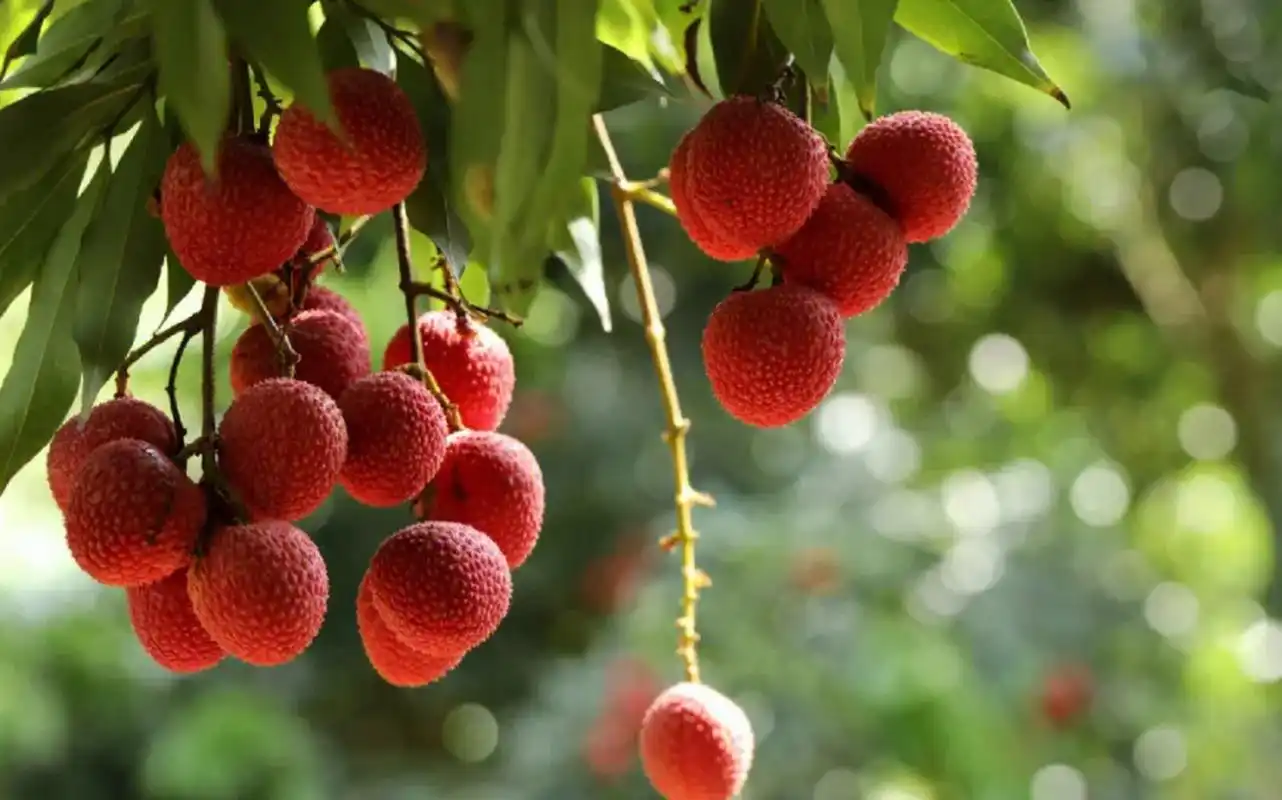

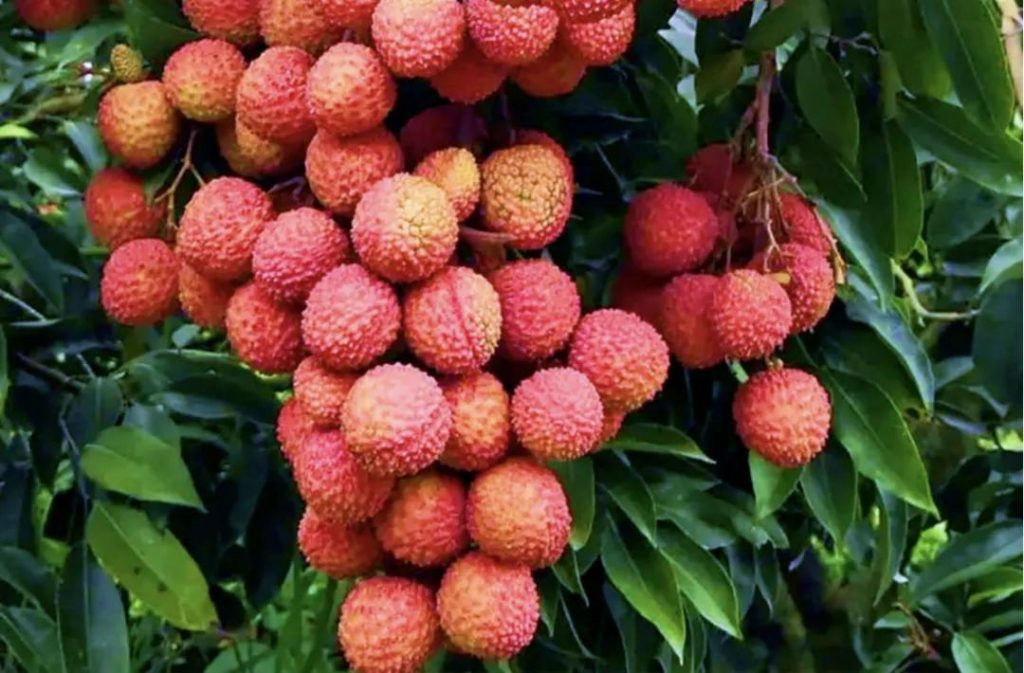
 China has long been recognized as the heartland of lychee cultivation, boasting a rich agricultural history that dates back thousands of years. As global demand for high-quality lychee continues to rise, Chinese lychee exporters have emerged as leaders in premium fruit production and supply. Today, China’s lychee industry is a compelling combination of ancient farming wisdom, modern agricultural innovation, stringent quality control, and global market connectivity.
In this comprehensive article, we will explore:
- The history and importance of lychee in China
- China’s key lychee growing regions and seasons
- Production practices that ensure premium quality
- Export infrastructure and logistics
- Leading lychee suppliers and their competitive advantages
- Quality, safety, and certification standards
- International market trends and opportunities
- How to choose a trustworthy Chinese lychee supplier
- Challenges and future outlook for China’s lychee export industry
1. A Legacy of Lychee: China’s Cultural & Agricultural Heritage
Lychee (Litchi chinensis) holds a unique place in China’s cultural landscape. Known for its sweet, juicy flesh and vibrant red skin, lychee has been cultivated in southern China for over 2,000 years. Historical records from the Tang Dynasty (618–907 AD) even describe royal lychee courier systems, where fresh fruit was delivered long distances using expedited horse and river transport to satisfy imperial cravings.
Beyond its cultural allure, lychee cultivation has always been a source of livelihood for farming communities in China’s southern provinces. Over centuries, farmers developed distinct local varieties—each with unique flavors, textures, and maturation timelines. Today, lychee remains a celebrated fruit in Chinese festivals and local markets, symbolizing prosperity, sweetness, and summer abundance.
2. China’s Key Lychee Growing Regions & Harvest Season
China’s diverse geography supports year-long lychee production, but the heartland for premium lychee remains in the tropical and subtropical provinces of the south. Major lychee producing provinces include:
Guangdong Province
Guangdong is the most renowned lychee region in China. The city of Zhanjiang and Lianjiang are especially famous for their large, succulent lychees with balanced sweetness. The harvest typically begins in early May and can extend through June.
Fujian Province
Fujian’s coastal climate produces flavorful lychees with a rich aroma. The Fujian lychee season overlaps with Guangdong’s but often offers slightly later harvests, giving rise to extended export windows.
Hainan Province
As China’s southernmost province, Hainan provides a tropical climate ideal for growing early season lychees. Some varieties here mature as early as April, enabling exporters to reach global markets before other producers.
Guangxi Zhuang Autonomous Region
Guangxi offers fertile plains and consistent rainfall, making it another vital lychee producing area. The region is known for high yields and a range of lychee varieties suitable for both fresh consumption and processing.
3. Premium Quality Through Advanced Production Practices
China’s lychee suppliers combine traditional knowledge with modern agricultural science to ensure premium fruit quality that meets the needs of international buyers.
a. Improved Cultivar Selection
Through decades of research and selective breeding, Chinese agricultural institutes have developed lychee varieties with enhanced sweetness, longer shelf life, and greater disease resistance. Popular export varieties include:
- Fei Zi Xiao — Sweet and aromatic with excellent market appeal
- Nuomici — Soft flesh and rich juice content
- Baila — Wide distribution due to consistent quality and size
b. Sustainable Farming Practices
Leading growers invest in soil health, integrated pest management (IPM), and water conservation. Many orchards now adopt organic or reduced chemical input practices to align with global food safety expectations.
c. Controlled Environment Agriculture
In recent years, greenhouses and shade nets have been used in select regions to regulate temperature, extend the season, and protect fruit from extreme weather—a key advantage in ensuring consistent quality.
4. Export Infrastructure & Logistics Excellence
China’s export success is not accidental. It is the outcome of strategic investments in supply chain infrastructure that support fast, dependable delivery to international markets.
Cold Chain Logistics
Modern cold chain systems preserve freshness from orchard to port. After harvest, lychee fruit undergoes immediate cooling, sorting, and packing in temperature-controlled facilities, ensuring quality arrives intact.
Packaging Innovation
Packaging is tailored for export markets. Options include:
- Air-tight trays with moisture control
- Ventilated cartons for sea freight
- Modified atmosphere packaging (MAP) for extended shelf life
These technologies help maintain freshness over long distances and reduce post-harvest losses.
Transport Connectivity
China’s major export ports in Guangzhou (Nansha), Shanghai, and Shenzhen offer direct shipping routes to Asia, Europe, North America, and the Middle East. Strategic air freight hubs such as Guangzhou Baiyun Airport support rapid delivery for high-value markets.
5. Leading Chinese Lychee Suppliers: What Sets Them Apart
Chinese lychee suppliers excel in:
Global Market Reach
They serve retailers, wholesalers, and food service industries across:
- Asia (Japan, Korea, Singapore)
- Middle East (UAE, Saudi Arabia)
- Europe (UK, Netherlands, Germany)
- North America (USA, Canada)
Each destination market has specific import standards and demand patterns; experienced suppliers tailor shipments accordingly.
Consistent Quality & Traceability
Leading exporters provide end-to-end traceability—from orchard GPS locations to harvest dates and packing records. This transparency fosters trust with distributors and regulatory agencies.
Customized Solutions
Suppliers work closely with importers to customize:
- Packing sizes & labeling
- Branding collaborations
- Seasonal scheduling based on destination market demand
This buyer-centric approach fosters long-term partnerships.
6. Quality Assurance, Safety & Certification
International buyers prioritize food safety and compliance. China’s top lychee suppliers maintain strict quality systems and certifications:
- Global GAP (Good Agricultural Practices)
- ISO 22000 Food Safety Management
- HACCP (Hazard Analysis and Critical Control Points)
- Organic Certification (where applicable)
Each certification strengthens buyer confidence, facilitates customs clearance, and opens doors to high-end markets where compliance is non-negotiable.
7. International Market Trends & Growing Opportunities
Global demand for lychee has risen steadily due to:
a. Health & Wellness Trends
Lychee is perceived as a natural, nutritious fruit rich in vitamin C, antioxidants, and dietary fiber—attributes that appeal to health-conscious consumers worldwide.
b. Year-Round Availability Through Imports
In markets where local lychee production is limited or seasonal, imports from China help maintain year-round supply. Early season fruit from Hainan and late season fruit from Guangdong/Fujian complement global demand cycles.
c. Value-Added Products
Beyond fresh fruit, Chinese suppliers also produce:
- Canned lychee (in syrup or juice)
- Lychee puree/pulp
- Lychee juice and beverage concentrates
- Frozen lychee for frozen desserts and food processing
These product lines expand market reach into food processing sectors and retail packaged goods.
8. How to Choose a Reliable Chinese Lychee Supplier
When selecting a Chinese lychee partner, buyers should consider:
1. Product Quality & Variety
Ask for:
- Photographs of orchards and packing lines
- Sample shipments before bulk orders
- Variety information & taste profiles
2. Certifications & Compliance
Ensure suppliers have:
- Food safety certifications (ISO, HACCP, etc.)
- Export licenses and phytosanitary documentation
- Experience with your destination market’s import standards
3. Supply Chain Transparency
A reliable supplier should provide:
- Orchard traceability records
- Cold chain audit reports
- Packing and handling details
4. Communication & Support
Strong English communication, willingness to answer questions, and proactive logistics planning indicate professionalism and reliability.
9. Challenges Facing China’s Lychee Export Industry
Despite its strengths, the industry must navigate several obstacles:
Seasonality & Weather
Lychee production is highly seasonal. Weather variations, typhoons, and abnormal rainfall can affect yields, sizing, and sweetness levels.
Post-Harvest Losses
Lychee is perishable. Even with advanced cold chain systems, post-harvest losses remain a challenge in remote areas or during peak export windows.
Market Competition
Competing lychee producing regions (e.g., Thailand, Vietnam, India) strive for market share. Chinese suppliers differentiate with quality and logistics—but competition persists.
Trade Policies & Regulations
Export tariffs, sanitary standards, and bilateral trade agreements influence access to certain markets. Suppliers must stay agile amid shifting global trade landscapes.
10. Future Outlook: Innovation & Sustainable Growth
Looking forward, China’s lychee industry is poised for continued leadership through:
Technology Integration
Precision agriculture, IoT sensor networks, and big data analytics help growers optimize yields and quality with greater efficiency.
Brand Development
Developing regional lychee brands with origin stories (e.g., Guangdong Lychee Co., Fujian Premium Lychee) enhances market value and consumer recognition.
Sustainability Practices
Reducing chemical inputs, improving water management, and adopting eco-friendly approaches align with global sustainability standards and attract premium buyers.
Market Diversification
Expanding into new markets in Africa, Latin America, and Oceania opens fresh opportunities beyond traditional destinations.
Conclusion: Why China Dominates Premium Lychee Supply
China’s global leadership in premium lychee production and export is rooted in:
✔ Historical expertise and orchard diversity
✔ Advanced agricultural techniques
✔ Robust export infrastructure and logistics
✔ Certified quality and safety systems
✔ Responsive supplier-buyer collaboration
For global buyers seeking reliable, high-quality lychee supply, China remains the top destination—combining unmatched production scale with deep agricultural heritage and modern supply excellence.
If you’re looking to source premium lychee for fresh markets or value-added products, partnering with established Chinese lychee suppliers can yield not only quality fruit, but long-term, trustworthy trade relationships.


No reply content