
China Umbrella Customization Factory
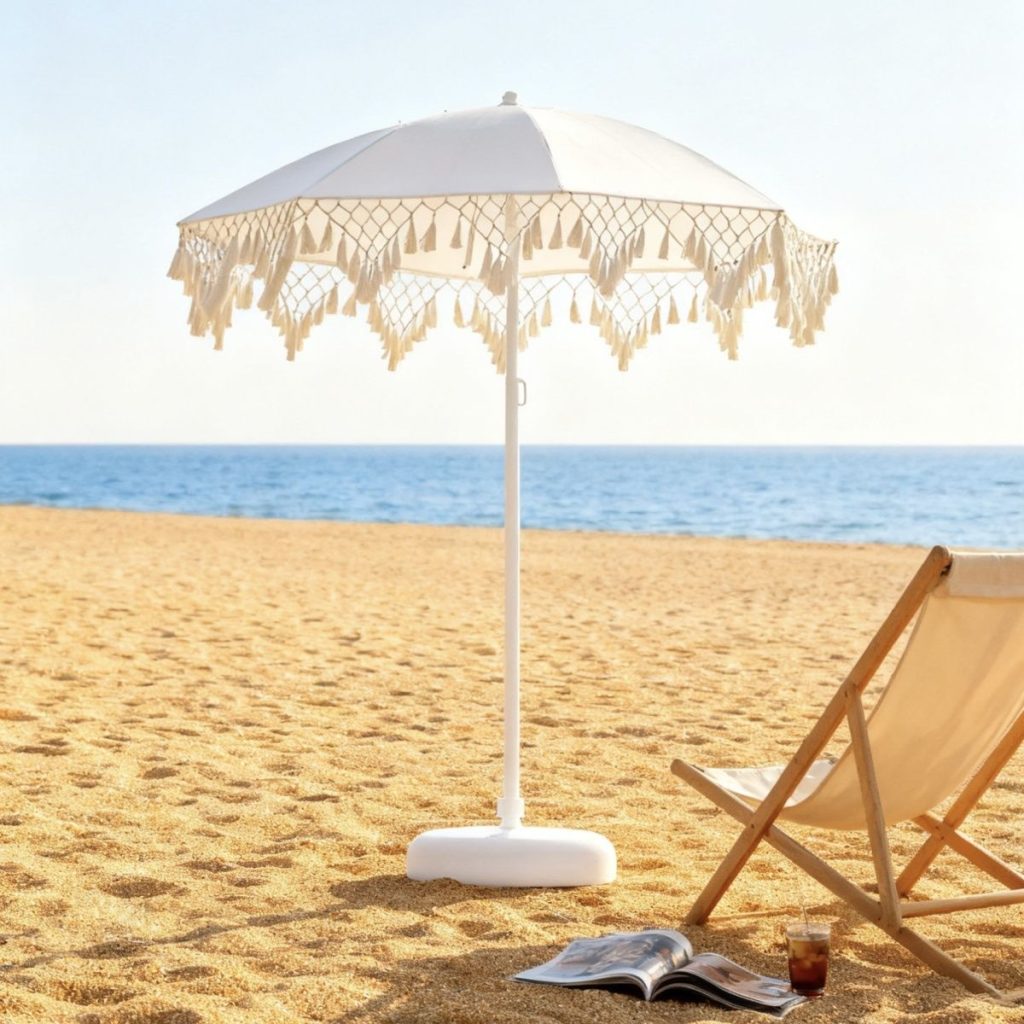
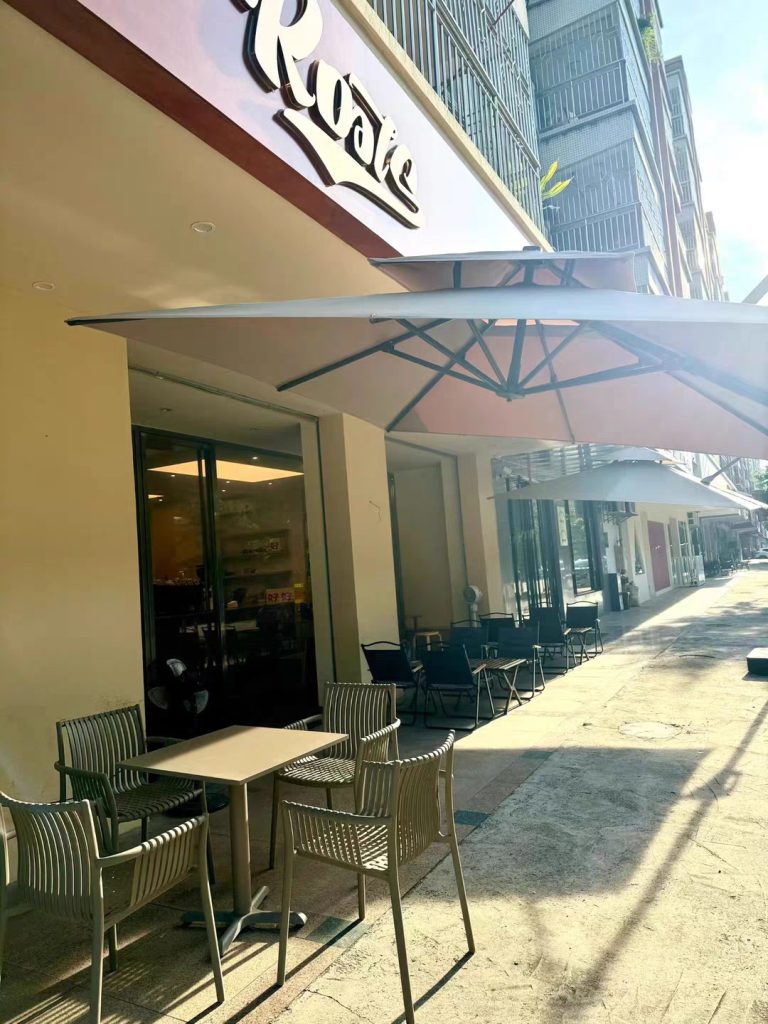
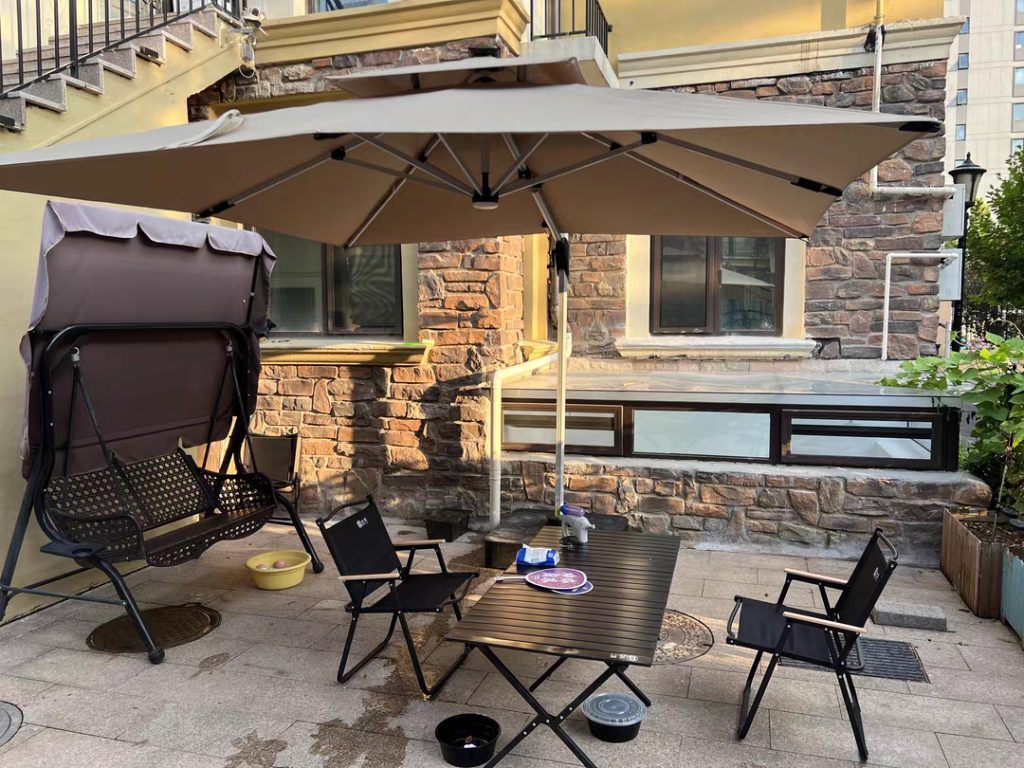
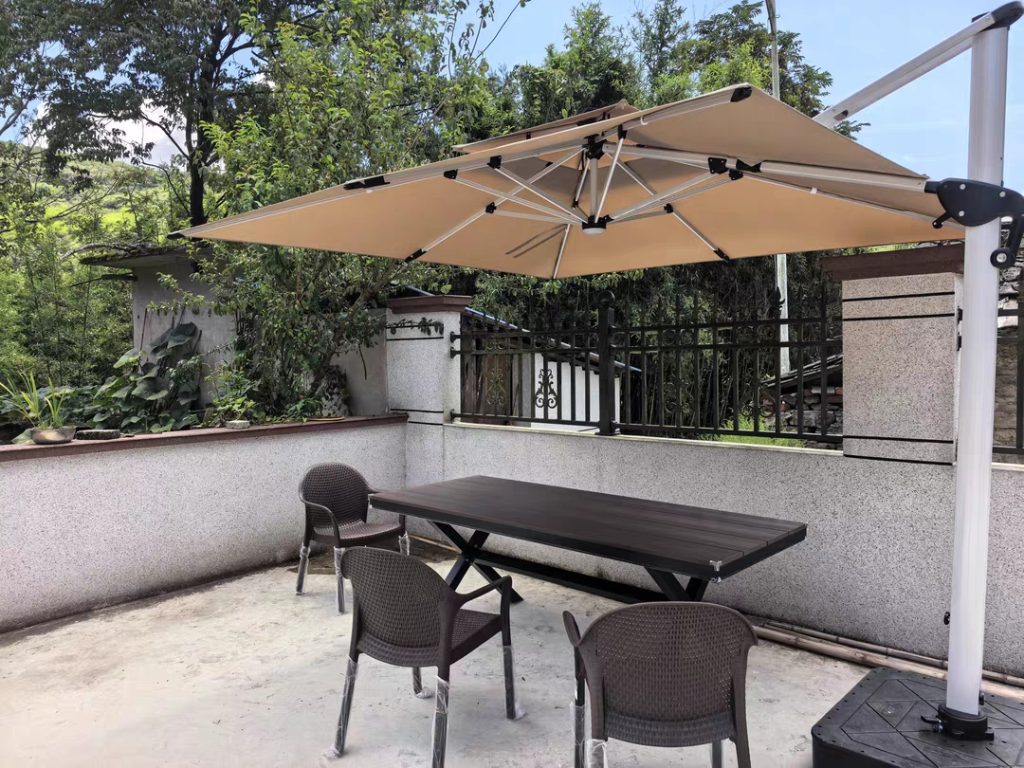
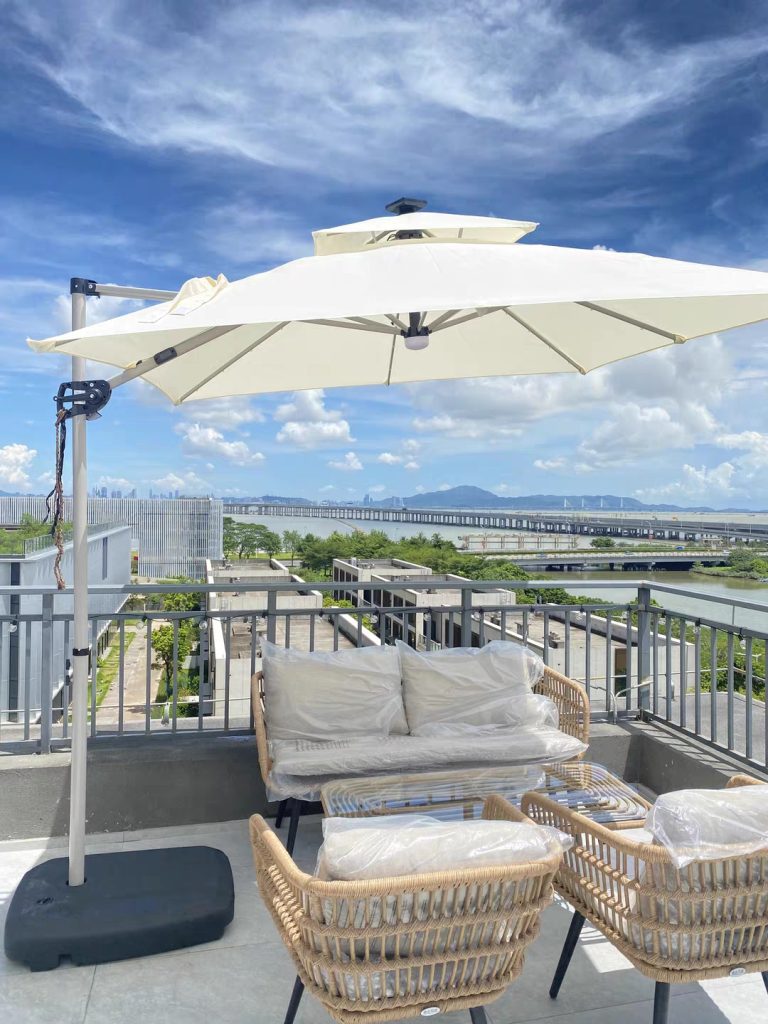
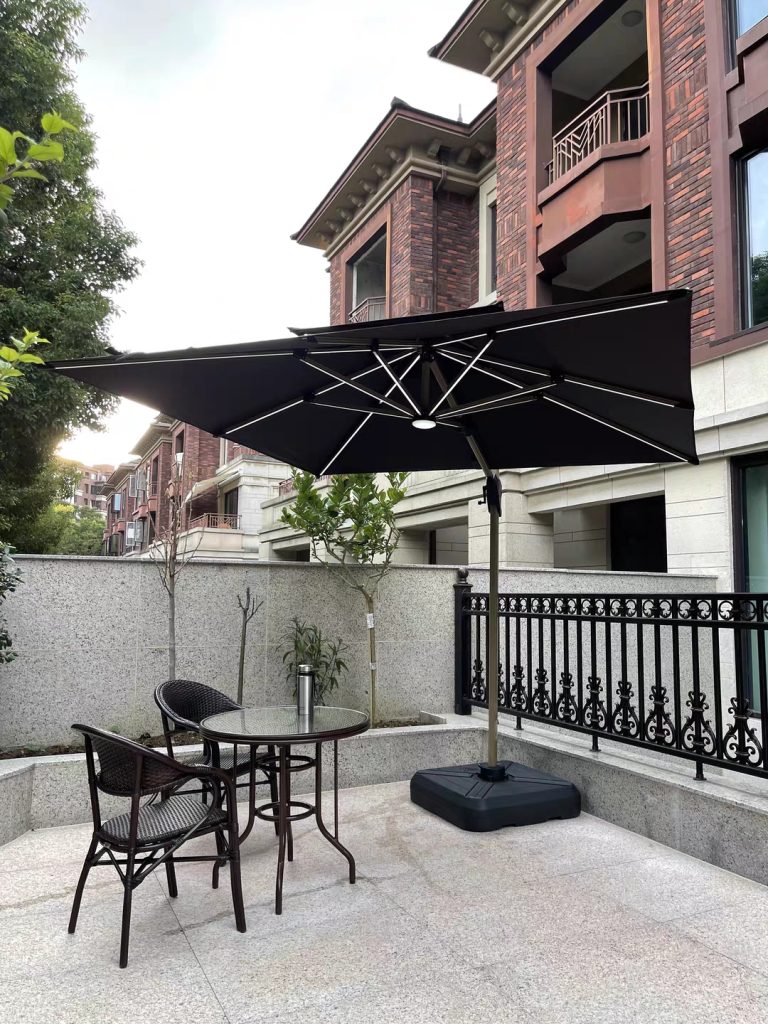
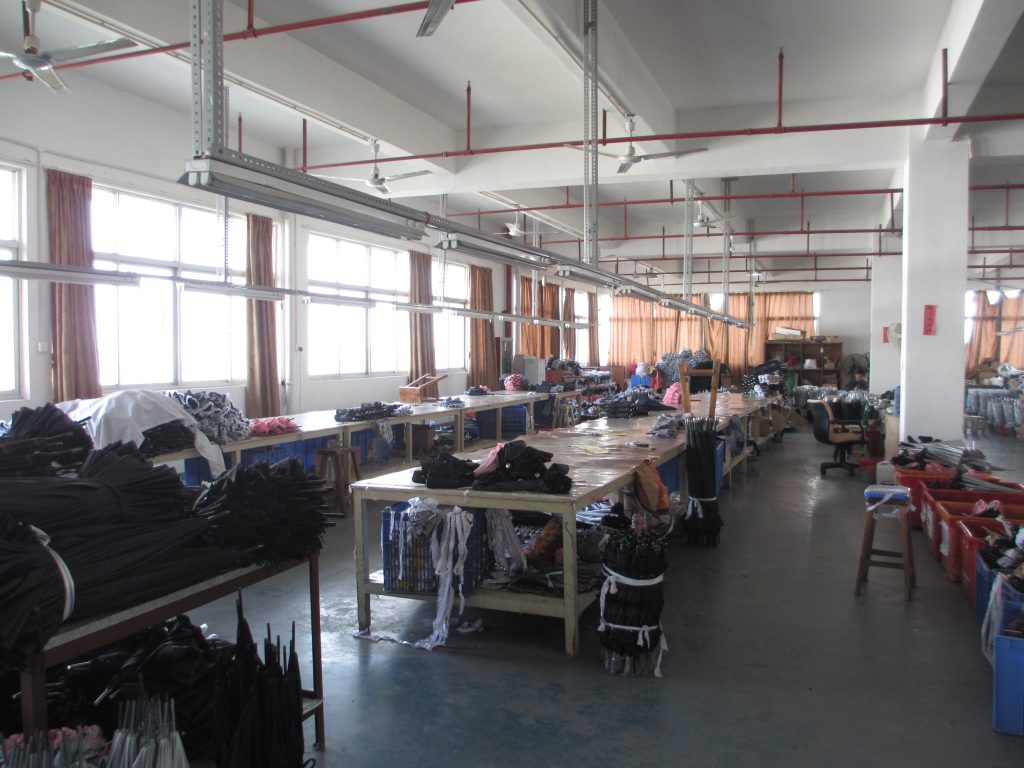
China’s outdoor umbrella manufacturers have cemented their status as the backbone of the global shade industry, producing over 75% of the world’s commercial and residential outdoor umbrellas. These manufacturers—clustered in specialized industrial zones—blend decades of craftsmanship with cutting-edge technology to deliver products that balance durability, aesthetics, and cost efficiency. Unlike suppliers or traders, manufacturers focus on the how of production: optimizing workflows, advancing material science, and scaling innovation. This article explores the unique strengths of China’s outdoor umbrella manufacturers, their operational excellence, and their strategic role in shaping the future of outdoor living—written from first principles to provide original insights, free from recycled online content.
1. The Manufacturing Landscape: Geographic Clusters and Specialized Expertise
China’s outdoor umbrella manufacturers thrive in geographically concentrated clusters, each optimized for distinct production capabilities. This specialization fosters collaboration, reduces costs, and accelerates innovation.
A. Zhejiang Province: The Volume Production Hub
Home to Yiwu (the “World’s Umbrella Capital”), Zhejiang hosts over 2,000 manufacturers specializing in high-volume, standardized outdoor umbrellas. Key strengths include:
-
Vertical Integration: Fabric mills, aluminum frame workshops, and assembly lines operate within a 50-kilometer radius, slashing lead times to 15–30 days for bulk orders (10,000+ units).
-
Cost Leadership: Economies of scale drive unit costs 30–40% lower than global competitors. A standard 9-foot patio umbrella wholesales for $8–$12 here, versus $15–$20 in Europe.
-
Flexible Tooling: Modular production lines allow quick switches between designs (e.g., from striped to solid-color canopies) with minimal downtime.
B. Guangdong Province: The Tech-Driven Innovation Center
Shenzhen and Dongguan lead in manufacturing smart and luxury outdoor umbrellas, leveraging proximity to electronics and advanced materials suppliers. Manufacturers here focus on:
-
IoT Integration: Embedding sensors (weather monitoring, auto-tilt), solar-powered LED lighting, and Bluetooth controls into umbrella frames.
-
Advanced Materials: Using marine-grade aluminum (corrosion-resistant for coastal areas), carbon fiber ribs (50% lighter than steel), and solution-dyed acrylic (fade-resistant for 5+ years).
-
R&D Labs: In-house teams test wind resistance (up to 120 km/h in wind tunnels) and UV stability (accelerated weathering tests simulating 10-year outdoor use).
C. Fujian Province: The Luxury and Durability Specialist
Xiamen and Quanzhou cater to premium markets (resorts, yachts, boutique hotels) with manufacturers specializing in:
-
Artisanal Craftsmanship: Hand-stitching canopies with reinforced seams, teak wood handles, and custom embroidery for luxury branding.
-
Extreme Condition Testing: Salt-spray chambers simulate coastal environments; mechanical testers validate 10,000+ open/close cycles for tilt mechanisms.
-
Sustainability: Bamboo frames, recycled PET canopies (1 umbrella = 12 plastic bottles), and FSC-certified wood.
2. Core Manufacturing Capabilities: From Raw Materials to Finished Products
China’s outdoor umbrella manufacturers excel in translating design concepts into durable, functional products through mastery of four key areas.
A. Material Science: Engineering for Outdoor Extremes
Manufacturers select materials based on rigorous testing for UV resistance, water repellency, and structural integrity:
-
Fabrics:
-
Acrylic: Solution-dyed for colorfastness (used in 60% of premium models).
-
Recycled PET: Sourced from ocean plastics; 50% lower carbon footprint than virgin polyester.
-
PU-Coated Polyester: Affordable and water-resistant, ideal for budget models.
-
-
Frames:
-
Aluminum Alloys: 6061-T6 grade (3x stronger than standard aluminum) for lightweight durability.
-
Carbon Fiber: High-end golf umbrellas use this material to withstand 100+ mph winds.
-
Fiberglass Ribs: Corrosion-resistant, popular in coastal regions.
-
-
Hardware: Stainless steel screws, die-cast zinc alloy tilting mechanisms, and nylon joints (tested for 10,000+ cycles).
B. Design and Prototyping: From Sketch to Sample
Manufacturers act as innovation partners, offering end-to-end design support:
-
3D Modeling: Software like SolidWorks converts client sketches into production-ready blueprints, with real-time adjustments for frame angles or fabric tension.
-
Rapid Prototyping: 3D printers produce functional samples in 48 hours, allowing buyers to test fit, function, and aesthetics before mass production.
-
Customization: MOQs as low as 50 units for small-batch orders, enabled by flexible assembly lines that mix standard and custom components.
C. Automation and Smart Production
To balance cost and quality, manufacturers deploy automation strategically:
-
Robotic Fabric Cutting: Lasers cut 500+ layers of fabric simultaneously with 0.1mm precision, reducing waste by 20%.
-
CNC Rib Bending: Machines shape metal/plastic ribs to exact angles, eliminating human error in frame assembly.
-
AI-Powered QC: Computer vision systems scan 1,000+ umbrellas/hour for defects (misaligned stitching, bent frames), with 99.7% accuracy.
3. Quality Control: Ensuring Global Standards
Reputation hinges on consistency, so China’s top manufacturers implement multi-stage quality control (QC) protocols.
A. Pre-Production Checks
-
Material Validation: Fabrics tested for UPF 50+ (blocks 98% UV rays), water repellency (AATCC 22 standard), and tear strength (ASTM D2261). Frames audited via X-ray fluorescence for alloy purity.
-
Component Testing: Hardware torque-tested (5–8 N·m for screws); tilt mechanisms cycled 1,000x to ensure smooth operation.
B. In-Process Inspections
-
Line Audits: Supervisors monitor assembly lines for alignment (rib-to-shaft connection) and fabric tension (prevents sagging).
-
Random Sampling: 5% of in-progress units tested for wind resistance (industrial fans simulating 80 km/h winds).
C. Pre-Shipment Certification
-
Third-Party Testing: SGS or Intertek verify compliance with EU (EN 13598), U.S. (ASTM F1164), and Japanese (JIS S 4001) standards.
-
AQL Sampling: Acceptable Quality Level (AQL 2.5 for general products, 1.5 for luxury) dictates defect thresholds (≤2 defects per 100 units).
4. Supply Chain Integration: Speed and Resilience
Manufacturers thrive on tightly knit supply chains, minimizing delays and costs.
A. Localized Sourcing
-
Fabrics: Zhejiang’s textile mills supply 80% of polyester/acrylic rolls within 24 hours.
-
Metals: Guangdong’s aluminum extrusion plants deliver frame components in 48 hours.
-
Packaging: In-house printing presses produce custom boxes/sleeves (MOQ: 1,000 units).
B. Logistics and Distribution
-
Domestic Warehousing: Regional hubs in Yiwu, Shenzhen, and Shanghai hold 10,000+ units in stock for same-day dispatch.
-
Global Shipping: Partnered with Maersk (sea freight: 20–40 days to U.S./EU) and DHL (air freight: 3–7 days for urgent orders).
-
Dropshipping: API integrations with Shopify/Amazon automate order fulfillment for e-commerce clients.
5. Sustainability: Green Manufacturing for a Changing World
As global demand for eco-friendly products rises, Chinese manufacturers lead in sustainable practices.
A. Circular Economy Initiatives
-
Recycling Programs: Old umbrellas collected from clients are shredded into fibers for new canopies or melted into aluminum ingots.
-
Upcycling: Damaged frames repurposed into garden stakes or furniture legs.
B. Carbon-Neutral Production
-
Renewable Energy: Rooftop solar panels power 30% of factory operations (e.g., Shenzhen Smart Umbrella Tech).
-
Carbon Offsetting: Manufacturers invest in reforestation projects (1 tree planted per 100 umbrellas sold).
C. Certifications
-
GOTS: For organic fabric umbrellas.
-
FSC: For wooden handles from sustainably managed forests.
-
B Corp: Awarded to factories meeting rigorous social/environmental standards.
6. Challenges and Future Trends
A. Current Challenges
-
Rising Labor Costs: Wages in coastal provinces have tripled since 2010, pushing some manufacturers inland (e.g., Jiangxi, Anhui).
-
Trade Barriers: U.S. tariffs (25% on Chinese umbrellas) and EU anti-dumping duties prompt diversification to Southeast Asia.
-
Competition: Vietnam and Bangladesh offer 10–15% lower labor costs but lack China’s supply chain maturity.
B. Future Trends
-
Smart Umbrellas 2.0: IoT-enabled models with air quality sensors, app-controlled tilt, and voice activation (e.g., “Alexa, close the umbrella”).
-
Hyper-Personalization: 3D printing allows on-demand production of unique frames/handles (MOQ: 20 units).
-
AI-Driven Design: Generative AI creates custom patterns based on client brand guidelines (colors, themes).
Conclusion: China’s Manufacturers—The Engine of Global Shade Innovation
China’s outdoor umbrella manufacturers are more than production facilities—they are innovation engines, sustainability pioneers, and strategic partners for global brands. Their mastery of material science, automation, and supply chain integration ensures they remain irreplaceable in a competitive market. As outdoor living gains popularity worldwide, these manufacturers will continue to evolve, blending tradition with technology to deliver shade solutions that are as stylish as they are durable.
For buyers seeking reliability, customization, and value, China’s umbrella manufacturers offer a clear path to success—proving that even a simple product can embody industrial excellence when backed by decades of specialization.


No reply content