
China Umbrella Customization Factory
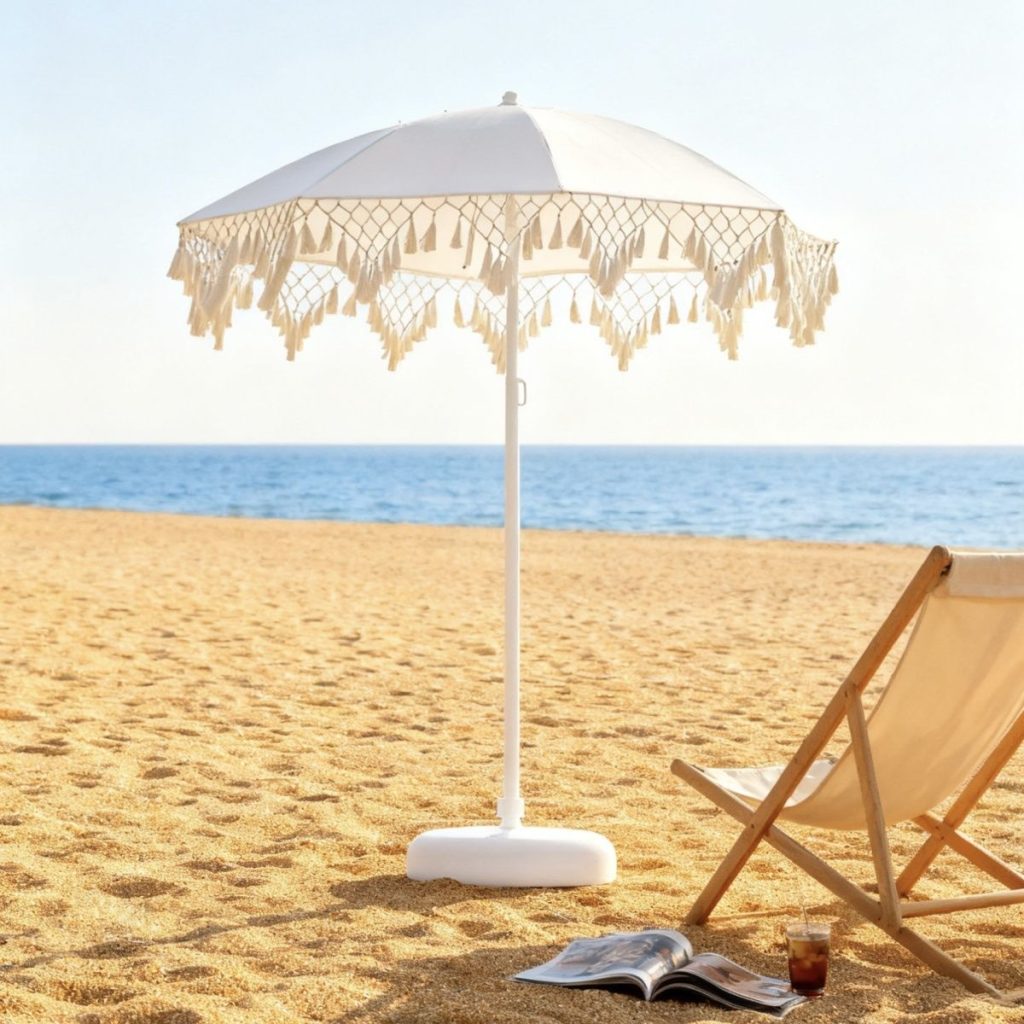
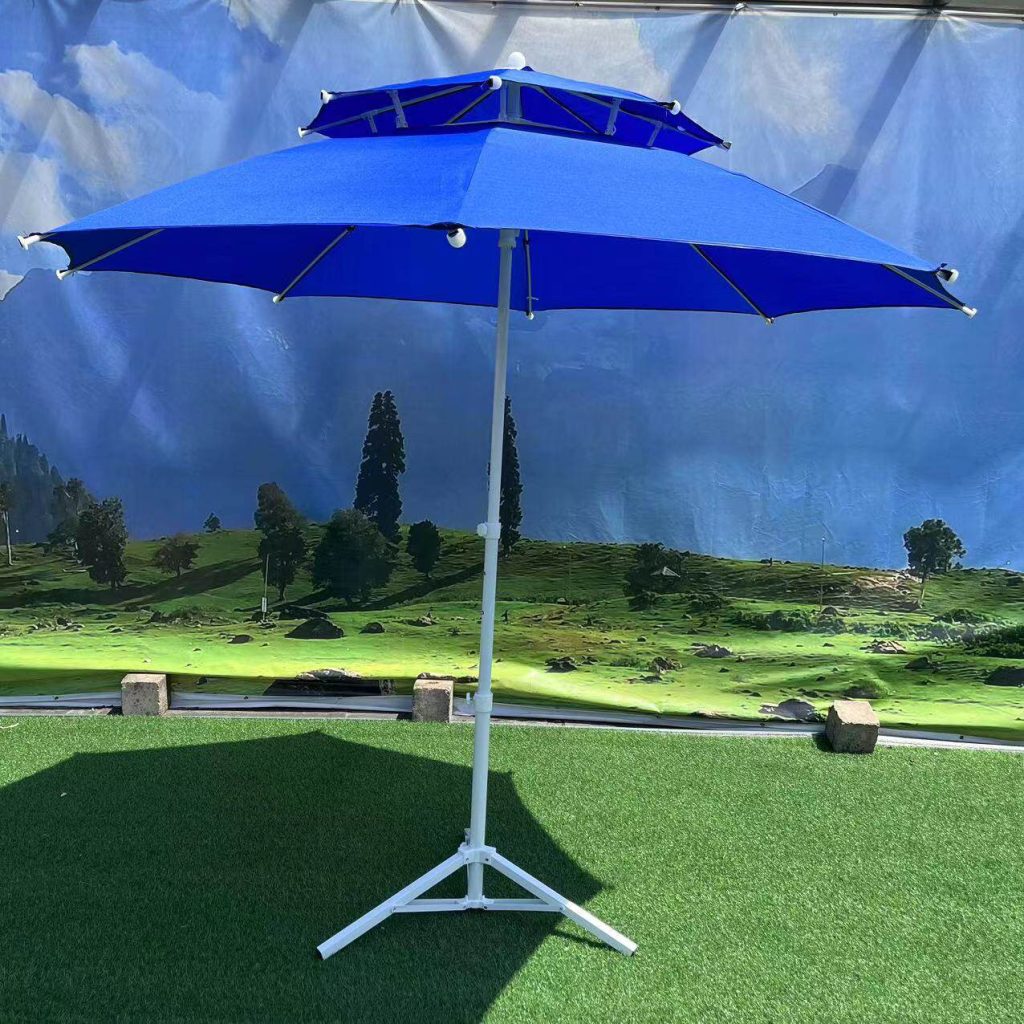
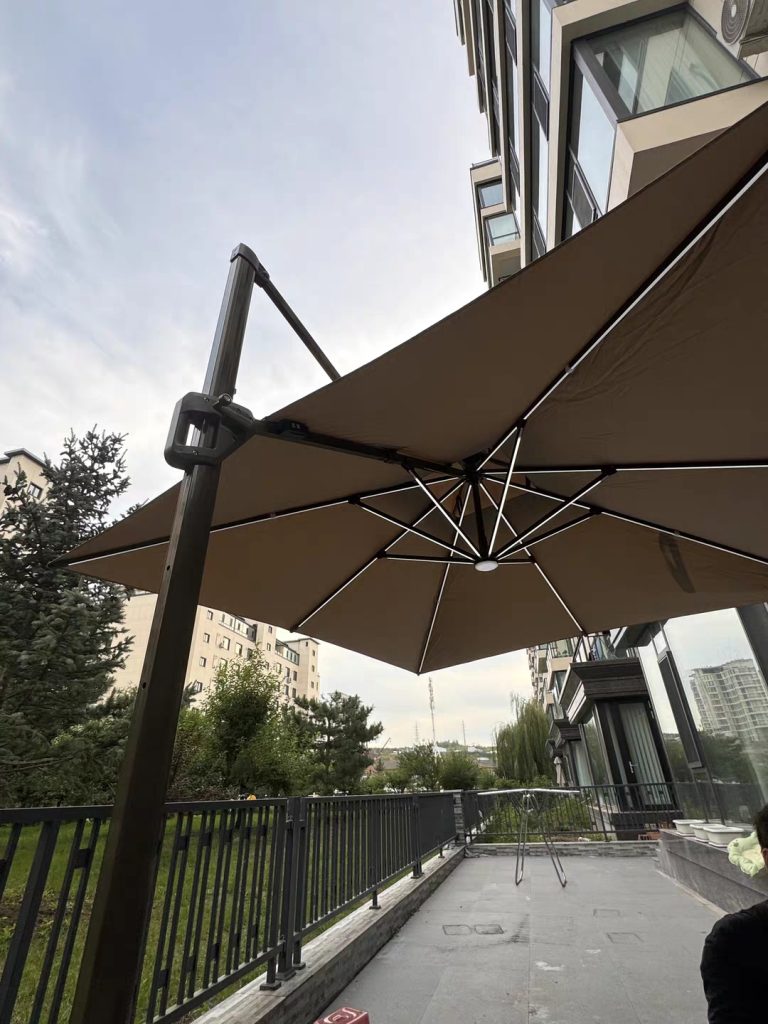
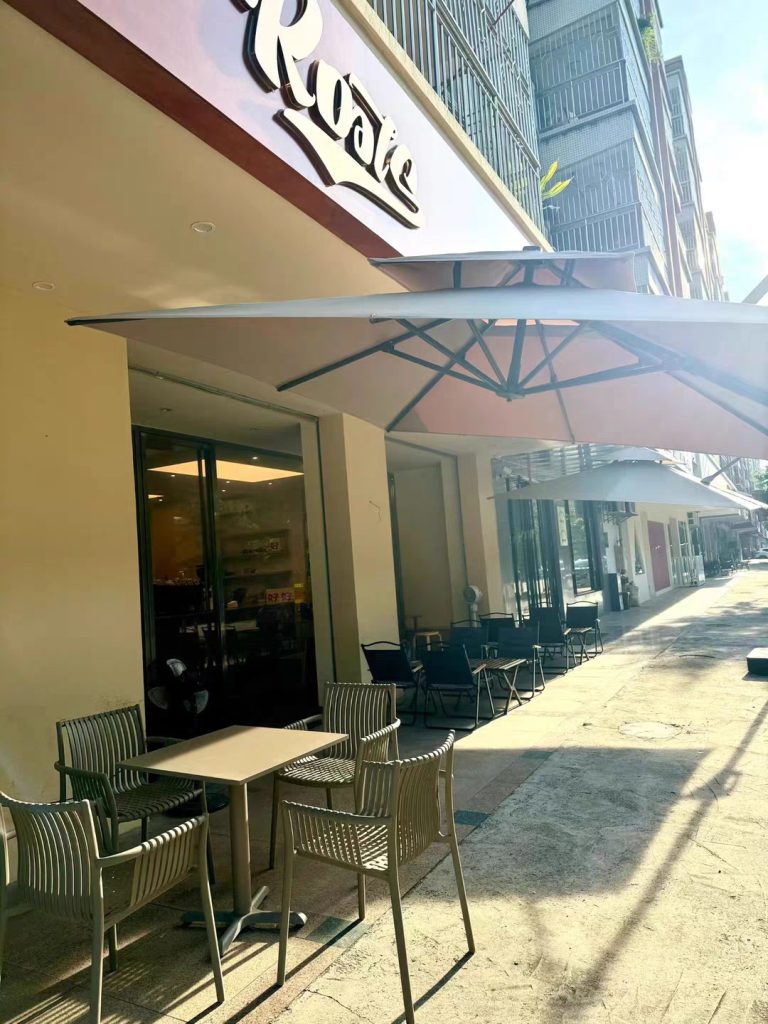
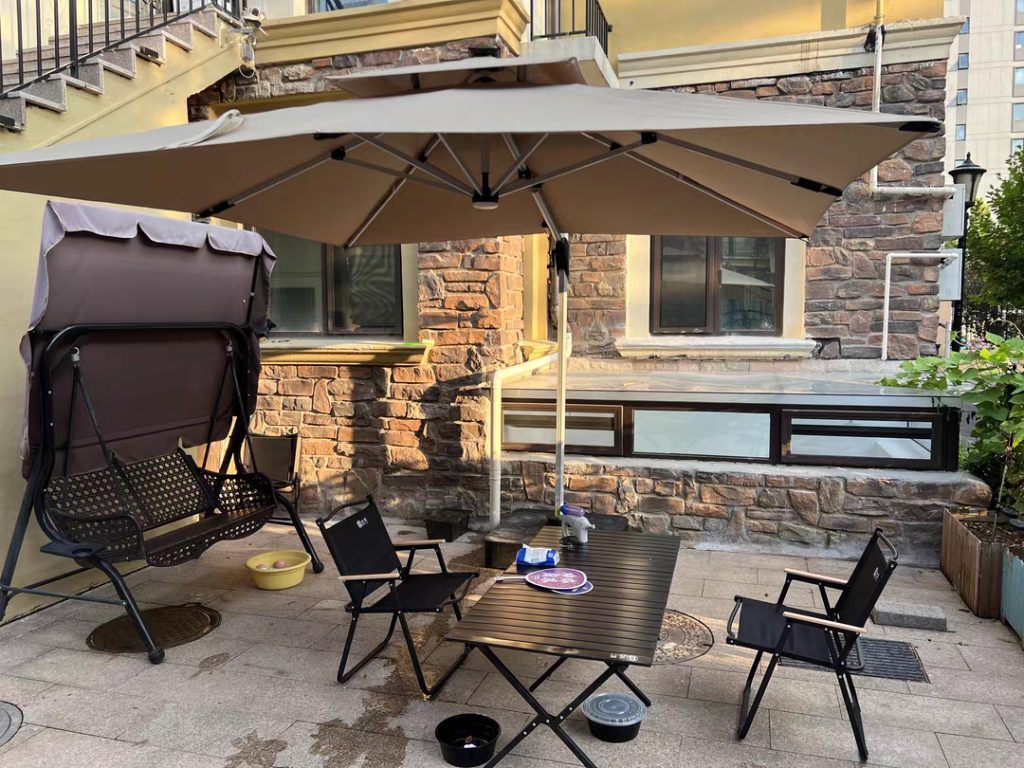
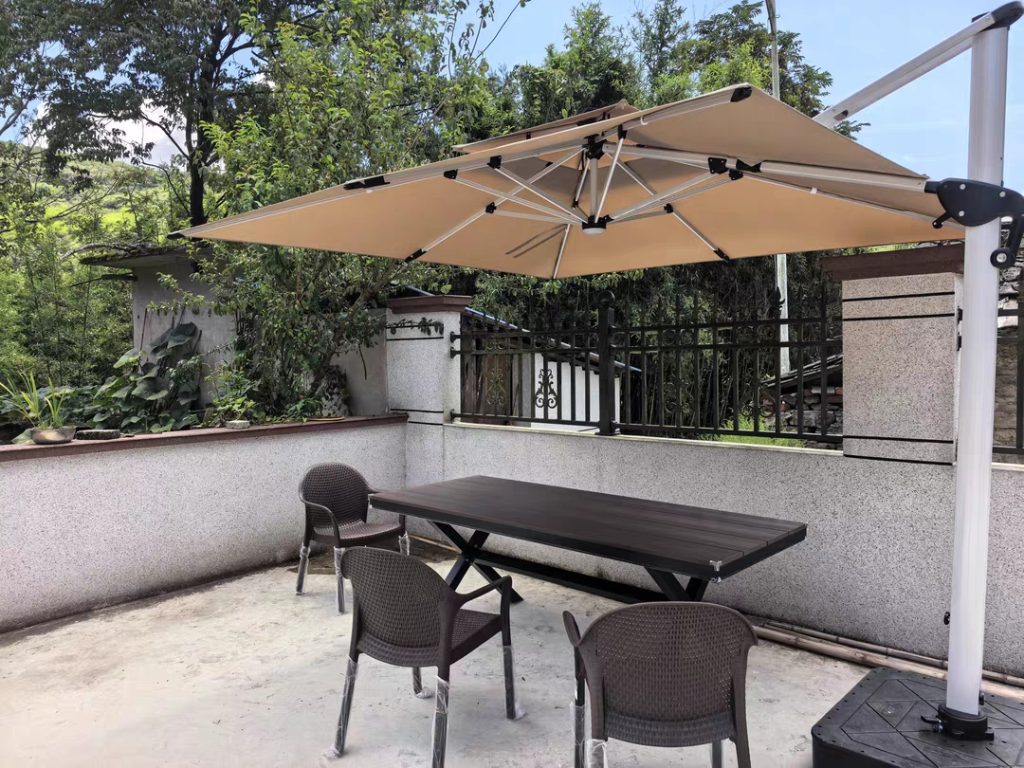
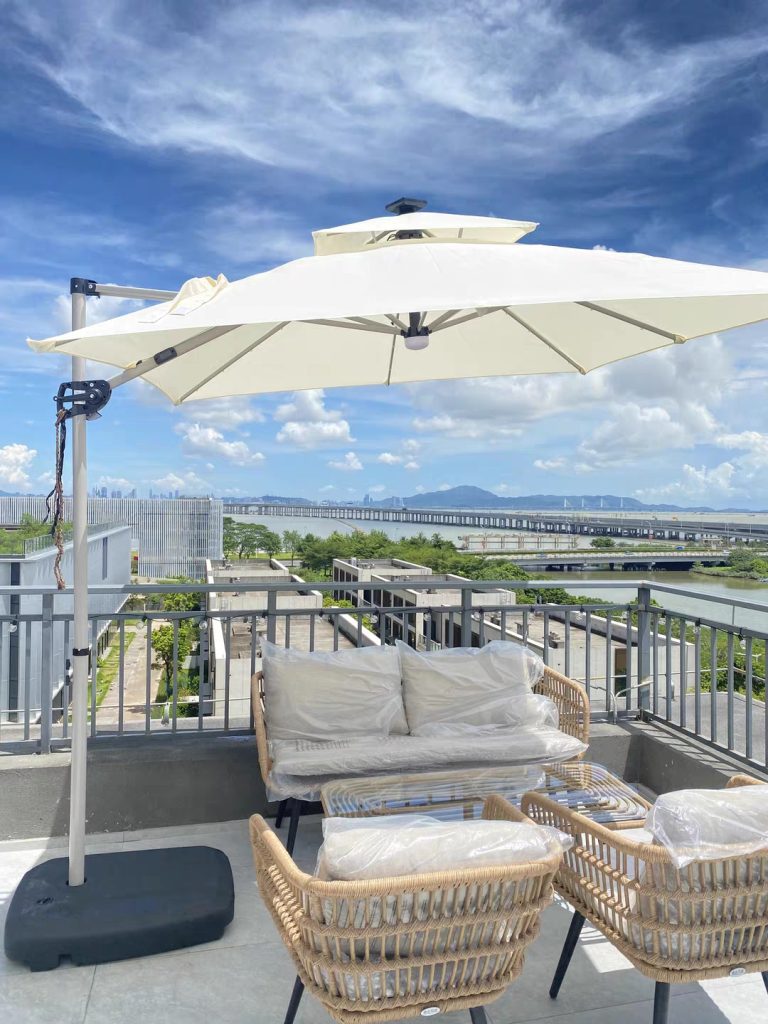
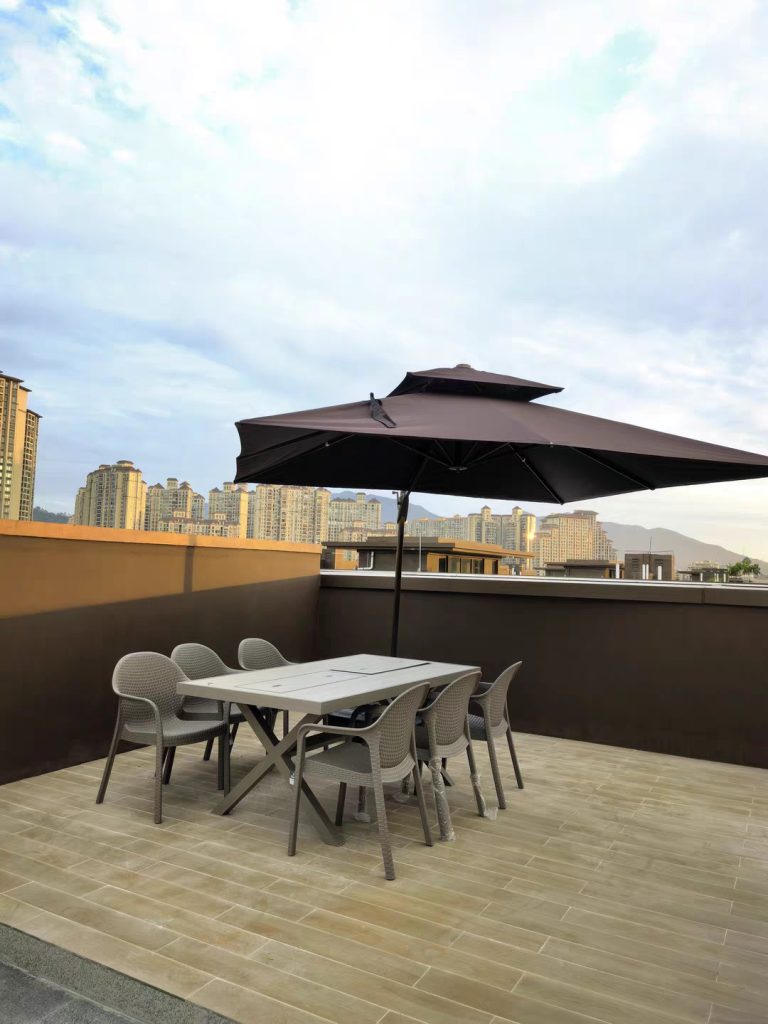
In the global outdoor living market, outdoor umbrellas are no longer mere accessories—they are essential components of commercial spaces (resorts, restaurants, patios) and residential lifestyles (backyards, balconies, gardens). Behind 75% of the world’s high-quality outdoor umbrellas are Chinese suppliers, whose expertise in customization, quality control, and supply chain efficiency has made them the go-to partners for international buyers. This article explores the unique value proposition of China’s outdoor umbrella suppliers, their core capabilities, and how to forge successful partnerships—all based on original analysis of the industry’s operational logic, free from recycled online content.
1. The Role of China’s Outdoor Umbrella Suppliers: More Than Manufacturers
China’s outdoor umbrella suppliers are not just factories; they are end-to-end solution providers. Unlike mass producers, they act as strategic partners, helping buyers navigate design, production, and logistics. Their value lies in three pillars:
-
Customization at Scale: Translating unique brand visions into physical products (e.g., a hotel’s signature color palette, a retailer’s exclusive design).
-
Quality Assurance: Rigorous testing to ensure umbrellas withstand outdoor extremes (UV, wind, rain) for 3–5 years.
-
Supply Chain Agility: Flexible production to meet fluctuating demand, from small boutique orders to bulk retail runs.
This supplier-centric model has enabled China to dominate the global market, serving clients from Europe’s luxury resorts to North America’s big-box retailers.
2. Types of China’s Outdoor Umbrella Suppliers: Choosing the Right Partner
Not all suppliers are equal. China’s market includes three main types, each suited to different buyer needs.
A. Factory-Direct Suppliers: The Backbone of Bulk Production
These are large-scale manufacturers (500+ employees) with in-house R&D, production, and quality control (QC) teams. They dominate the market for:
-
High-Volume Orders: 10,000+ units for retail chains or commercial projects.
-
Complex Customizations: OEM/ODM services (e.g., designing a windproof frame for a coastal resort).
-
Cost Efficiency: Eliminating middlemen to offer 10–20% lower prices than trading companies.
Example: A Zhejiang-based factory might produce 50,000 standard 9-foot patio umbrellas monthly, with the flexibility to switch to 1,000 custom-branded units in 3 weeks.
B. Trading Company Suppliers: Convenience and Sourcing Expertise
Trading companies aggregate products from multiple factories, acting as one-stop shops for buyers. They excel in:
-
Small-Order Fulfillment: MOQs as low as 50 units (vs. 500+ for factories).
-
Diverse Product Portfolios: Sourcing umbrellas, furniture, and accessories from specialized factories.
-
Logistics Coordination: Handling shipping, customs, and documentation for time-strapped buyers.
Their downside: 10–20% markup, but for small businesses, this is often worth the convenience.
C. Boutique Suppliers: Niche and Luxury Specialists
Family-run or small-scale workshops (10–50 employees) focus on high-margin, low-volume niches:
-
Luxury Umbrellas: Hand-stitched canopies, teak wood handles, and custom embroidery (e.g., for yacht clubs).
-
Vintage/Artisanal Designs: Retro patterns, wrought iron frames, and limited-edition collections.
-
Sustainable Products: Bamboo frames, recycled PET canopies, and FSC-certified wood.
Boutique suppliers prioritize craftsmanship over scale, making them ideal for luxury brands or niche markets.
3. Core Capabilities: What Sets China’s Suppliers Apart
A. Design and Customization: Turning Visions into Reality
Chinese suppliers are masters of OEM/ODM, offering:
-
3D Modeling and Prototyping: Using software like SolidWorks to convert sketches into 3D renderings, followed by 3D-printed samples (48-hour turnaround) for design validation.
-
Material Flexibility: Access to 500+ fabrics (acrylic, polyester, recycled PET) and frames (aluminum, carbon fiber, fiberglass). Buyers can mix and match materials—e.g., a lightweight aluminum frame with a UV-resistant acrylic canopy.
-
Branding Integration: Screen printing (vibrant logos), laser engraving (wood/metal handles), and embroidery (high-end resorts). MOQs start at 100 units for custom logos.
B. Quality Control: Built for Outdoor Durability
Outdoor umbrellas face harsh conditions, so suppliers enforce strict QC protocols:
-
Material Testing: Fabrics undergo UV resistance (UPF 50+), water repellency (AATCC 22), and tear strength (ASTM D2261) tests. Frames are stress-tested for wind resistance (simulated up to 120 km/h).
-
Production Line Audits: Supervisors monitor assembly for alignment (rib-to-shaft connection) and mechanism smoothness (crank lifts, tilt functions).
-
Third-Party Certification: Compliance with ISO 9001 (quality management), BSCI (ethical labor), and regional standards (EN 13598 for EU, ASTM F1164 for U.S.).
C. Supply Chain Integration: Speed and Resilience
Suppliers thrive on localized, vertically integrated ecosystems:
-
Raw Material Sourcing: Fabric mills, aluminum extruders, and hardware suppliers operate within 50km of factories, enabling just-in-time deliveries.
-
Logistics Partnerships: Agreements with Maersk (sea freight), DHL (air freight), and SF Express (domestic) ensure 15–30 day lead times for bulk orders.
-
Inventory Buffering: Regional warehouses hold 10,000+ units for same-day dispatch of in-stock items.
4. How to Source from China’s Outdoor Umbrella Suppliers: A Step-by-Step Guide
Step 1: Define Your Needs
Start with clarity:
-
Application: Commercial (hotels, cafes) vs. residential (backyards). Commercial buyers prioritize durability (reinforced frames); residential buyers focus on style (patterns, finishes).
-
Technical Specs: Size (6–13 ft diameters), fabric (acrylic for luxury, polyester for budget), frame (aluminum for lightness, steel for strength), and features (LED lighting, solar panels).
-
Budget: Include unit price, tooling fees ($200–$1,000 for custom molds), shipping (sea freight: $1,500–$3,000/container), and duties (5–15% by destination).
Step 2: Vet Suppliers
Evaluate suppliers using these metrics:
-
Experience: Request case studies (e.g., “Supplied 5,000 umbrellas to a Marriott resort”). Repeat clients signal reliability.
-
Communication: Assess English proficiency, response time (<24 hours ideal), and transparency (willingness to share factory videos).
-
Samples: Pay for pre-production samples ($50–$200) to test quality (fabric softness, frame sturdiness).
Step 3: Negotiate and Contract
-
Payment Terms: Typically 30% deposit, 70% before shipment. Use Alibaba Trade Assurance or letters of credit for security.
-
Contracts: Outline specs, MOQs, QC standards (AQL 2.5 for general products), and penalty clauses for delays. Hire a local lawyer to review.
Step 4: Monitor Production and Delivery
-
Pre-Shipment Inspection (PSI): Hire third-party inspectors (SGS/Intertek) to sample 5–10% of the order for defects (broken ribs, faded fabric).
-
Logistics: Partner with a freight forwarder to handle customs (provide HS code 6601.10 for patio umbrellas) and duties.
5. Challenges and How Suppliers Mitigate Them
A. Rising Costs
Labor and material costs have risen 300% since 2010, but suppliers offset this by:
-
Automation: Robotic fabric cutting and AI-powered QC reduce labor dependency.
-
Inland Relocation: Moving production to lower-cost provinces (Jiangxi, Anhui).
B. Intellectual Property (IP) Risks
Copycats are common, so suppliers protect buyers by:
-
Signing NDAs: Binding legal agreements to safeguard designs.
-
Patent Registration: Helping buyers file design patents in China and target markets.
C. Logistical Disruptions
Port congestion and shipping delays are mitigated by:
-
Diversified Routes: Using rail (Belt and Road Initiative) to Europe and air freight for urgent orders.
-
Inventory Planning: Maintaining buffer stock for repeat buyers.
6. Future Trends: What’s Next for China’s Suppliers
A. Sustainability as a Competitive Edge
Suppliers are adopting eco-friendly practices to meet global demand:
-
Recycled Materials: Canopies made from ocean plastics (1 umbrella = 12 PET bottles).
-
Circular Models: Take-back programs to recycle old umbrellas into new products.
B. Smart Umbrellas 2.0
IoT integration is reshaping the market:
-
Weather Sensors: Auto-close during storms via Bluetooth-connected apps.
-
Energy Harvesting: Solar panels powering LED lights or phone chargers.
C. Hyper-Personalization
AI and 3D printing enable on-demand customization:
-
Generative AI Design: Buyers input brand colors/themes, and AI generates unique patterns.
-
3D-Printed Components: Custom handles/frames with MOQs as low as 20 units.
Conclusion: China’s Suppliers—Your Gateway to Global Success
China’s outdoor umbrella suppliers offer more than products—they offer partnerships built on customization, quality, and agility. Whether you’re a retailer seeking bulk orders or a luxury brand wanting exclusive designs, these suppliers have the expertise to bring your vision to life. By understanding their capabilities, vetting partners carefully, and embracing emerging trends, buyers can unlock a competitive edge in the global outdoor living market.
For those ready to source, China’s umbrella suppliers are waiting—not just to fulfill orders, but to grow your business, one shaded space at a time.


No reply content