
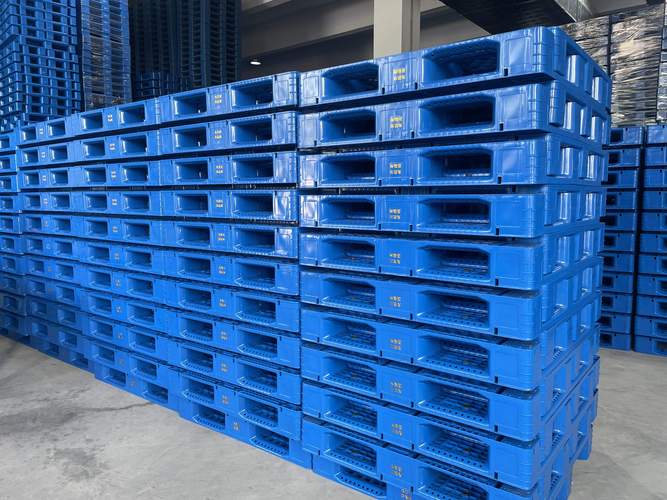
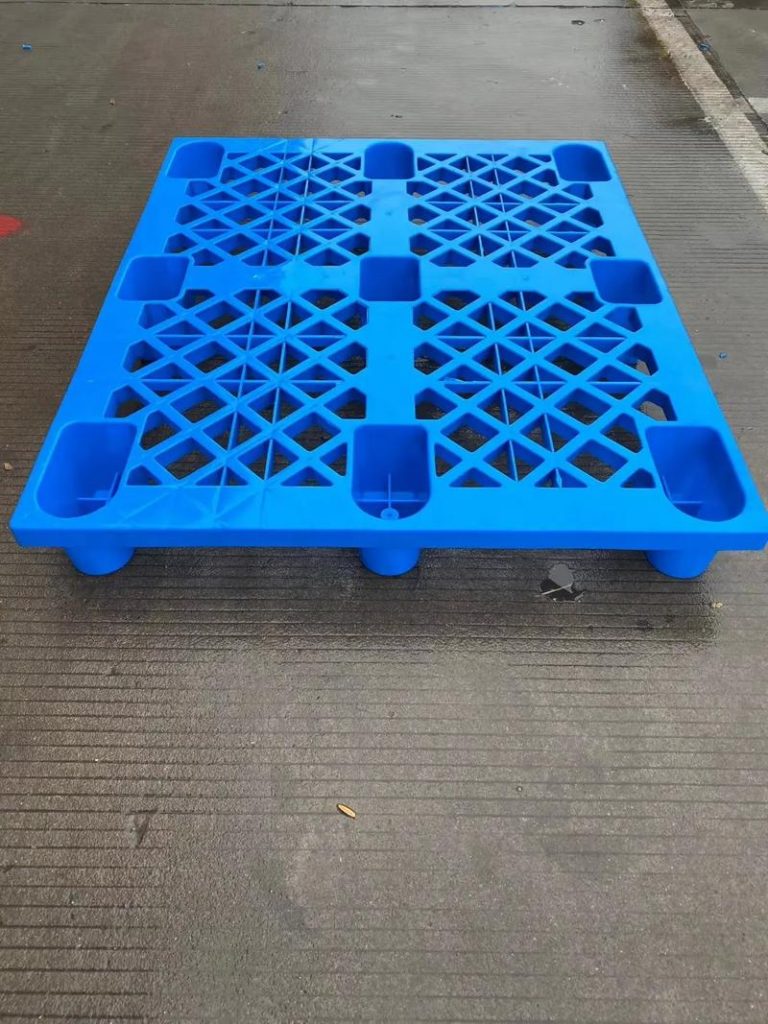
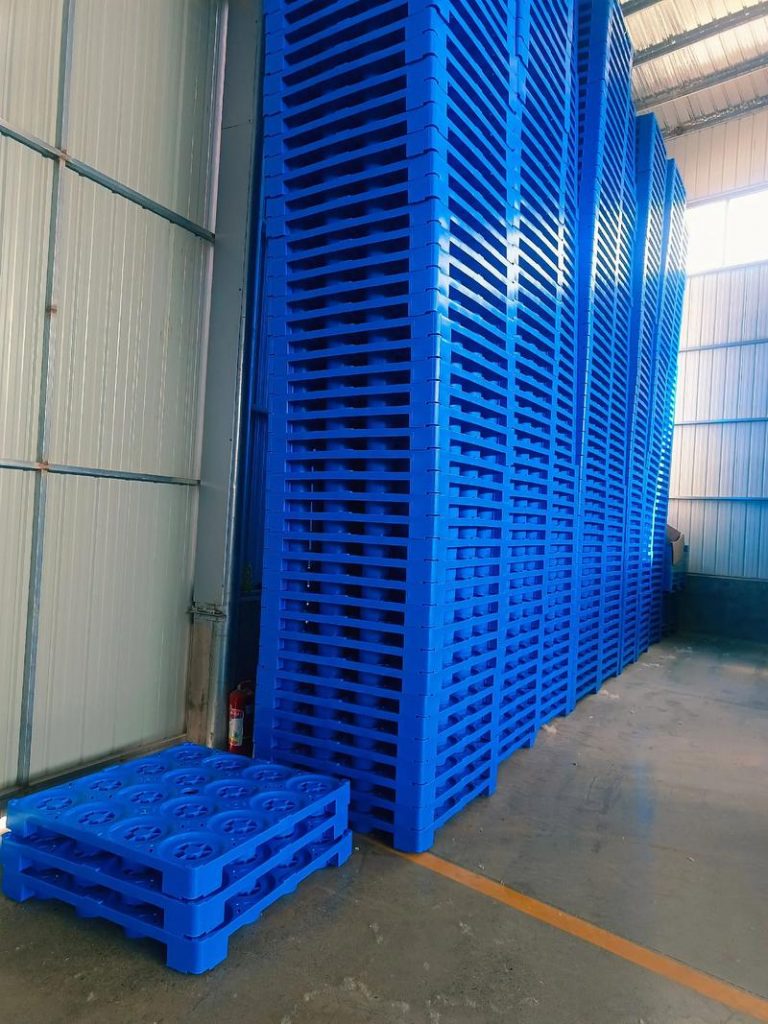

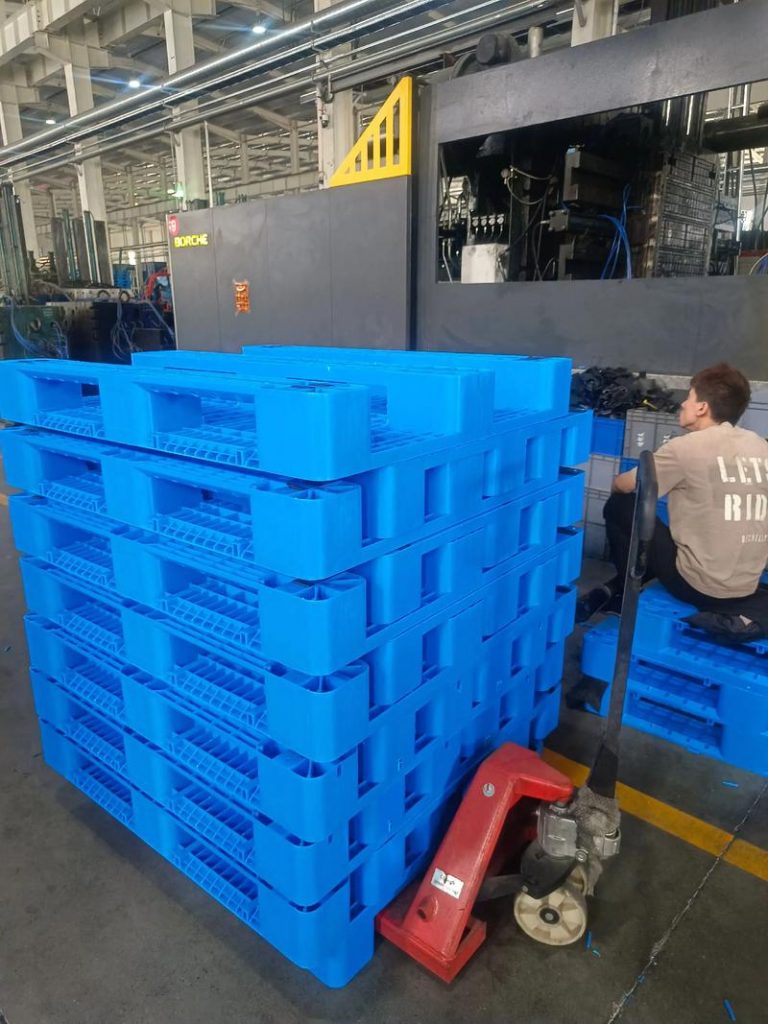

Looking for durable and cost-effective plastic pallets from China? Choosing the right manufacturer is crucial for supply chain efficiency and product reliability. This guide explores top manufacturers, pallet types, materials, certifications, sourcing strategies, and quality checks to help you select the best partner for your business.
1. Overview of China’s Plastic Pallet Industry
China is one of the largest producers of industrial plastic pallets, supplying both domestic and international markets. The industry has grown due to:
- High production capacity: Factories can handle small, medium, and bulk orders efficiently.
- Diverse material expertise: HDPE, PP, and recycled plastics are widely used.
- Export readiness: Many manufacturers are experienced with international shipping, logistics, and certifications such as ISO, SGS, and FDA for food-grade applications.
- Innovation: Manufacturers now focus on stackable designs, anti-slip surfaces, and pallet automation compatibility.
Plastic pallets are widely used in logistics, warehousing, manufacturing, food and beverage, pharmaceuticals, and e-commerce.
2. Types of Plastic Pallets and Their Applications
Understanding pallet types helps in selecting the right manufacturer:
2.1 Standard Plastic Pallets
- Used in general warehousing and logistics.
- Dimensions: 1200×1000 mm or 1200×800 mm (standard ISO sizes).
- Advantages: Durable, lightweight, reusable, and resistant to moisture and chemicals.
2.2 Heavy-Duty Plastic Pallets
- Designed for heavy loads up to 2000 kg.
- Applications: Industrial warehouses, automotive, and chemical industries.
2.3 Nestable and Stackable Pallets
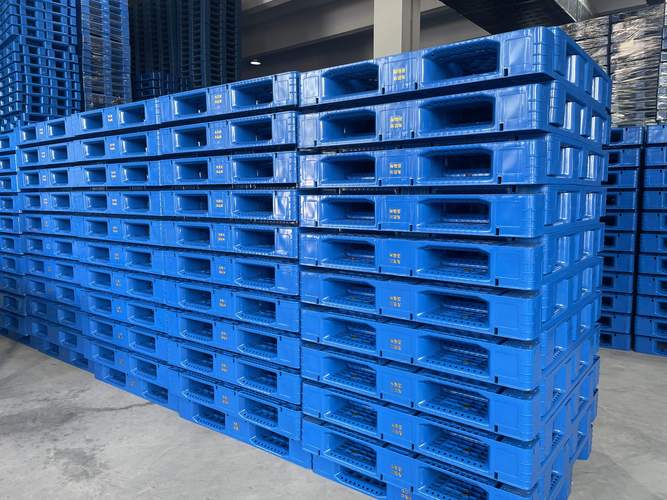
- Nestable: Saves space when empty by stacking inside each other.
- Stackable: Reinforced for heavy stacking during storage or transport.
2.4 Plastic Pallets with Anti-Slip Surfaces
- Offers better grip for products.
- Useful for transporting boxes or liquids.
2.5 Food-Grade Plastic Pallets
- Made from HDPE or PP suitable for food and beverage storage.
- Compliant with FDA or EU food contact standards.
3. Key Criteria for Choosing the Best Chinese Manufacturer
Not all suppliers are equal. Consider the following factors:
3.1 Material Quality
- HDPE: Durable, chemical-resistant, reusable.
- PP: Lighter, more flexible, and cost-effective.
- Recycled plastics: Eco-friendly, but quality varies.
3.2 Production Experience
- Experienced factories (5+ years) produce consistent quality.
- Ability to produce standard and custom designs.
- Knowledge of international standards and export requirements.
3.3 Certifications
- ISO9001: Quality management systems.
- SGS or Intertek testing for load capacity, durability, and safety.
- FDA/EU compliance for food-grade pallets.
3.4 Customization and OEM/ODM Services
- Custom sizes, colors, logos, and anti-slip patterns.
- Special pallets for automated warehouses or logistics systems.
3.5 Pricing and MOQ
- MOQ varies depending on size, type, and customization.
- Price-per-unit decreases for bulk orders.
- Consider shipping, packaging, and customs costs.
3.6 After-Sales Support
- Replacement parts for damaged pallets.
- Technical guidance for pallet handling and maintenance.
4. Leading Manufacturing Hubs in China
4.1 Guangdong Province
- Largest cluster for plastic and industrial products.
- Flexible production options and export-oriented factories.
4.2 Zhejiang Province
- Specializes in precision molding and custom pallet designs.
- Strong network of logistics companies for export.
4.3 Shandong Province
- Large factories producing heavy-duty and industrial pallets.
- Focus on food-grade and chemical-resistant pallets.
5. How to Verify Supplier Credibility
5.1 Factory Audit
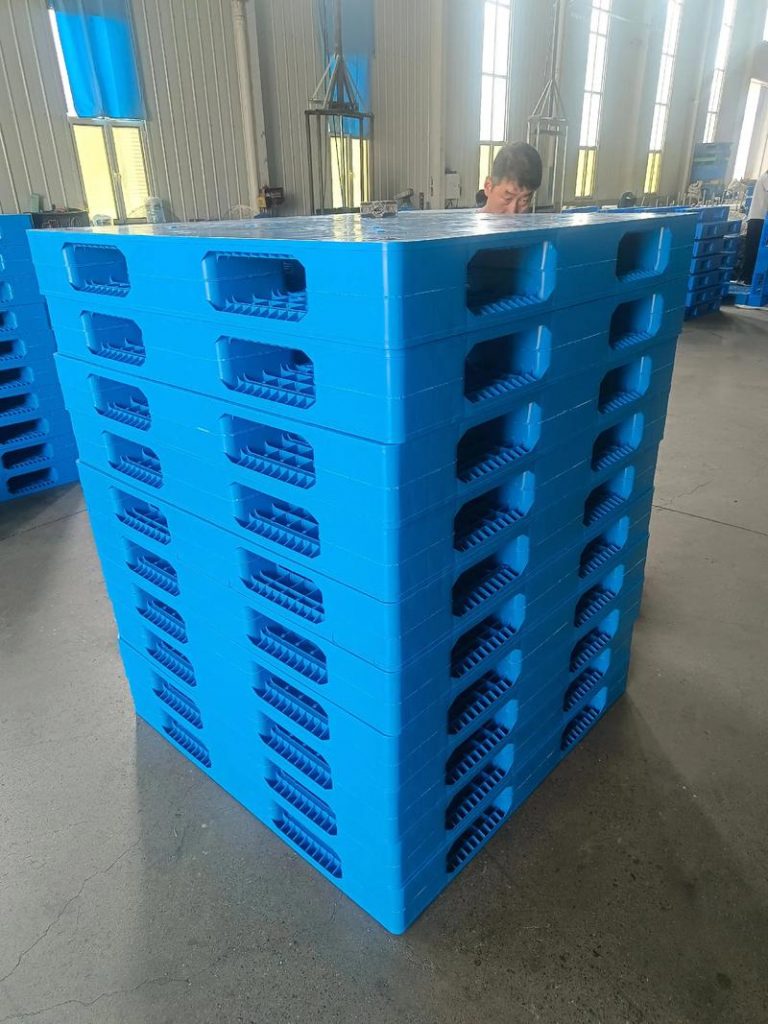
- Photos and videos of production lines.
- Verify production capacity, storage conditions, and quality control.
5.2 Product Samples
- Test load capacity, chemical resistance, and durability.
- Inspect dimensions and surface finish.
5.3 Client References
- Ask for previous overseas clients or case studies.
- Check reviews and feedback for reliability.
5.4 Third-Party Inspection
- SGS, Bureau Veritas, or TUV inspections ensure compliance and quality.
6. Benefits of Sourcing Plastic Pallets from China
- Cost-effectiveness: Competitive manufacturing and labor costs.
- Wide range of options: Sizes, types, and materials for all industries.
- Customization & OEM: Private label branding, logos, and colors.
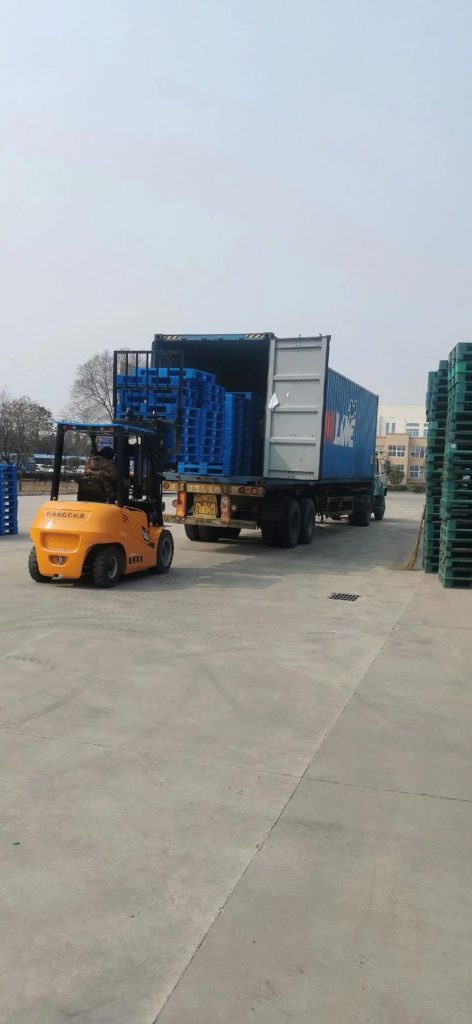
- Global shipping experience: Many factories are proficient in FOB, CIF, and international documentation.
7. Common Challenges and Solutions
Challenges:
- Quality inconsistency among smaller factories.
- Miscommunication on specifications.
- Export documentation errors causing delays.
Solutions:
- Work with certified and experienced manufacturers.
- Test prototypes before bulk orders.
- Use reliable freight forwarders familiar with your destination country.
8. Innovations in Chinese Plastic Pallet Industry
- Stackable & Nestable Designs: Optimize warehouse space.
- Anti-Slip Surfaces & Reinforcements: Reduce product damage.
- Food-Grade Materials: Meet international safety standards.
- Eco-Friendly Options: Use of recycled plastics and recyclable designs.
- Automation Compatibility: Pallets designed for forklifts, pallet jacks, and automated conveyor systems.
9. Logistics and Shipping Tips
9.1 Packaging
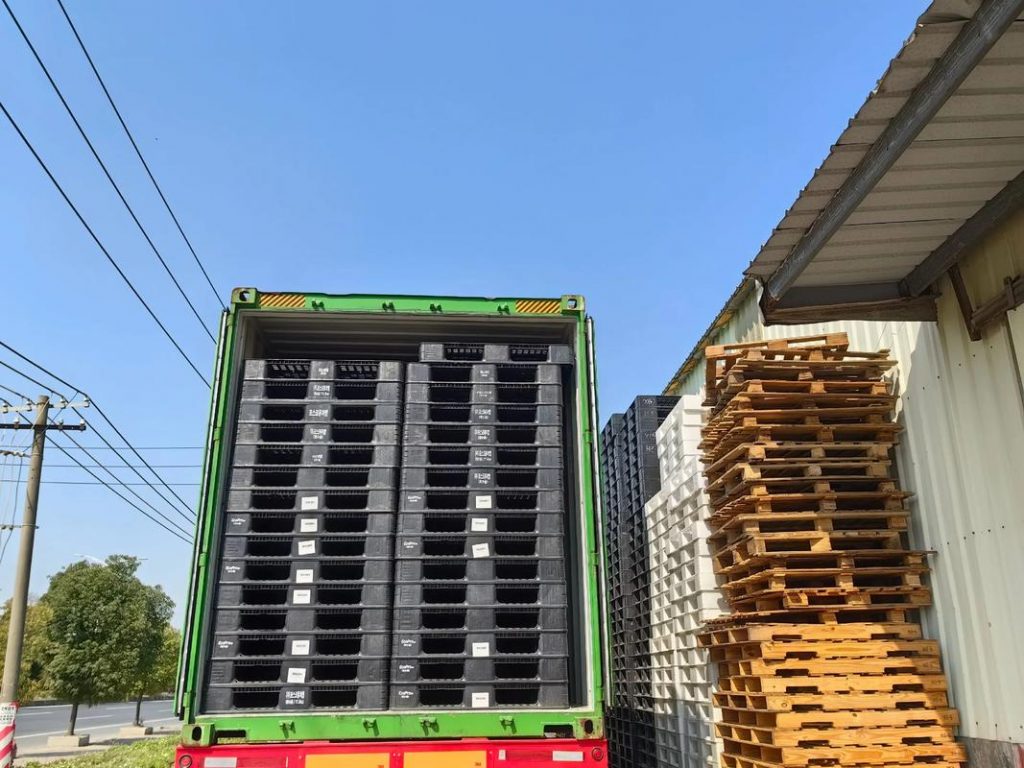
- Stack pallets for transport to minimize space.
- Wrap in protective film to avoid scratches or dirt.
9.2 Shipping Methods
- Sea freight: Cost-effective for bulk orders.
- Air freight: Faster but more expensive.
- Courier: For samples or urgent small orders.
9.3 Export Compliance
- Correct HS codes for customs.
- Certificates for food-grade or industrial-use pallets.
- Verify shipping terms (FOB, CIF) with supplier.
10. Frequently Asked Questions (FAQ)
Q1: How long do plastic pallets last?
A: High-quality HDPE or PP pallets can last 5–10 years under normal use.
Q2: Can pallets be customized?
A: Yes, most reputable factories offer OEM/ODM services including logos, colors, and dimensions.
Q3: Are recycled pallets safe for industrial use?
A: If properly processed and tested for load capacity, recycled pallets are safe and cost-effective.
Q4: What is the minimum order quantity (MOQ)?
A: Typically 500–2000 units depending on size and customization.
Q5: What certifications should I check?
A: ISO9001, SGS/Intertek test reports, and FDA/EU standards for food-grade pallets.
11. Conclusion
China’s plastic pallet manufacturers provide a wide range of high-quality, durable, and customizable products for global buyers. By understanding material options, pallet types, manufacturer credibility, and export logistics, businesses can source pallets that ensure operational efficiency and compliance with international standards. Choosing the right supplier is about quality, trust, and long-term partnership, not just price.


No reply content