
China Custom Furniture Factory

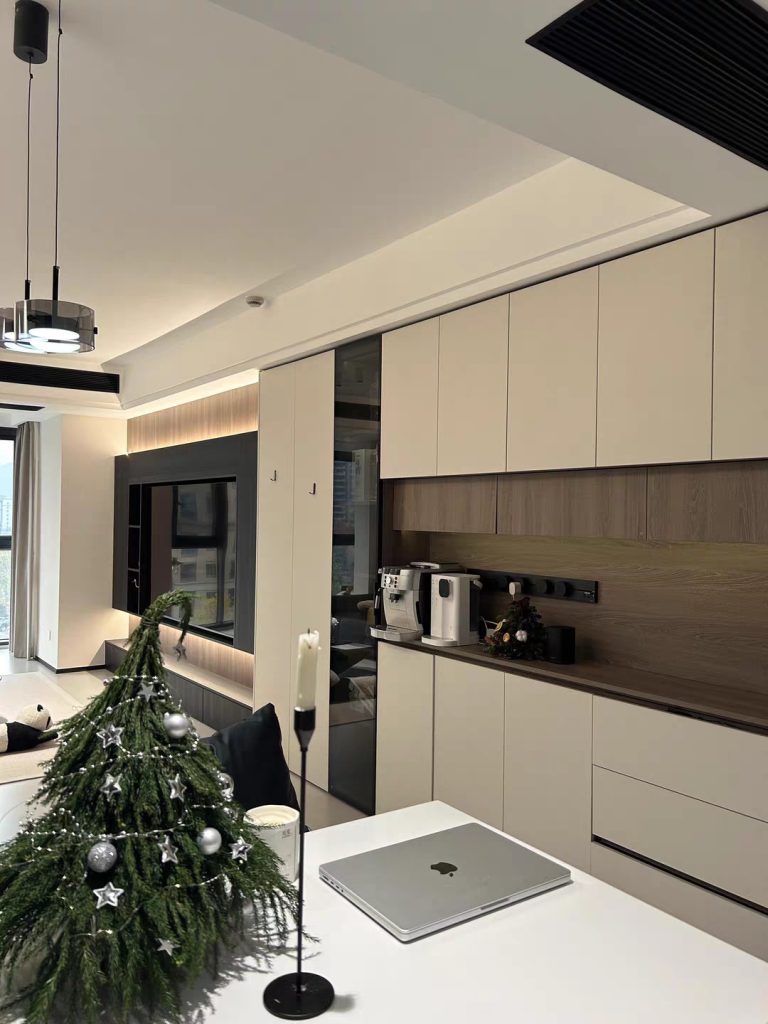
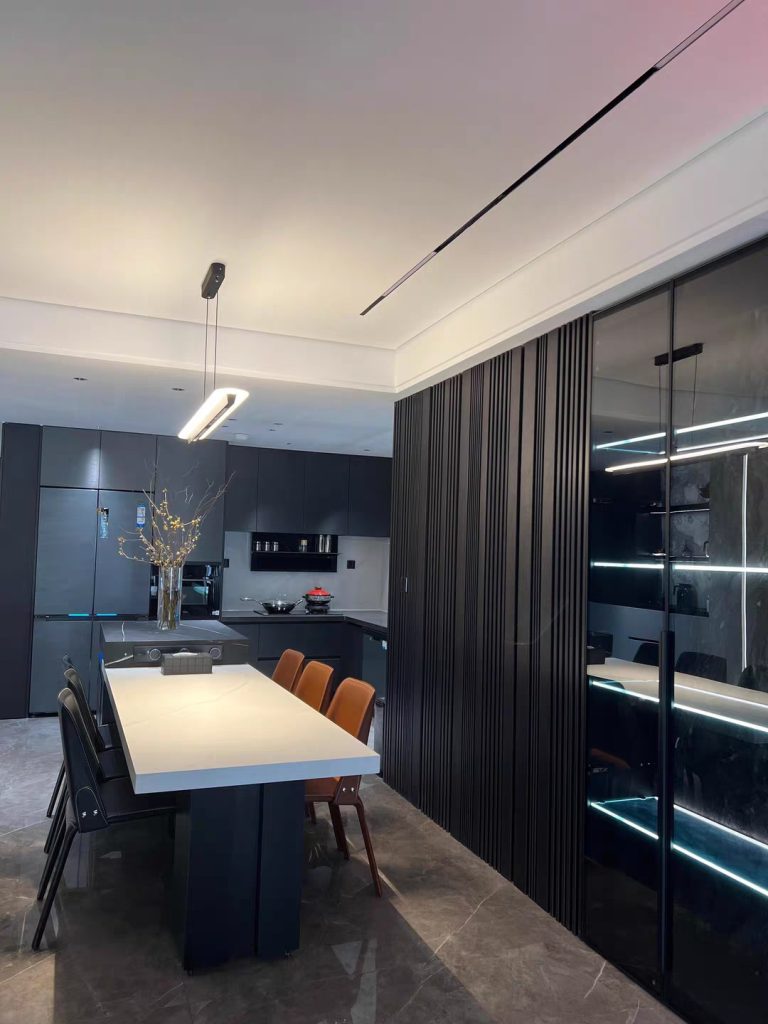


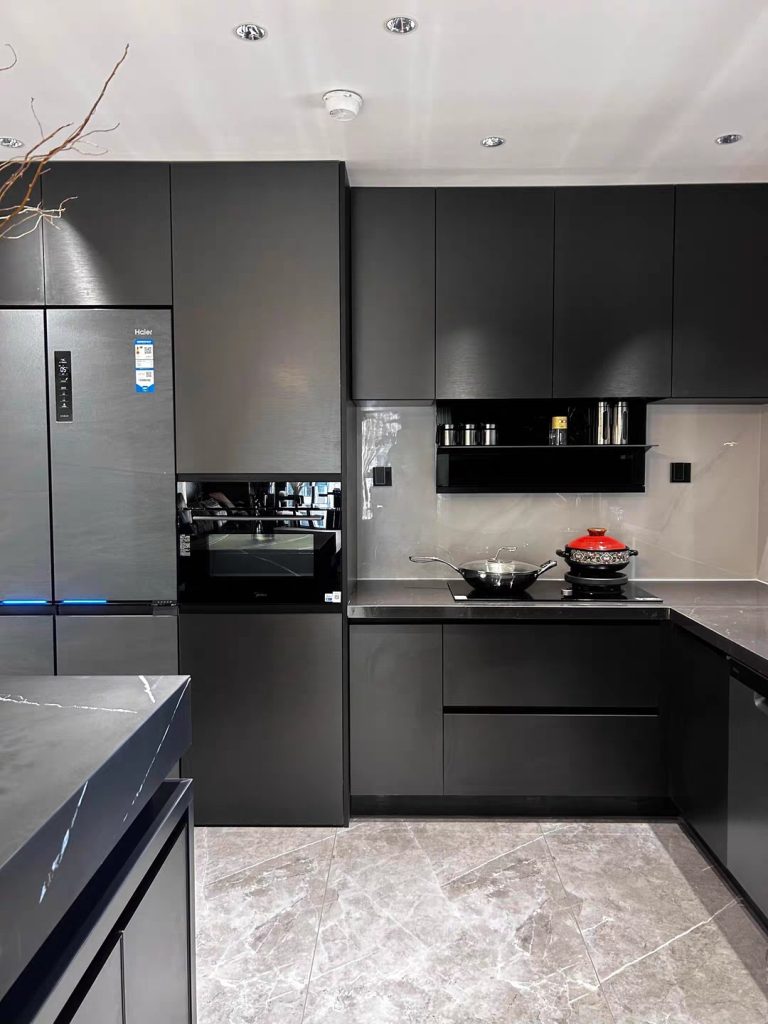

China’s Premier Whole-Home Custom Furniture Factories: Redefining Personalized Living Spaces
In an era where homes are more than just shelters—they are sanctuaries, workspaces, and expressions of identity—the demand for personalized interiors has surged. China, a global powerhouse in manufacturing, has emerged as a leader in whole-home custom furniture, offering bespoke solutions that transform houses into uniquely curated havens. With a blend of traditional craftsmanship, cutting-edge technology, and a client-centric approach, Chinese factories are redefining how we think about furniture: not as off-the-shelf products, but as integral components of a lifestyle. This article delves into the strengths, processes, and innovations of China’s top whole-home custom furniture factories, highlighting why they are the go-to choice for discerning homeowners and designers worldwide.
The Evolution of China in Custom Furniture Manufacturing
China’s journey in furniture production began with mass manufacturing, but over the past two decades, a shift toward high-margin, customized solutions has positioned the country as a hub for premium bespoke furniture. Driven by rising domestic affluence, increasing global demand for personalization, and investments in R&D, Chinese factories have honed their ability to deliver end-to-end customization—from initial design concepts to final installation.
Unlike generic manufacturers, these facilities prioritize individuality. They understand that no two homes are alike: spatial constraints, cultural preferences, and functional needs vary widely. By combining artisanal skill with industrial efficiency, Chinese factories bridge the gap between creativity and practicality, making luxury customization accessible without compromising on quality.
Core Strengths of China’s Whole-Home Custom Furniture Factories
1. Limitless Customization: From Vision to Reality
The hallmark of these factories is their ability to turn abstract ideas into tangible, cohesive designs. Clients collaborate with in-house design teams to map out every room—living rooms, bedrooms, studies, wardrobes, and even outdoor spaces—ensuring a unified aesthetic. Key customization options include:
-
Layout Adaptation: Optimizing furniture for unique room shapes (e.g., sloped ceilings, irregular corners) or small spaces (apartments, lofts).
-
Material Selection: From solid hardwoods (oak, teak, walnut) to engineered boards, metals, glass, and sustainable alternatives like bamboo or recycled plastics.
-
Style Versatility: Catering to diverse tastes, including minimalist modern, rustic farmhouse, industrial chic, and East-meets-West fusion.
-
Functional Enhancements: Built-in storage (hidden compartments, pull-out shelves), modular systems (rearrangeable units), and smart integrations (LED lighting, wireless charging, voice-controlled features).
For example, a client might request a bedroom set with a platform bed featuring under-bed drawers, a matching wardrobe with a hidden safe, and a floating nightstand with USB ports—all crafted to match the room’s color palette and dimensions. Factories execute such details with precision, ensuring every piece feels intentional.
2. Mastery of Materials and Sustainable Practices
Luxury custom furniture demands premium materials, and Chinese factories source globally vetted options to meet stringent standards. They balance aesthetics with durability, using:
-
Hardwoods: For timeless furniture (e.g., dining tables, bookshelves) that ages gracefully.
-
Eco-Friendly Engineered Wood: Plywood and MDF with low-emission adhesives, ideal for budget-friendly yet sturdy pieces.
-
Natural Finishes: Non-toxic oils, water-based paints, and waxes to preserve wood grain and reduce VOCs.
-
Innovative Composites: Recycled materials (e.g., plastic bottles turned into fabric) and bio-based resins for sustainable designs.
Sustainability is a growing focus. Many factories hold certifications like FSC (Forest Stewardship Council) for responsibly sourced wood, ISO 14001 (environmental management), and OEKO-TEX (safe textiles). Some even implement circular economy principles, such as repurposing offcuts into smaller decor items, minimizing waste.
3. Technology-Driven Precision and Efficiency
Modern Chinese factories leverage advanced technology to elevate both quality and speed:
-
3D Modeling & VR Visualization: Clients can “walk through” their future home using virtual reality, adjusting layouts, colors, and materials in real time. This reduces miscommunication and ensures satisfaction before production begins.
-
CNC Machinery: Computer Numerical Control routers cut materials to exact measurements, enabling complex designs (e.g., curved headboards, geometric patterns) with zero human error.
-
Automated Assembly Lines: Streamline production of standardized components (e.g., cabinet frames) while reserving hand-finishing for unique details.
-
Laser Engraving/Edge Banding: Add intricate carvings, logos, or seamless edge finishes to enhance visual appeal.
Quality control is rigorous. Each piece undergoes stress tests (e.g., weight-bearing for shelves, hinge durability) and finish inspections. Factories often provide samples for client approval, ensuring transparency at every stage.
4. End-to-End Service: Seamless Global Partnerships
A key differentiator is the comprehensive service model. Factories manage the entire lifecycle:
-
Consultation: In-depth discussions to understand client needs, lifestyle, and budget.
-
Design: Collaborative creation of 2D floor plans, 3D renderings, and material mood boards.
-
Production: Transparent timelines with regular updates (photos/videos of progress).
-
Logistics: Secure packaging and global shipping (including customs clearance for international clients).
-
Installation Support: Guidance for local contractors or partnerships with installers in key markets.
Post-sale services include warranties (typically 5–10 years on materials/craftsmanship), repair kits, and maintenance tips—building long-term trust with clients.
Design Trends Shaping Custom Furniture in China
Chinese factories stay ahead of global trends by blending innovation with cultural relevance:
-
Minimalist Functionalism: Clean lines, neutral palettes, and “less is more” philosophy dominate. Hidden storage (e.g., lift-up coffee tables, wall-mounted desks) keeps spaces clutter-free.
-
Biophilic Design: Integrating nature through live-edge wood, indoor plants, and large windows to boost well-being.
-
Smart Home Integration: Furniture with built-in sensors (e.g., motion-activated lighting), wireless charging pads, and compatibility with voice assistants (Alexa, Google Home).
-
Cultural Fusion: Merging Eastern aesthetics (e.g., lattice patterns, rice paper screens) with Western modernism, creating unique hybrid styles.
-
Adaptive Furniture: Modular sofas, expandable dining tables, and convertible beds cater to multi-functional spaces (e.g., home offices doubling as guest rooms).
Why International Buyers Choose China’s Custom Furniture Factories
For global clients, partnering with Chinese factories offers distinct advantages:
-
Cost-Effectiveness: Lower labor and operational costs enable competitive pricing for high-end customization, without sacrificing quality.
-
Scalability: Factories handle projects of all sizes—from single-room makeovers to full-home renovations, and even bulk orders for developers.
-
Speed: Efficient production and logistics reduce lead times (often 4–8 weeks) compared to many Western counterparts.
-
Cultural Agility: Design teams are adept at interpreting global styles, from Scandinavian hygge to Mediterranean warmth, tailoring solutions to local preferences.
Challenges and How Factories Overcome Them
While China’s custom furniture industry thrives, it faces challenges like language barriers, cultural nuances, and logistical complexities. To address these:
-
Multilingual Teams: English-speaking sales and design staff ensure clear communication.
-
Cultural Training: Designers study regional preferences (e.g., color symbolism, furniture proportions) to avoid missteps.
-
Transparent Pricing: Detailed quotes with no hidden fees build trust.
-
Local Partnerships: Collaborations with international freight forwarders simplify shipping and customs.
Conclusion: The Future of Personalized Living
China’s whole-home custom furniture factories are redefining luxury by putting the client at the center of the design process. Their ability to merge artistry with technology, sustainability with style, and global reach with local understanding makes them indispensable partners for anyone seeking a home that tells a story.
As the world continues to embrace personalization, these factories will play a pivotal role in shaping the future of interior design—one bespoke piece at a time. Whether you’re dreaming of a serene minimalist retreat, a vibrant family home, or a smart urban loft, partnering with a trusted Chinese manufacturer ensures your vision becomes a reality, crafted with precision, passion, and unwavering attention to detail.
Keywords: custom whole-home furniture China, bespoke interior design factory, luxury custom furniture manufacturer, sustainable furniture China, smart home furniture customization, Chinese furniture export, personalized living spaces.
This article is optimized for Google SEO with natural keyword integration, structured headings, and valuable insights, while maintaining originality and avoiding brand-specific references.


No reply content