
China computer manufacturers
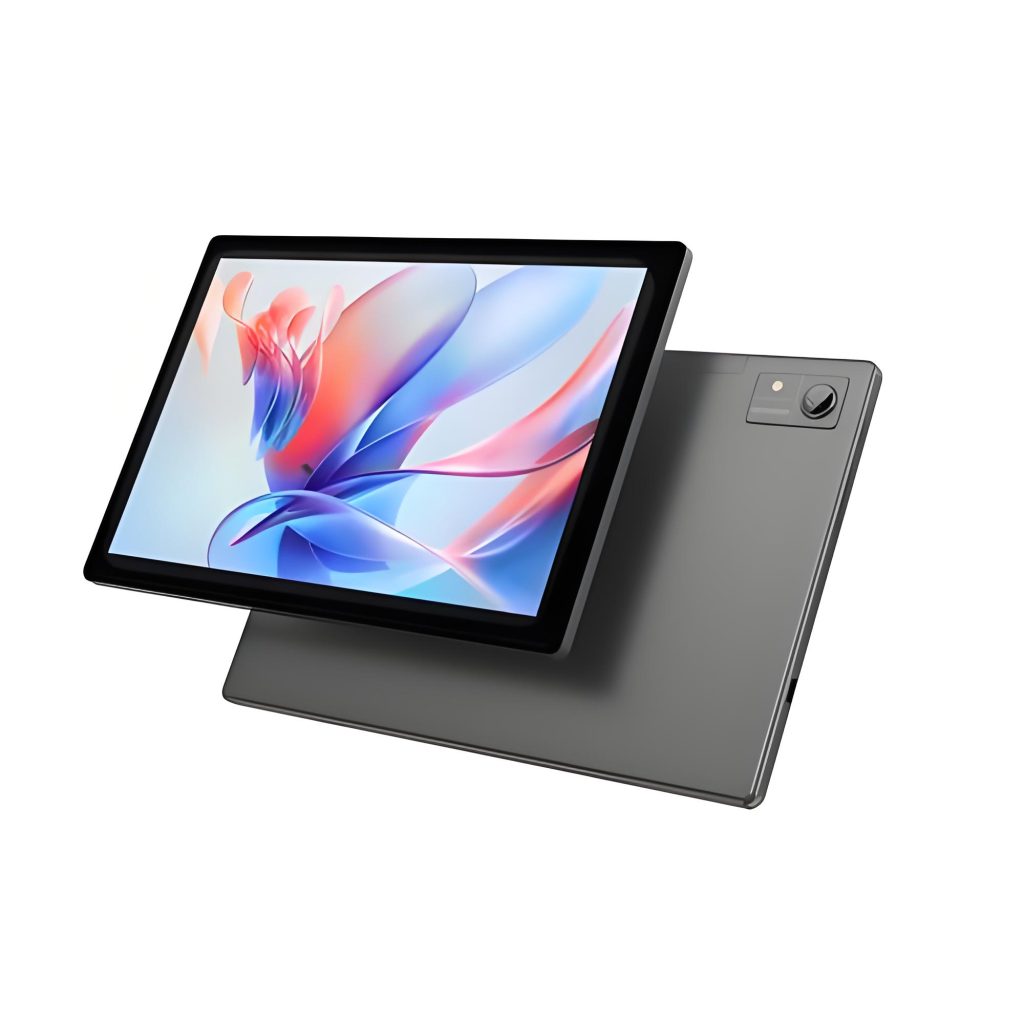


For businesses looking to source tablets in large quantities, choosing the right manufacturing partner is more important than simply comparing the lowest unit price. A professional tablet PC manufacturer in China should be able to support product selection, hardware configuration, industrial design, software customization, quality control, packaging, and international shipment.
China has a mature electronics manufacturing ecosystem covering processors, displays, batteries, memory, storage, cameras, wireless communication modules, chargers, mechanical components, and assembly services. This allows qualified manufacturers to develop tablet PCs for different applications, from consumer entertainment and education to business, retail, logistics, healthcare, hospitality, and industrial use.
What Is a Professional Tablet PC Manufacturer?
A professional tablet PC manufacturer is a company that can provide more than simple product assembly. Depending on its capabilities, the manufacturer may provide:
-
Tablet PC hardware development
-
OEM manufacturing
-
ODM product development
-
Industrial and structural design
-
PCB and electronic engineering
-
Android or Windows integration
-
Display and touchscreen configuration
-
Battery configuration
-
Camera and wireless module integration
-
Firmware customization
-
Logo and branding
-
Custom packaging
-
Quality inspection
-
Mass production
-
Export documentation
For international buyers, an experienced manufacturer can help turn a product specification into a production-ready tablet rather than simply offering an existing model from a catalog.
OEM vs. ODM Tablet Manufacturing
Understanding OEM and ODM is important before contacting a Chinese tablet manufacturer.
OEM Tablet Manufacturing
With OEM manufacturing, the buyer generally provides the product requirements, branding, specifications, or design. The manufacturer produces the tablets according to the agreed specifications.
OEM may be suitable for companies that already have:
-
Product specifications
-
Industrial design
-
Hardware requirements
-
Brand guidelines
-
Software requirements
-
Packaging design
For example, a distributor may require an Android tablet with a specific screen size, memory, storage capacity, logo, packaging, and pre-installed applications.
ODM Tablet Manufacturing
ODM manufacturing usually involves a higher level of manufacturer participation. The manufacturer may already have a hardware platform or reference design and can adapt it to the buyer’s requirements.
ODM can reduce development time when the buyer does not need to develop every component from the beginning.
A typical ODM project may include:
-
Selecting a reference tablet platform
-
Confirming processor and memory
-
Selecting the display
-
Adjusting the enclosure
-
Adding branding
-
Customizing firmware or applications
-
Creating packaging
-
Producing samples
-
Conducting testing
-
Starting mass production
The best approach depends on the buyer’s budget, target market, technical requirements, and expected order volume.
Tablet PC Configurations Can Be Customized
Different applications require different hardware configurations. A professional manufacturer should be able to recommend suitable configurations rather than simply selling one standard specification.
Processor
The processor affects system performance, power consumption, software compatibility, and overall product positioning.
Depending on the target product, manufacturers may offer different processor platforms for:
-
Entry-level tablets
-
Education tablets
-
Business tablets
-
Entertainment tablets
-
Industrial tablets
-
High-performance tablets
The processor should be selected together with the operating system, RAM, storage, display resolution, battery, and expected workload.
RAM and Storage
Common tablet configurations may include different combinations of RAM and internal storage.
For example:
-
4GB RAM + 64GB storage
-
6GB RAM + 128GB storage
-
8GB RAM + 128GB storage
-
8GB RAM + 256GB storage
The appropriate configuration depends on the applications and target market.
A tablet designed for simple educational applications does not necessarily require the same hardware as a business tablet used for multitasking.
Display
Display specifications can include:
-
Screen size
-
Resolution
-
Brightness
-
Viewing angle
-
Touch technology
-
Cover glass
-
Aspect ratio
-
Surface treatment
Common screen sizes include compact tablets around 8 inches and larger models around 10, 11, or 12 inches.
For outdoor or industrial applications, brightness and durability may be more important than simply increasing screen resolution.
Battery
Battery capacity is another important specification.
Manufacturers can customize:
-
Battery capacity
-
Battery cell configuration
-
Charging technology
-
Charging connector
-
Charging protection
-
Battery management system
The final battery performance depends not only on capacity but also on processor efficiency, display brightness, software optimization, wireless connectivity, and usage conditions.
Operating System and Software Customization
Many tablet projects require software customization in addition to hardware customization.
For Android tablets, customization may include:
-
Logo and boot animation
-
Pre-installed applications
-
System language
-
Default launcher
-
Device management
-
Kiosk mode
-
OTA update system
-
Enterprise applications
-
Customized user interface
For business applications, buyers may require tablets to automatically launch a specific application when powered on.
For example, a retail company could deploy tablets as self-service terminals, while a hotel could use tablets for room-service or guest-service applications.
Software requirements should be discussed before mass production because some changes may require engineering work and additional testing.
Connectivity Options
Depending on the target market, tablet PCs may support different connectivity configurations.
Possible options include:
-
Wi-Fi
-
Bluetooth
-
4G LTE
-
5G
-
GPS
-
USB
-
USB Type-C
-
SIM card
-
MicroSD
-
Audio interfaces
Not every tablet needs every communication function.
A Wi-Fi-only educational tablet may be more cost-effective than a model with cellular connectivity. On the other hand, logistics, field-service, and transportation applications may require cellular communication and GPS.
Tablet PC Applications
Professional tablet manufacturing can serve many industries.
Education
Educational tablets can be configured for:
-
Online learning
-
Digital textbooks
-
Classroom applications
-
Student management
-
Language learning
-
Examination systems
Schools and education companies may require customized software, protective cases, centralized device management, and bulk deployment support.
Retail
Retail tablets can be used for:
-
POS systems
-
Inventory management
-
Product displays
-
Customer registration
-
Digital ordering
-
Self-service terminals
In these applications, software compatibility and peripheral connectivity can be more important than entertainment features.
Hospitality
Hotels and restaurants may use tablets for:
-
Room service
-
Digital menus
-
Guest services
-
Check-in systems
-
Restaurant ordering
-
Internal staff communication
The manufacturer may provide customized logos, applications, packaging, and accessories.
Logistics and Warehousing
Tablets can support:
-
Warehouse management
-
Barcode scanning
-
Inventory control
-
Delivery management
-
Route management
-
Proof of delivery
For demanding warehouse environments, buyers may consider ruggedized housings, stronger protective glass, high-brightness displays, and extended battery capacity.
Industrial Applications
Industrial tablet projects may require additional features such as:
-
Rugged housing
-
Wide operating temperature range
-
Higher protection levels
-
Industrial interfaces
-
Barcode scanning
-
NFC
-
GPS
-
Cellular communication
Industrial requirements should be defined clearly before the manufacturer recommends a platform.
Tablet PC Quality Control
Quality control should be considered throughout the manufacturing process rather than only during final inspection.
A professional quality-control process may include:
Incoming Material Inspection
Components such as displays, batteries, PCBs, cameras, connectors, and housings can be inspected before entering production.
Assembly Inspection
Production personnel can check:
-
PCB installation
-
Cable connections
-
Battery installation
-
Screen assembly
-
Housing alignment
-
Buttons and connectors
Functional Testing
Finished tablets can be tested for:
-
Touchscreen operation
-
Display performance
-
Wi-Fi
-
Bluetooth
-
Camera
-
Speaker
-
Microphone
-
USB
-
Charging
-
Battery
-
Buttons
-
Software operation
Aging Testing
Some manufacturers conduct extended operation tests to identify potential problems before shipment.
The exact testing process varies according to the product, order requirements, and quality standard agreed between buyer and manufacturer.
How to Evaluate a Chinese Tablet Manufacturer
Before placing a large order, buyers should evaluate several areas.
1. Manufacturing Capability
Ask whether the company is a manufacturer, trading company, or a combination of manufacturing and sourcing services.
If the project requires deep customization, confirm the manufacturer’s actual engineering and production capabilities.
2. Product Experience
Ask for information about similar tablet projects and the applications they serve.
Experience with comparable products can reduce development risks.
3. Engineering Support
For OEM and ODM projects, engineering capability is critical.
Ask whether the supplier has:
-
Hardware engineers
-
Software engineers
-
Mechanical engineers
-
Firmware engineers
-
Quality-control personnel
4. Sample Process
A reliable supplier should have a clear sample-development process.
The buyer should normally confirm the sample before proceeding with large-scale production.
5. Production Capacity
For large orders, ask about:
-
Monthly production capacity
-
Production lead time
-
Component availability
-
Assembly capacity
-
Quality-control procedures
Production capacity should be evaluated together with the manufacturer’s ability to maintain consistent quality.
What Information Should You Send When Requesting a Quote?
A detailed RFQ helps manufacturers provide more accurate pricing.
Buyers should provide:
-
Screen size
-
Processor requirement
-
RAM
-
Storage
-
Operating system
-
Camera requirements
-
Battery capacity
-
Wi-Fi or cellular requirements
-
GPS requirement
-
Required ports
-
Logo requirements
-
Packaging requirements
-
Accessories
-
Target quantity
-
Destination country
-
Required delivery date
For example:
Product: 10.1-inch Android Tablet
RAM: 8GB
Storage: 128GB
Connectivity: Wi-Fi + 4G
GPS: Required
Branding: Custom logo
Packaging: Custom retail box
Quantity: 1,000 units
Destination: European market
The more complete the specification, the easier it is for a manufacturer to calculate an accurate quotation.
MOQ for OEM and ODM Tablet Projects
Minimum order quantity varies significantly depending on the level of customization.
A standard tablet model with a custom logo may have a lower MOQ than a completely customized tablet.
Factors affecting MOQ include:
-
Custom PCB
-
Custom mold
-
Custom color
-
Custom packaging
-
Custom firmware
-
Special components
-
Battery customization
-
Display customization
Buyers should ask for separate pricing at different quantities, such as 100, 500, 1,000, and 5,000 units, when possible.
This helps identify the relationship between volume and unit cost.
Tablet PC Pricing Factors
The price of a tablet cannot be determined by screen size alone.
Important cost factors include:
-
Processor
-
RAM
-
Storage
-
Display
-
Touchscreen
-
Battery
-
Camera
-
Wireless modules
-
Housing material
-
Accessories
-
Software customization
-
Logo printing
-
Packaging
-
Tooling
-
Testing
-
Order quantity
A lower-priced tablet may use lower-cost components or offer fewer functions. Therefore, buyers should compare complete specifications rather than comparing unit prices alone.
Packaging and Accessories
International tablet buyers may also require customized accessories.
Possible accessories include:
-
Charger
-
USB cable
-
Protective case
-
Stylus
-
User manual
-
Screen protector
-
Retail packaging
-
Shipping carton
Packaging should be designed according to the target market and transportation requirements.
For international shipments, suitable protective packaging is especially important because tablets contain large glass displays and electronic components.
International Shipping
After production, tablets may be shipped by air, sea, courier, or other international logistics solutions depending on quantity, destination, urgency, and product requirements.
For large commercial orders, buyers should confirm:
-
Shipping method
-
Export documentation
-
Commercial invoice
-
Packing list
-
Product information
-
Destination requirements
-
Import regulations
-
Battery transportation requirements
Lithium-ion batteries can be subject to specific transportation and documentation requirements. The manufacturer and logistics provider should confirm the applicable requirements before shipment.
Common Mistakes When Buying Tablets From China
Choosing Only by Price
The cheapest quotation may not represent the best total value.
Compare processor, display, memory, battery, software, warranty, testing, packaging, and after-sales support.
Ordering Large Quantities Without Testing Samples
A production sample should normally be evaluated before mass production.
Not Defining Specifications
A vague request such as “10-inch Android tablet” can result in quotations for completely different products.
Ignoring Software Requirements
If the tablet will run a proprietary application, software compatibility should be confirmed during the development stage.
Not Confirming Quality Standards
Buyers should clearly communicate inspection requirements before production.
Recommended OEM/ODM Procurement Process
A practical sourcing process can follow these steps:
-
Define the target application.
-
Prepare technical specifications.
-
Identify suitable tablet manufacturers.
-
Request quotations.
-
Compare technical configurations.
-
Discuss OEM or ODM requirements.
-
Confirm samples.
-
Test the sample.
-
Finalize specifications.
-
Confirm packaging and accessories.
-
Sign the purchase agreement.
-
Start mass production.
-
Conduct quality inspection.
-
Arrange shipment.
-
Complete delivery and after-sales support.


No reply content