
China computer manufacturers


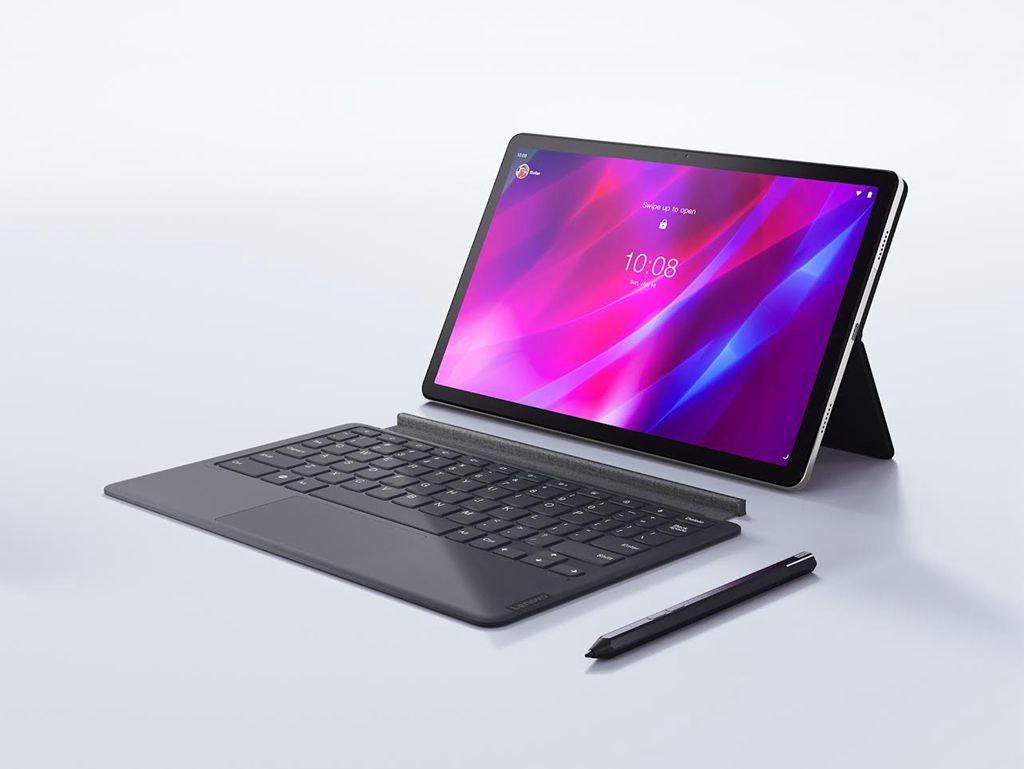
Choosing the right tablet PC factory in China is an important decision for importers, distributors, retailers, technology companies, schools, and businesses that need tablets in commercial quantities. A suitable factory can provide standard tablet models, private-label products, OEM manufacturing, or ODM development according to the buyer’s requirements.
However, buying tablets directly from a factory requires more than comparing quotations. Buyers need to evaluate hardware configuration, software compatibility, production capability, quality control, customization options, minimum order quantity, certifications, packaging, and international shipping requirements.
This guide explains how businesses can source customized tablet PCs from a Chinese factory for both commercial and consumer applications.
What Is a China Tablet PC Factory?
A tablet PC factory is a manufacturing company involved in assembling and producing tablet computers. Depending on its capabilities, a factory may also provide product development, hardware integration, software customization, testing, packaging, and OEM/ODM services.
A tablet production process can involve multiple stages:
-
Component sourcing
-
Incoming material inspection
-
PCB assembly and electronic integration
-
Display and touchscreen assembly
-
Battery installation
-
Housing assembly
-
Software installation
-
Functional testing
-
Aging or reliability testing
-
Final inspection
-
Packaging
-
Shipment preparation
Not every company advertising itself as a “factory” performs every stage internally. Some manufacturers work with specialized suppliers for displays, batteries, PCBs, processors, or other components.
For this reason, buyers should verify what manufacturing and engineering work is actually performed by the supplier.
Standard Tablets vs. Custom Tablets
Chinese tablet factories can generally provide several sourcing models.
Standard Tablet Models
A standard model uses an existing design and configuration.
This is usually the simplest option when a buyer wants:
-
Faster procurement
-
Lower development costs
-
Established hardware
-
Standard specifications
-
Private-label branding
The buyer may only need to customize the logo and packaging.
Private Label Tablets
Private-label manufacturing allows a buyer to sell an existing tablet under its own brand.
Customization may include:
-
Brand logo
-
Startup logo
-
Packaging
-
User manual
-
Product label
-
Accessories
-
Color options
This can be suitable for distributors and retailers that want their own brand without developing a completely new tablet.
OEM Tablets
OEM production is based on specific buyer requirements.
A buyer may specify:
-
Screen size
-
Processor
-
RAM
-
Storage
-
Battery
-
Camera
-
Network
-
Ports
-
Housing
-
Software
-
Branding
The factory then produces the tablet according to the agreed specification.
ODM Tablets
ODM projects generally involve adapting an existing platform or developing a product with the manufacturer’s engineering team.
An ODM project may involve:
-
Product design
-
Hardware selection
-
Mechanical design
-
Firmware
-
Android customization
-
Prototype development
-
Testing
-
Mass production
ODM is particularly useful when the buyer has a product concept but does not have a complete tablet engineering team.
Custom Tablet PC Hardware
A professional factory should be able to help buyers select hardware according to the intended application.
Processor
The processor is one of the most important components of a tablet.
It affects:
-
Processing performance
-
Power consumption
-
Operating system compatibility
-
Application compatibility
-
Thermal performance
-
Product positioning
The appropriate processor should be selected according to the intended workload rather than simply choosing the highest-performance option.
RAM
RAM affects multitasking and application performance.
Typical commercial configurations may include different RAM capacities depending on the platform and market.
For basic applications, moderate RAM may be sufficient. Business users running multiple applications may require a higher configuration.
Internal Storage
Storage can be customized according to application requirements.
Common configurations may include:
-
64GB
-
128GB
-
256GB
Storage requirements should be evaluated based on operating system size, applications, customer usage, and whether expandable storage is required.
Tablet Display Customization
The display is one of the most visible parts of a tablet and has a major effect on the user’s experience.
Important parameters include:
-
Screen size
-
Resolution
-
Brightness
-
Touch technology
-
Viewing angle
-
Cover glass
-
Aspect ratio
-
Surface treatment
A consumer tablet may prioritize image quality and viewing experience, while an industrial tablet may prioritize brightness, durability, and readability.
The display should therefore be selected according to the target application.
Battery and Power Design
Battery capacity affects operating time, weight, dimensions, and product cost.
A factory may provide different battery options depending on the tablet platform.
Battery design should consider:
-
Capacity
-
Physical dimensions
-
Charging requirements
-
Battery management
-
Protection functions
-
Operating temperature
-
Expected usage time
Simply increasing battery capacity does not automatically guarantee longer operating time. Processor efficiency, display brightness, software, network connectivity, and usage patterns also affect battery life.
Connectivity Options
Tablet PCs can be configured with different connectivity features.
Depending on the model, options may include:
-
Wi-Fi
-
Bluetooth
-
4G LTE
-
5G
-
GPS
-
USB Type-C
-
SIM
-
MicroSD
-
NFC
For example, a business tablet may require cellular connectivity for employees working outside the office.
A warehouse tablet may require GPS, 4G, Bluetooth, and barcode-scanning compatibility.
A home entertainment tablet may only need Wi-Fi and Bluetooth.
Software Customization
Hardware is only one part of a customized tablet project.
For Android-based products, factories with appropriate software capabilities may provide:
-
Custom launcher
-
Brand logo
-
Boot animation
-
Pre-installed applications
-
Language configuration
-
Kiosk mode
-
Device management
-
System-level customization
-
OTA update support
For example, a retail company may want a tablet that automatically launches its ordering application when the device starts.
Businesses should communicate these requirements before sample development.
Tablets for Business Applications
Business tablets may be used in:
-
Sales
-
Customer service
-
Inventory
-
Field service
-
Retail
-
Transportation
-
Hospitality
-
Logistics
Business buyers may prioritize reliability, battery life, connectivity, software compatibility, and long-term product availability.
For large deployments, consistent hardware specifications are especially important because replacing a component or changing the platform can affect software compatibility.
Tablets for Consumer Applications
Consumer tablet projects often focus on:
-
Screen quality
-
Performance
-
Battery life
-
Appearance
-
Camera
-
Audio
-
Wireless connectivity
-
Storage
-
Price
For consumer products, industrial design and packaging can also have a major impact on market positioning.
A factory may provide different housing materials and finishes depending on the product concept.
Industrial and Rugged Tablet Options
Industrial applications can require substantially different specifications from ordinary consumer tablets.
Potential requirements include:
-
Reinforced housing
-
Protective screen
-
Dust and water resistance
-
Wider operating temperature range
-
High-brightness display
-
Long battery life
-
GPS
-
4G/5G
-
Barcode scanning
-
NFC
-
Specialized ports
Not every tablet factory is equipped to produce rugged devices. Buyers should specifically ask for evidence of relevant manufacturing experience.
Tablet PC Quality Control
Quality control should be established from incoming components through final packaging.
Incoming Material Inspection
Factories may inspect:
-
Displays
-
PCBs
-
Batteries
-
Memory
-
Storage
-
Cameras
-
Housings
-
Connectors
Assembly Inspection
During assembly, quality personnel can check:
-
Component installation
-
Cable connections
-
Battery placement
-
Screen alignment
-
Housing fit
-
Buttons
-
Connectors
Functional Testing
Each production batch may be tested for functions such as:
-
Touchscreen
-
Display
-
Wi-Fi
-
Bluetooth
-
Camera
-
Speaker
-
Microphone
-
USB
-
Charging
-
Battery
-
Software
The exact inspection level should be agreed between buyer and factory.
Sample Testing Before Mass Production
A sample should be treated as a critical approval stage.
Buyers should test the actual tablet rather than relying only on a specification sheet.
Testing can include:
Hardware
-
Display
-
Touchscreen
-
Buttons
-
Cameras
-
Speakers
-
Microphone
-
USB ports
-
SIM slot
-
Memory
-
Storage
Connectivity
-
Wi-Fi
-
Bluetooth
-
Cellular network
-
GPS
-
NFC, if applicable
Software
-
System stability
-
Application compatibility
-
Startup process
-
Language
-
Customized functions
-
Device management
Battery
Test charging and practical operating performance under realistic conditions.
For a large commercial order, sample approval should be documented clearly before mass production.
MOQ for Customized Tablets
Minimum order quantities depend on the type of project.
A standard tablet with a printed logo may have a lower MOQ than a tablet requiring:
-
Custom mold
-
Custom PCB
-
Special battery
-
Customized display
-
New enclosure
-
Firmware development
-
Special packaging
Buyers should ask the factory for the MOQ of both standard and customized configurations.
Tablet PC Manufacturing Costs
The factory price depends on many factors.
Major cost components include:
Cost Factor |
Possible Impact |
|---|---|
Processor |
Performance and platform cost |
Display |
Size, resolution, brightness, and touch technology |
RAM |
Higher capacity can increase cost |
Storage |
Capacity and memory type affect price |
Battery |
Capacity and design affect cost |
Camera |
Sensor and module specifications |
Connectivity |
Cellular and wireless modules |
Housing |
Plastic, metal, design, and tooling |
Software |
Custom development can add engineering cost |
Packaging |
Custom boxes and printed materials |
Quantity |
Larger orders may improve unit economics |
Tooling |
New molds may require additional investment |
A reliable quotation should clearly explain what is included.
How to Request a Factory Quotation
A buyer should provide a detailed RFQ.
For example:
Product: Custom Android Tablet PC
Application: Business
Screen: 10.1-inch
RAM: 8GB
Storage: 128GB
Network: Wi-Fi + 4G LTE
GPS: Required
Camera: Front and rear
Logo: Custom
Packaging: Private-label retail box
Accessories: Charger + USB cable
Quantity: 1,000 units
Destination: Target country
This information allows the factory to provide a more accurate quotation.
How to Verify a Tablet Factory in China
Before placing a large order, buyers should evaluate the supplier systematically.
Company Information
Confirm:
-
Legal company name
-
Business registration information
-
Factory location
-
Main products
-
Export experience
Manufacturing Capability
Ask about:
-
Production lines
-
Monthly capacity
-
Engineering team
-
Quality-control department
-
Testing equipment
Product Experience
Ask whether the supplier has experience with products similar to your intended application.
A company producing basic consumer tablets may not necessarily be suitable for a rugged industrial tablet project.
Sample
Always evaluate a physical sample when possible.
Factory Audit
For larger projects, an independent factory audit can provide additional information about:
-
Production facilities
-
Quality systems
-
Workforce
-
Equipment
-
Inventory
-
Production capacity
Certifications and Compliance
Certification requirements vary by country and product configuration.
The relevant requirements can depend on:
-
Destination market
-
Wireless functions
-
Charger
-
Battery
-
Radio modules
-
Electrical specifications
-
Environmental regulations
Buyers should identify the requirements for their target market before production.
It is important to verify that documents apply to the actual product model and configuration being purchased.
Packaging for International Distribution
If the tablet is sold through retailers or e-commerce channels, packaging is part of the product.
Customized packaging can include:
-
Retail box
-
Brand logo
-
Product specifications
-
User manual
-
Warranty information
-
Charger
-
USB cable
-
Protective case
-
Shipping carton
The packaging should also provide sufficient protection during international transportation.
International Shipping
Tablets commonly contain lithium-ion batteries, so international shipping requires appropriate handling.
Before shipment, buyers should confirm:
-
Battery information
-
Shipping method
-
Commercial invoice
-
Packing list
-
Product description
-
Required transport documentation
-
Import requirements
-
Packaging requirements
Sea freight can be considered for larger commercial shipments when delivery speed is less critical, while air transportation may be suitable for smaller or more urgent orders.
The appropriate shipping method depends on quantity, weight, volume, destination, urgency, and applicable transportation rules.
Common Problems When Buying From a China Tablet Factory
Problem 1: Comparing Different Specifications
Two suppliers may quote similar prices for tablets with completely different processors, displays, batteries, or memory.
Solution: Create a standardized comparison sheet.
Problem 2: Buying Without a Sample
Production problems can become expensive after thousands of units have been manufactured.
Solution: Test and approve the sample before mass production.
Problem 3: Ignoring Software
Hardware may meet the specification while the customer’s application does not perform correctly.
Solution: Test the actual software environment during sample evaluation.
Problem 4: Changing Specifications After Production Starts
Changing components after production begins can cause delays and additional costs.
Solution: Finalize the technical specification before mass production.
Problem 5: Focusing Only on Factory Price
The lowest factory price may not produce the lowest total cost.
Solution: Compare product quality, warranty, packaging, shipping, inspection, and other costs.
Recommended Tablet Procurement Process
A professional purchasing process can follow these stages:
-
Define the target application.
-
Establish technical requirements.
-
Select potential Chinese tablet factories.
-
Compare factory capabilities.
-
Request detailed quotations.
-
Confirm MOQ and lead time.
-
Order samples.
-
Test the samples.
-
Finalize hardware and software.
-
Confirm packaging and accessories.
-
Sign the purchase agreement.
-
Begin production.
-
Conduct quality inspection.
-
Complete export documentation.
-
Arrange international shipping.
-
Monitor after-sales performance.


No reply content