
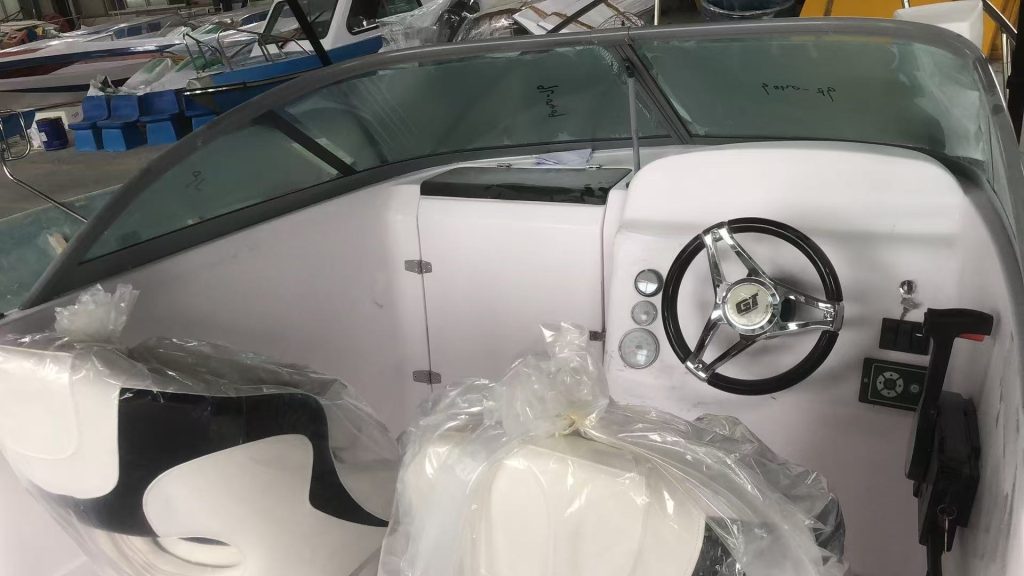
Buying a customized yacht from a Chinese factory can be an attractive option for yacht dealers, importers, charter companies, marine businesses, and private buyers. Customization allows the vessel to match specific market demands, local regulations, operating conditions, and customer preferences more closely than a standard production model.
China’s yacht manufacturing sector has developed strong capabilities in both semi-custom and fully custom projects. Many factories can adapt existing designs or develop new ones according to the buyer’s requirements for size, layout, performance, systems, and branding. Success depends on clear communication, a well-defined brief, and choosing a manufacturer with the right experience.
This guide explains how international buyers can effectively customize a yacht with a Chinese factory for their target market.
### Why Customize a Yacht?
Standard production yachts are designed for broad appeal. Customization becomes valuable when buyers need:
– Specific length, beam, or draft for local conditions or marina restrictions
– Layout changes for charter, private use, or commercial operation
– Higher or lower performance targets
– Compliance with particular market regulations or certification requirements
– Brand identity and private-label features for dealers
– Special systems (electric/hybrid propulsion, long-range capability, fishing equipment, etc.)
– Interior styles and materials suited to regional customer tastes
A well-executed custom or semi-custom project can deliver a yacht that fits the market better and supports stronger sales or ownership satisfaction.
### Levels of Customization
Chinese factories typically offer different levels of customization:
**1. Semi-Custom**
Based on an existing hull or design with modifications to layout, interior, systems, and exterior details. This approach balances cost, lead time, and personalization.
**2. Fully Custom**
New design developed according to the buyer’s requirements. Higher cost and longer timeline, but maximum flexibility.
**3. OEM / Private Label**
The factory builds to the buyer’s brand and specifications, often for dealers or importers who want their own model line.
Understanding which level you need helps set realistic expectations for price, time, and engineering input.
### Key Areas That Can Be Customized
#### 1. Size and Exterior Design
– Overall length, beam, and draft
– Hull form and performance characteristics
– Superstructure style and profile
– Deck layout and outdoor living areas
– Swim platform, tender garage, or special features
#### 2. Interior Layout and Accommodation
– Number and size of cabins
– Salon, galley, and dining arrangements
– Crew areas (if required)
– Storage and technical spaces
– Flow and usability for the intended use (private, charter, commercial)
#### 3. Materials and Finish Level
– Hull and deck construction materials
– Interior joinery style and materials
– Upholstery, flooring, and soft finishes
– Exterior hardware and fittings
#### 4. Propulsion and Performance
– Engine brand, power, and configuration
– Conventional diesel, hybrid, or full electric systems
– Speed and range targets
– Fuel capacity and efficiency considerations
#### 5. Systems and Equipment
– Electrical and power management systems
– Air conditioning and heating
– Navigation and communication electronics
– Plumbing, water makers, and waste systems
– Safety and regulatory equipment
#### 6. Branding and Market-Specific Features
– Exterior and interior branding elements
– Model naming and badging
– Features required by local customers or regulations
– Documentation and manuals in the required language
### How to Prepare a Clear Customization Brief
A detailed brief is the foundation of a successful custom project. Include:
– Target market and intended use
– Preferred size range and key dimensions
– Layout priorities and must-have features
– Performance expectations
– Preferred materials and finish level
– Propulsion preferences
– Required certifications or standards
– Branding or OEM requirements
– Target budget range
– Desired delivery timeline
The more precise the brief, the more accurate the manufacturer’s proposal and the lower the risk of misunderstandings later.
### Working Process with a Chinese Yacht Factory
A typical customization process includes:
1. **Initial inquiry and capability check** – Confirm the factory can handle the type and size of project.
2. **Brief submission and discussion** – Share your requirements and review the factory’s feedback.
3. **Concept design and preliminary proposal** – Layout options, preliminary specifications, and budget estimate.
4. **Detailed design and engineering** – Final drawings, systems integration, and technical specifications.
5. **Contract and deposit** – Clear scope, price, payment milestones, and inspection rights.
6. **Construction with progress updates** – Regular reports, photos, and agreed inspection points.
7. **Sea trial, final inspection, and delivery** – Verification that the yacht matches the agreed specification.
Clear milestone definitions and communication protocols help keep the project on track.
### Important Points for Market Adaptation
When customizing for a specific market, pay special attention to:
– Local regulations and certification requirements
– Customer preferences for layout, style, and equipment
– Climate-related needs (air conditioning capacity, ventilation, sun protection, etc.)
– Operating conditions (coastal, offshore, shallow water, etc.)
– After-sales support and spare parts availability in the target region
Discuss these points early with the manufacturer so they can be incorporated into the design and specification.
### Common Mistakes to Avoid
– Providing only vague requirements and expecting the factory to “figure it out”
– Changing major specifications late in the design or construction process
– Focusing only on price without clarifying quality and systems standards
– Ignoring certification and compliance needs until late in the project
– Failing to plan for inspection and acceptance procedures
### Conclusion
Customizing a yacht with a Chinese factory offers international buyers the opportunity to create a vessel tailored to their market, customers, and operating needs. The key to success is a clear brief, realistic expectations about the level of customization, and close cooperation with a manufacturer that has the right design, engineering, and production capabilities.
By defining requirements carefully, communicating openly, and managing the project through clear stages and inspections, buyers can achieve a customized yacht that meets both commercial and technical goals.
If you are considering a custom or semi-custom yacht project for your market, start by preparing a detailed requirements brief, then discuss it with manufacturers who have relevant experience in similar vessels.


No reply content