
China Surfboard Yacht Customization Factory

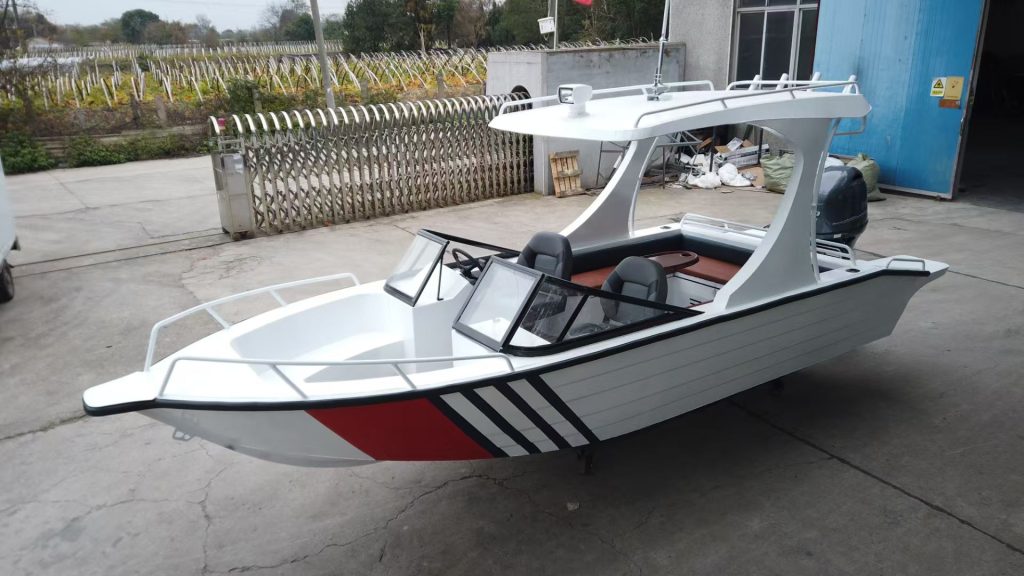
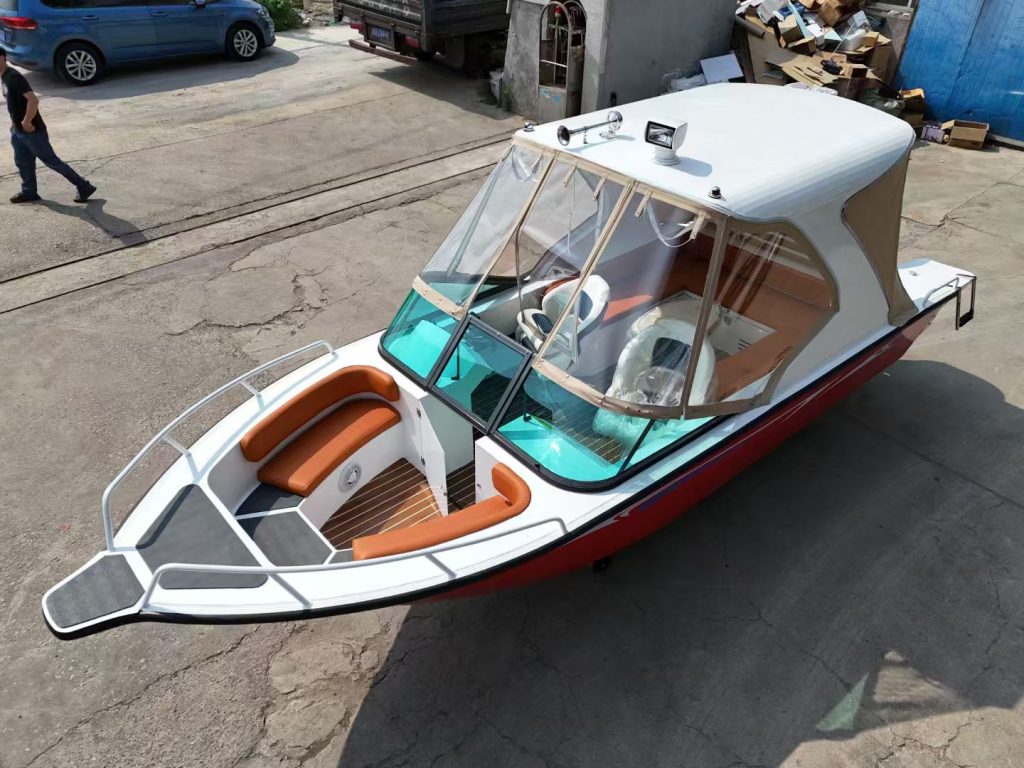
Buying a customized yacht from a Chinese factory can be an attractive option for yacht dealers, importers, charter companies, tourism operators, marine businesses, and private owners.
However, a yacht designed for one market may not be suitable for another. Climate, navigation conditions, passenger requirements, regulations, engine configuration, interior preferences, electrical standards, and after-sales support can all differ between countries.
A successful customization project therefore starts with the target market, rather than simply choosing a yacht model and changing its color or logo.
This guide explains how to customize a yacht for a specific market and what buyers should discuss with a Chinese yacht manufacturer.
1. Start With the Target Market
Before discussing customization, identify where and how the yacht will be used.
Important information includes:
-
Destination country
-
Operating area
-
Private or commercial use
-
Freshwater or seawater
-
Climate
-
Typical passenger capacity
-
Cruising distance
-
Required speed
-
Marina conditions
-
Local regulations
-
Maintenance capabilities
For example, a yacht intended for tropical coastal cruising may need different air-conditioning, ventilation, sun protection, and corrosion-control solutions from a yacht intended for colder waters.
2. Define the Main Purpose of the Yacht
The yacht’s purpose should determine its configuration.
Private Yacht
A private yacht may prioritize:
-
Comfort
-
Interior design
-
Entertainment
-
Cabins
-
Privacy
-
Storage
-
Cruising range
Charter Yacht
A charter yacht may prioritize:
-
Passenger capacity
-
Durability
-
Easy cleaning
-
Easy maintenance
-
Safety
-
Efficient use of space
Fishing Yacht
A fishing-focused yacht may require:
-
Fishing deck
-
Rod holders
-
Fish boxes
-
Live wells
-
Equipment storage
-
Specialized electronics
Tourism Yacht
Tour operators may need:
-
More seating
-
Passenger circulation
-
Shade
-
Boarding access
-
Safety equipment
-
Commercial compliance
The same hull platform can therefore require substantially different configurations depending on its application.
3. Choose the Right Yacht Size
Size should be based on the intended operating environment and passenger requirements.
Important dimensions include:
-
Overall length
-
Beam
-
Draft
-
Height
-
Displacement
-
Fuel capacity
-
Water capacity
A larger yacht provides more space but may also require:
-
More powerful engines
-
Greater fuel consumption
-
Larger berthing space
-
More maintenance
-
Higher transportation costs
The manufacturer should evaluate the complete vessel rather than simply increasing size to meet an individual requirement.
4. Customize the Hull for Local Conditions
The hull is one of the most important components to consider when adapting a yacht for a specific market.
The design can affect:
-
Stability
-
Speed
-
Fuel efficiency
-
Maneuverability
-
Draft
-
Ride comfort
-
Load capacity
For coastal waters with shallow areas, draft may become an important consideration.
For longer offshore cruising, stability, fuel capacity, seaworthiness, and redundancy may receive greater attention.
Any significant hull modification should be evaluated by qualified naval architecture and engineering professionals.
5. Select the Appropriate Hull Material
Depending on the yacht design, common materials include:
-
Fiberglass
-
Aluminum
-
Steel
Fiberglass
Fiberglass is widely used for recreational yachts and can support complex exterior shapes.
Aluminum
Aluminum can be useful for certain lightweight or specialized vessels.
Steel
Steel may be appropriate for particular larger or specialized vessels.
The correct material depends on the yacht’s size, operating environment, structural requirements, design, and maintenance expectations.
6. Customize the Engine Configuration
Engine selection should match the yacht’s:
-
Hull
-
Weight
-
Passenger load
-
Cruising speed
-
Maximum speed
-
Operating environment
-
Range
Possible propulsion systems include:
-
Outboard
-
Inboard
-
Diesel
-
Gasoline
-
Waterjet
-
Hybrid
When requesting a quotation, specify the exact engine model or minimum technical requirements where possible.
Do not compare one quotation with a 300-horsepower engine against another quotation with a different engine configuration without adjusting the comparison.
7. Adapt the Yacht to the Local Climate
Climate can have a significant influence on yacht design.
Tropical Markets
Potential considerations include:
-
Higher-capacity air conditioning
-
Sun protection
-
Ventilation
-
UV-resistant materials
-
Corrosion protection
-
Refrigeration
-
Outdoor shade
Cold-Climate Markets
Potential requirements may include:
-
Heating
-
Insulation
-
Cold-weather materials
-
Appropriate ventilation
-
Winterization considerations
The manufacturer should know the expected operating environment before finalizing the design.
8. Customize the Interior Layout
Interior configuration is one of the easiest ways to adapt a yacht to a particular market.
Possible changes include:
-
Number of cabins
-
Bed configuration
-
Bathroom layout
-
Kitchen
-
Dining area
-
Seating
-
Storage
-
Crew area
-
Entertainment space
For charter yachts, maximizing usable passenger space may be more important than creating a large private owner’s cabin.
For private yachts, the opposite may be true.
9. Select Interior Materials
Interior materials should be selected according to the climate and intended use.
Consider:
-
Flooring
-
Upholstery
-
Cabinet materials
-
Countertops
-
Wall panels
-
Bathroom materials
-
Hardware
-
Outdoor fabrics
For commercial charter operations, durable and easy-to-clean materials can be more practical than delicate luxury finishes.
10. Customize Electrical Systems
Electrical requirements can vary depending on the yacht’s equipment and target market.
Potential systems include:
-
Battery banks
-
Battery chargers
-
Inverters
-
Shore power
-
Generator
-
Solar panels
-
Electrical panels
-
Lighting
-
Air conditioning
The manufacturer should design the electrical system around the actual equipment load.
For international buyers, electrical compatibility with local shore-power infrastructure should also be confirmed.
11. Select Navigation Equipment
Navigation requirements vary by vessel and operating environment.
Potential equipment includes:
-
GPS
-
Chart plotter
-
Radar
-
AIS
-
VHF
-
Autopilot
-
Depth sounder
-
Compass
-
Fish finder
A coastal recreational yacht may need a different equipment package from a vessel operating farther offshore.
The equipment list should be agreed before production.
12. Adapt Safety Equipment to the Market
Safety equipment should be considered early rather than added at the end.
Depending on the yacht and intended operation, equipment can include:
-
Life jackets
-
Life rafts
-
Fire extinguishers
-
Fire suppression systems
-
Bilge pumps
-
Bilge alarms
-
Navigation lights
-
Emergency communication equipment
-
Signaling equipment
The applicable requirements depend on the vessel and jurisdiction.
For commercial operations, requirements may be more extensive than for private recreational use.
13. Consider Local Regulations Before Production
This is one of the most important parts of international yacht customization.
Requirements may vary according to:
-
Vessel length
-
Passenger capacity
-
Engine
-
Intended use
-
Commercial or private operation
-
Flag state
-
Operating area
-
Radio equipment
The buyer should identify applicable regulations before the manufacturer starts construction.
If regulatory requirements are discovered after the yacht is completed, modifications can be costly.
14. Customize the Yacht for Local Fuel and Service Conditions
The yacht should be designed with local maintenance conditions in mind.
Consider:
-
Engine service availability
-
Spare parts
-
Fuel availability
-
Battery replacement
-
Marine electronics support
-
Local technicians
Using components that are difficult to service in the destination market can increase downtime and long-term operating costs.
For commercial operators, local serviceability should be considered part of the initial design.
15. Choose Equipment With Global Support
For an international yacht, equipment selection should consider more than purchase price.
Important components include:
-
Engines
-
Generators
-
Navigation electronics
-
Air conditioning
-
Pumps
-
Batteries
-
Chargers
-
Inverters
Where practical, choosing equipment with established international support can simplify future maintenance.
16. Customize Exterior Appearance
Branding and exterior design can be important for yacht dealers and charter companies.
Customization can include:
-
Hull color
-
Deck color
-
Upholstery
-
Logo
-
Yacht name
-
Graphics
-
Lighting
-
Exterior furniture
For commercial fleets, consistent exterior branding can help create a recognizable company image.
17. Add Your Own Brand
A Chinese yacht manufacturer may be able to produce a yacht under the buyer’s own brand.
Branding can include:
-
Hull logo
-
Yacht name
-
Steering wheel logo
-
Interior branding
-
Manuals
-
Warranty documents
-
Control-panel branding
-
Custom accessories
For private-label projects, intellectual-property and trademark arrangements should be clarified before production.
18. Customize the Yacht for Charter Operations
Charter yachts have special requirements because they may operate more frequently than privately owned vessels.
Useful considerations include:
-
Durable flooring
-
Easy-clean upholstery
-
Robust hardware
-
Additional storage
-
Passenger seating
-
Boarding access
-
Safety equipment
-
Easy maintenance
The design should prioritize reliability and practical operation rather than only visual appearance.
19. Customize for Tourism Businesses
Tourism operators may need to transport passengers efficiently.
Potential design requirements include:
-
Comfortable passenger seating
-
Shade
-
Boarding steps
-
Handrails
-
Storage
-
Safety equipment
-
Audio systems
-
Refrigeration
-
Swimming platforms
Passenger movement should be considered when designing the layout.
20. Customize for Fishing Applications
Fishing-focused yachts may require:
-
Rod holders
-
Fish boxes
-
Live wells
-
Bait stations
-
Wash-down systems
-
Tackle storage
-
Fishing electronics
-
Specialized seating
The deck layout should be designed around actual fishing activities rather than simply adding equipment to an existing yacht.
21. Custom Yacht Design and Engineering
Major customization should involve appropriate engineering.
A professional project may require:
-
General arrangement drawings
-
Hull drawings
-
Structural drawings
-
Electrical drawings
-
Plumbing drawings
-
Mechanical drawings
-
Weight calculations
-
Stability assessment
The exact engineering requirements depend on the yacht and intended use.
22. Use an Existing Yacht Platform When Possible
Not every project needs a completely new design.
Using an existing proven platform can reduce:
-
Engineering costs
-
Tooling costs
-
Development time
-
Production risks
The buyer can then customize:
-
Interior
-
Paint
-
Equipment
-
Engine
-
Electronics
-
Branding
This can provide a practical balance between customization and cost.
23. New Hull Development
A completely new yacht design is a much more complex project.
It can require:
-
Concept development
-
Naval architecture
-
Hull design
-
Structural engineering
-
Weight analysis
-
Stability analysis
-
Tooling
-
Prototype construction
-
Testing
-
Production preparation
New hull development should therefore be approached as an engineering project rather than a simple customization order.
24. Create a Detailed Specification Sheet
Before production, prepare a written specification covering:
Yacht
-
Length
-
Beam
-
Draft
-
Passenger capacity
-
Displacement
Propulsion
-
Engine
-
Horsepower
-
Gearbox
-
Propeller
Electrical
-
Batteries
-
Charger
-
Inverter
-
Generator
-
Shore power
Electronics
-
GPS
-
Radar
-
VHF
-
AIS
-
Autopilot
Interior
-
Cabins
-
Bathrooms
-
Kitchen
-
Furniture
-
Flooring
Exterior
-
Paint
-
Upholstery
-
Logo
-
Deck equipment
Safety
-
Life jackets
-
Fire equipment
-
Emergency equipment
This specification should be attached to the purchase agreement.
25. Approve Drawings Before Production
Do not rely exclusively on verbal communication.
For customized yachts, approve relevant drawings and specifications before production.
Any major change should be documented.
This reduces the risk of receiving a yacht that technically follows the manufacturer’s standard model but does not match the buyer’s intended configuration.
26. Inspect the Yacht During Production
For an expensive customized yacht, staged inspection is recommended.
Possible checkpoints include:
Hull construction → structural work → engine installation → electrical installation → interior → finishing → final inspection
An independent marine surveyor can be used for major projects.
27. Conduct a Sea Trial
Before final acceptance, test the yacht under appropriate conditions.
Testing can include:
-
Engine performance
-
Steering
-
Maneuverability
-
Cruising
-
Vibration
-
Navigation
-
Electrical systems
-
Bilge systems
-
Communication equipment
The acceptance criteria should be agreed in advance.
28. Calculate the Complete Project Cost
Customization can affect more than the factory price.
The project budget may include:
-
Yacht
-
Engineering
-
Tooling
-
Customization
-
Equipment
-
Inspection
-
Certification
-
Shipping
-
Insurance
-
Import duties
-
Taxes
-
Registration
-
Local transportation
-
Commissioning


No reply content