
China Surfboard Yacht Customization Factory
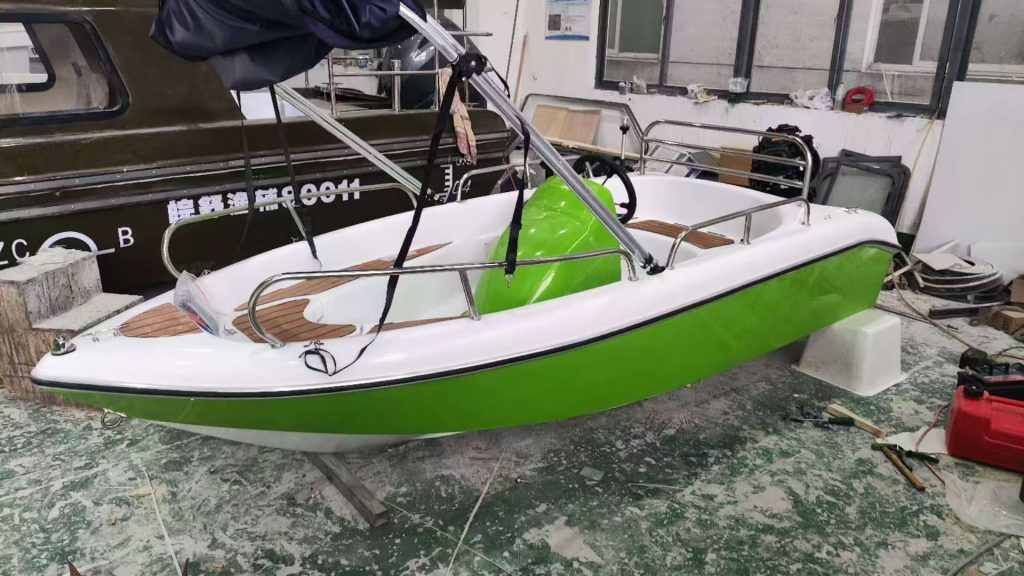
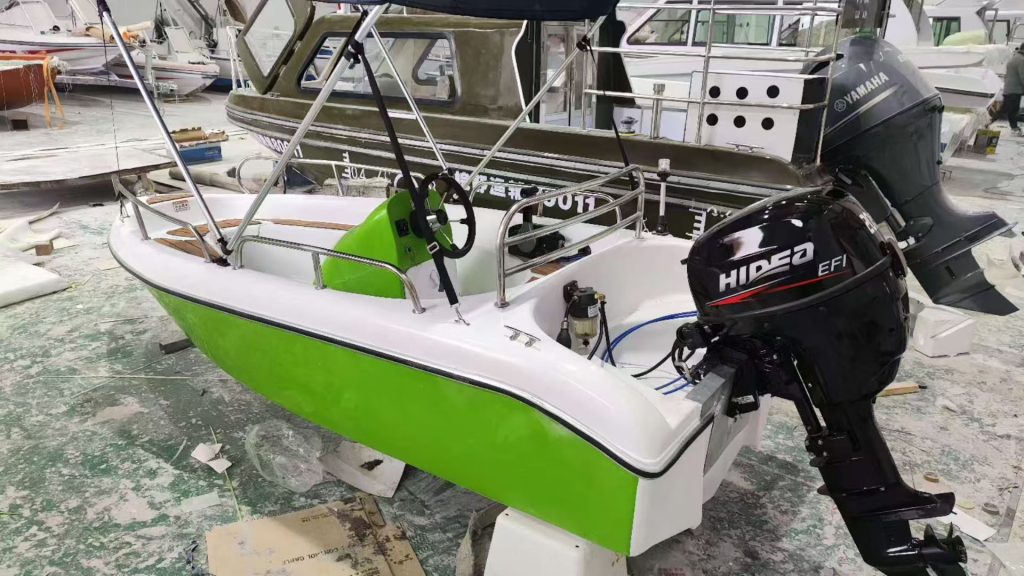
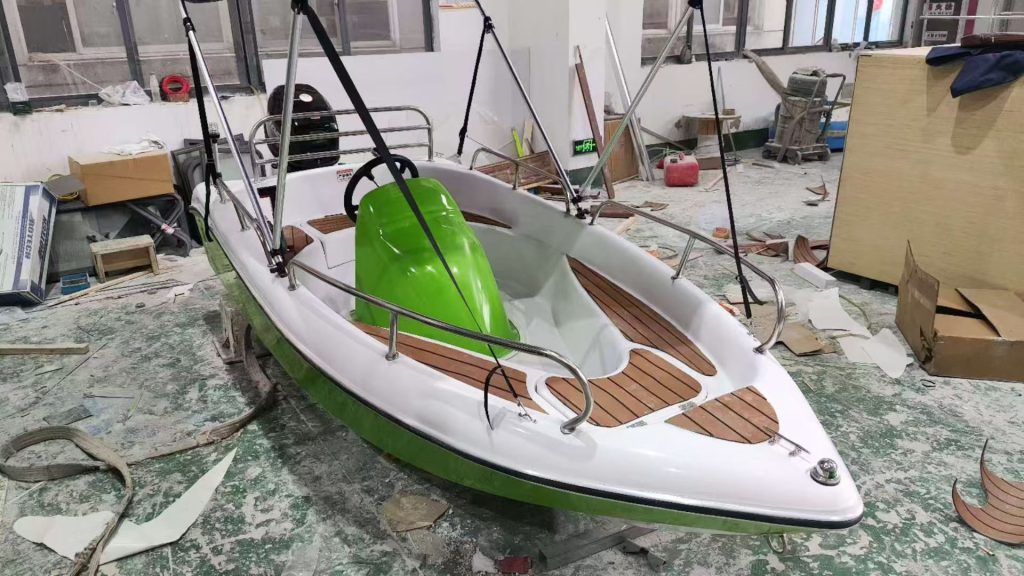
For yacht dealers, importers, charter companies, marine businesses, and private buyers, China can be an important sourcing market for custom yachts and OEM boat manufacturing. Chinese manufacturers can offer different vessel types, construction materials, propulsion systems, interior configurations, and equipment packages.
However, custom yacht manufacturing is a complex project. A professional manufacturer needs to coordinate naval architecture, structural construction, engines, electrical systems, navigation equipment, interiors, safety equipment, testing, and export requirements.
This guide explains how custom yacht design and OEM manufacturing work in China and what international buyers should confirm before placing an order.
What Is Custom Yacht Manufacturing?
Custom yacht manufacturing means adapting or developing a yacht according to the buyer’s requirements rather than purchasing a completely standard production model.
Customization can range from simple changes to major engineering work.
Basic Customization
This may include:
-
Exterior color
-
Interior colors
-
Upholstery
-
Logo
-
Yacht name
-
Lighting
-
Accessories
Medium-Level Customization
This can include:
-
Cabin layout
-
Seating arrangement
-
Kitchen configuration
-
Bathroom equipment
-
Navigation equipment
-
Engine options
-
Generator
-
Air conditioning
-
Entertainment systems
Advanced Customization
A more complex project may involve:
-
New hull design
-
Structural modifications
-
Custom superstructure
-
New interior layout
-
Custom propulsion system
-
Specialized electrical systems
-
New molds
-
Custom engineering
The larger the design changes, the more important professional engineering and design verification become.
What Does OEM Mean in Yacht Manufacturing?
OEM yacht manufacturing generally means producing a vessel according to the buyer’s specifications, branding, or design requirements.
For example, an international yacht dealer may want a manufacturer to produce a specific motor yacht with:
-
Custom exterior color
-
Dealer branding
-
Specific engine
-
Custom interior
-
Selected navigation equipment
-
Private-label documentation
The manufacturer handles production according to the agreed technical specification.
OEM manufacturing can allow companies to offer yachts under their own brand without building their own production facility.
ODM Yacht Manufacturing
ODM involves greater manufacturer participation in product development.
A manufacturer may provide:
-
Existing hull platforms
-
Yacht designs
-
Naval architecture
-
Interior design
-
Structural engineering
-
Equipment integration
-
Prototype development
-
Production engineering
The buyer can then select and modify an existing platform rather than developing every part independently.
ODM can reduce development time and engineering costs when the manufacturer’s existing platform closely matches the buyer’s requirements.
Choosing the Right Yacht Design
The yacht should be designed around its intended use.
Private Leisure Yacht
Private owners may prioritize:
-
Comfort
-
Interior space
-
Entertainment
-
Cabin layout
-
Cruising range
-
Appearance
Charter Yacht
Charter operators may prioritize:
-
Passenger capacity
-
Durability
-
Easy maintenance
-
Fuel efficiency
-
Interior utilization
-
Safety
-
Commercial compliance
Fishing Yacht
Fishing applications may require:
-
Fishing deck
-
Rod holders
-
Fish boxes
-
Live wells
-
Strong deck construction
-
Navigation equipment
-
Extended range
Commercial or Workboat Applications
These may require:
-
Higher durability
-
Specialized equipment
-
Greater load capacity
-
Commercial safety requirements
-
Specific regulatory compliance
The manufacturer’s experience should match the intended application.
Yacht Hull Design
The hull affects many aspects of yacht performance.
Important characteristics include:
-
Length
-
Beam
-
Draft
-
Displacement
-
Hull shape
-
Center of gravity
-
Stability
-
Propulsion arrangement
A custom hull should be engineered according to the intended speed, load, operating environment, and propulsion system.
Buyers should not judge a yacht design solely by its appearance.
Fiberglass Yacht Manufacturing
Fiberglass is widely used in recreational boat and yacht production.
The manufacturing process can involve:
-
Mold preparation
-
Surface preparation
-
Gelcoat application
-
Reinforcement placement
-
Resin application
-
Core installation where applicable
-
Lamination
-
Curing
-
Structural assembly
-
Interior installation
-
Equipment installation
-
Finishing
The final quality depends on materials, laminate design, workmanship, curing, and inspection.
Aluminum Yacht Manufacturing
Aluminum can be suitable for certain yacht and commercial vessel designs.
The manufacturing process generally involves:
-
Cutting
-
Forming
-
Assembly
-
Welding
-
Structural reinforcement
-
Surface treatment
-
Equipment installation
-
Interior construction
Welding quality and structural engineering are especially important.
The manufacturer should be able to explain the alloy, structural design, welding procedures, and inspection process.
Engine and Propulsion Customization
The propulsion system should be selected according to hull design and intended performance.
Potential systems include:
-
Outboard engines
-
Inboard diesel engines
-
Gasoline engines
-
Waterjets
-
Conventional propellers
-
Hybrid propulsion
The quotation should identify the exact engine configuration rather than using vague descriptions.
Important information includes:
-
Manufacturer
-
Model
-
Horsepower
-
Number of engines
-
Gearbox
-
Propeller
-
Fuel system
-
Cooling system
-
Exhaust system
Electrical System Design
Modern yachts can contain complex electrical systems.
A custom yacht may include:
-
Starter batteries
-
House batteries
-
Battery chargers
-
Inverters
-
Shore power
-
Generator
-
Solar panels
-
Electrical distribution panels
-
Navigation electronics
-
Lighting
-
Air conditioning
-
Entertainment equipment
The electrical system should be designed according to the yacht’s expected loads.
For customized yachts, buyers should request an electrical specification before production.
Navigation and Communication Equipment
Depending on the vessel, navigation equipment can include:
-
GPS
-
Chart plotter
-
Radar
-
AIS
-
VHF
-
Autopilot
-
Depth sounder
-
Compass
-
Fish finder
-
Navigation lights
The equipment should be compatible with the vessel’s electrical and communication systems.
Buyers should specify whether equipment is included in the basic quotation or offered as an optional package.
Custom Yacht Interior
Interior customization is often one of the most visible aspects of an OEM yacht project.
Potential areas include:
-
Cabins
-
Beds
-
Sofas
-
Tables
-
Kitchen
-
Bathroom
-
Flooring
-
Cabinets
-
Lighting
-
Curtains
-
Upholstery
-
Air conditioning
-
Entertainment
For each major interior component, buyers should define the material and finish rather than relying only on photographs.
Yacht Safety Systems
Safety requirements depend on vessel type, size, passenger capacity, intended use, and operating area.
Depending on the project, safety equipment may include:
-
Life jackets
-
Life rafts
-
Fire extinguishers
-
Fire suppression systems
-
Bilge pumps
-
Bilge alarms
-
Navigation lights
-
Emergency equipment
-
Communication equipment
The manufacturer should provide a detailed equipment list and identify which items are included.
Custom Yacht Design Process
A professional project can follow several stages.
Step 1: Define Requirements
The buyer provides:
-
Intended use
-
Size
-
Passenger capacity
-
Performance targets
-
Layout
-
Equipment
-
Interior requirements
Step 2: Preliminary Design
The manufacturer or naval architect develops a preliminary concept.
Step 3: Technical Review
The buyer and manufacturer review:
-
Dimensions
-
Layout
-
Hull
-
Propulsion
-
Weight
-
Equipment
Step 4: Engineering
Detailed drawings and production specifications are developed.
Step 5: Prototype or Production Start
Depending on the project, the manufacturer begins tooling or construction.
Step 6: Production
The yacht is built according to the approved specifications.
Step 7: Inspection
Construction and systems are inspected.
Step 8: Sea Trial
The completed yacht is tested under appropriate operating conditions.
Step 9: Final Acceptance
The buyer reviews the vessel before delivery.
How to Control a Custom Yacht Project
Custom projects have more variables than standard yacht purchases.
To reduce misunderstandings, maintain a written specification covering:
-
Hull
-
Dimensions
-
Materials
-
Engine
-
Electronics
-
Electrical system
-
Interior
-
Paint
-
Safety equipment
-
Accessories
Approved drawings should be treated as project references.
Any changes after approval should be documented and agreed upon by both parties.
Production Inspection
For an expensive yacht, inspection should not happen only at the end.
Possible inspection points include:
Hull Stage
Inspect structural construction before internal areas become inaccessible.
Engine Installation
Verify engine model and installation.
Electrical Installation
Check wiring, batteries, panels, and major electrical equipment.
Interior Stage
Inspect materials and workmanship.
Final Stage
Verify all systems before sea trials.
For major projects, an independent marine surveyor can provide additional technical oversight.
Sea Trial and Final Acceptance
Sea trials help verify whether the completed yacht performs according to the agreed requirements.
Depending on the vessel, testing may include:
-
Engine starting
-
Acceleration
-
Cruising
-
Steering
-
Maneuverability
-
Vibration
-
Noise
-
Navigation equipment
-
Electrical systems
-
Bilge pumps
-
Communication equipment
The exact acceptance criteria should be established before the trial.
Yacht Certifications and Compliance
Custom yacht projects require early attention to regulatory requirements.
Requirements may depend on:
-
Vessel type
-
Length
-
Passenger capacity
-
Intended use
-
Destination
-
Flag state
-
Commercial or private operation
-
Radio equipment
-
Engine
-
Operating area
The buyer should identify the applicable requirements before the manufacturer begins construction.
This is especially important because changing the vessel after construction to meet regulatory requirements can be expensive.
OEM Yacht Branding
For yacht dealers and marine companies, branding can be integrated into the project.
Possible branding elements include:
-
Hull logo
-
Yacht name
-
Interior branding
-
Control-panel branding
-
Manuals
-
Warranty documents
-
Delivery documents
-
Custom packaging for accessories
Branding should be finalized before production and incorporated into the approved specifications.
Bulk and Fleet Yacht Supply
Some manufacturers can produce multiple yachts based on the same platform.
This can be useful for:
-
Charter companies
-
Yacht rental businesses
-
Tourism operators
-
Dealers
-
Marine transportation companies
Fleet buyers should focus on consistency.
Important requirements include:
-
Same specifications
-
Same engine configuration
-
Consistent interior
-
Standardized spare parts
-
Consistent software and electronics
-
Repeatable quality-control procedures
Yacht Manufacturing Costs
The price of a custom yacht depends on many factors.
Major cost factors include:
-
Hull size
-
Hull material
-
Design complexity
-
Engine
-
Electronics
-
Interior
-
Electrical system
-
Generator
-
Air conditioning
-
Safety equipment
-
Custom molds
-
Engineering
-
Certification
-
Quantity
A professional quotation should distinguish between standard equipment, optional equipment, one-time engineering costs, and recurring production costs.
International Yacht Shipping
Shipping a yacht internationally is different from shipping ordinary cargo.
Depending on vessel size and destination, transportation may involve:
-
Yacht transport vessels
-
Heavy-lift arrangements
-
Containerized transportation for smaller boats
-
Specialized marine logistics
-
Port handling
-
Export documentation
-
Marine insurance
The final transportation method depends on yacht dimensions, weight, destination, route, port facilities, and cost.
Buyers should discuss transportation before production is completed so that the yacht can be prepared appropriately for shipment.
Warranty and After-Sales Support
Before signing an OEM agreement, clarify:
-
Hull warranty
-
Engine warranty
-
Electrical warranty
-
Equipment warranty
-
Spare parts
-
Technical support
-
Repair responsibility
-
Replacement procedures


No reply content