China solar power generation and energy storage manufacturing
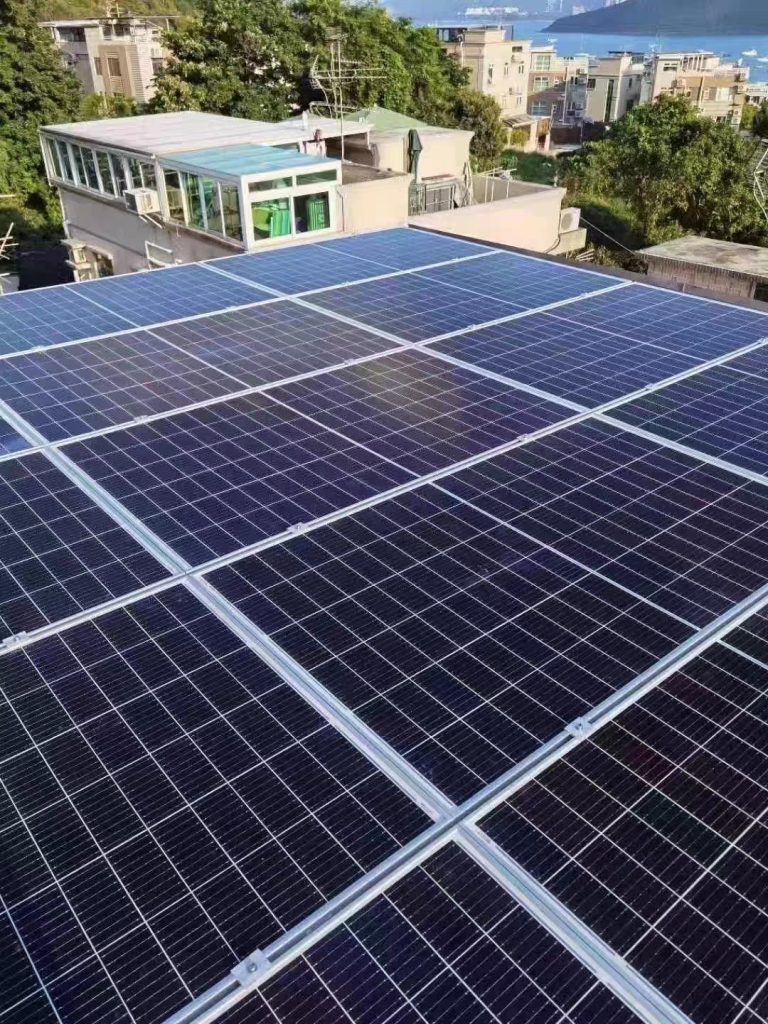
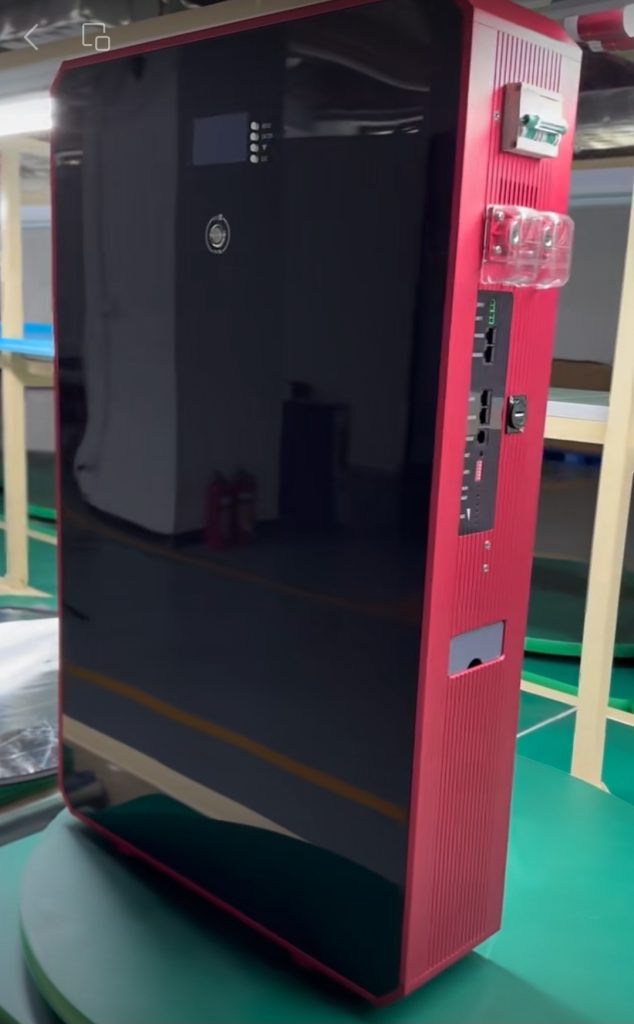
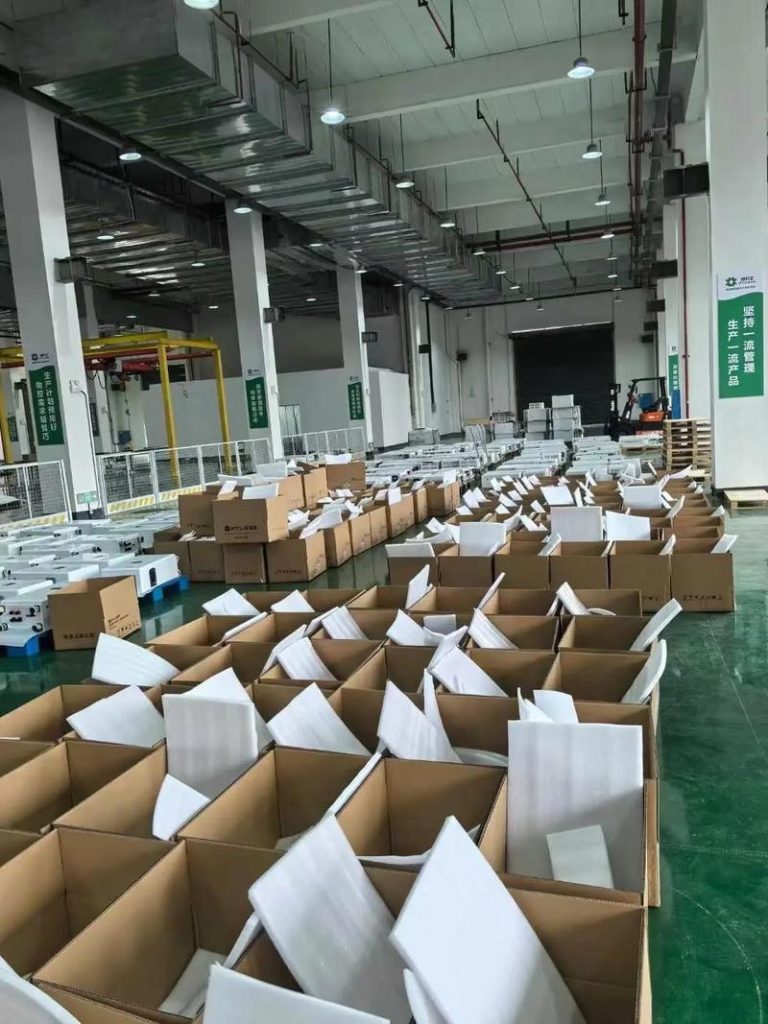
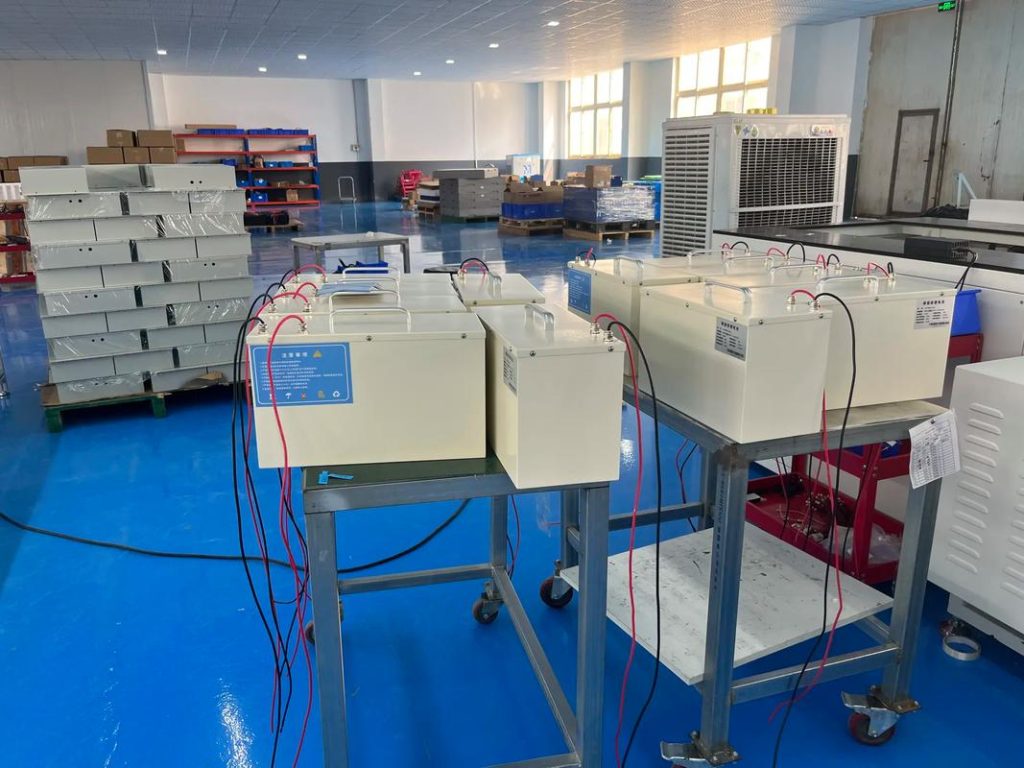
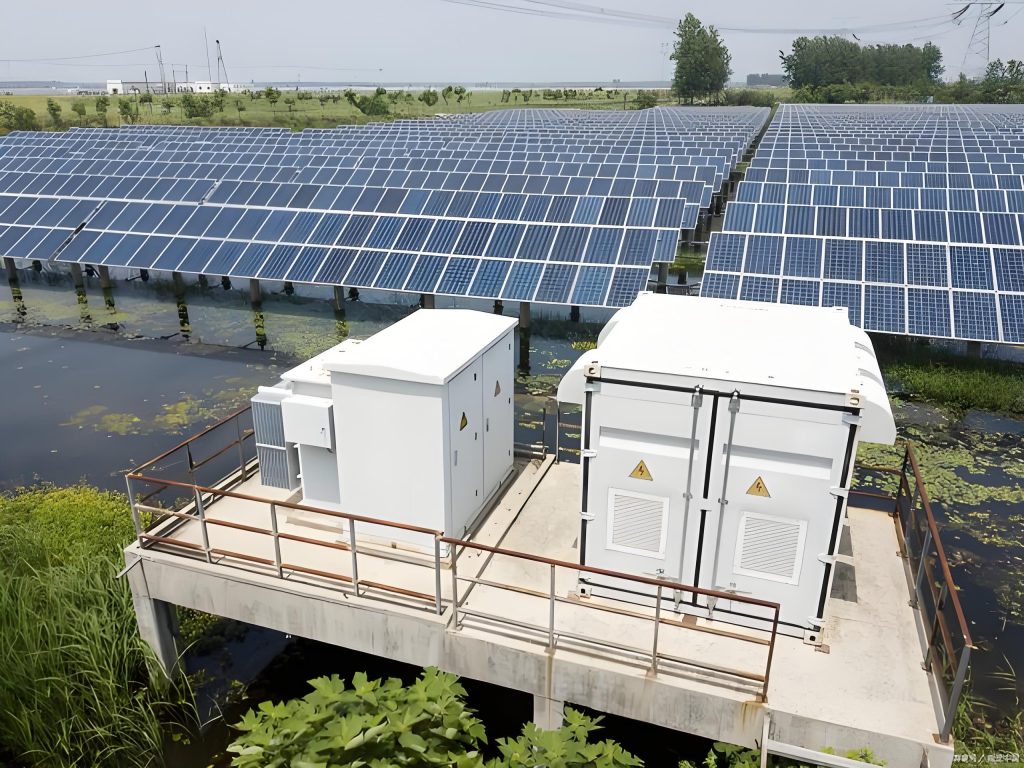
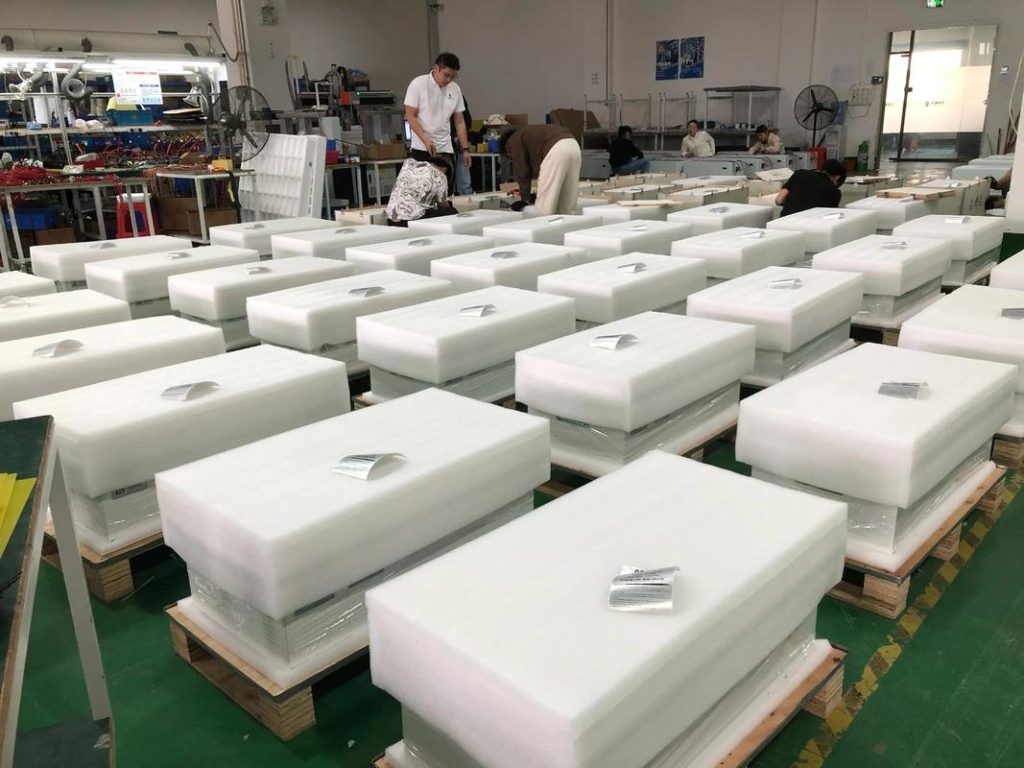
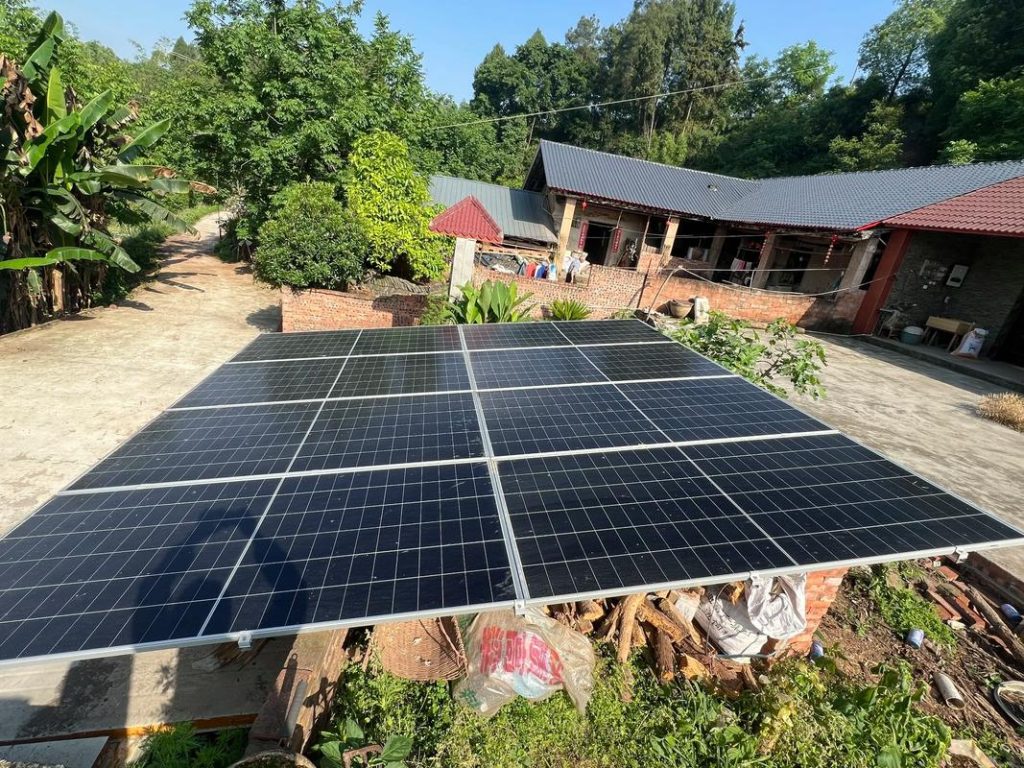
As the world accelerates its transition to renewable energy, China has emerged as a global leader in deploying large-scale energy storage power plants. These facilities, designed to store excess electricity from solar, wind, and other intermittent sources, are critical for balancing supply and demand, enhancing grid stability, and unlocking the full potential of clean energy. This article delves into the evolution, technologies, policy drivers, and future prospects of China’s energy storage power plants, offering insights into how they are reshaping the nation’s energy landscape.
The Rise of Energy Storage Power Plants in China
China’s journey into grid-scale energy storage began in the early 2010s, driven by two urgent needs: integrating rapidly expanding renewable energy capacity and addressing the intermittency of solar and wind power. By 2023, China had installed over 50 GW of energy storage capacity—more than any other country—accounting for nearly 30% of global deployments. These plants range from utility-scale battery systems to pumped hydro storage facilities, each tailored to regional energy demands and resource availability.
The growth is fueled by China’s ambitious climate goals: reaching carbon peaking by 2030 and carbon neutrality by 2060. To achieve this, the government aims to raise the share of non-fossil fuels in primary energy consumption to 25% by 2030, requiring massive expansion of renewables paired with storage. Energy storage power plants are thus no longer optional but a cornerstone of China’s energy security strategy.
Core Technologies Powering China’s Storage Plants
China’s energy storage power plants leverage diverse technologies, each optimized for specific applications. Below are the most prominent types:
1. Lithium-Ion Battery Storage: The Scalable Workhorse
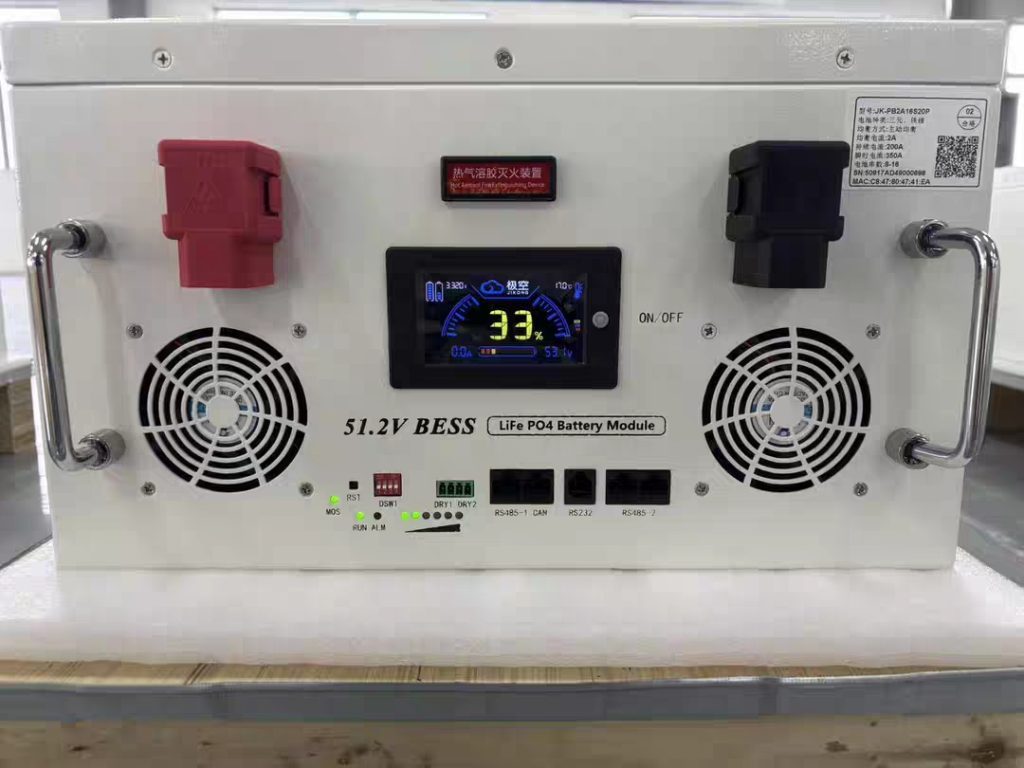
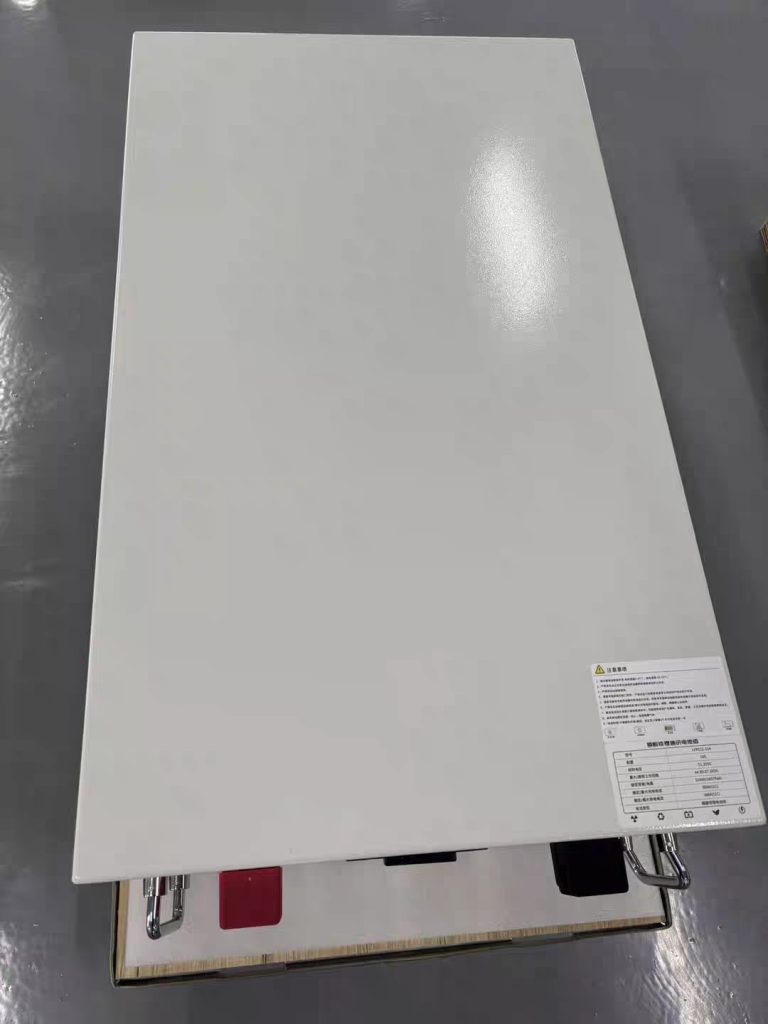
Lithium-ion batteries dominate China’s utility-scale storage market, thanks to their high energy density, fast response times, and declining costs. Over 80% of newly installed storage capacity in China uses lithium-ion technology, with projects ranging from 10 MW to over 1 GW.
Applications:
-
Peak Shaving: Storing excess solar/wind energy during the day and discharging it during evening peak demand.
-
Frequency Regulation: Providing rapid power adjustments to stabilize grid frequency amid fluctuating renewable output.
-
Black Start Capability: Restarting power grids after outages using stored energy.
Innovations: Chinese manufacturers have pushed boundaries in battery chemistry (e.g., lithium iron phosphate, or LFP, for safety) and system integration. Modular designs allow flexible scaling, while AI-driven battery management systems (BMS) optimize charging/discharging cycles to extend lifespan.
2. Pumped Hydro Storage: The Long-Duration Anchor
Pumped hydro storage (PHS) remains China’s largest grid-scale storage solution, contributing over 45 GW of installed capacity—more than half the global total. PHS plants use two reservoirs at different elevations: during low demand, excess electricity pumps water uphill; during high demand, water flows downhill through turbines to generate power.
Advantages:
-
Long Duration: Can store energy for hours or even days, ideal for seasonal balancing.
-
High Efficiency: Round-trip efficiency of 70–85%, surpassing many battery technologies.
-
Low Operating Costs: Minimal degradation over a 50–70-year lifespan.
China’s Leadership: The country’s mountainous terrain provides ideal sites for PHS. The world’s largest PHS plant, with a 3.6 GW capacity, is located in Hebei Province, capable of powering 3 million households for a day. New projects in Sichuan and Yunnan Provinces are set to add 10 GW of capacity by 2025.
3. Emerging Technologies: Diversifying the Storage Mix
To address lithium-ion’s limitations (e.g., high cost, resource constraints) and PHS’s geographical requirements, China is investing in next-generation storage technologies:
-
Flow Batteries: Vanadium redox flow batteries (VRFB) excel in long-duration storage (4+ hours) and scalability. A 100 MW/400 MWh VRFB plant in Liaoning Province demonstrates their viability for stabilizing wind farms.
-
Compressed Air Energy Storage (CAES): Using excess electricity to compress air into underground caverns, which is later released to drive turbines. A 100 MW CAES project in Jiangsu Province is among the first of its kind in Asia.
-
Thermal Storage: Concentrated solar power (CSP) plants with molten salt storage, common in northwestern China, store heat to generate electricity overnight.
-
Hydrogen Storage: Pilot projects convert solar/wind electricity into hydrogen via electrolysis, which is stored and used in industrial processes or re-electrified.
Policy and Market Drivers Fueling Growth
China’s energy storage boom is underpinned by proactive government policies and market reforms:
-
Mandatory Storage Requirements: Since 2021, new solar and wind projects must include storage capacity equal to 10–20% of their generating capacity, ensuring renewables are dispatchable.
-
Subsidies and Incentives: While feed-in tariffs for renewables have been phased out, tax breaks, green bonds, and low-interest loans support storage projects. The “Energy Storage Industry Development Action Plan (2021–2025)” earmarks $15 billion in funding.
-
Market Liberalization: The national carbon trading market allows storage operators to earn revenue by reducing carbon emissions, while ancillary service markets reward plants for providing grid stability.
-
R&D Investment: The government allocates over $1 billion annually to energy storage research, focusing on cost reduction, safety, and next-gen technologies.
Case Studies: Real-World Impact of Storage Plants
To illustrate the value of energy storage, consider these anonymized examples:
-
A Desert Solar-Storage Hybrid: In Inner Mongolia, a 500 MW solar farm paired with a 100 MWh lithium-ion storage system has increased annual energy output by 15% by storing midday surplus and dispatching it during evening peaks. The plant also provides frequency regulation services, earning additional revenue.
-
A Mountainous PHS Plant: A 2 GW PHS facility in Sichuan uses excess hydropower (during wet seasons) and solar energy (during dry seasons) to balance regional supply. It has reduced curtailment of renewables by 20% and prevented blackouts during extreme weather.
-
An Industrial Hydrogen Hub: A coastal province hosts a pilot project where a 50 MW electrolyzer converts offshore wind power into green hydrogen, stored in tanks and used to power nearby factories. This model reduces reliance on coal-based hydrogen and cuts industrial emissions.
Challenges and Solutions
Despite rapid growth, China’s energy storage sector faces hurdles:
-
High Initial Costs: Lithium-ion storage still costs 150–200/kWh, though this is projected to fall to 100/kWh by 2030. PHS requires billions in upfront investment.Solution: Scale production, standardize designs, and promote public-private partnerships.
-
Grid Integration Complexity: Managing thousands of decentralized storage units strains grid infrastructure.Solution: Deploy smart grid technologies (e.g., AI-based forecasting, advanced metering) to coordinate storage with renewables.
-
Resource Dependencies: Lithium-ion relies on imported lithium and cobalt; PHS depends on specific geography.Solution: Invest in sodium-ion batteries (using abundant sodium) and diversify storage technologies.
-
Safety Concerns: Thermal runaway in lithium-ion batteries poses fire risks.Solution: Adopt LFP chemistries, enhance BMS, and enforce strict safety codes.
Future Trends: Towards a Multi-Technology Ecosystem
By 2030, China aims to deploy 120 GW of energy storage capacity, with a focus on diversification:
-
Hybrid Systems: Combining solar/wind with multiple storage types (e.g., lithium-ion + flow batteries) to optimize cost and duration.
-
Decentralized Storage: Expanding behind-the-meter storage (e.g., residential batteries) to reduce grid strain.
-
Global Leadership: Exporting storage technology and expertise to emerging markets, solidifying China’s role in the global energy transition.
Conclusion
China’s energy storage power plants are revolutionizing the way the nation generates, stores, and uses electricity. By integrating cutting-edge technologies with forward-thinking policies, these facilities are turning intermittent renewables into reliable baseload power, enhancing grid resilience, and accelerating the path to carbon neutrality. As the world looks to replicate China’s success, the lessons are clear: scale, innovation, and policy alignment are key to unlocking the full potential of energy storage. For investors, policymakers, and industry players, China’s journey offers a blueprint for building a sustainable energy future.
For those considering energy storage projects, partnering with experienced integrators and staying abreast of policy changes will be critical. With continued investment and collaboration, energy storage power plants will remain at the heart of China’s—and the world’s—clean energy transformation.


No reply content