
China solar power generation and energy storage manufacturing
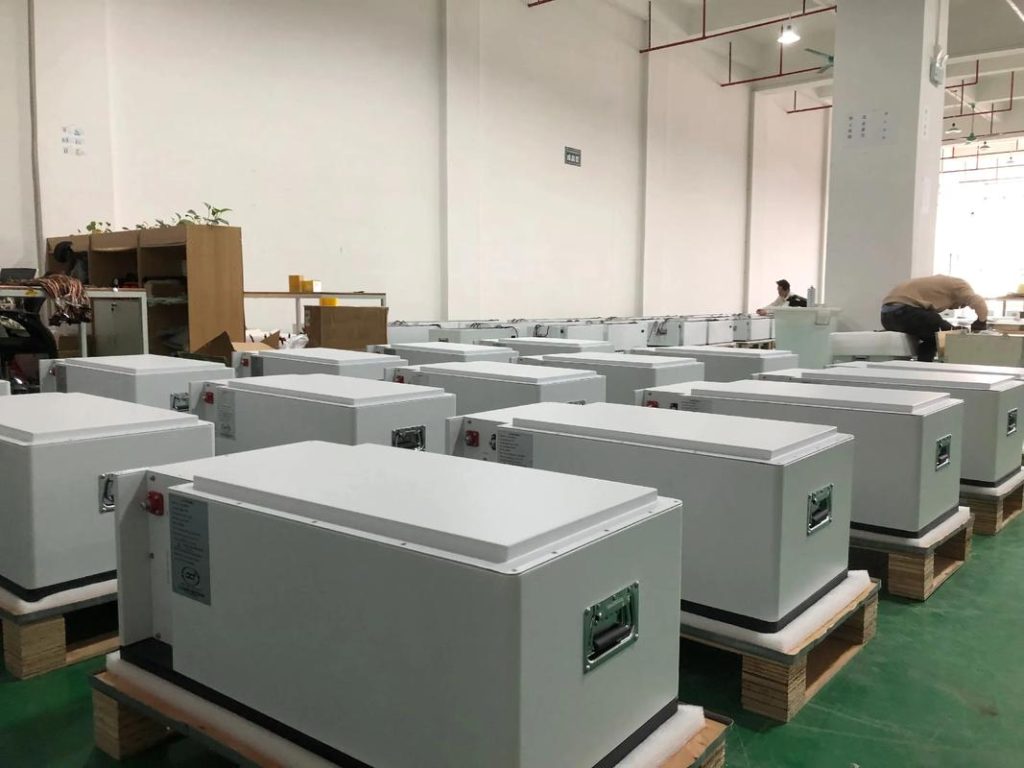

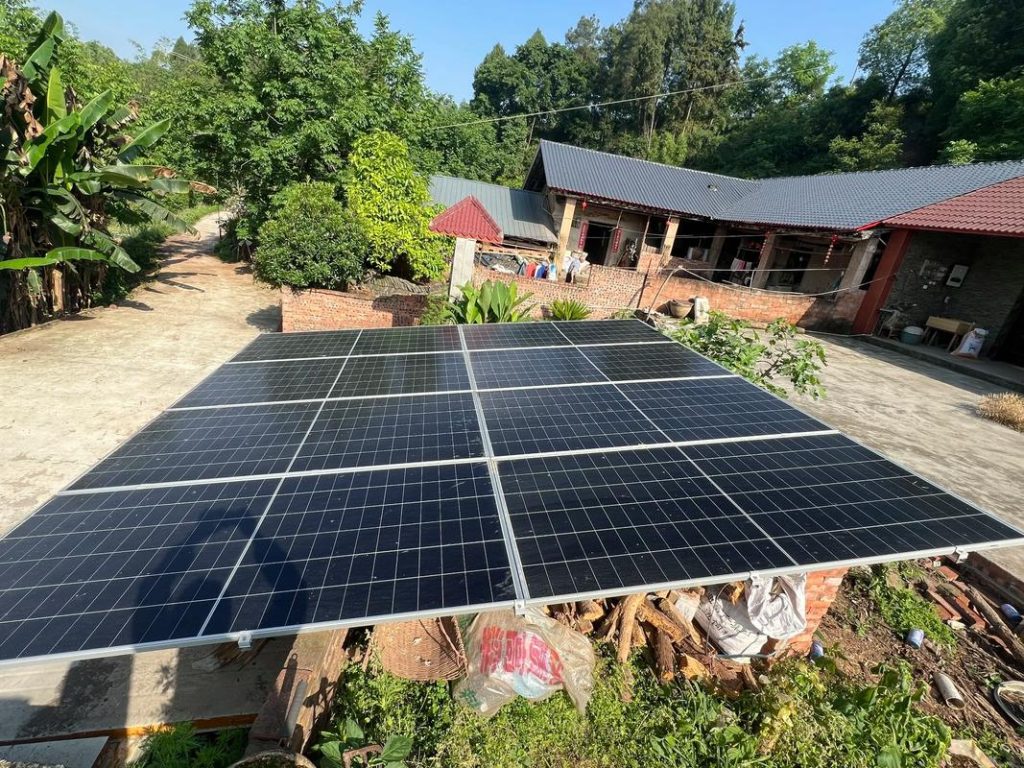
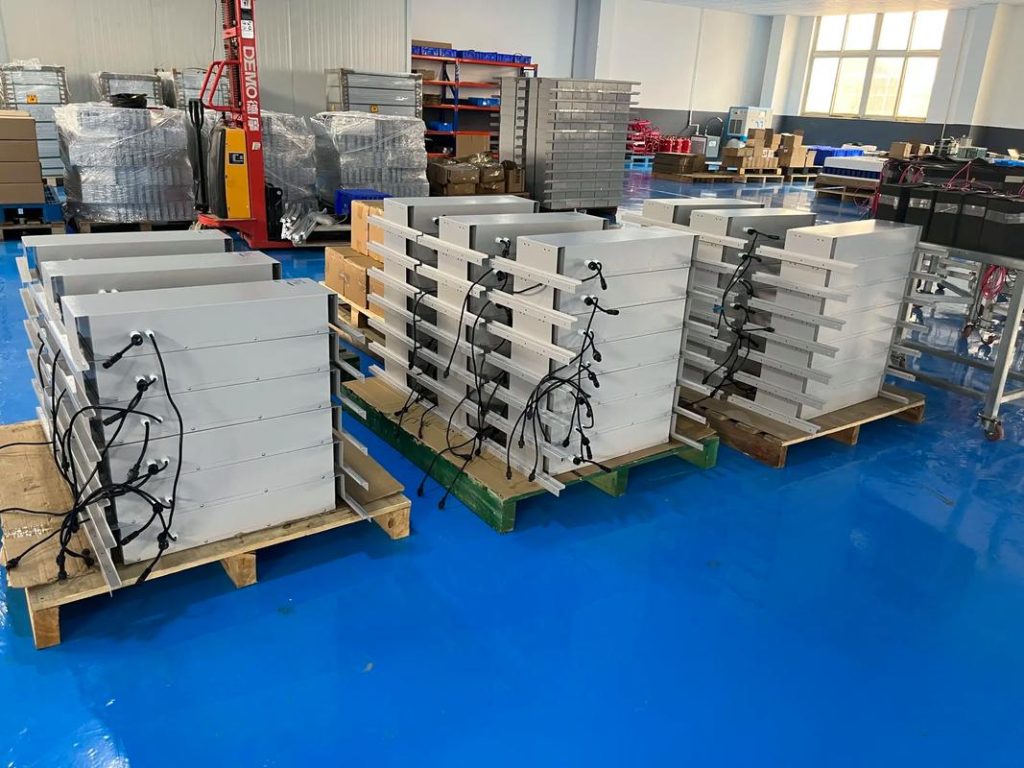
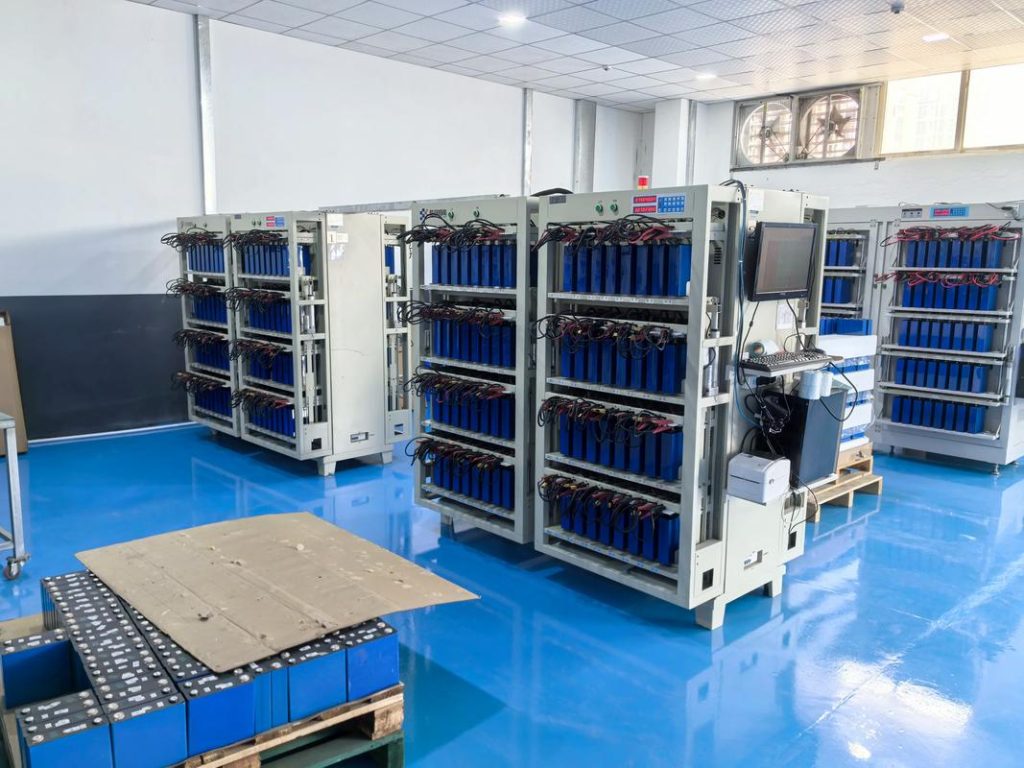
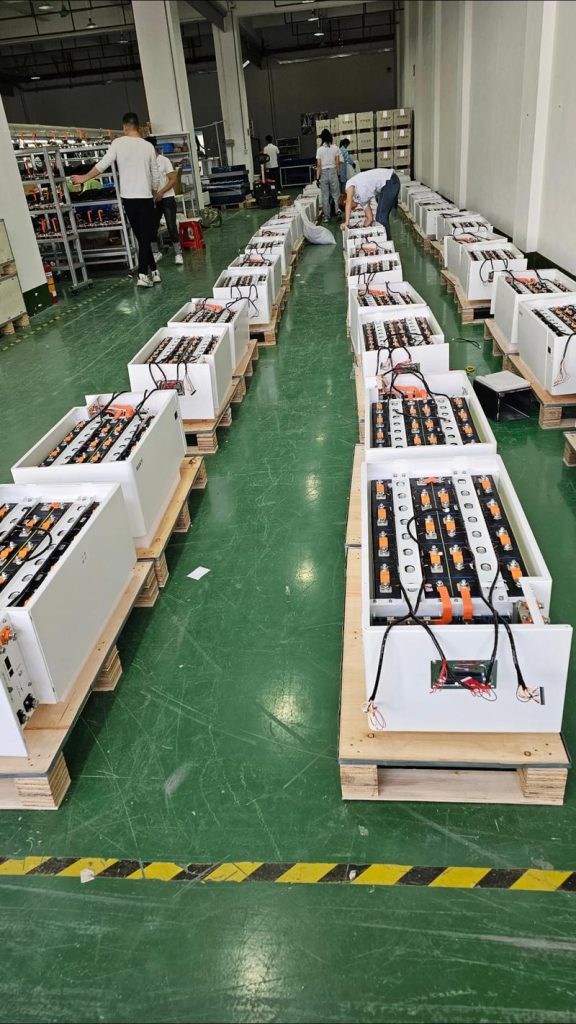
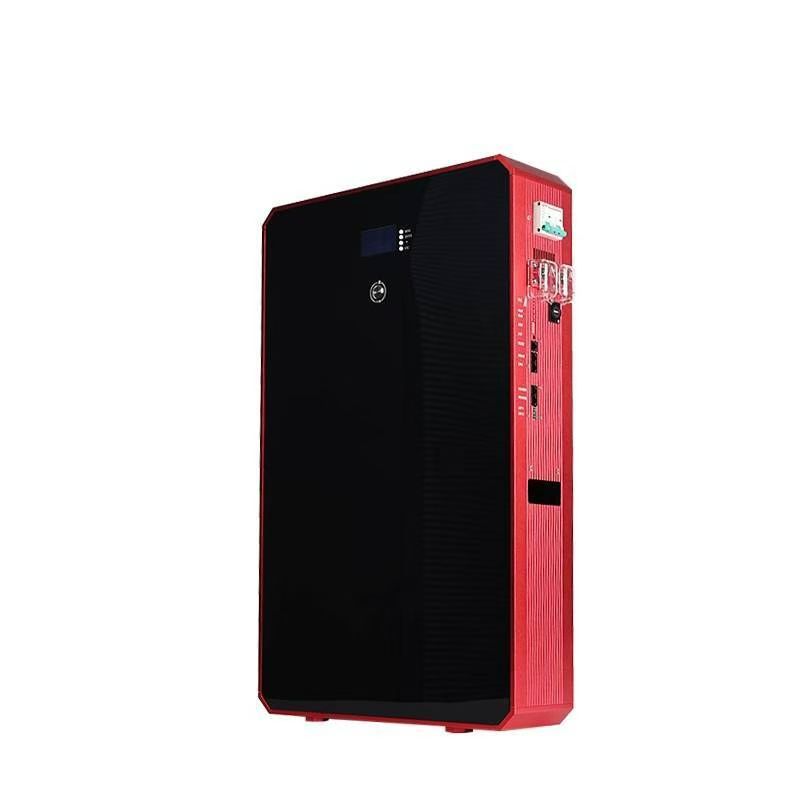
China’s rise as a global leader in solar power exports is a testament to its strategic investments in renewable energy technology, manufacturing scale, and policy support. Over the past two decades, the country has transformed from a minor player in the global solar market to the world’s largest producer and exporter of solar photovoltaic (PV) products, including modules, cells, wafers, and complete solar power systems. This article delves into the factors driving China’s solar export dominance, the structure of its export-oriented industry, key markets, and the future trajectory of this booming sector—all while adhering to Google SEO best practices to ensure visibility and relevance.
The Rise of China’s Solar Export Industry: A Decade of Growth
China’s solar export journey began in the early 2000s, fueled by government initiatives to reduce reliance on imported solar technology and build domestic manufacturing capabilities. The 2008 global financial crisis and subsequent stimulus packages accelerated investments in renewable energy, positioning China to capture a growing share of the international market.
By 2010, China had surpassed Germany and Japan to become the world’s largest solar cell producer, accounting for over 50% of global output. This lead expanded rapidly: in 2022, China’s solar product exports reached $51.8 billion, with PV modules alone accounting for 60% of the global market. The country’s cumulative solar module exports exceeded 150 GW, enough to power approximately 30 million homes annually.
Key drivers of this growth include:
-
Economies of Scale: China’s vertically integrated supply chain—from raw material processing (polysilicon) to finished modules—enables cost reductions unmatched by competitors.
-
Technological Innovation: Investments in R&D have led to higher-efficiency PV cells (e.g., PERC, HJT) and lower production costs, making Chinese products globally competitive.
-
Government Support: Subsidies, tax incentives, and favorable trade policies (e.g., the Belt and Road Initiative) have bolstered export competitiveness.
What Does China Export? A Breakdown of Solar Products
China’s solar export portfolio is diverse, catering to different segments of the global value chain. The primary exported products include:
1. Photovoltaic Modules: The Flagship Export Product
PV modules (or solar panels) are China’s most exported solar product, representing 70% of the country’s solar export revenue. These modules, made of interconnected solar cells, convert sunlight into electricity. Chinese manufacturers produce both monocrystalline and polycrystalline modules, with efficiencies ranging from 18% to 23%.
Key features of Chinese modules:
-
Cost-Effectiveness: Prices have dropped by 90% since 2010, making them affordable for developing nations.
-
Durability: Certified to withstand extreme weather (e.g., hail, high winds) and backed by 25-year performance warranties.
-
Customization: Tailored to meet regional needs, such as high-efficiency models for Europe and rugged designs for desert climates.
2. Solar Cells and Wafers: The Building Blocks
Before assembly into modules, solar cells are produced from silicon wafers. China dominates both segments:
-
Wafers: Account for 95% of global production, with major hubs in Xinjiang, Inner Mongolia, and Yunnan.
-
Cells: High-purity silicon cells are exported to assembly plants worldwide, particularly in Southeast Asia and Europe.
3. Complete Solar Power Systems
Beyond components, China exports turnkey solar solutions, including:
-
Residential Systems: Small-scale kits (1–10 kW) for homes, often paired with battery storage.
-
Commercial & Industrial (C&I) Systems: Medium-scale installations (10–1,000 kW) for factories and businesses.
-
Utility-Scale Plants: Large solar farms (1+ MW) designed for grid-connected power generation.
These systems are often bundled with inverters, mounting structures, and installation services, providing end-to-end solutions for international buyers.
Global Markets: Where Are China’s Solar Exports Headed?
China’s solar products reach over 190 countries, with distinct regional preferences and growth drivers:
Europe: The Largest Importer
Europe accounts for 35% of China’s solar exports, driven by the EU’s Green Deal and REPowerEU plan to phase out Russian fossil fuels. Key markets include:
-
Germany: A historic solar leader, importing modules for rooftop and utility-scale projects.
-
Netherlands: A logistics hub for re-exporting modules to other European countries.
-
Spain and Italy: Favoring large-scale solar farms in sun-rich regions.
European buyers prioritize high-efficiency modules and compliance with EU standards (e.g., CE certification).
Asia-Pacific: Rapidly Growing Demand
The Asia-Pacific region contributes 28% of China’s solar exports, led by:
-
India: Aiming for 500 GW of renewable capacity by 2030, India imports modules for both utility and off-grid projects.
-
Australia: Focused on residential solar and large-scale farms in arid areas.
-
Southeast Asia: Countries like Vietnam and Thailand import modules for domestic use and re-export to Western markets (avoiding tariffs).
Americas: Emerging Opportunities
North and South America together account for 20% of exports:
-
United States: Despite tariffs (e.g., Section 301), U.S. demand remains strong due to state-level renewable mandates. Chinese modules often enter via third countries (e.g., Malaysia, Cambodia).
-
Brazil: Latin America’s largest solar market, importing modules for utility-scale projects in the Northeast.
-
Chile and Mexico: Favoring solar for mining operations and grid stabilization.
Africa and the Middle East: Off-Grid Solutions
These regions represent 17% of exports, with a focus on:
-
Off-Grid Systems: Small-scale solar kits for rural electrification in sub-Saharan Africa.
-
Desert Solar Farms: Large projects in Saudi Arabia, UAE, and Egypt leveraging high solar irradiance.
Competitive Advantages: Why Buy from China?
China’s solar export success stems from a unique combination of factors:
1. Unmatched Supply Chain Integration
China controls 80% of the global solar supply chain, from polysilicon production to module assembly. This vertical integration reduces costs and ensures consistent quality. For example:
-
Polysilicon: Produced in Xinjiang and Inner Mongolia using low-cost hydropower.
-
Glass and Aluminum: Sourced locally for frames and covers, minimizing transportation expenses.
2. Technological Leadership
Chinese manufacturers invest heavily in R&D, leading to innovations such as:
-
Bifacial Modules: Generate power from both sides, increasing energy yield by 10–30%.
-
Half-Cut Cells: Reduce resistive losses, improving efficiency.
-
Smart Modules: Integrated with power optimizers and monitoring systems.
3. Government Policy Support
Policies like the “Made in China 2025” initiative and export tax rebates have incentivized manufacturers to expand overseas. Additionally, the Belt and Road Initiative funds solar projects in partner countries, creating demand for Chinese equipment.
4. Logistics and Infrastructure
Major ports like Shanghai, Shenzhen, and Ningbo-Zhoushan facilitate efficient shipping, with dedicated terminals for solar products. Many manufacturers also maintain overseas warehouses to shorten delivery times.
Challenges and Risks in China’s Solar Export Sector
Despite its dominance, China’s solar exporters face several challenges:
1. Trade Barriers and Tariffs
The U.S. and EU have imposed anti-dumping duties and tariffs on Chinese solar products. For example:
-
U.S. Section 201 and 301 Tariffs: Add 15–30% to module costs.
-
EU Anti-Dumping Measures: Historically targeted Chinese modules, though some have been relaxed.
To circumvent these, many manufacturers have set up assembly plants in Southeast Asia (e.g., Vietnam, Thailand), though recent U.S. investigations into “transshipment” may limit this strategy.
2. Raw Material Price Volatility
Fluctuations in polysilicon, silver, and copper prices impact profit margins. For instance, polysilicon prices surged by 300% in 2021–2022 due to supply shortages, squeezing exporter revenues.
3. Environmental Concerns
Criticism over the environmental impact of polysilicon production (e.g., carbon emissions in Xinjiang) has led to calls for stricter regulations. Some European buyers now require proof of sustainable sourcing.
4. Competition from Other Nations
Countries like India, Turkey, and the U.S. are expanding their domestic solar manufacturing, posing long-term threats to China’s market share.
Future Trends: What’s Next for China’s Solar Exports?
The outlook for China’s solar export industry remains bright, driven by global decarbonization goals and emerging technologies:
1. Expansion into Emerging Markets
Africa, Latin America, and Southeast Asia will see rising demand for off-grid and mini-grid solar systems, where China holds a cost advantage.
2. Focus on High-Value Products
Exporters are shifting from low-margin modules to high-efficiency products (e.g., HJT, TOPCon cells) and energy storage-integrated systems, which command premium prices.
3. Green Hydrogen and Solar Synergies
China is exploring exports of solar-powered hydrogen electrolyzers, combining solar generation with green hydrogen production for industrial use.
4. Digitalization and Smart Solar
IoT-enabled solar systems, AI-driven maintenance, and blockchain-based energy trading platforms are becoming key differentiators in the export market.
Conclusion: China’s Role in the Global Energy Transition
China’s solar export industry is not just a story of economic success but a critical enabler of the global shift to renewable energy. By providing affordable, high-quality solar products, China has helped countries reduce carbon emissions, improve energy access, and create jobs.
For international buyers, sourcing from China offers access to cutting-edge technology, economies of scale, and comprehensive solutions. However, navigating trade barriers and sustainability requirements will be key to maintaining long-term partnerships.
As the world accelerates its transition to net-zero emissions, China’s solar export sector is poised to play an even larger role—powering homes, industries, and economies across the globe. Whether through modules, systems, or innovative hybrid solutions, China’s contribution to the solar revolution is undeniable, solidifying its status as the backbone of the global clean energy supply chain.


No reply content