
China solar power generation and energy storage manufacturing
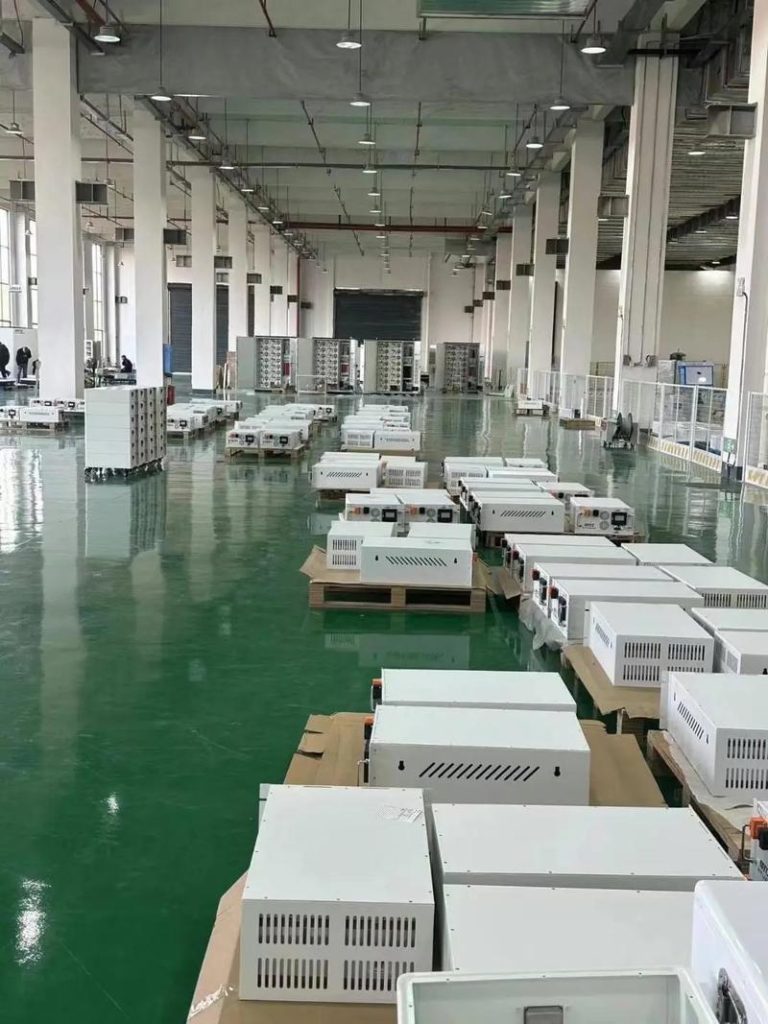
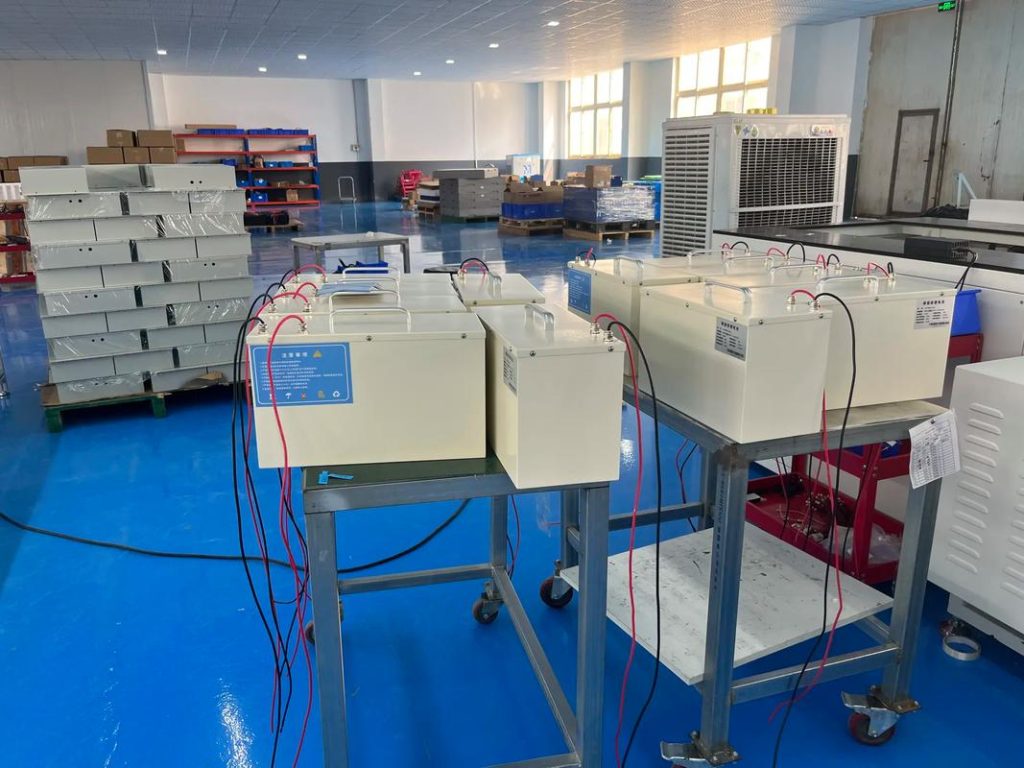
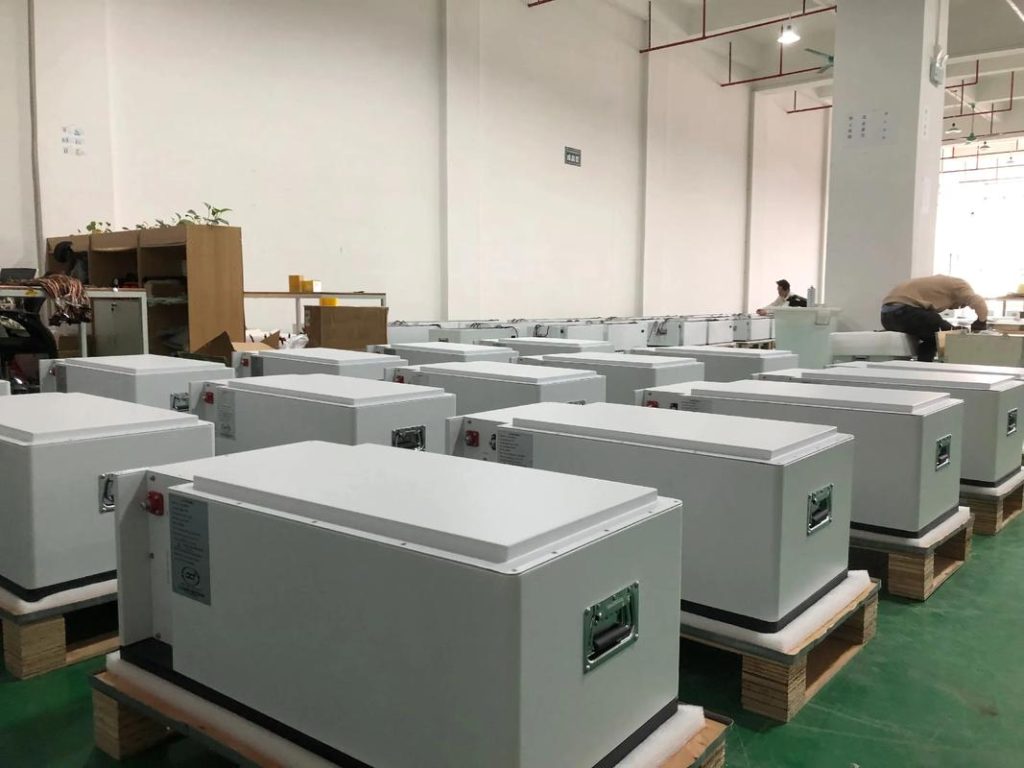

In the global pursuit of carbon neutrality, China has emerged as a pivotal force driving the transition to renewable energy. With its vast solar resources, rapid technological advancements, and strategic policy support, China has not only become the world’s largest producer and installer of solar photovoltaic (PV) systems but also a pioneer in integrating solar power with advanced energy storage solutions. This article explores China’s journey in solar power generation and storage, highlighting its innovations, challenges, and contributions to the global energy landscape.
Solar Power: From Marginal to Mainstream
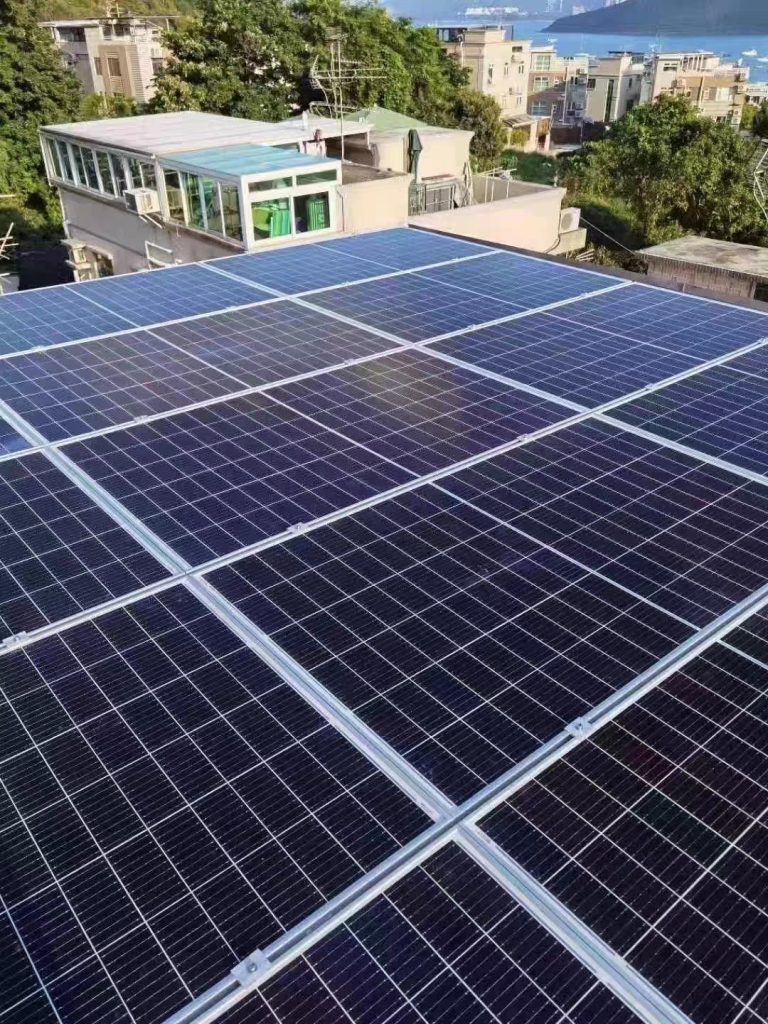
China’s embrace of solar energy began in earnest in the early 21st century, driven by growing concerns over air pollution and reliance on fossil fuels. In 2013, the Chinese government launched the Golden Sun program, offering subsidies for distributed solar projects, which catalyzed a surge in rooftop installations across residential and commercial sectors. By 2022, China accounted for over 40% of global solar PV installations, with cumulative installed capacity exceeding 392 GW—more than double that of the European Union and the United States combined.
Technological breakthroughs have been central to this growth. Chinese manufacturers have dominated the global solar supply chain, producing high-efficiency monocrystalline silicon wafers, cells, and modules at competitive prices. Innovations such as PERC (Passivated Emitter and Rear Cell) technology, half-cut cells, and bifacial modules have boosted panel efficiency from around 15% a decade ago to over 22% today. These advancements have reduced the levelized cost of electricity (LCOE) from solar PV by nearly 90% since 2010, making it one of the cheapest sources of new electricity globally.
Large-scale solar farms, often located in arid regions like the Gobi Desert, now dot China’s landscape. Projects such as the Tengger Desert Solar Park in Inner Mongolia, spanning over 43 square kilometers with a capacity of 1.5 GW, exemplify China’s ambition to harness its vast land resources for clean energy production. Floating solar farms, built on reservoirs and lakes to save land space, have also gained traction; the Anhui Province floating solar plant, with a capacity of 150 MW, is among the world’s largest.
Energy Storage: Solving Solar’s Intermittency Challenge
While solar power offers immense potential, its intermittent nature—dependent on sunlight availability—poses challenges for grid stability and reliability. To address this, China has prioritized energy storage technologies as a critical complement to solar generation. Today, China leads the world in both deployment and innovation in energy storage systems (ESS).
Battery Storage: The Backbone of Flexibility
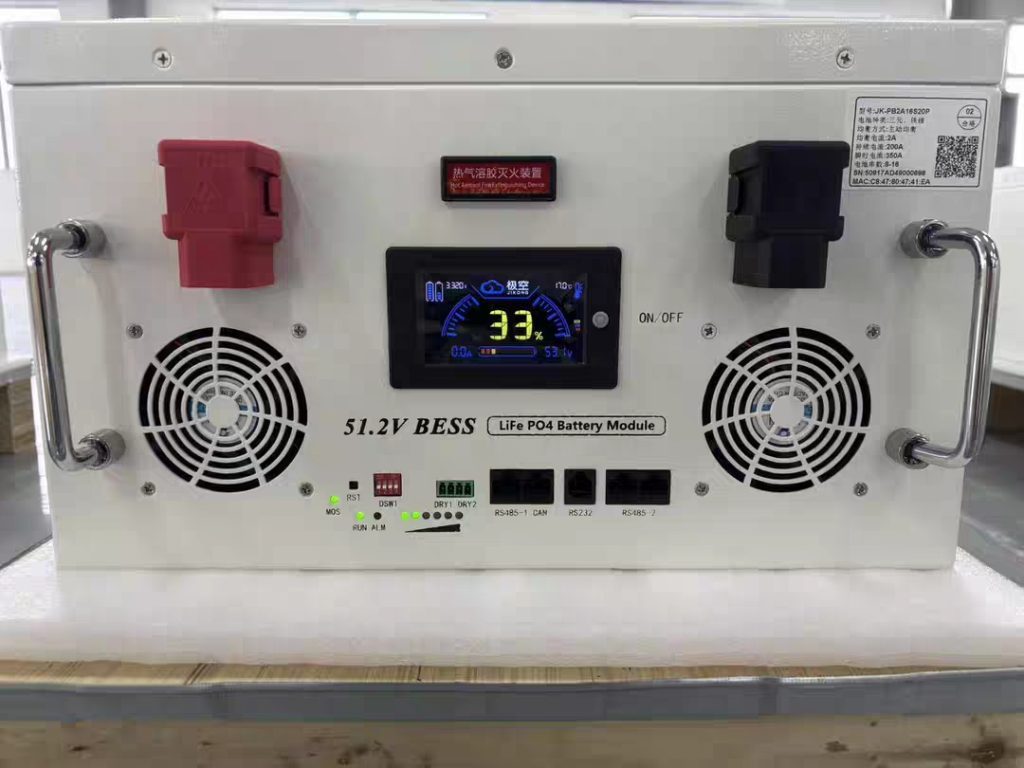
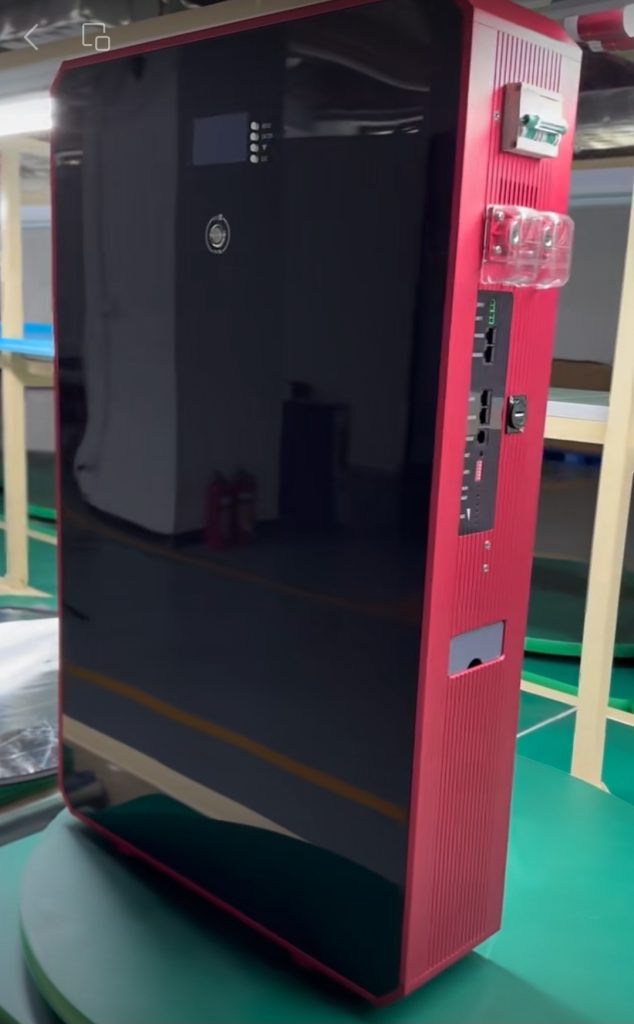
Lithium-ion batteries dominate China’s battery storage market, accounting for over 90% of newly installed capacity. Driven by the electric vehicle (EV) boom, China has developed a robust battery manufacturing ecosystem, with annual production capacity exceeding 500 GWh—more than triple that of the next-largest producer. This scale advantage has lowered battery costs by over 80% since 2010, enabling widespread adoption in solar-plus-storage projects.
Utility-scale battery storage projects are increasingly integrated with solar farms to smooth output fluctuations and provide ancillary services to the grid. For instance, the Qinghai Golmud Solar Park combines 500 MW of solar capacity with a 100 MWh lithium-ion battery system, allowing excess daytime generation to be stored and dispatched during peak evening demand. Such hybrid systems enhance grid resilience and maximize the utilization of solar assets.
Beyond lithium-ion, China is investing in next-generation battery technologies. Sodium-ion batteries, which use abundant and low-cost sodium instead of lithium, are being tested for stationary storage applications. Pilot projects in Jiangsu and Sichuan provinces aim to leverage sodium-ion’s thermal stability and longer cycle life for large-scale solar integration. Flow batteries, particularly vanadium redox flow batteries (VRFB), are also gaining attention for their scalability and long-duration storage capabilities. A 100 MW/400 MWh VRFB project in Dalian, Liaoning Province, demonstrates China’s commitment to diversifying storage technologies.
Pumped Hydro Storage: The Traditional Workhorse
Pumped hydro storage (PHS) remains China’s largest source of grid-scale energy storage, contributing over 45 GW of installed capacity—more than half of the global total. PHS facilities store energy by pumping water uphill to a reservoir during periods of excess generation (e.g., sunny days) and releasing it downhill through turbines to generate electricity when demand peaks.
China’s mountainous terrain provides ideal sites for PHS plants. The Fengning Pumped Storage Power Station in Hebei Province, with a capacity of 3.6 GW, is currently the world’s largest, capable of storing enough energy to power 3 million households for a day. New projects under construction, such as the Sichuan Ludila facility (3 GW), will further expand China’s PHS capacity. While PHS requires significant upfront investment and specific geographical conditions, its long lifespan (50–70 years) and high efficiency (70–85%) make it a cornerstone of China’s energy storage strategy.
Policy and Market Drivers
China’s success in solar and storage is underpinned by proactive government policies and market reforms. The 14th Five-Year Plan (2021–2025) sets ambitious targets: raising non-fossil fuel energy consumption to 20% by 2025 and achieving carbon peaking by 2030. To meet these goals, the National Development and Reform Commission (NDRC) has mandated that new solar projects include storage capacity equivalent to 10–20% of their generating capacity.
Financial incentives have also played a key role. Feed-in tariffs (FiTs) for solar power, though gradually phased out, initially guaranteed stable revenue streams for developers. Tax breaks, green bonds, and low-interest loans have further supported investment in solar and storage infrastructure. Additionally, the creation of national carbon trading markets allows solar generators to earn carbon credits, enhancing project profitability.
Market liberalization has fostered competition and innovation. The introduction of auctions for solar projects has driven down bid prices, while the integration of distributed solar into retail electricity markets encourages household and community participation. These measures have transformed China’s solar sector from a subsidy-dependent industry into a self-sustaining market leader.
Challenges and Future Outlook
Despite remarkable progress, China faces several challenges in scaling solar and storage. Grid integration remains a hurdle, as existing transmission networks struggle to handle the variable output of distributed solar farms. Upgrading grid infrastructure and implementing smart grid technologies—such as advanced forecasting tools and demand response systems—are critical to ensuring stability.
Raw material dependencies also pose risks. China dominates the processing of key minerals like polysilicon (used in solar panels) and lithium (for batteries), but geopolitical tensions and supply chain disruptions could threaten production. Diversifying sourcing and investing in recycling technologies—such as recovering lithium from used batteries—will be essential for long-term sustainability.
Looking ahead, China aims to achieve 1,200 GW of wind and solar capacity by 2030, with storage playing an indispensable role. Innovations in hydrogen storage, compressed air energy storage (CAES), and thermal storage are expected to complement existing technologies. For example, solar-generated electricity can split water into hydrogen via electrolysis, which can then be stored and used in industrial processes or re-electrified via fuel cells. Pilot hydrogen storage projects in Inner Mongolia and Shandong Province signal China’s exploration of multi-technology storage ecosystems.
Conclusion
China’s leadership in solar power generation and energy storage reflects its commitment to combating climate change and securing energy independence. Through relentless technological innovation, supportive policies, and massive investments, China has transformed solar energy from a niche alternative into a mainstream power source. As the world grapples with the urgency of decarbonization, China’s experience offers valuable lessons in scaling renewables and building resilient energy systems. By continuing to innovate and collaborate globally, China is poised to remain at the forefront of the renewable energy revolution, lighting the path toward a sustainable future.


No reply content