
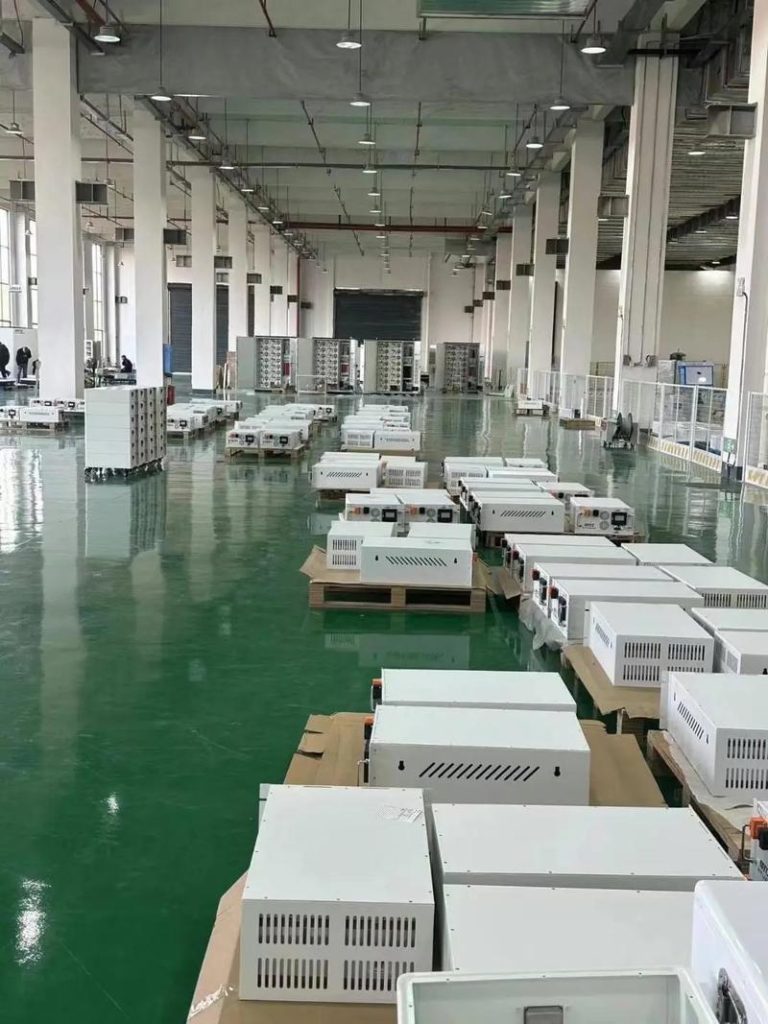
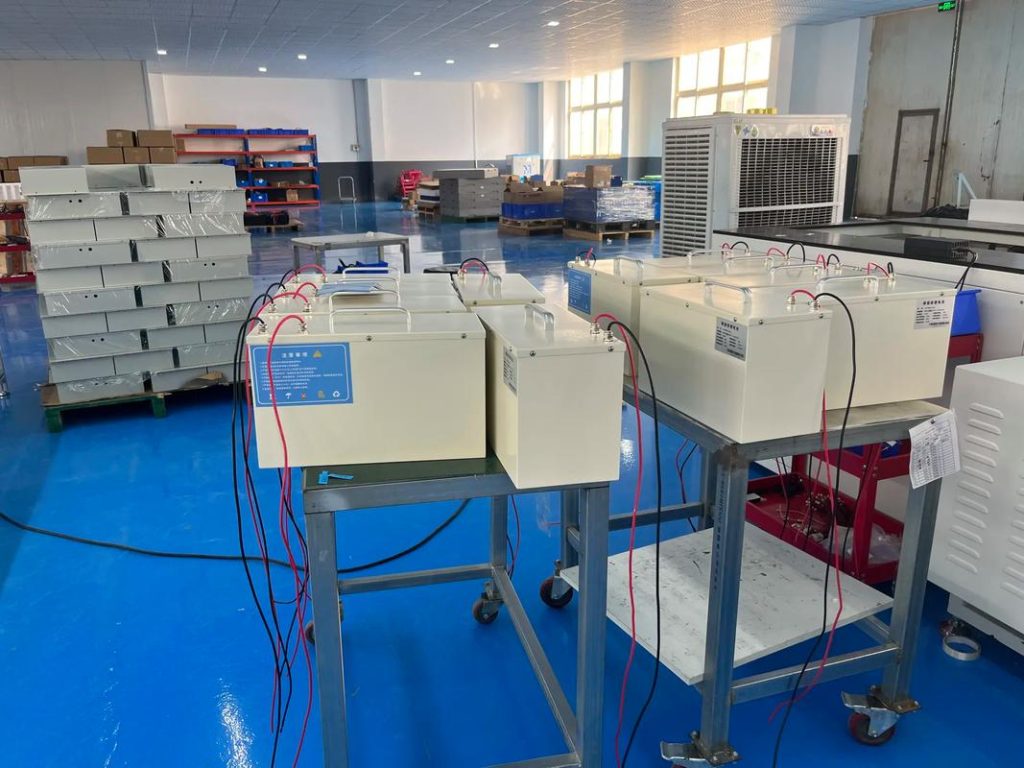
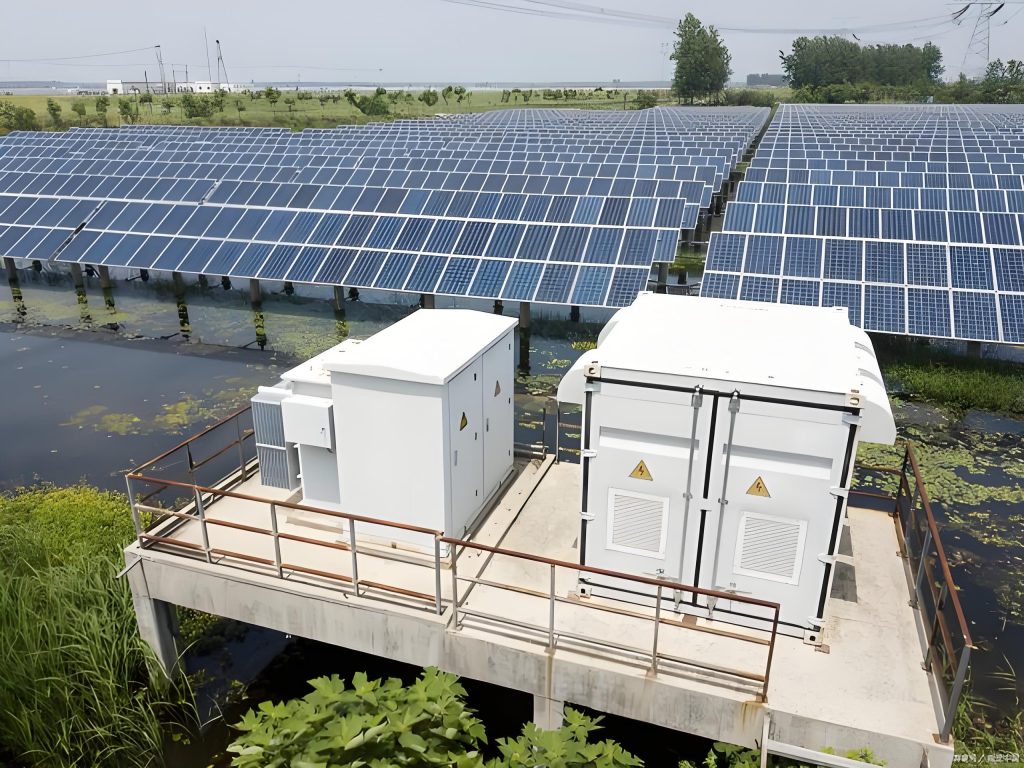
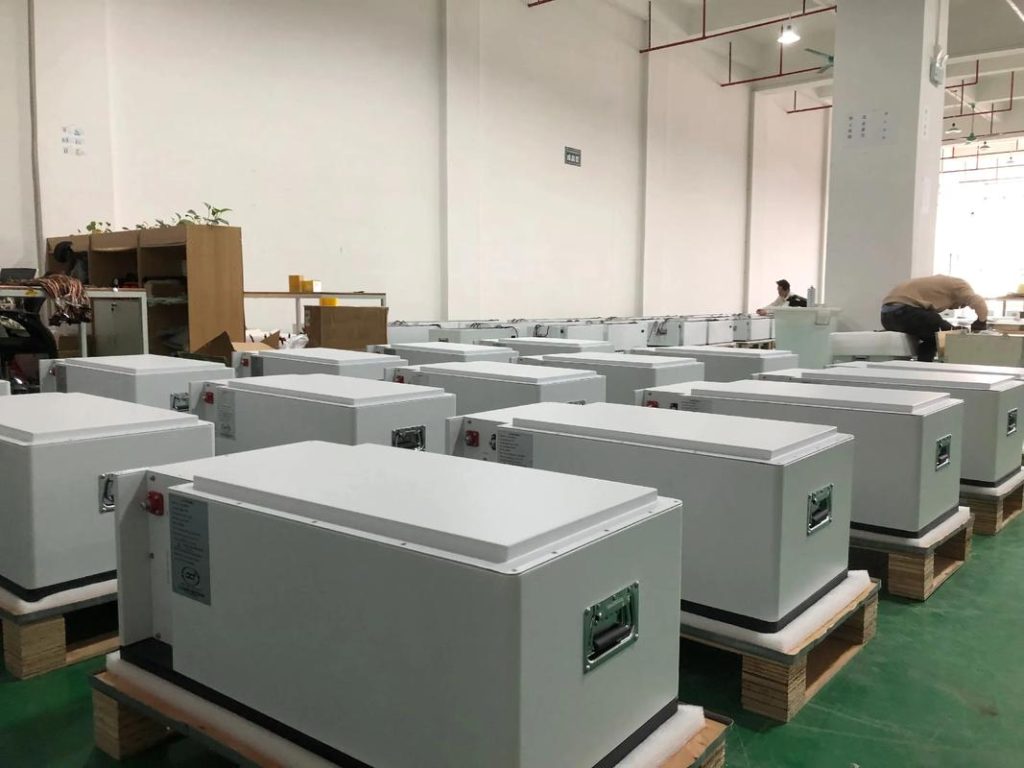

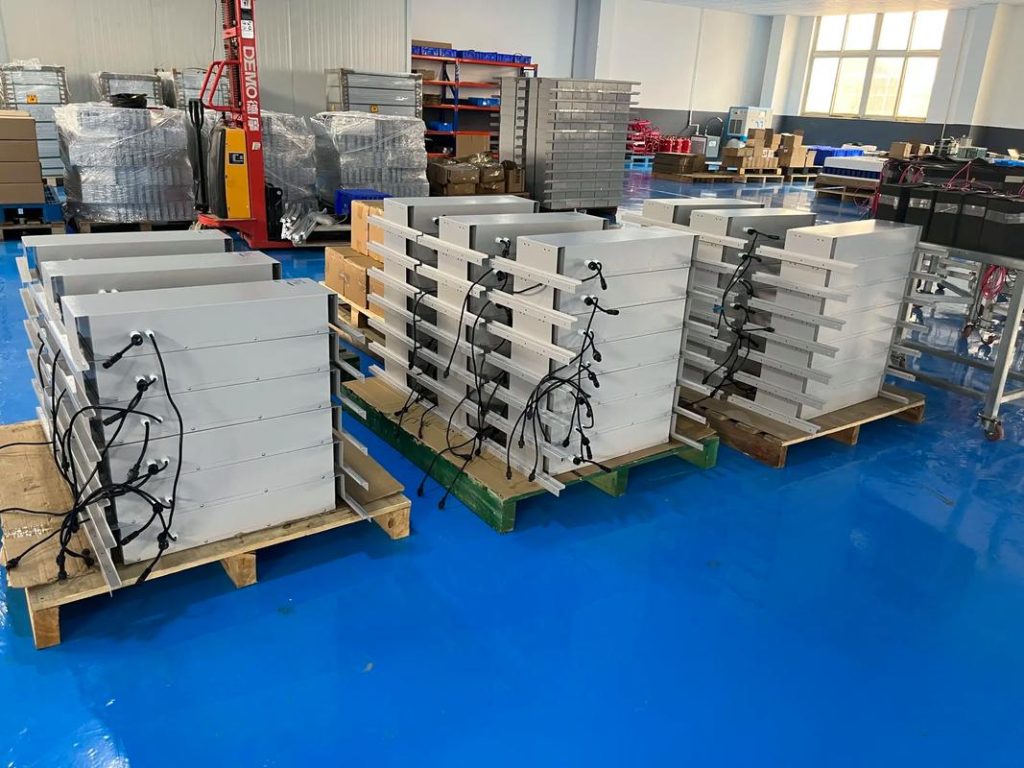
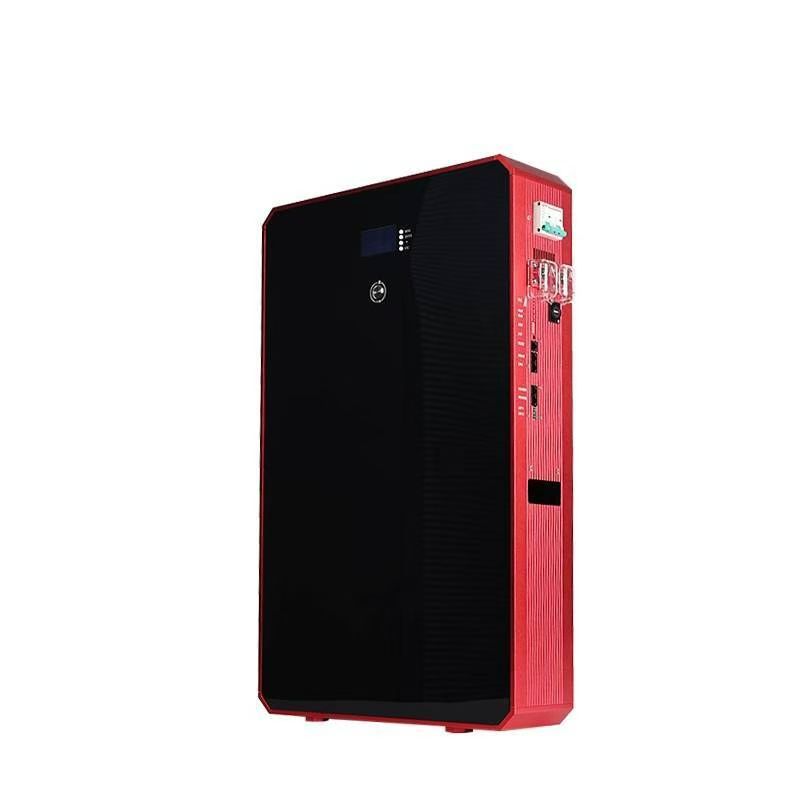
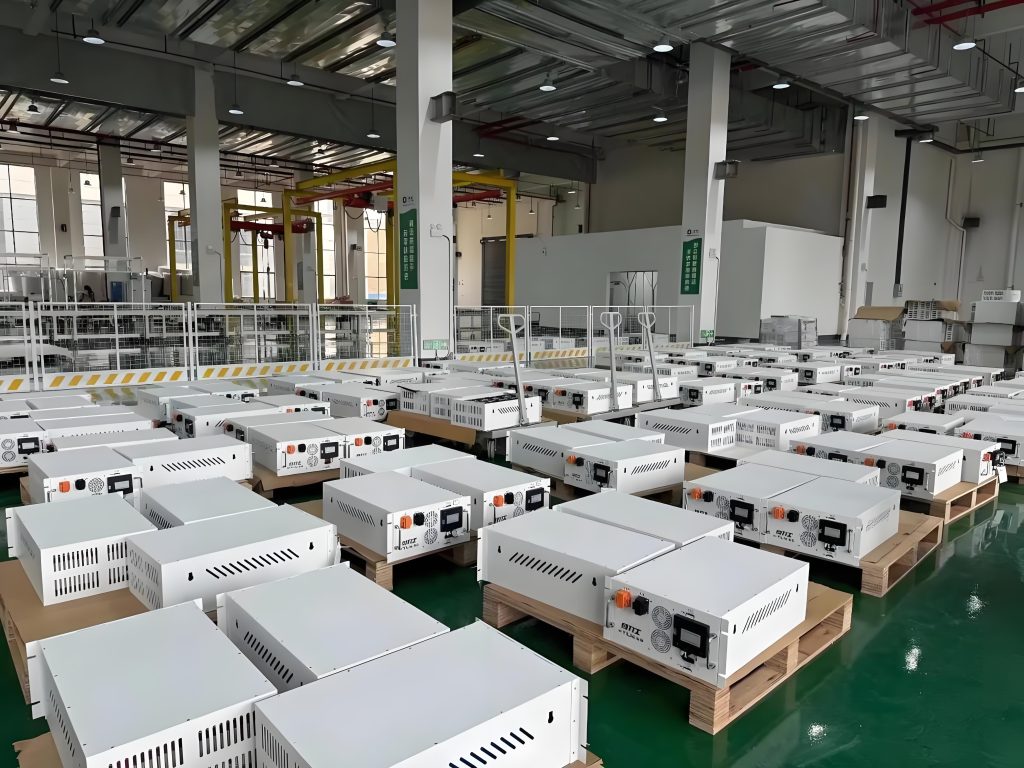
In the race to decarbonize the global energy system, inverters have emerged as unsung heroes—critical devices that convert direct current (DC) from solar panels and batteries into alternating current (AC) for grid use or direct consumption. As the world’s largest producer of solar energy and a rising star in energy storage, China has also cemented its position as the global hub for inverter manufacturing. Chinese inverter factories, renowned for their technological innovation, cost efficiency, and vertical integration, now supply over 60% of the world’s inverters, powering everything from rooftop solar systems to utility-scale wind farms. This article explores the rise of Chinese inverter factories, their technological edge, manufacturing excellence, and role in shaping the future of renewable energy.
China’s Dominance in the Global Inverter Market
-
Massive Domestic Market: With over 300 GW of installed solar capacity (the world’s largest), China’s factories benefit from economies of scale, allowing them to produce inverters at lower costs while meeting rigorous local quality standards.
-
Complete Supply Chain: China controls the entire inverter value chain, from semiconductor components (IGBTs, MOSFETs) to magnetic materials and circuit boards. This vertical integration minimizes reliance on imports and streamlines production.
-
Policy Tailwinds: Initiatives like the 14th Five-Year Plan and the Carbon Peaking Action Plan have prioritized renewable energy infrastructure, creating sustained demand for inverters. Subsidies for distributed solar and energy storage have further accelerated market growth.
Technological Innovation: The Engine of Chinese Inverter Factories
1. Ultra-High Efficiency Conversion
-
String Inverters: Widely used in residential and commercial systems, these now achieve 98.6–99% efficiency, up from 96% a decade ago.
-
Central Inverters: For utility-scale solar farms, central inverters exceed 99% efficiency, with some models reaching 99.2% under standard test conditions (STC).
-
MPPT Algorithms: Maximum Power Point Tracking (MPPT) technology, which optimizes energy harvest from solar panels, has evolved to handle complex shading and temperature variations. Advanced algorithms in Chinese inverters can boost energy yield by 5–10% compared to older models.
2. Smart and Connected Inverters
-
Remote Monitoring: Built-in Wi-Fi, Ethernet, or 4G connectivity allows real-time tracking of performance, faults, and energy production via mobile apps or cloud platforms.
-
Predictive Maintenance: AI algorithms analyze data from sensors (voltage, temperature, current) to predict component failures before they occur, reducing downtime by 30–40%.
-
Grid Interaction: Smart inverters comply with advanced grid codes, supporting functions like reactive power compensation and frequency regulation—critical for stabilizing grids with high renewable penetration.
3. Compatibility with Diverse Energy Sources
-
Hybrid Inverters: Integrate solar, battery storage, and grid connection in a single unit, simplifying installation for residential and commercial users.
-
Bidirectional Inverters: Enable energy storage systems to charge from solar/wind and discharge to power loads or export to the grid.
-
Wide Input Voltage Range: Accommodate varying DC inputs from different panel types (monocrystalline, polycrystalline, bifacial) and battery chemistries (lithium-ion, lead-acid).
4. Adoption of Wide-Bandgap Semiconductors
-
SiC-Based Inverters: Reduce switching losses by 50% compared to silicon-based counterparts, allowing higher power density (more power in a smaller footprint).
-
Higher Switching Frequencies: Enable compact designs with fewer passive components (inductors, capacitors), lowering manufacturing costs and installation complexity.
Manufacturing Excellence: Quality Control and Vertical Integration
1. Rigorous Quality Assurance
-
Component Testing: All incoming parts (capacitors, resistors, semiconductors) undergo electrical and environmental stress tests.
-
In-Process Inspection: Automated optical inspection (AOI) and X-ray imaging detect soldering defects or component misplacements on circuit boards.
-
End-of-Line Validation: Each inverter is tested for efficiency, harmonic distortion, and protection features (overvoltage, short-circuit, overheating) under simulated real-world conditions.
2. Automation and Smart Factories
-
Robotic Assembly: Robots handle repetitive tasks like component placement, soldering, and screw tightening, improving precision and speed.
-
AI-Powered Defect Detection: Machine learning models analyze images of circuit boards to identify microscopic flaws invisible to the human eye.
-
Digital Twin Technology: Virtual replicas of production lines simulate and optimize workflows, reducing waste and downtime.
3. Sustainable Manufacturing Practices
-
Energy-Efficient Production: Factories use solar power and energy recovery systems to cut electricity consumption.
-
Waste Recycling: Scrap metals, plastics, and electronic components are recycled to minimize landfill waste.
-
Low-VOC Materials: Solder pastes and adhesives with reduced volatile organic compounds (VOCs) improve workplace safety and air quality.
Applications Across Renewable Energy Sectors
-
Residential Solar: Compact string inverters (1–10 kW) with plug-and-play installation and user-friendly apps dominate this segment.
-
Commercial & Industrial (C&I): Three-phase string inverters (10–125 kW) and modular central inverters support larger rooftops and ground-mounted systems.
-
Utility-Scale Solar Farms: Central inverters (250 kW–3.5 MW) and string inverters in parallel configurations handle megawatt-scale projects, with features like PID (Potential Induced Degradation) prevention.
-
Energy Storage Systems (ESS): Bidirectional inverters enable seamless integration of batteries with solar/wind, supporting peak shaving and backup power.
-
Microgrids and Off-Grid Systems: Hybrid inverters with diesel generator compatibility provide reliable power in remote areas.
Policy and Market Drivers Fueling Growth
-
Domestic Policy Support: Mandates like the “Renewable Energy Law” and subsidies for distributed solar have created a stable domestic market. The government also enforces strict grid codes, pushing factories to innovate.
-
Export Opportunities: Rising global demand for affordable renewables—driven by falling solar panel costs and climate commitments—has opened doors to emerging markets. Chinese inverters’ price competitiveness (10–20% lower than European counterparts) makes them attractive to budget-conscious buyers.
-
Technological Collaboration: Partnerships with universities and research institutes (e.g., Chinese Academy of Sciences) accelerate R&D in areas like SiC inverters and AI-driven grid management.
Challenges and Future Outlook
-
Semiconductor Dependencies: High-performance IGBTs and SiC chips are still largely imported, exposing factories to supply chain disruptions and trade tensions.
-
International Competition: European and American manufacturers are focusing on premium, high-margin products, targeting niche markets.
-
Evolving Standards: Stricter grid codes and safety regulations in export markets require continuous adaptation.
-
Investing in Domestic Chip Production: Building fabs for SiC and GaN semiconductors to reduce import reliance.
-
Expanding Globally: Establishing overseas factories and service centers to bypass trade barriers and serve local markets.
-
Leading Next-Gen Technologies: Pioneering inverters with blockchain integration for peer-to-peer energy trading and hydrogen-compatible designs for green hydrogen production.


No reply content