
China lychee supplier
Introduction
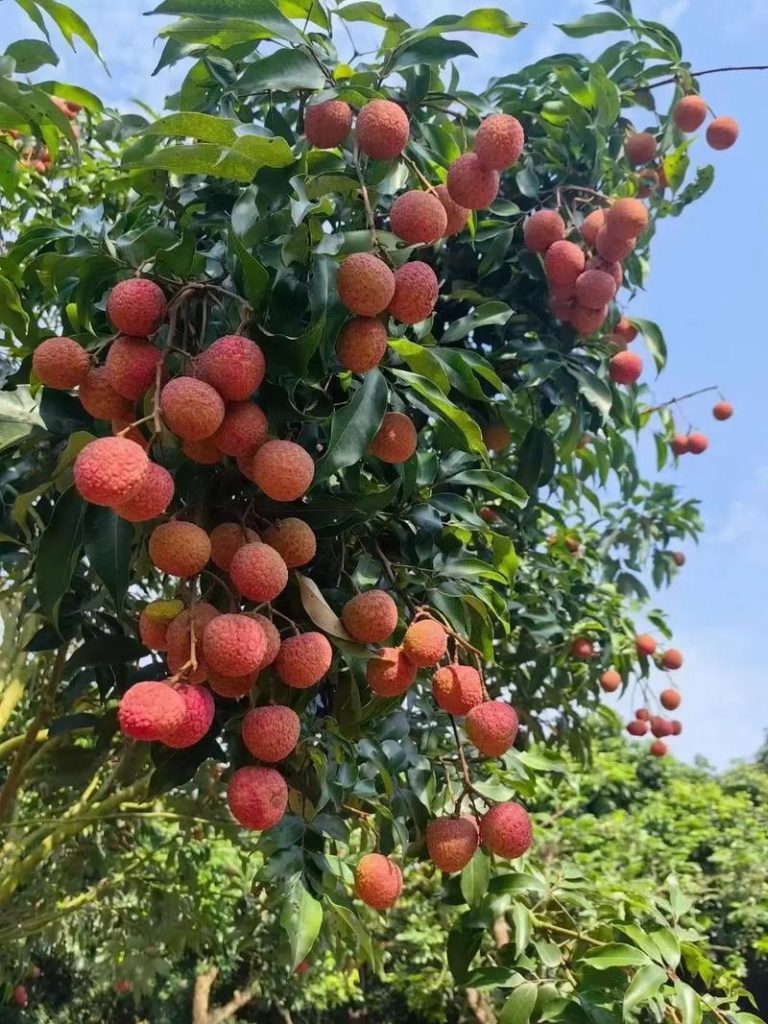
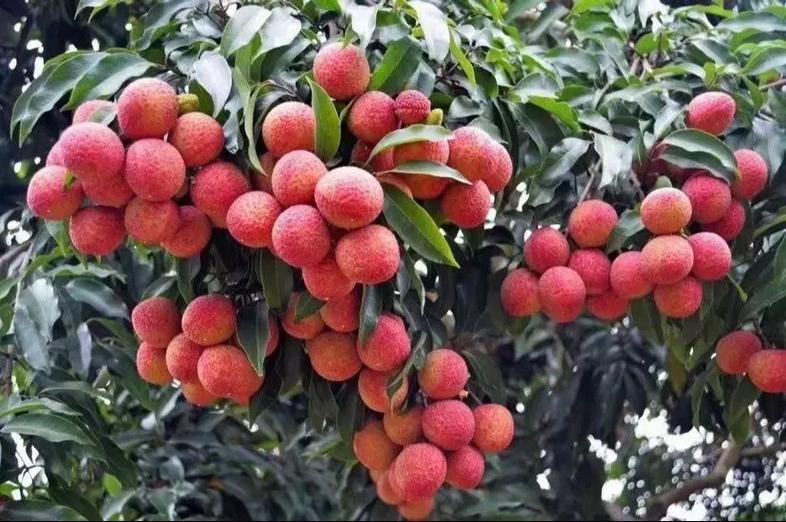
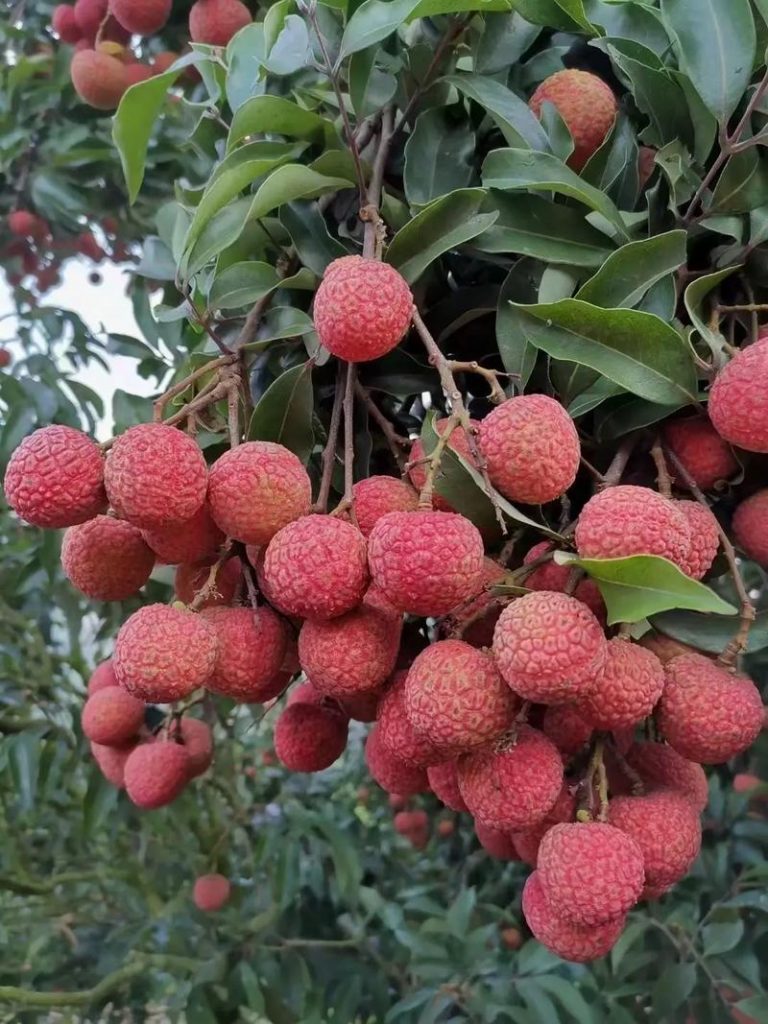
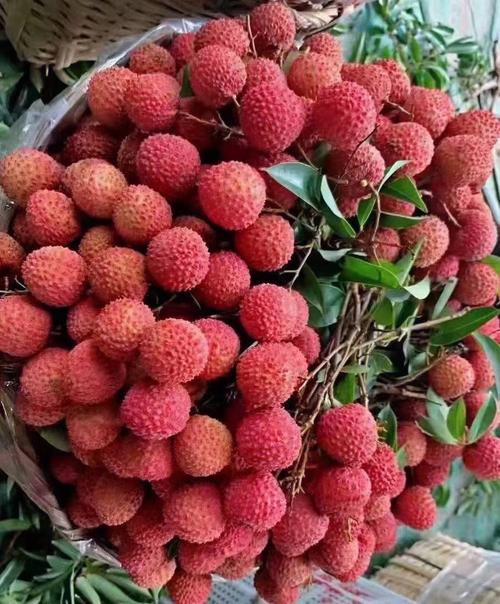
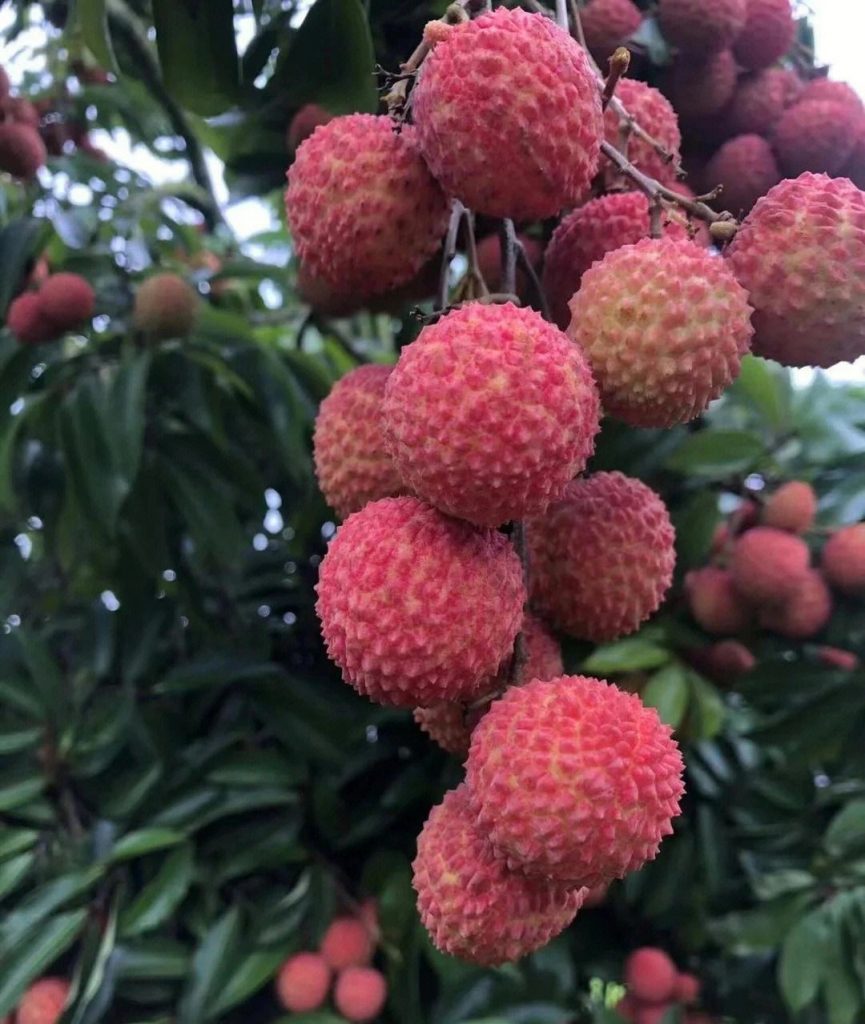
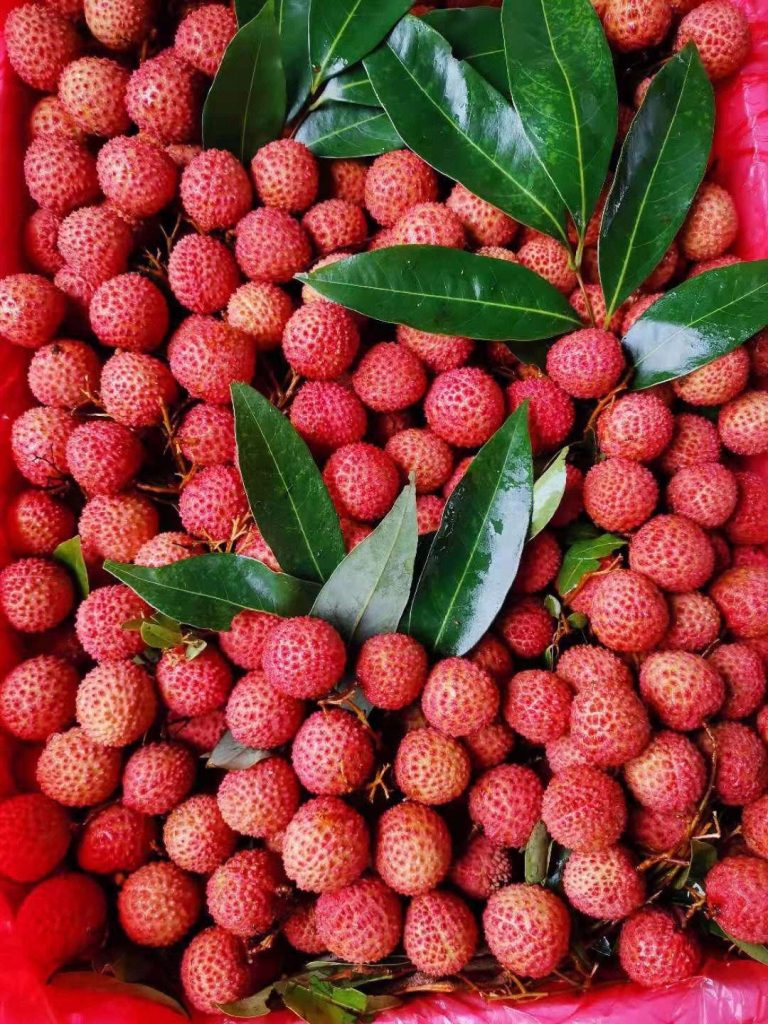
Lychee (Litchi chinensis), often hailed as the “king of fruits,” is a tropical delicacy celebrated for its translucent flesh, floral aroma, and honey-like sweetness. Native to southern China, this fruit has been cultivated for over 2,000 years, with its cultivation spreading across Asia and beyond. Today, China dominates global lychee production, accounting for approximately 60% of the world’s output, thanks to its favorable subtropical climate, rich soil, and centuries-old horticultural expertise. For international buyers, sourcing lychees from Chinese exporters offers access to premium varieties, reliable supply chains, and competitive pricing. However, exporting lychees—an ultra-perishable fruit—requires specialized knowledge, advanced logistics, and strict quality control. This article explores the landscape of Chinese lychee exporters, their core competencies, supply chain innovations, and how they bridge the gap between Chinese orchards and global markets.
I. The Chinese Lychee Industry: A Legacy of Flavor and Scale
China’s lychee industry is rooted in tradition but driven by modern agriculture. The fruit thrives in provinces with warm, humid summers and mild winters, primarily:
-
Guangdong: The largest producer, known for varieties like Feizixiao (妃子笑, “Smiling Princess”) and Guiwei (桂味, “Osmanthus Flavor”).
-
Guangxi: Renowned for Nuomici (糯米糍, “Glutinous Rice”), prized for its intense sweetness.
-
Fujian: Cultivates early-maturing varieties like Heiye (黑叶, “Black Leaf”), extending the export season.
-
Hainan: The southernmost province, producing lychees as early as April, giving it a first-mover advantage in global markets.
Annually, China produces over 2 million metric tons of lychees, with 10-15% destined for export. Key export markets include Southeast Asia (Singapore, Malaysia), the Middle East (UAE, Saudi Arabia), Europe (France, Netherlands), and North America (USA, Canada). The fruit’s short harvest season (May-July) and perishability make timing, logistics, and quality control critical for exporters.
II. Core Competencies of Leading Chinese Lychee Exporters
Exporting lychees is no small feat. Suppliers must overcome challenges like rapid spoilage (ethylene production accelerates ripening), strict international phytosanitary standards, and long-haul transportation. Top exporters distinguish themselves through five key strengths:
A. Orchard Partnerships and Direct Sourcing
Reliable exporters cultivate long-term relationships with trusted growers, often in exclusive partnerships. This ensures:
-
Quality Consistency: Growers adhere to standardized practices (pruning, fertilization, pest control) to maintain uniform fruit size, color, and sugar content (Brix level ≥18%).
-
Traceability: Each batch is tracked from orchard to export, with records of planting dates, pesticide applications, and harvest times—critical for meeting EU and US traceability requirements.
-
Early Access: Partnerships in Hainan and Fujian allow exporters to secure early-season harvests, filling market gaps before competitors.
B. Advanced Precooling and Preservation Technologies
Lychees spoil within 2-3 days at room temperature, but exporters use cutting-edge methods to extend shelf life:
-
Precooling: Harvested fruit is cooled to 0-2°C within 2 hours using hydrocooling (immersion in chilled water) or forced-air cooling (circulating cold air). This halts enzymatic activity and microbial growth.
-
Modified Atmosphere Packaging (MAP): Fruits are packed in bags with adjusted oxygen (3-5%) and carbon dioxide (5-8%) levels, slowing respiration. Some exporters use edible coatings (e.g., chitosan) to lock in moisture.
-
Cold Chain Integration: From packinghouses to ports, lychees are stored in refrigerated containers (reefers) set to 0-2°C. GPS-enabled sensors monitor temperature and humidity in real time, alerting handlers to deviations.
C. Rigorous Quality Control and Grading
Exporters enforce strict grading standards to meet buyer expectations:
-
Size and Appearance: Fruits are sorted by diameter (large: ≥30mm, medium: 25-29mm) and color (red/pink skin, no blemishes).
-
Maturity Control: Only lychees at 7-8 maturity (pale red skin, firm flesh) are harvested—overripe fruit spoils faster, while underripe fruit lacks sweetness.
-
Safety Testing: Every batch undergoes third-party lab testing for pesticide residues (meeting EU MRLs, US FDA limits), heavy metals, and microbial contaminants (e.g., E. coli, mold).
D. Compliance with International Regulations
Exporting to regulated markets requires navigating complex rules:
-
Phytosanitary Certificates: Issued by China’s General Administration of Customs (GACC), certifying freedom from pests (e.g., lychee fruit borer) and diseases.
-
Certifications: Leading exporters hold certifications like GAP (Good Agricultural Practices), HACCP (Hazard Analysis and Critical Control Points), ISO 22000 (Food Safety Management), and organic certifications (e.g., China Organic, EU Organic).
-
Labeling Requirements: Labels must include origin, variety, net weight, harvest date, and storage instructions—critical for EU and US consumers.
E. Flexible Logistics and Market Adaptation
Exporters tailor logistics to market needs:
-
Air Freight: For high-value markets (Europe, North America), lychees are shipped via air (3-5 days) in insulated containers with dry ice or gel packs.
-
Sea Freight: To cost-sensitive markets (Southeast Asia, Middle East), reefer ships are used (7-15 days), with consolidation to reduce costs.
-
Seasonal Adjustments: During peak harvest (June-July), exporters allocate more capacity to sea freight; for early/late seasons, air freight ensures timely delivery.
III. The Lychee Export Supply Chain: From Orchard to Global Tables
The journey of a Chinese lychee from tree to foreign supermarket involves six meticulous steps:
1. Harvesting at Optimal Maturity
Growers pick lychees by hand in the early morning (6-8 AM) to avoid heat stress. Fruit is selected for uniform ripeness, with stems trimmed to 1-2cm to reduce moisture loss.
2. Precooling and Initial Sorting
Harvested fruit is transported to packinghouses within 1 hour. There, it undergoes hydrocooling (0-2°C water) for 30 minutes, followed by sorting to remove damaged or undersized fruits.
3. Washing and Sanitizing
Lychees are gently washed with chlorinated water (50-100ppm chlorine) to remove dirt and microbes, then rinsed with potable water to eliminate residue.
4. Packaging for Export
Fruit is packed in:
-
Foam Boxes: Lined with absorbent paper and gel ice packs (maintaining 0-2°C for 48-72 hours).
-
Corrugated Cartons: For bulk shipments, with ventilation holes to prevent condensation.
-
Retail Packs: Small punnets (500g-1kg) for supermarkets, often with branding and origin labels.
5. Cold Chain Transportation
Packed lychees are loaded into reefer containers (sea) or temperature-controlled trucks (airport transfers). For air freight, they are placed in ULDs (Unit Load Devices) with active cooling systems.
6. Destination Handling
Upon arrival, importers transfer lychees to cold storage (0-2°C) and distribute them to retailers within 24-48 hours to maximize freshness.
IV. Market Applications: Meeting Global Consumer Preferences
Chinese lychee exporters cater to diverse markets by adapting varieties, packaging, and marketing:
A. Southeast Asia: Fresh Consumption Focus
Markets like Singapore and Malaysia prioritize freshness and affordability. Exporters supply Feizixiao (early-maturing, sweet-tart) and Guiwei (aromatic), packed in foam boxes for street vendors and wet markets.
B. Middle East: Premium and Convenience
In the UAE and Saudi Arabia, lychees are a luxury Ramadan treat. Exporters offer premium grades (large, unblemished) in gift boxes, often paired with dried lychee snacks or juice.
C. Europe: Organic and Traceable
European buyers (France, Netherlands) emphasize organic certification and sustainability. Exporters highlight pesticide-free cultivation, blockchain traceability (tracking orchard to shelf), and eco-friendly packaging (biodegradable punnets).
D. North America: Retail and Foodservice
US and Canadian markets prefer ready-to-eat formats. Exporters supply retail packs to supermarkets (Whole Foods, Walmart) and bulk shipments to restaurants for desserts (lychee sorbet, cocktails).
V. How to Choose a Reliable Chinese Lychee Exporter
For international buyers, selecting the right exporter is critical to securing quality and profitability. Key criteria include:
1. Certification and Compliance
Verify exporters hold valid phytosanitary certificates, GAP/HACCP certifications, and registration with GACC. Ask for copies of recent lab test reports (pesticide residues, Brix levels).
2. Supply Capacity and Flexibility
Assess their harvest calendar (can they supply May-July consistently?), minimum order quantities (MOQs: typically 500kg-1 ton for air freight, 5-10 tons for sea freight), and ability to scale during peak season.
3. Preservation Technology
Inquire about precooling methods (hydrocooling vs. forced-air), packaging materials (gel packs vs. dry ice), and cold chain experience (e.g., number of reefer containers owned).
4. Market Experience
Choose exporters with a track record in your target market (e.g., EU-compliant exporters for European buyers). Ask for references from previous clients.
5. Pricing and Payment Terms
Compare FOB (Free on Board) prices across suppliers, factoring in freight costs. Negotiate payment terms (e.g., 30% deposit, 70% against BL copy) and clarify liability for spoilage (insurance coverage).
VI. Future Trends in Chinese Lychee Exports
The industry is evolving to meet changing consumer demands and technological advancements:
A. Expansion of Organic Farming
Growing demand for organic lychees has spurred exporters to partner with growers using natural pesticides (neem oil, beneficial insects) and composting. Organic certification (EU, USDA) is becoming a key selling point.
B. Blockchain Traceability
Some exporters are adopting blockchain to create immutable records of orchard practices, harvest dates, and transport conditions. This transparency appeals to ethically conscious buyers in Europe and North America.
C. Product Diversification
Beyond fresh lychees, exporters are developing value-added products: dried lychees (no added sugar), lychee juice concentrate, and frozen pulp for bakeries. These extend the sales season beyond summer.
D. Emerging Market Penetration
Exporters are targeting untapped markets like Africa (South Africa, Nigeria) and Latin America (Brazil, Mexico), where rising disposable incomes drive demand for exotic fruits.
E. Sustainability Initiatives
To reduce environmental impact, exporters are adopting reusable packaging (plastic crates instead of foam boxes), optimizing reefer container loads to cut carbon emissions, and investing in solar-powered packinghouses.
VII. FAQ: Chinese Lychee Exporters
1. What are the main lychee varieties exported from China?
Key varieties include Feizixiao (early-maturing, sweet-tart), Guiwei (aromatic, premium), Nuomici (ultra-sweet), and Heiye (early-season). Exporters often mix varieties to extend the supply season (April-July).
2. How long can exported lychees stay fresh?
With proper precooling (0-2°C) and MAP packaging, lychees last 7-15 days by sea and 5-7 days by air. At room temperature, freshness drops to 2-3 days.
3. Which countries are the top importers of Chinese lychees?
Southeast Asia (Singapore, Malaysia), the Middle East (UAE, Saudi Arabia), Europe (France, Netherlands), and North America (USA, Canada) are leading markets.
4. What certifications do Chinese lychee exporters need?
Essential certifications include phytosanitary certificates (GACC), GAP, HACCP, ISO 22000, and market-specific standards (e.g., EU Organic, USDA NOP).
5. Is air freight or sea freight better for lychees?
Air freight is ideal for high-value, short-distance markets (Europe, North America) due to speed (3-5 days). Sea freight suits cost-sensitive, long-distance markets (Southeast Asia, Middle East) with longer shelf-life tolerance (7-15 days).
6. How do exporters control pesticide residues?
Growers follow integrated pest management (IPM) practices, using biological controls (predatory insects) and limiting synthetic pesticides. Regular lab testing ensures residues meet EU MRLs (0.01-0.1ppm) and US FDA limits.
7. What is the typical MOQ for lychee exports?
MOQs vary by transport mode: 500kg-1 ton for air freight (small retailers), 5-10 tons for sea freight (wholesalers). Some exporters accept smaller orders for new clients.
8. How are lychees packaged for export?
Common packaging includes foam boxes with gel ice packs (retail), corrugated cartons (bulk), and retail punnets (supermarkets). All use ventilated designs to prevent condensation.
9. What challenges do exporters face?
Key challenges include perishability (spoilage risk), fluctuating international prices, phytosanitary barriers (e.g., EU bans on certain pesticides), and currency exchange volatility.
10. Can exporters customize packaging for branding?
Yes. Most exporters offer OEM services, printing client logos, origin labels, and nutritional info on boxes/punnets for retail branding.
11. How do exporters handle spoilage claims?
Reputable exporters provide insurance coverage (1-2% of shipment value) and investigate claims promptly. If spoilage exceeds agreed thresholds (e.g., 5%), they offer partial refunds or replacements.
12. What is the harvest season for Chinese lychees?
The main season runs May-July, with Hainan harvesting earliest (April-May), followed by Guangdong/Guangxi (June-July), and Fujian (July).
13. Are Chinese lychees organic?
Some exporters offer certified organic lychees (China Organic, EU Organic), grown without synthetic pesticides. These command a 20-30% price premium in Europe and North America.
14. How do exporters ensure traceability?
Each batch is assigned a unique ID, linked to orchard location, harvest date, and processing records. Blockchain systems now enable end-to-end tracking for buyers.
15. What payment methods are common?
Letters of Credit (L/C) are preferred for large orders, while T/T (Telegraphic Transfer) is used for smaller transactions. Escrow services are gaining popularity for new clients.
16. Can exporters supply lychees year-round?
Fresh lychees are seasonal (April-July), but exporters offer frozen pulp, dried lychees, or preserved products (juice, jam) for year-round supply.
17. How do exporters adapt to EU phytosanitary rules?
They avoid banned pesticides (e.g., chlorpyrifos), implement cold treatment (0°C for 16 days) to kill pests, and provide detailed fumigation/disinfection records.
18. What is the typical Brix level of exported lychees?
Premium grades have Brix levels ≥18% (sweetness comparable to honey). Lower grades (12-15%) are sold to price-sensitive markets.
19. Do exporters offer mixed-container shipments?
Yes. To optimize costs, exporters consolidate lychees with other fruits (longan, mango) in reefer containers, splitting costs with other shippers.
20. What is the future of Chinese lychee exports?
Growth will be driven by organic expansion, blockchain traceability, value-added products, and penetration of emerging markets (Africa, Latin America). Sustainability initiatives will also play a key role.
Conclusion
Chinese lychee exporters are more than suppliers—they are curators of a fruit cherished worldwide. By mastering preservation, quality control, and compliance, they transform a perishable crop into a global commodity, sharing the taste of summer with consumers from Dubai to Paris. For international buyers, partnering with a reliable exporter means accessing not just fresh lychees, but a legacy of flavor, trust, and innovation. As the industry embraces sustainability and technology, the future of Chinese lychee exports looks as bright as the fruit itself—sweet, vibrant, and full of promise.