China has long been recognized as one of the world’s most important mushroom-producing regions. With a favorable climate, advanced agricultural techniques, and a history of cultivating edible fungi that spans centuries, the country has become a global hub for mushroom cultivation and supply. As consumer demand continues to shift toward healthier foods, plant-based diets, and natural ingredients, high-quality mushrooms sourced from trusted Chinese planting bases have gained significant attention in the international market.
This article explores the foundation of a premium Chinese mushroom supplier—from how planting bases are organized to how mushrooms are harvested, processed, packaged, and supplied to wholesalers worldwide. Whether for fresh markets, dried mushroom distributors, food processors, or international importers, a professional mushroom planting base plays a crucial role in ensuring consistent quality and reliable supply.
1. The Rise of China’s Modern Mushroom Production
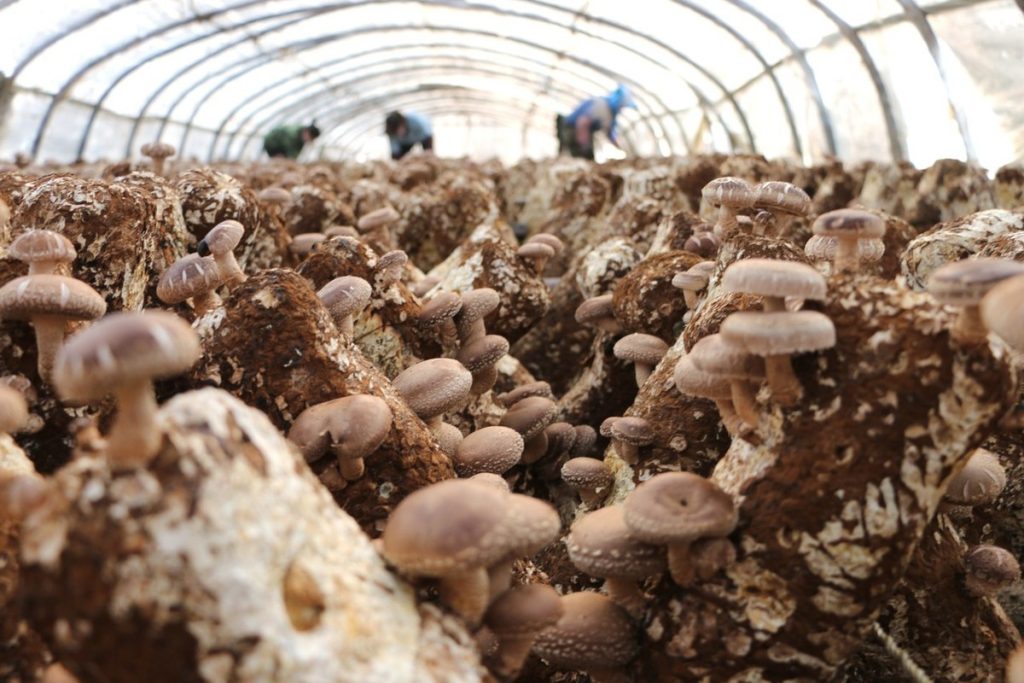
China is home to an incredible variety of edible mushrooms, including shiitake, oyster mushrooms, black fungus, enoki, king oyster, and many specialty varieties. Over the past decade, modern mushroom farms have transformed from traditional small workshops into highly standardized agricultural facilities.
Today’s planting bases often feature:
- Controlled-environment mushroom houses
- Fully automated temperature and humidity systems
- Sterile substrate rooms
- Organic cultivation methods
- Real-time production monitoring
These advancements allow suppliers to meet the increasing demand for mushrooms in both domestic and international markets.
2. What Makes a Reliable Mushroom Planting Base?
A premium planting base is the backbone of a trustworthy mushroom supplier. It must deliver consistent output, maintain strict hygiene standards, and manage cultivation cycles efficiently. Several factors define a high-quality mushroom base:
2.1 Environmentally Controlled Growing Rooms
Modern bases maintain optimal conditions for each mushroom type, including:
- Temperature control
- Humidity management
- Air circulation
- Light exposure
- Carbon dioxide levels
These conditions ensure mushrooms grow uniformly and maintain excellent texture and flavor.
2.2 High-Quality Cultivation Substrates
Many suppliers use natural agricultural by-products such as:
- Sawdust
- Cottonseed hulls
- Corncobs
- Bran
These organic materials help mushrooms grow in a nutrient-rich and chemical-free environment, contributing to cleaner and safer food products.
2.3 Strict Hygiene and Food Safety
Professional planting bases follow international food safety guidelines, preventing contamination and ensuring each batch of mushrooms meets market standards. Clean rooms, sterilized tools, and trained workers form the core of safe mushroom production.
2.4 Trained Agricultural Technicians
Cultivating mushrooms requires precision. Skilled technicians monitor the entire cycle—from spawning and incubation to harvesting and drying—ensuring optimum quality.
3. Mushroom Varieties Commonly Produced for Wholesale
A comprehensive Chinese mushroom supplier typically offers multiple varieties to satisfy diverse global markets:
3.1 Shiitake Mushrooms
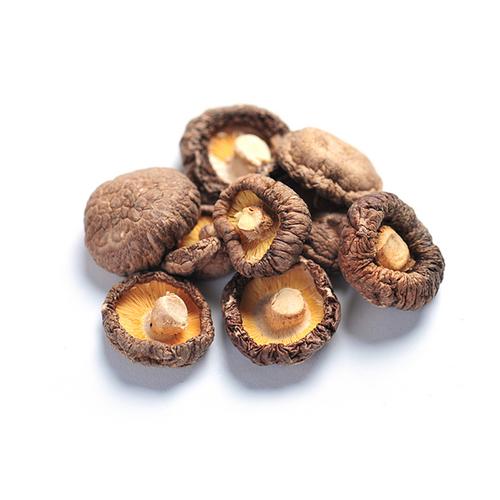
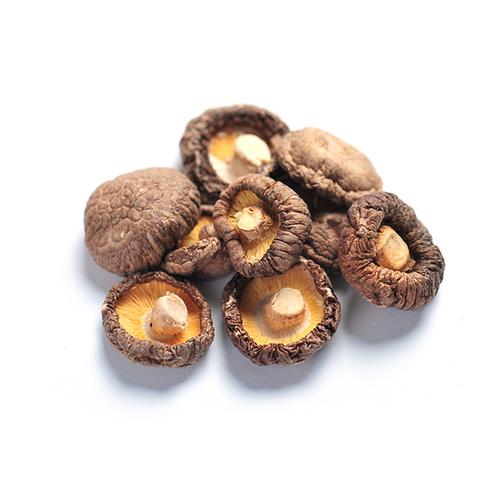
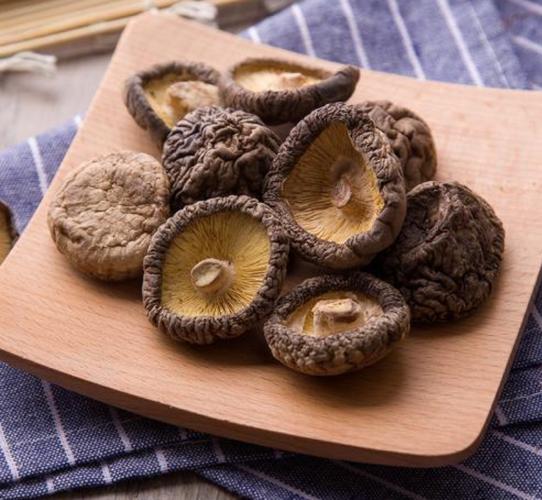
Highly aromatic and rich in umami flavor, shiitake mushrooms are among the most exported varieties. They are available fresh or dried, suitable for restaurants, retailers, and food processors.
3.2 Oyster Mushrooms
Soft texture, mild flavor, and high yield make oyster mushrooms popular in North America, Europe, and Southeast Asia.
3.3 Enoki Mushrooms
Slim, delicate enoki mushrooms require strict climate control and careful handling, making them a signature product of modern planting bases.
3.4 King Oyster Mushrooms
Known for their firm texture and versatility, king oyster mushrooms are widely used in plant-based meat alternatives.
3.5 Black Fungus (Wood Ear)
A staple in Asian cuisine, black fungus is valued for its crisp texture and health benefits. It is commonly supplied dried for easy export.
4. From Planting Base to Global Wholesale: Supply Chain Overview
A reputable mushroom supplier operates a complete supply chain—from cultivation to global distribution. The process typically includes:
4.1 Harvesting
Mushrooms are harvested at peak maturity to ensure the best taste and nutrient profile. Workers follow strict procedures to avoid damage or contamination.
4.2 Sorting and Grading
Mushrooms are classified by:
- Size
- Color
- Shape
- Moisture content
- Freshness
Grading ensures wholesalers receive consistent quality that matches their market requirements.
4.3 Packaging
Depending on the product, packaging formats include:
- Fresh produce boxes
- Vacuum-sealed bags
- Retail-ready pouches
- Bulk export cartons
- Dried mushroom packaging
Proper packaging protects mushrooms during long-distance transport and maintains freshness.
4.4 Export Logistics
The supplier manages cold-chain or ambient shipping based on mushroom type. Efficient logistics networks ensure timely delivery to importers and distributors worldwide.
5. Why Global Buyers Prefer Chinese Mushroom Suppliers
Chinese suppliers have several competitive advantages:
5.1 Stable Year-Round Output
With comprehensive planting bases and climate-controlled houses, suppliers can produce mushrooms in all seasons, ensuring uninterrupted supply.
5.2 Large Production Capacity
China’s scale allows suppliers to support:
- Bulk orders
- Long-term supply contracts
- Customized product specifications
5.3 Competitive Prices
Efficient cultivation systems and rich agricultural resources help keep production costs low.
5.4 Strict Quality Control
Modern suppliers comply with:
- HACCP
- ISO food safety standards
- Export inspection requirements
This gives international buyers confidence in product quality.
6. Applications of Wholesale Mushrooms in Global Markets
Wholesale mushrooms are in high demand across multiple industries:
- Retail supermarkets
- Food processing companies
- Restaurants and catering businesses
- Manufacturers of plant-based meat
- Nutritional supplement brands
- Instant noodle and snack factories
Each sector has its own quality specifications, and a professional supplier can tailor products accordingly.
7. The Future of Mushroom Cultivation in China
As global consumers pursue natural, low-fat, plant-based food options, the mushroom industry will continue to expand. Future trends include:
- Fully automated cultivation
- Smart agriculture with AI monitoring
- Organic-certified mushroom production
- Wider adoption of biodegradable packaging
- Increased global distribution
Chinese planting bases are well positioned to lead this growth with advanced technology and rich experience.
Conclusion
A premium Chinese mushroom supplier offers far more than raw agricultural products—it delivers a combination of advanced cultivation technology, strict quality control, consistent production capacity, and comprehensive export services. From modern planting bases to global wholesale distribution, these suppliers support the rising global demand for fresh, dried, and specialty mushrooms.
For international buyers seeking a reliable, high-quality, and long-term mushroom sourcing partner, choosing a supplier with a professional planting base in China is a dependable and strategic choice.


No reply content