In the rapidly growing global solar energy market, residential solar power systems are in high demand. However, while many products appear similar on paper, real-world performance can vary significantly. For distributors, project developers, and importers, the most critical factor in ensuring success is selecting the right manufacturer.
A reliable manufacturer not only delivers quality solar panels and components but also provides consistent production, technical support, compliance with international standards, and long-term partnership capabilities. This guide explains what buyers should look for when choosing a manufacturer for household solar power generation systems.
Why the Manufacturer Matters More Than Price
Many buyers focus on initial costs when sourcing residential solar systems. However, low prices can often come at the expense of quality, warranty, or long-term reliability. A professional manufacturer ensures that every module and component meets strict quality standards, reducing the risk of system failures and costly replacement.
Key factors affected by manufacturer quality include:
- Consistency of power output across all panels
- Durability under extreme weather conditions
- Electrical safety and grid compliance
- Long-term performance retention over 25+ years
Investing in a reliable manufacturer protects both your business and your customers.
Key Attributes of a Reliable Household Solar Manufacturer
1. Production Consistency
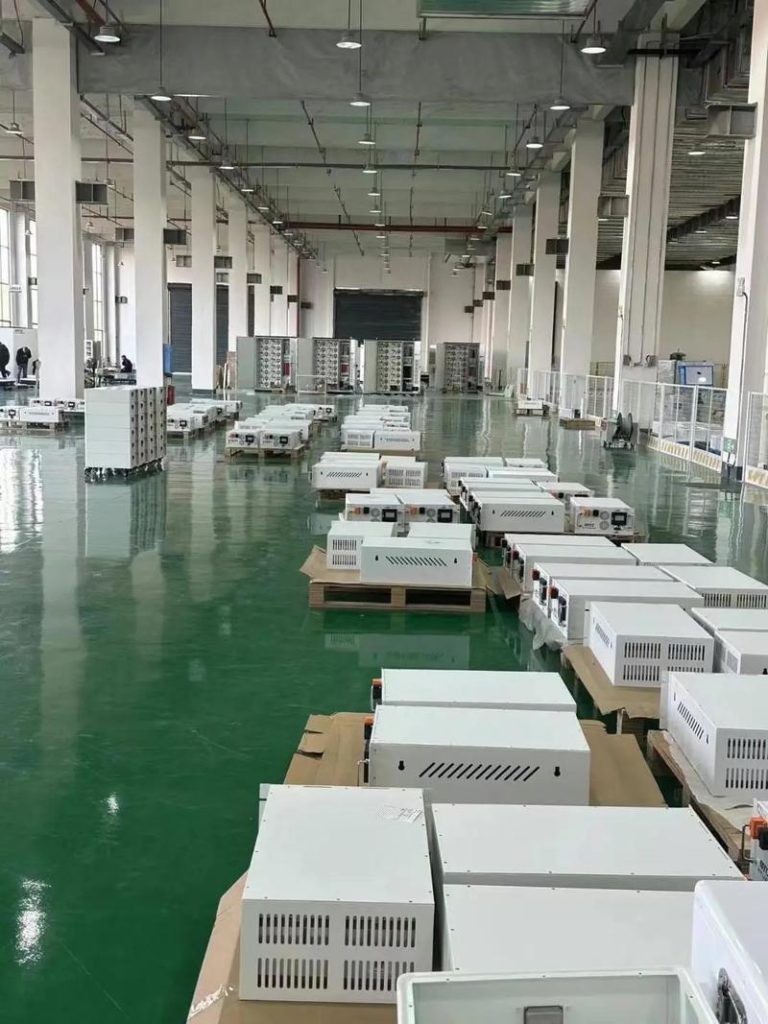
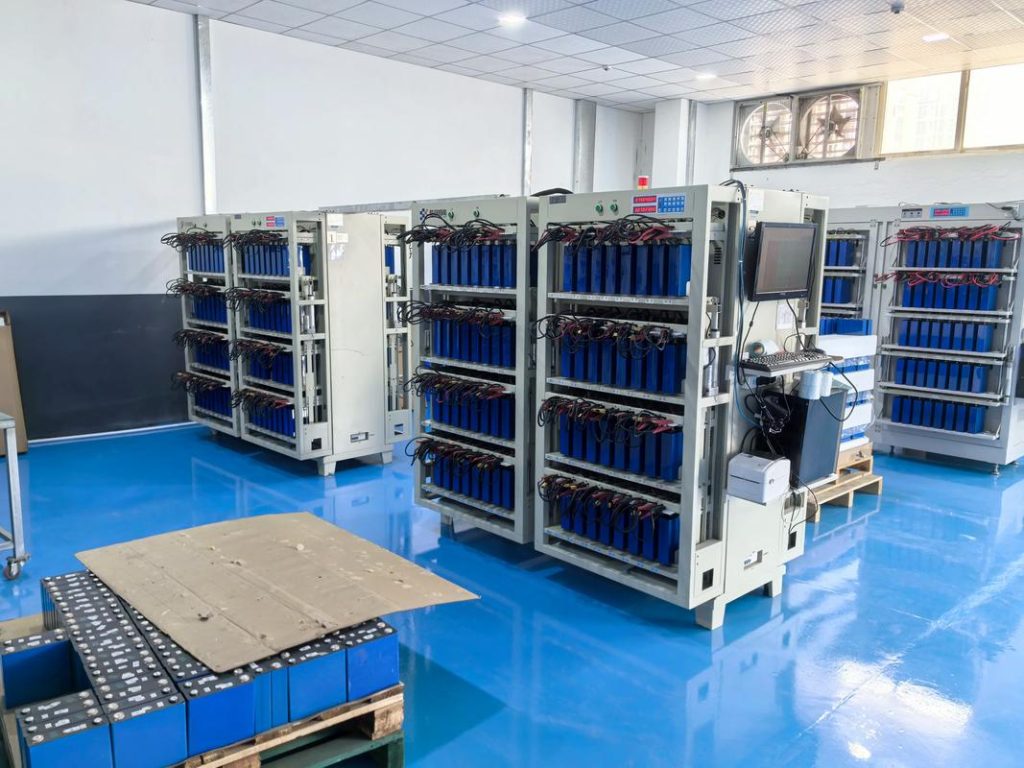
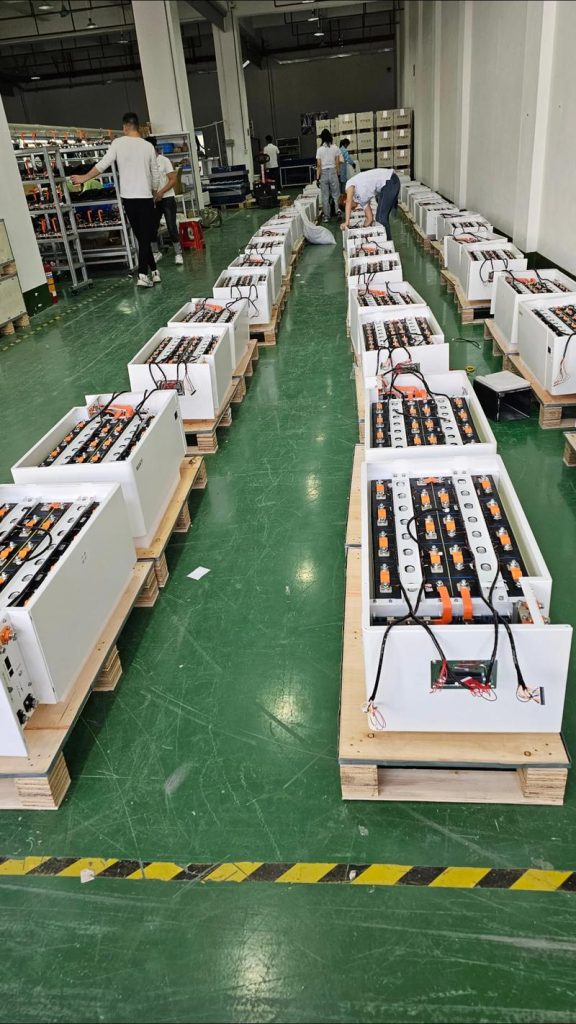
A single high-quality sample does not guarantee mass production quality. Reputable manufacturers use standardized production lines, automated assembly, and batch-level quality checks to ensure consistency across every unit. This consistency is essential for distributors handling multiple systems or large-scale projects.
2. Compliance With International Standards
Household solar systems are exported to a wide range of markets, each with specific technical and regulatory requirements. Experienced manufacturers design products to meet:
- Electrical safety certifications (UL, CE, IEC, etc.)
- Environmental durability standards (heat, humidity, UV exposure)
- Fire safety and mechanical strength regulations
- Grid compatibility for different voltages and frequencies
Proactive compliance reduces installation delays and improves buyer confidence.
3. Engineering Support and Customization
Every market has unique requirements. Manufacturers that provide engineering support can help customize:
- Solar module sizes and power ratings
- Mounting solutions for various roof types
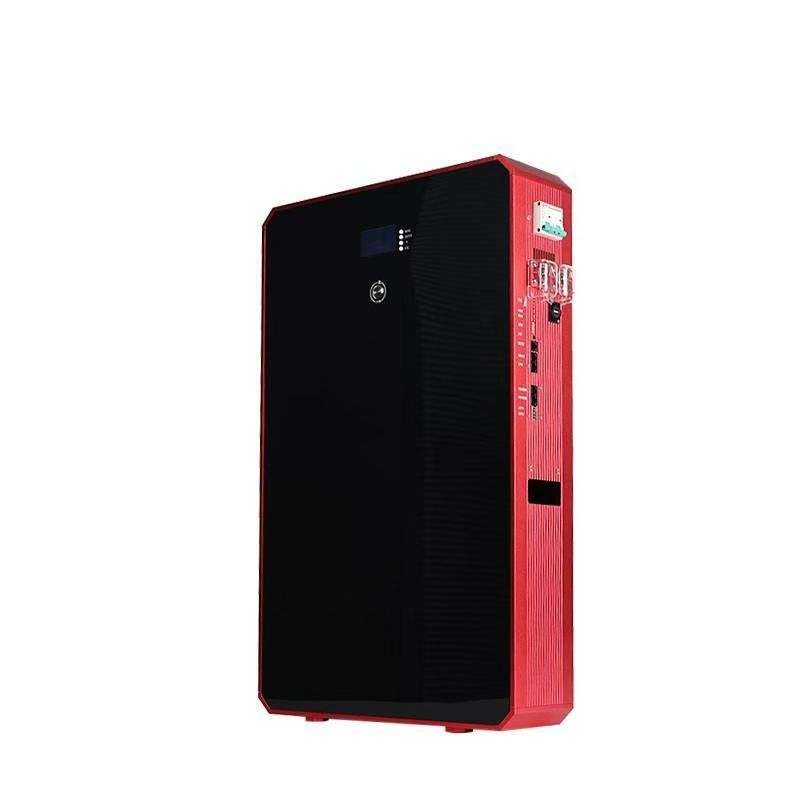
- Inverter selection and battery integration
- Branding and packaging for OEM or private-label projects
Technical support ensures smooth installation, optimal system performance, and satisfied end-users.
4. OEM and Private Label Capabilities
Many residential solar brands rely on manufacturers for OEM or private-label solutions. A reliable manufacturer offers:
- Flexible branding options
- Custom product configurations
- Confidential design management
- Scalable production volumes
These capabilities enable international partners to enter markets quickly while maintaining quality standards.
Quality Control and Testing
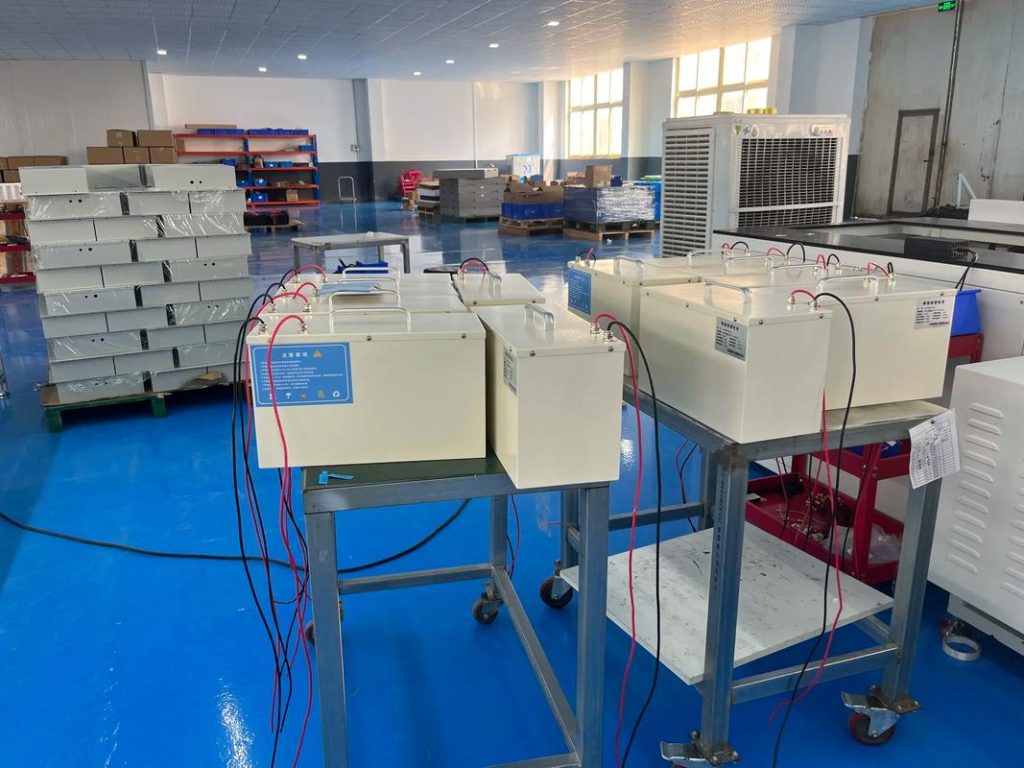
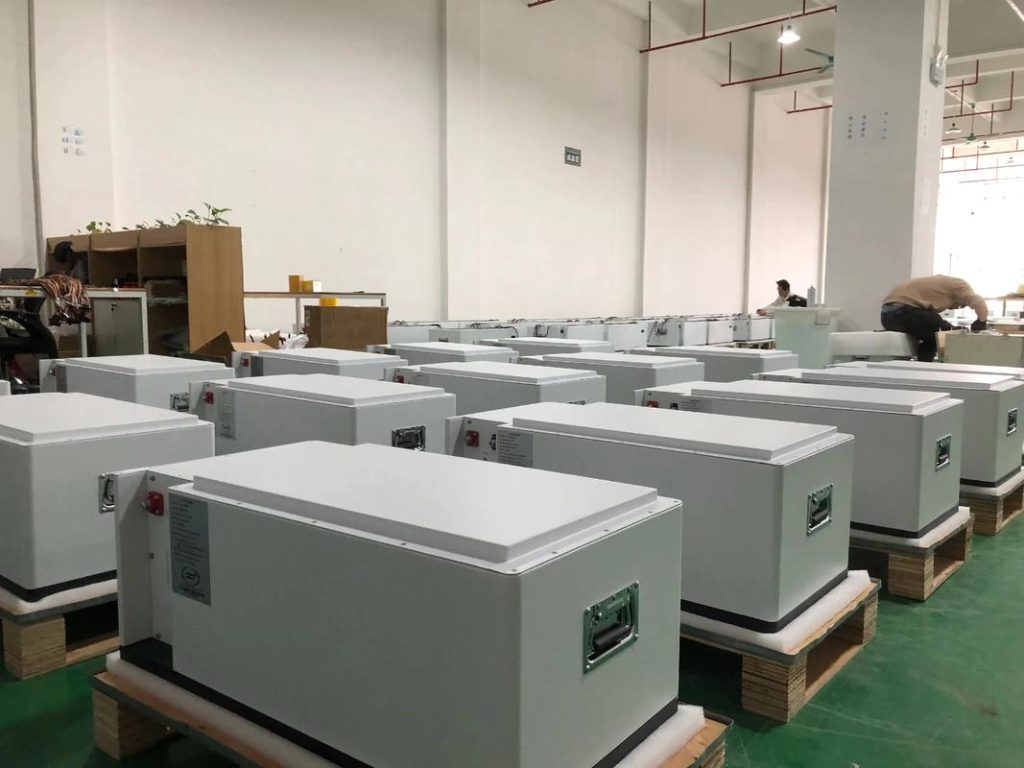
Quality control is not just a marketing term—it is a critical operational discipline. A trustworthy manufacturer implements:
- Incoming material inspection for PV cells, frames, and electronics
- In-process checks for assembly precision and electrical safety
- Final system testing for power output, efficiency, and reliability
- Traceability systems for every module and batch
These processes ensure consistent product quality and reduce warranty claims.
Logistics and Export Readiness
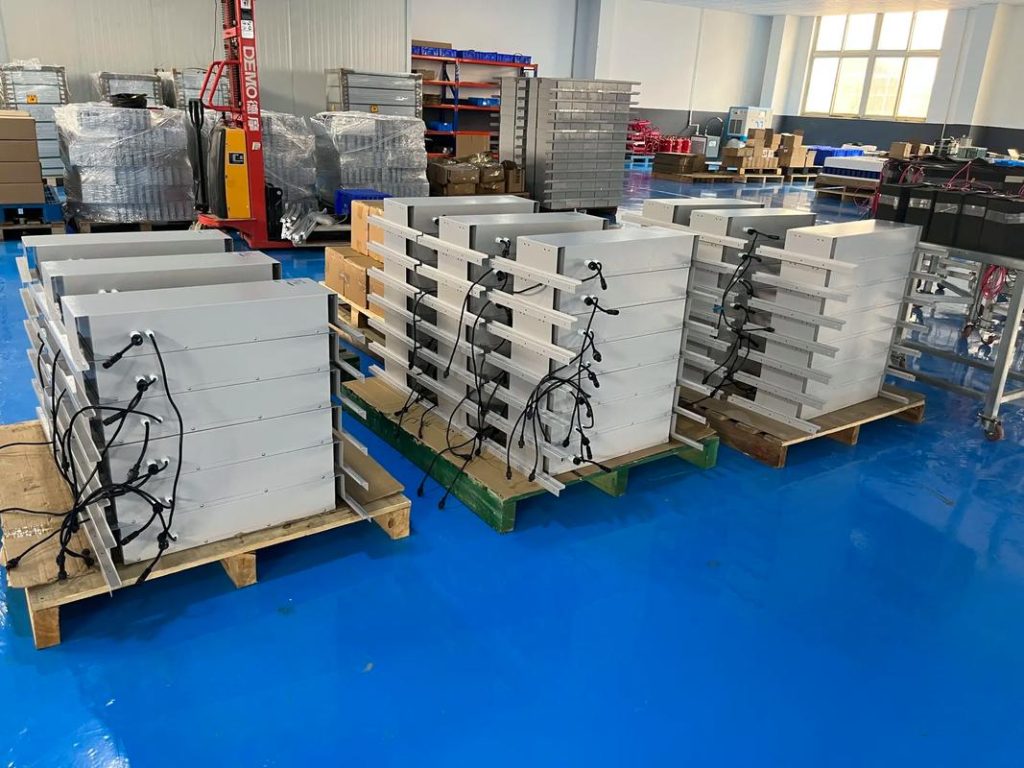
Residential solar systems are delicate and high-value products. Manufacturers who understand global logistics take extra care in packaging and shipping. Best practices include:
- Shock-resistant packaging for panels and components
- Moisture-proof wrapping for long transit
- Efficient palletization for container shipping
- Clear handling instructions to avoid damage
Proper export planning preserves product integrity and reduces costly delays.
Long-Term Manufacturer Support
Choosing a manufacturer is not a one-time decision—it is a long-term partnership. Reliable manufacturers provide:
- Technical manuals and installation guides
- Warranty and replacement support
- Continuous product updates
- Communication for troubleshooting and market adaptation
Strong support improves distributor confidence and strengthens the supply chain.
Sustainability and Corporate Responsibility
As the solar industry grows, sustainability is increasingly important to international buyers. Manufacturers demonstrating environmentally responsible practices add value to their partners’ brand image. Key practices include:
- Energy-efficient production
- Waste reduction and recycling
- Environmentally safe materials
- Durable products with long service life
Partnering with responsible manufacturers enhances reputation and market credibility.
Conclusion
For overseas buyers of household solar power generation systems, selecting the right manufacturer is critical. Quality, reliability, regulatory compliance, and technical support are far more important than the lowest price.
A professional, experienced, and reliable manufacturer ensures consistent performance, smooth installation, and long-term customer satisfaction. By choosing a strong manufacturing partner, distributors and project developers can build sustainable businesses while delivering high-quality residential solar solutions to their markets.


No reply content