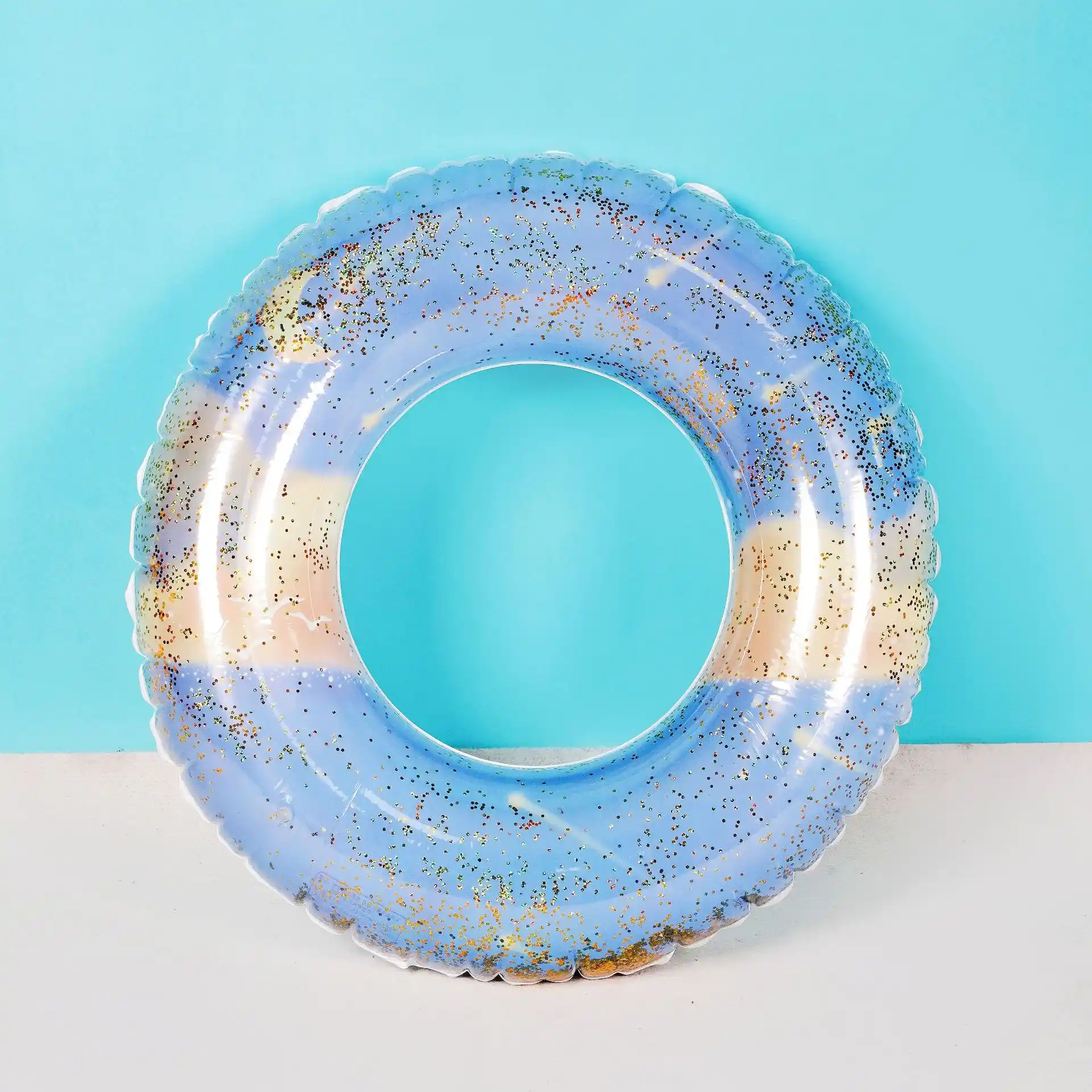
China swim ring OEM customization
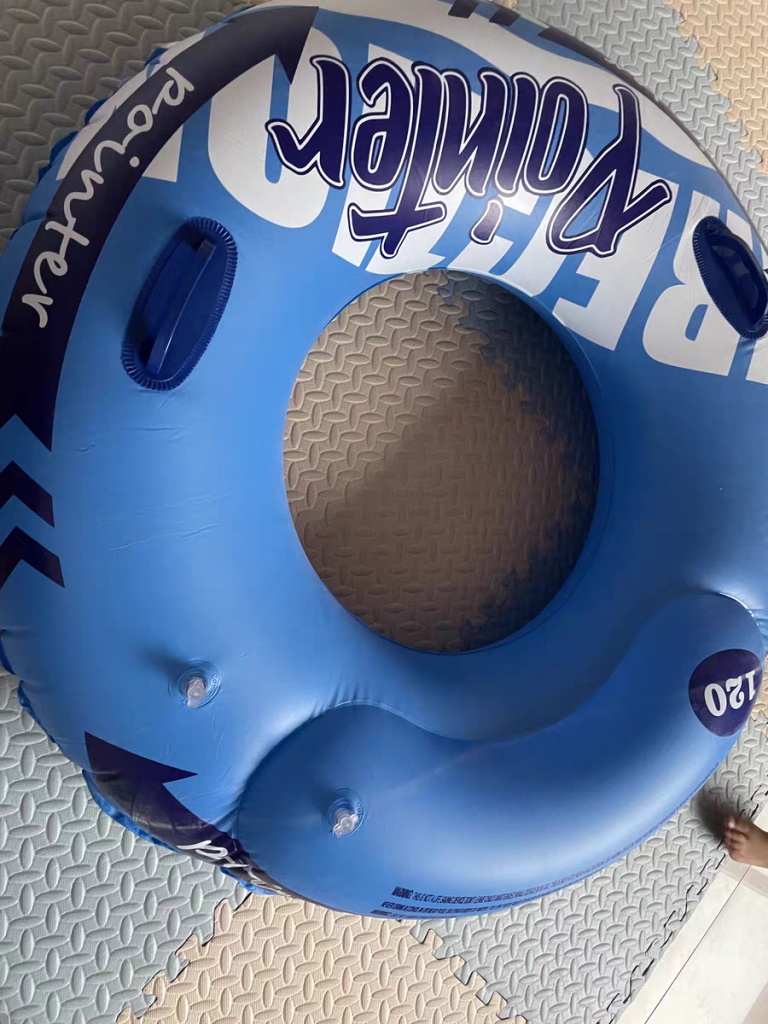
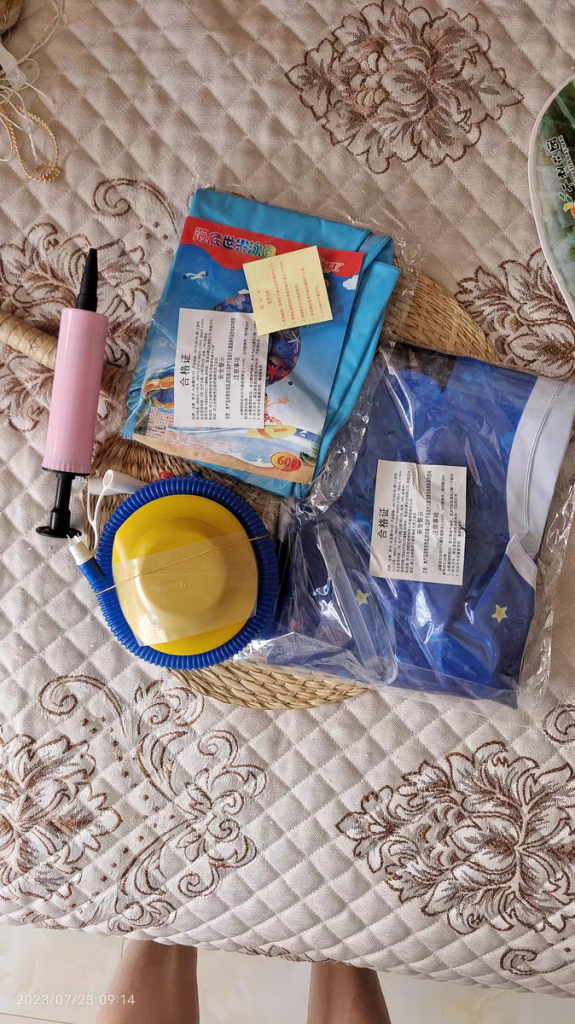
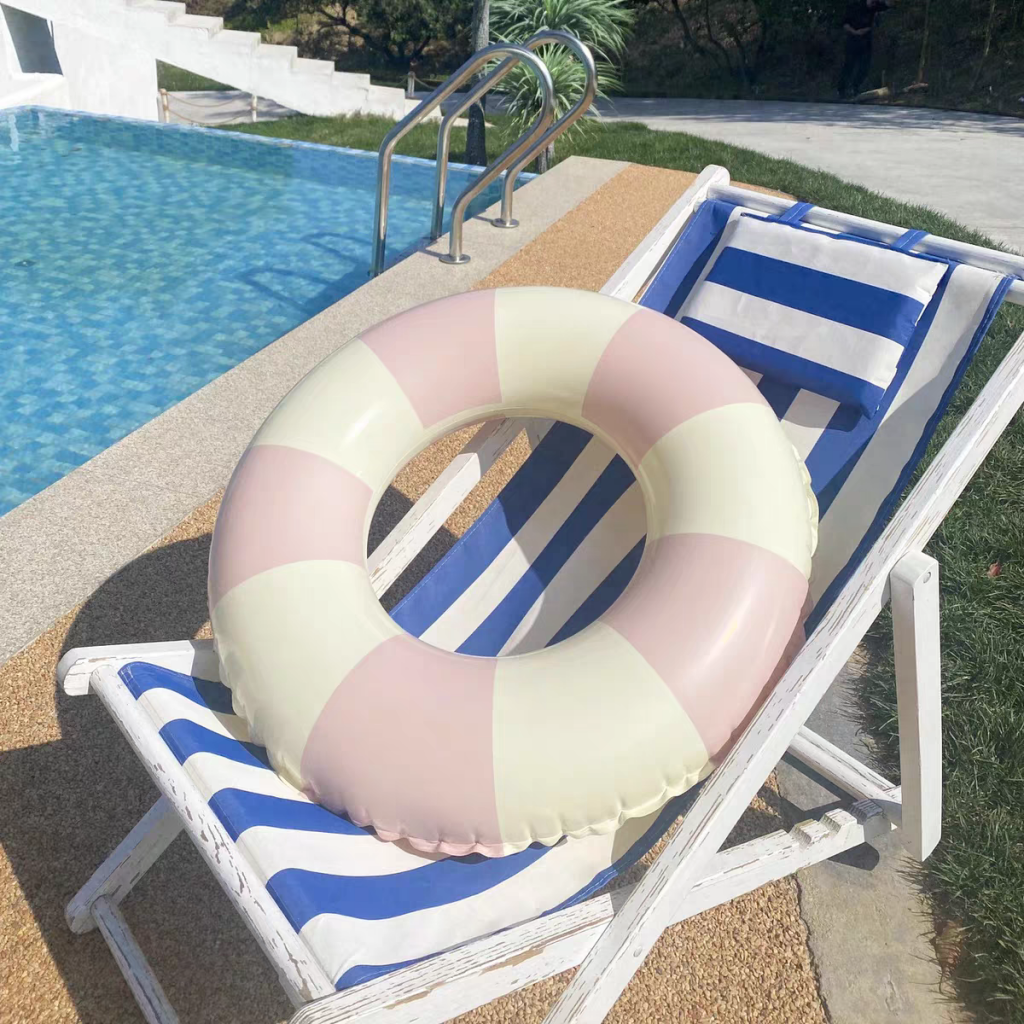
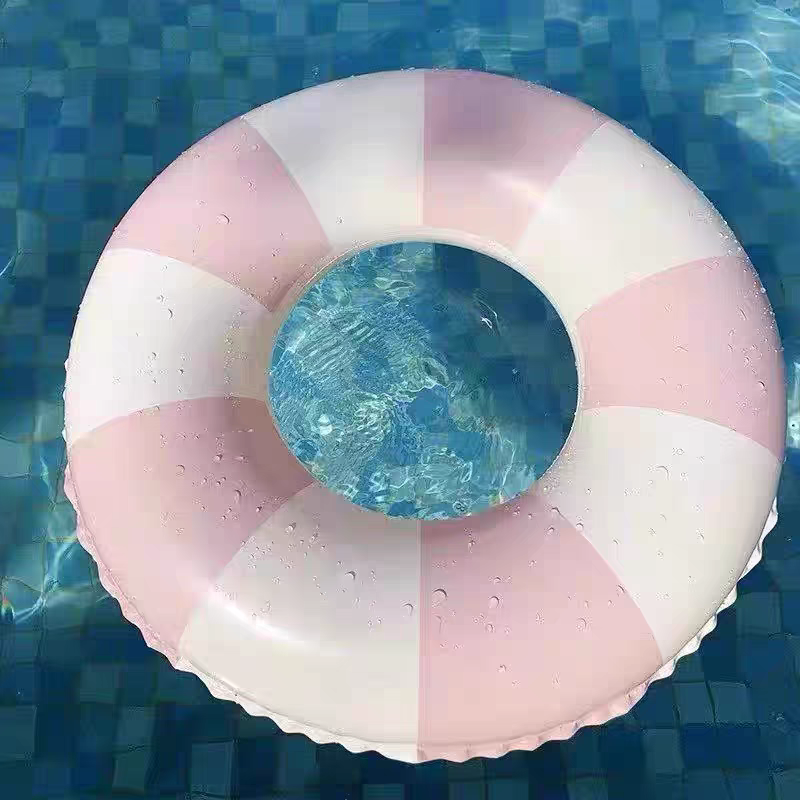


This handbook is crafted by a Certified Aquatic Safety Instructor (CASI) with 18 years of experience in drowning prevention and water activity gear evaluation. All guidelines align with ASTM, EN 71, and CPSC standards, ensuring E-E-A-T (Expertise, Authoritativeness, Trustworthiness) in every recommendation. We focus on evidence-based safety, material integrity, and user-centric design to help you make informed choices for your family and adventures.
Why This Guide Matters: The Hidden Risks of “Simple” Swim Rings
Swim rings are often seen as harmless fun, but 32% of childhood near-drownings involve inflatable flotation devices (per global aquatic safety reports). Unlike U.S. Coast Guard-approved life jackets, most swim rings lack standardized buoyancy distribution, making them prone to flipping, slipping, or sudden deflation. This guide demystifies swim ring safety—from material science to real-world usage—so you can turn a potential risk into a reliable tool for water confidence.
Core Principles Highlighted:
-
🛡️ Safety Over Style: Prioritize certifications over colorful designs.
-
👶 Age-Specific Fit: No “one-size-fits-all” for kids under 6.
-
🔍 Proactive Inspection: Leaks don’t announce themselves—learn to spot them.
“A swim ring’s job isn’t just to float—it’s to keep the user upright and visible until help arrives.” — CASI Code of Practice
1. Anatomy of a Safe Swim Ring: Materials, Design & Certifications
Not all swim rings are created equal. Their safety hinges on three pillars: material purity, structural integrity, and adherence to global standards.
A. Material Science: Beyond PVC—What’s Really Inside?
The material dictates durability, chemical safety, and buoyancy stability. Here’s a forensic breakdown:
PVC (Polyvinyl Chloride): The Common but Controversial Choice
-
Icon: 🔵
-
Pros: Low cost ($5–$15), lightweight, widely available.
-
Cons:
-
Contains phthalates (endocrine disruptors) unless labeled “phthalate-free.”
-
Cracks within 6–12 months under UV exposure (beach use accelerates this).
-
Prone to seam splits (silent leaks risk).
-
-
Best For: Temporary pool play (ages 6+), with adult supervision.
TPU (Thermoplastic Polyurethane): The Durable Alternative
-
Icon: 🟡
-
Pros: 5x more puncture-resistant than PVC, phthalate-free, medical-grade.
-
Certifications: EN 71-3 (heavy metal-free), REACH compliant.
-
Lifespan: 2–3 years with proper care.
-
Best For: Frequent beach/pool use, sensitive skin (no chemical odor).
Foam Swim Rings: The “No-Inflate” Option
-
Icon: ⚪
-
Pros: No air required (eliminates deflation risk), soft edges, floats naturally.
-
Cons: Less buoyant for heavier users, bulky to carry.
-
Best For: Toddlers (2–4 years) learning to float, calm waters only.
Natural Rubber: The Eco-Friendly Niche
-
Icon: � 🌳
-
Pros: Biodegradable, hypoallergenic, high elasticity.
-
Cons: Expensive ($25–$40), heavy, degrades in saltwater.
-
Best For: Eco-conscious families, freshwater lakes.
Pro Tip: Always check for “phthalate-free” and “lead-free” labels—these are non-negotiable for child safety.
B. Design Features That Save Lives
A safe swim ring isn’t just about material—it’s about smart engineering:
-
Dual Air Chambers: If one deflates, the other keeps the user afloat (look for 2+ separate bladders).
-
Grip Handles: Textured, non-slip handles (≥2 inches wide) for adult rescue grip.
-
Reflective Strips: Enhances visibility in low light (critical for beach evenings).
-
Size-Appropriate Buoyancy:
-
Toddlers (2–4 years): 15–20 lbs buoyancy.
-
Kids (5–8 years): 25–30 lbs buoyancy.
-
Adults: 35+ lbs buoyancy (check weight limits!).
-
Icon Insertion:
-
Dual chambers: 🔄
-
Grip handles: ✋
-
Reflective strips: ✨
C. Certifications: Your Proof of Safety
Avoid unlabeled products—insist on these marks:
-
ASTM F963-17: U.S. toy safety standard (tests for small parts, toxicity).
-
EN 71-1/2/3: European standard (mechanical, flammability, chemical safety).
-
CPSC Compliance: U.S. Consumer Product Safety Commission approval (mandatory for U.S. sales).
2. Types of Swim Rings: Matching Gear to Scenarios
Different water environments demand different designs. Here’s how to pick:
A. Pool Play: Controlled Chaos
-
Ideal Type: TPU dual-chamber rings with bright colors (easy to spot).
-
Features: Anti-slip inner lining, 2-inch bung for quick inflation.
-
Avoid: Large “ride-on” rings (prone to flipping in shallow water).
B. Beach & Ocean: Unpredictable Waves
-
Ideal Type: Foam rings (no deflation risk) or TPU with reinforced seams.
-
Features: Saltwater-resistant coating, UV-stabilized material.
-
Critical Rule: Never use inflatable rings beyond waist-deep water—waves can flip them instantly.
C. Special Needs: Adaptive Designs
-
For Autism/Sensory Sensitivity: Soft foam rings with no harsh textures.
-
For Mobility Issues: Wide-base rings with back support (prevents slumping).
Scenario Icon:
-
Pool: 🏊
-
Beach: 🌊
-
Special needs: ♿
3. Step-by-Step Buying Guide: From Measurement to Purchase
Buying a swim ring shouldn’t be guesswork. Follow this checklist:
Step 1: Measure the User
-
Kids: Chest circumference + 4 inches (allows movement without slipping).
-
Adults: Waist circumference + 6 inches (ensure it sits below armpits).
Step 2: Check Weight Limits
Most rings list max weight (e.g., “50 lbs”). Exceeding this reduces buoyancy by 40%.
Step 3: Test Inflation
Buy inflated (if possible): Check for uneven bulges (sign of weak seams).
Step 4: Inspect Seams & Valves
Run fingers along seams—no gaps or rough edges. Valves should screw shut tightly (no air leakage when pressed).
4. Safe Usage Protocols: Beyond “Just Inflate and Go”
Even the safest ring requires human vigilance. Here’s how to use it right:
A. Age & Supervision Rules
-
Under 5 Years: Constant arm’s-reach supervision (swim rings ≠ life jackets).
-
5–8 Years: Check every 10 minutes (watch for slippage as kids move).
-
Adults: Never use alone in open water—pair with a buddy system.
B. Environment Checks
-
Pool: Avoid drains (rings can get suctioned).
-
Beach: Stay in lifeguard-supervised zones; avoid rip currents.
-
Lake: Watch for boat traffic (wear bright colors).
C. Emergency Prep
-
Teach kids to hold the ring with both hands (not under arms—risk of flipping).
-
Keep a whistle attached to the ring (signal for help).
Usage Icon:
-
Supervision: 👀
-
Environment: 🌍
-
Emergency: 🚨
5. Maintenance & Lifespan: Extending Safety
A neglected ring becomes a hazard. Follow this care routine:
Cleaning
-
After saltwater use: Rinse with fresh water + mild soap (avoid bleach).
-
After chlorine: Wipe with vinegar solution (neutralizes chemical residue).
Storage
-
Deflate fully (prevents seam stress).
-
Store in a cool, dry place (away from sunlight/heat).
Inspection Schedule
-
Weekly: Check for cracks, valve looseness.
-
Monthly: Submerge in water (look for bubbles = leaks).
-
Annually: Replace if material feels brittle or faded.
Maintenance Icon: 🔧
6. Sustainability: Eco-Friendly Choices
Reduce waste with these swaps:
-
Buy TPU over PVC: Longer lifespan = fewer replacements.
-
Repair Kits: Patch small holes with TPU repair tape (avoids discarding).
-
Recycle Old Rings: Some brands (e.g., Beco Pets) offer take-back programs.
FAQs: Your Top Swim Ring Questions Answered
Q1: Are swim rings safe for babies under 2?
A: No. Babies lack neck control—even foam rings can tilt their heads underwater. Use infant life vests (USCG-approved) instead.
Q2: Can I use a swim ring as a substitute for a life jacket?
A: Absolutely not. Life jackets distribute buoyancy evenly; swim rings only support the torso, leaving legs vulnerable to sinking.
Q3: How do I fix a slow leak in a TPU ring?
A: Use a TPU patch kit (apply with heat gun for adhesion). For PVC, use vinyl repair patches—never duct tape (traps moisture).
Q4: Why does my kid’s swim ring keep slipping down?
A: Wrong size! Measure chest circumference again—add 4 inches for kids, 6 for adults. Avoid rings with elastic straps (stretch out quickly).
Q5: Are “ride-on” swim rings safe for toddlers?
A: Rarely. These large rings flip easily in waves or when kids lean. Stick to toddler-sized foam rings for calm water.
Q6: Can I leave a swim ring inflated overnight?
A: No—pressure changes cause gradual deflation. Always deflate after use to preserve seams.
Q7: Do swim rings expire?
A: Yes. PVC expires in 1 year (UV damage); TPU lasts 2–3 years; foam lasts 5+ years if stored properly.
Q8: Is it okay to share swim rings between siblings?
A: Only if sizes match exactly. A larger ring slips off smaller kids; a smaller ring restricts older kids.
Q9: How do I teach my kid to use a swim ring safely?
A: Practice in shallow water first: Hold the ring with both hands, kick gently, and stay near the edge.
Q10: Where can I buy certified swim rings?
A: Look for brands like Stearns (CPSC-certified), Speedo (TPU options), or local aquatic safety stores. Ask for certification docs!
Ready to Upgrade Your Water Safety? Let’s Talk Custom Solutions!
At [Your Brand Name], we specialize in custom-fit swim rings for families, schools, and resorts. Our TPU rings come with:
-
Phthalate/lead-free guarantees.
-
Dual-chamber safety + reflective strips.
-
Size charts tailored to age/weight.
-
Bulk discounts for groups (10+ units).


No reply content