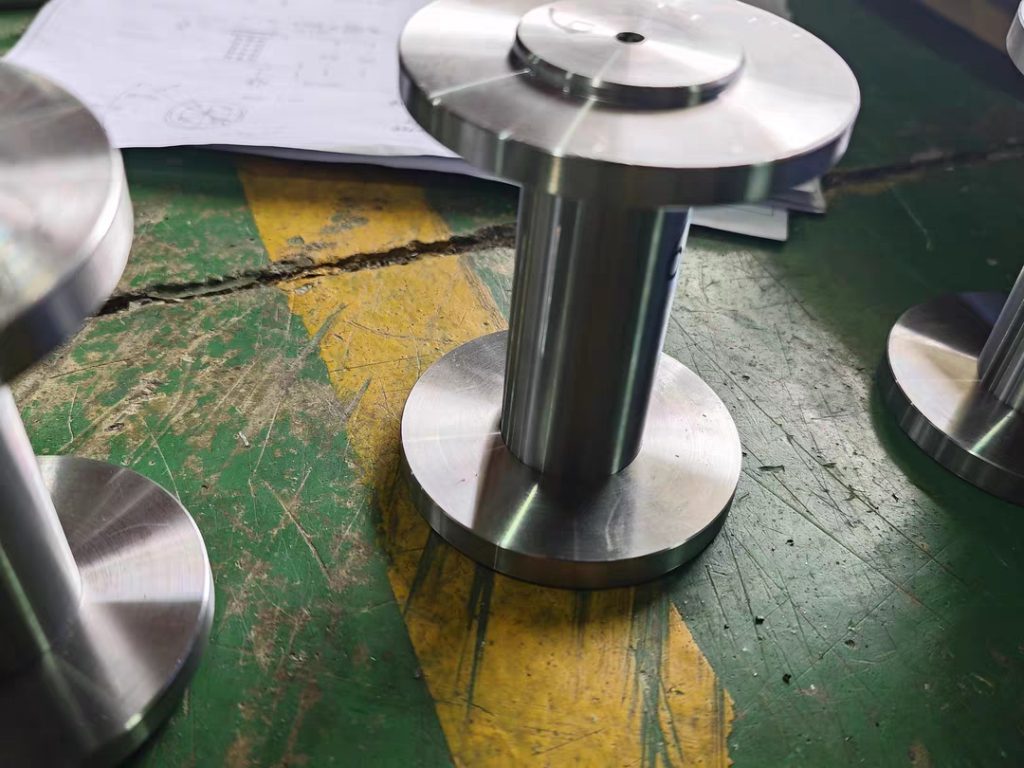
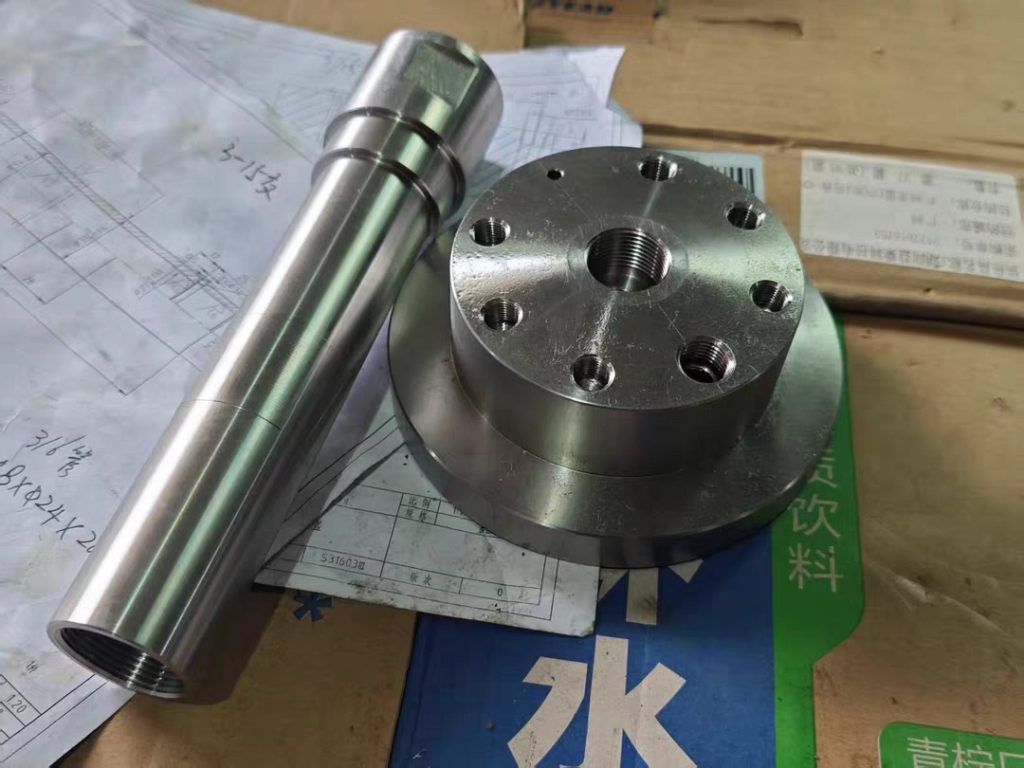
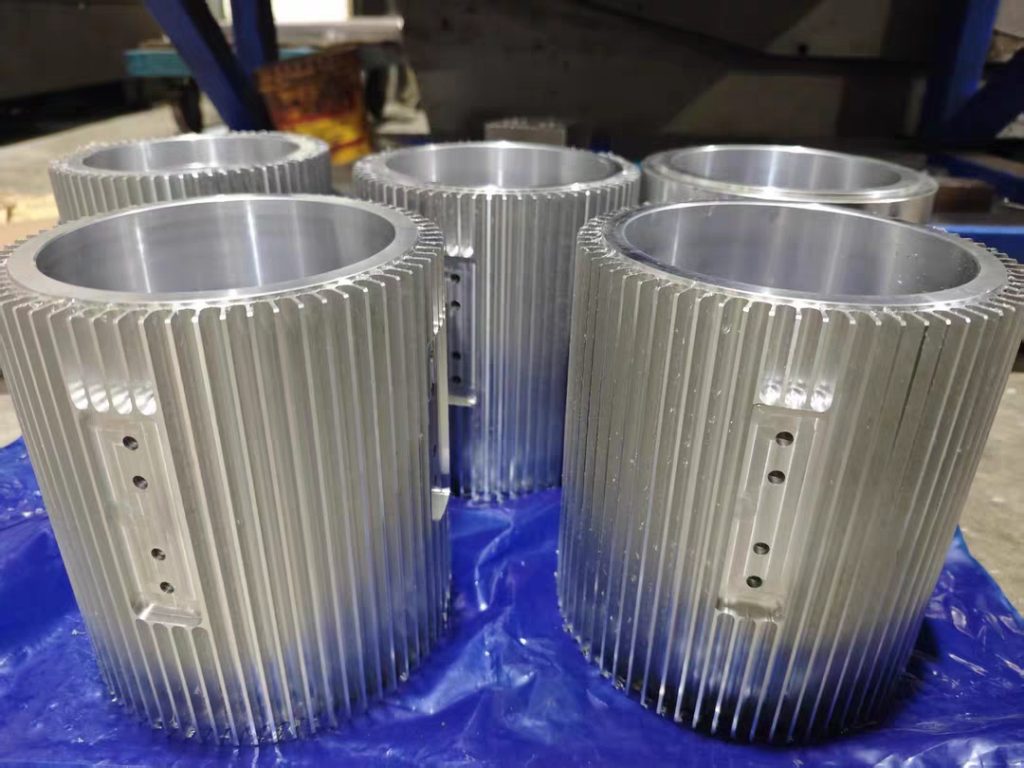
Every week, our engineering team gets the same question from procurement managers: “Should we CNC machine this part or print it?”
The answer isn’t always obvious. While 3D printing gets headlines for innovation, CNC machining remains the king of cost-efficiency for most functional metal parts. However, there are specific scenarios where additive manufacturing saves money.
To help you make the right choice for your budget, here is an insider’s guide based on 10 years of production data—not internet speculation.
The Core Cost Drivers (Beyond Just Material Price)
When quoting a project, we look at three factors that determine the final price:
Factor |
CNC Machining |
3D Printing (Metal LPBF/DMLS) |
|---|---|---|
Material Waste |
High (subtractive). You pay for the raw block, even if 70% becomes chips. |
Low (additive). Uses only the powder needed for the part + support structures. |
Labor & Setup |
Moderate. Requires programming, fixture setup, and tool changes. |
Low. Mostly automated slicing and machine monitoring. |
Post-Processing |
Minimal to Moderate. Often just deburring and tapping. |
High. Always requires support removal, heat treatment, and CNC finishing of datums. |
When CNC Machining is Cheaper (The 80% Rule)
For production runs of 1 to 1,000 pieces, CNC is almost always the cheaper option. Here is why:
-
Speed to First Part: A CNC program can be set up and run in hours. Metal 3D printing a single complex part can take days due to layer-by-layer sintering and mandatory stress-relief cycles.
-
Material Availability: We stock thousands of metal grades (6061/7075 Aluminum, 304/316 Stainless, Brass, etc.). 3D printing powders are limited, expensive, and often have long lead times.
-
No Support Removal Costs: In 3D printing, supports are attached to the part. Removing them without damaging thin walls requires expensive EDM or manual labor. CNC simply mills away excess material cleanly.
Rule of Thumb: If your part has standard geometries (holes, flat surfaces, threads) and is larger than a golf ball, CNC wins on price.
When 3D Printing Might Be Cheaper
There are two exceptions where 3D printing becomes the budget-friendly hero:
-
Extreme Complexity: If the part has internal cooling channels, lattice structures, or organic shapes that would require 10+ setups in CNC.
-
Very Small Batches of Exotic Alloys: For parts under 10 grams made of Inconel or Titanium, where the buy-to-fly ratio in CNC would waste expensive material.


No reply content