
Dongguan PremiumGift BoxPackaging
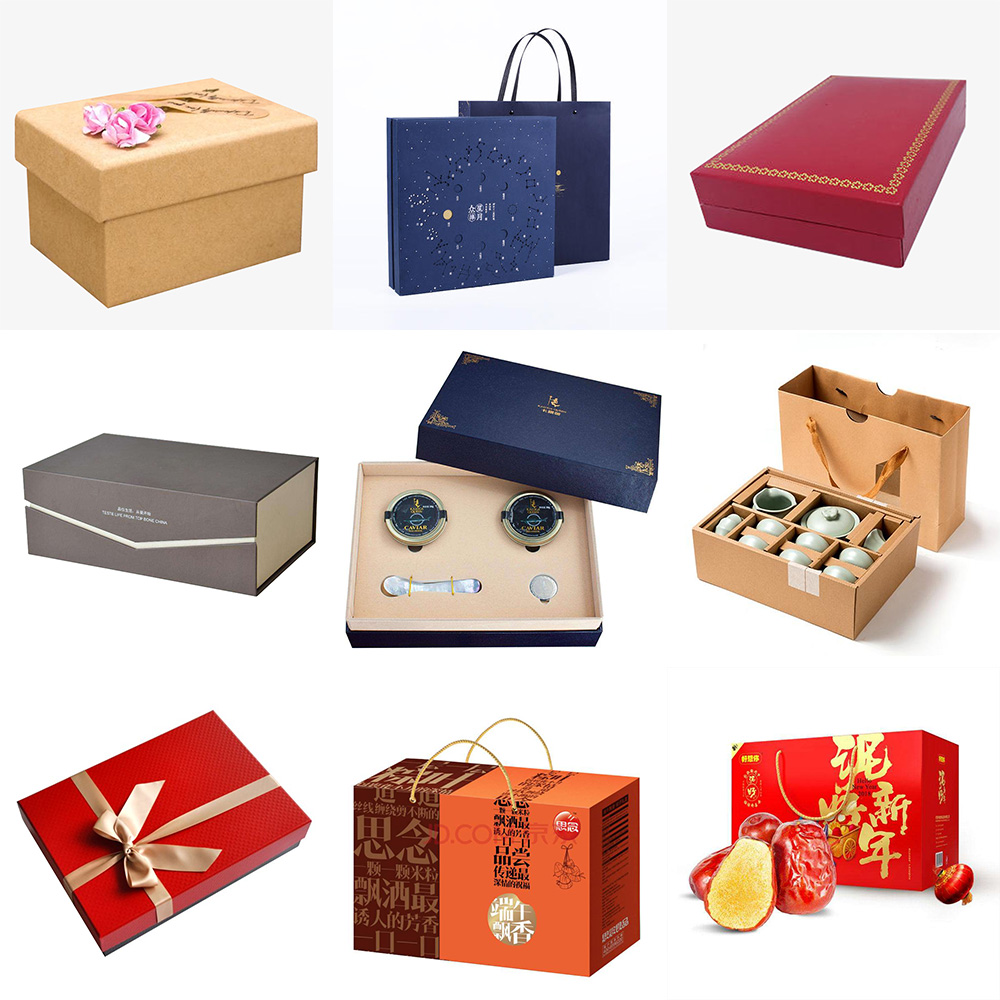
In an era where consumers increasingly prioritize sustainability, aesthetics, and storytelling, coconut gift box packaging has emerged as a standout trend in luxury and eco-conscious gifting. Blending natural charm with functional design, these boxes leverage the unique texture, symbolism, and versatility of coconut-derived materials to create unforgettable unboxing experiences. From artisanal crafts to premium retail brands, coconut packaging is redefining how we present gifts—merging tropical allure with environmental responsibility. This article explores the rise of coconut gift box packaging, its benefits, design innovations, and why it’s becoming a go-to choice for brands seeking to make a lasting impression.
Why Coconut Gift Box Packaging? Key Advantages
1. Eco-Friendly Credentials: Aligning with Global Sustainability Goals
Coconut packaging taps into the growing demand for biodegradable, renewable materials. Unlike plastic or synthetic alternatives, coconut-derived components (such as shells, fibers, and husks) are fully compostable or recyclable. For instance:
-
Coconut Shells: Hard, durable, and naturally resistant to moisture, they serve as elegant containers for small gifts like jewelry, spices, or skincare samples.
-
Coir Fiber: Extracted from coconut husks, coir is lightweight yet strong, ideal for woven or molded packaging that adds a rustic, tropical vibe.
-
Coconut Wood: Sustainably harvested from fallen coconut trees, this material offers a smooth finish for premium box construction.
Brands adopting coconut packaging can highlight their commitment to reducing carbon footprints, appealing to eco-aware consumers who prioritize brands with transparent sustainability practices.
2. Unique Aesthetic Appeal: Tropical Elegance Meets Minimalism
The natural grain, warm brown tones, and organic texture of coconut materials evoke a sense of exoticism and authenticity. Unlike mass-produced cardboard, coconut packaging tells a story—of tropical origins, artisanal craftsmanship, and connection to nature. Designers often enhance this appeal by:
-
Leaving coconut shells unpolished to showcase their raw, earthy beauty.
-
Combining coir fiber with jute or bamboo accents for a cohesive “farm-to-gift” look.
-
Laser-etching intricate patterns (e.g., palm leaves, waves) onto coconut wood boxes for personalized branding.
This aesthetic versatility makes coconut packaging suitable for diverse occasions, from beach weddings and eco-festivals to corporate gifting and luxury product launches.
3. Functional Durability: Protecting Contents While Reducing Waste
Coconut-based materials offer surprising strength and protection. Coconut shell boxes, for example, are shatter-resistant and can safeguard delicate items during transit. Coir-molded inserts provide cushioning for fragile goods like glassware or ceramics, eliminating the need for single-use plastics. Additionally, many coconut packaging designs are modular—boxes can be repurposed as storage containers, planters, or decorative home accents—extending their lifecycle beyond the initial gift.
Types of Coconut Gift Box Packaging: Materials & Applications
1. Coconut Shell Boxes: Small but Mighty
-
Features: Hand-carved or machine-molded from whole coconut shells; available in various sizes (from coin purses to mini trunks).
-
Uses: Ideal for high-value, compact gifts such as luxury chocolates, essential oils, or custom jewelry. Some designs include hinges, clasps, or magnetic closures for added elegance.
-
Brand Example: Boutique chocolatiers often use engraved coconut shell boxes to package artisanal truffles, emphasizing the “natural sweetness” of both the product and its container.
2. Coir Fiber Woven Baskets & Boxes
-
Features: Lightweight, breathable, and flexible; woven into baskets, trays, or structured boxes with lids. Often dyed with natural pigments (e.g., turmeric, indigo) for colorful accents.
-
Uses: Perfect for gift sets (e.g., spa kits, gourmet food assortments) or as reusable picnic baskets. The open-weave design allows for creative layering of tissue paper or dried flowers.
-
Sustainability Angle: Coir is a byproduct of the coconut industry, making its use a form of upcycling that reduces agricultural waste.
3. Coconut Wood & Plywood Boxes
-
Features: Smooth, sanded surfaces with a subtle wood grain; can be cut into geometric shapes or carved with brand logos.
-
Uses: Premium packaging for luxury goods like watches, leather accessories, or limited-edition spirits. Some brands add velvet linings or brass fittings to elevate the look.
-
Durability: Coconut wood is resistant to warping, making it suitable for long-term storage or display.
4. Hybrid Designs: Mixing Coconut with Other Natural Elements
Innovative brands combine coconut materials with complementary resources like banana leaves, palm fronds, or recycled paper to create multi-textured packaging. For example:
-
A coir-wrapped box with a lid lined with dried coconut flakes for a sensory unboxing experience.
-
A coconut shell base paired with a bamboo frame for a modern, minimalist aesthetic.
Design Trends: How Brands Are Innovating with Coconut Packaging
1. Personalization at Scale
Advances in laser cutting and 3D printing allow brands to customize coconut packaging with names, dates, or bespoke artwork. For wedding favors, couples often opt for coconut shell boxes engraved with their initials and wedding date, turning each gift into a keepsake.
2. Interactive Unboxing Experiences
Brands are designing coconut packaging to engage multiple senses:
-
Sound: Adding crinkled coir or dried leaves inside boxes for a “tropical breeze” effect.
-
Smell: Infusing coconut fiber with natural fragrances (e.g., vanilla, ylang-ylang) to complement scented products.
-
Touch: Using textured coir or polished coconut wood to create tactile contrast.
3. Zero-Waste Philosophy
Leading sustainable brands now offer “closed-loop” coconut packaging: customers can return used boxes for free, and brands repurpose them into new products (e.g., coconut shell planters sold alongside gardening kits). This approach reinforces brand loyalty while minimizing landfill contributions.
Challenges & Considerations for Brands
While coconut packaging offers numerous benefits, brands must navigate potential hurdles:
1. Cost & Scalability
Handcrafted coconut packaging can be more expensive than mass-produced cardboard. To balance cost and quality, some brands use hybrid designs (e.g., coconut shell lids with recycled paper bases) or partner with artisans in coconut-growing regions (e.g., Southeast Asia, the Caribbean) to source affordable, ethically made materials.
2. Moisture Sensitivity
Untreated coconut materials may absorb moisture, leading to mold or warping. Brands should apply natural sealants (e.g., beeswax, plant-based oils) to protect contents and extend shelf life.
3. Logistics & Shipping
Irregular shapes (e.g., whole coconut shells) can complicate shipping. Brands often use custom-molded pulp inserts to secure boxes during transit, reducing damage risks.
Case Studies: Brands Leading the Coconut Packaging Movement
1. Lush Cosmetics: “Coconut Kingdom” Gift Sets
Lush uses coir fiber boxes lined with dried coconut flakes to package its tropical-themed bath bombs and soaps. Each box includes a seed paper tag, encouraging customers to plant wildflowers after use—a zero-waste initiative that aligns with the brand’s eco ethos.
2. TOMS: Limited-Edition Vacation Collection
For its summer line, TOMS partnered with artisans in Bali to create coconut shell jewelry boxes. Proceeds supported local reforestation projects, blending product sales with social impact.
3. Artisanal Chocolate Brand: Cacao & Coconut
This boutique brand wraps its bean-to-bar chocolates in coconut wood boxes, each etched with a map of the cacao farm’s location. The packaging doubles as a coffee table book, educating customers about the journey from tree to treat.
Future Outlook: The Growing Demand for Coconut Packaging
As consumers continue to favor sustainable, Instagram-worthy packaging, the coconut gift box market is projected to grow by 8% annually through 2030. Key drivers include:
-
Rising Popularity of “Unboxing Culture”: Social media users share visually striking packaging, giving coconut designs viral potential.
-
Corporate ESG Commitments: Businesses are adopting coconut packaging to meet environmental, social, and governance (ESG) goals.
-
Innovation in Biodegradable Coatings: New plant-based sealants are solving moisture-related issues, expanding coconut packaging’s usability.
Conclusion
Coconut gift box packaging is more than a trend—it’s a reflection of shifting consumer values toward sustainability, authenticity, and experiential luxury. By combining the natural beauty of coconut with innovative design, brands can create packaging that protects products, tells a story, and leaves a positive environmental legacy. Whether you’re a small business owner or a global retailer, investing in coconut packaging offers a competitive edge in a crowded market—one that resonates with conscious consumers and turns every gift into a memorable moment.
For brands looking to embrace this trend, start small: experiment with coir fiber wraps or coconut shell trinket boxes for limited-edition collections. As you scale, prioritize partnerships with ethical suppliers and educate customers on the packaging’s recyclability. With creativity and commitment, coconut gift box packaging can transform your brand’s gifting strategy—and the planet—for the better.


No reply content