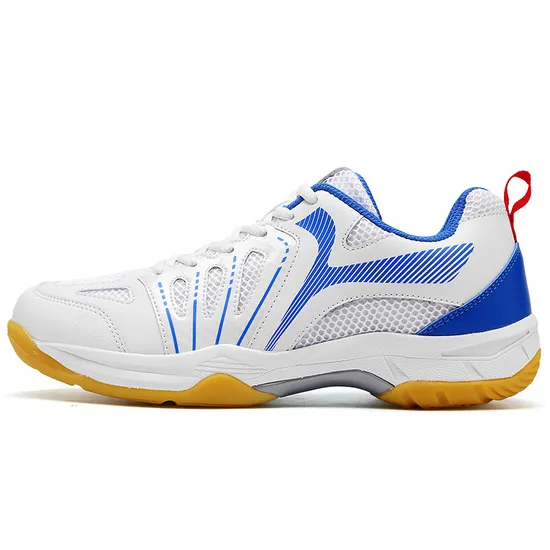

👟 Reliable Shoe Solutions for Daily Wear, Retail Brands, and Global Distribution Markets
Shoes are essential products designed to provide protection, comfort, and style for everyday use. From casual walking shoes to functional footwear, modern shoe manufacturing focuses on durability, ergonomic design, and customization to meet diverse consumer needs.👟 Comfortable design for daily wear
🧵 Durable materials for long-term use
🌍 Suitable for global wholesale and export
📦 Scalable production for bulk orders
🎨 Custom branding and private label options availableWith continuous demand across global markets, footwear remains a high-volume and high-potential product category.
👟 What Are Shoes?
Shoes are protective and supportive items worn on the feet, designed for comfort, mobility, and style.
Key characteristics include:
👟 protective outer structure
🦶 ergonomic fit and support
🧵 flexible and durable materials
🏃 suitability for various activities
Shoes are essential for both daily use and specialized functions.
🧢 Types of Shoes
Shoes are available in a wide range of categories based on use and design.
👟 Casual Shoes
Designed for everyday wear.
Features include:
👟 lightweight construction
🧵 comfortable materials
🏡 suitable for daily activities
🏃 Sports Shoes
Designed for physical activities and performance.
Advantages include:
🏃 shock absorption
💧 breathable structure
⚡ enhanced flexibility
👞 Formal Shoes
Used for professional or formal occasions.
Key benefits include:
👞 polished appearance
🧵 structured design
🏢 suitable for office wear
🧪 Materials Used in Shoe Production
Material selection plays a key role in durability and comfort.
Common materials include:
🧵 fabric uppers for breathability
🧱 synthetic materials for durability
🦶 rubber soles for grip
🌱 lightweight foam for cushioning
These materials determine product performance.
⚙️ Shoe Manufacturing Process
Shoe production involves multiple technical steps.
Typical process includes:
📐 design and pattern development
✂️ material cutting
🧵 stitching and assembly
🦶 sole attachment
🔍 quality inspection
📦 packaging for shipment
Each step ensures consistency and quality.
🎨 Custom Shoe Solutions
Customization is essential in modern footwear production.
Customization options include:
🎨 logo printing and branding
👟 custom styles and colors
📏 size range adjustments
📦 packaging customization
Custom shoes help businesses build strong brand identity.
🏬 Applications of Shoes
Shoes are used across multiple markets.
Common applications include:
🏬 retail and fashion stores
🛍️ e-commerce platforms
🏢 corporate and uniform use
🎁 promotional products
Their versatility ensures constant demand.
🦶 Comfort and Ergonomic Design
Modern shoes focus on comfort and support.
Important features include:
🦶 arch support
💨 breathable materials
🧵 soft inner lining
⚖️ lightweight construction
These features enhance user experience.
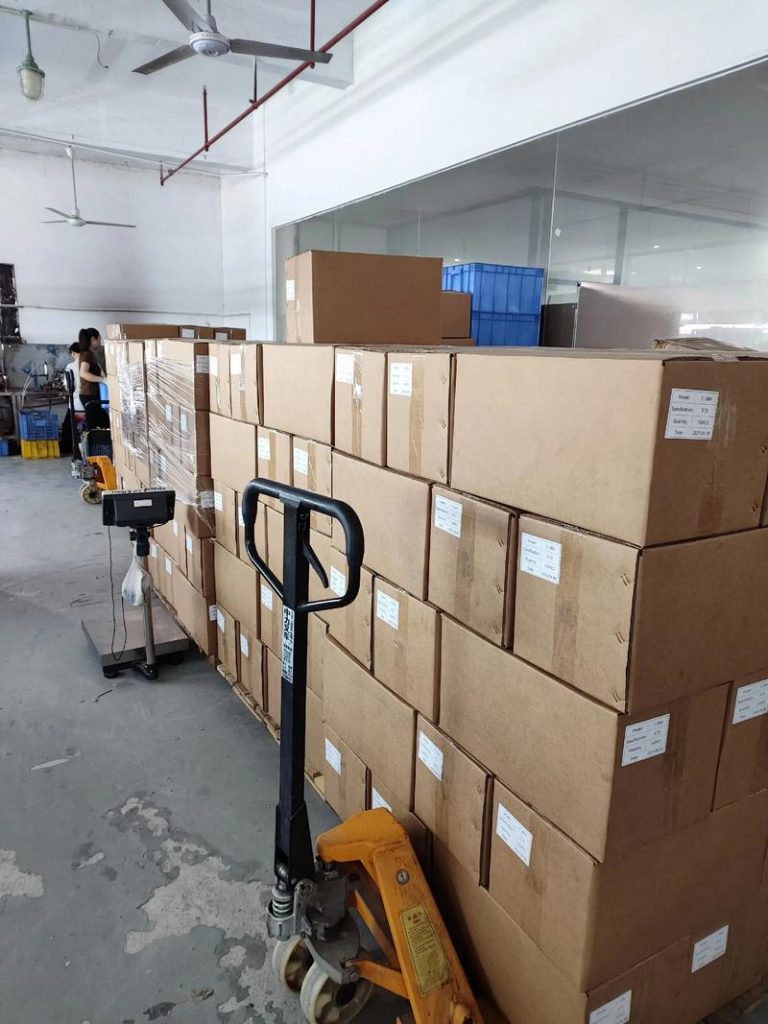
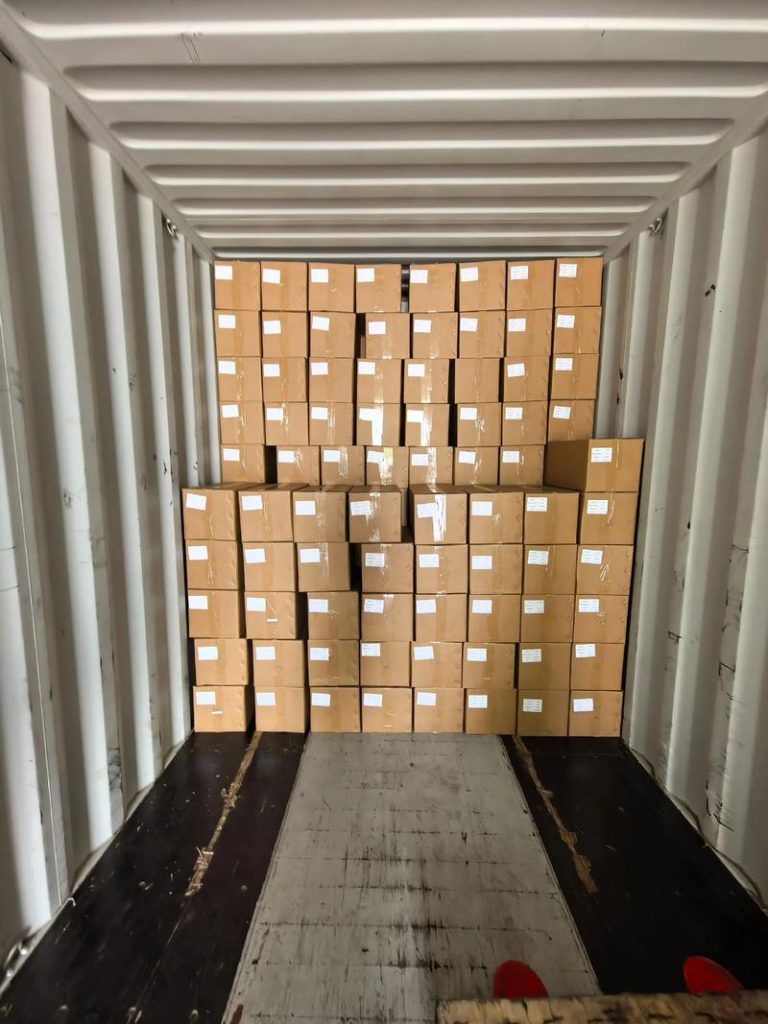
📦 Packaging and Export Considerations
Proper packaging is essential for shoe distribution.
Common methods include:
📦 individual shoe boxes
🧳 bulk carton packing
🚚 palletized shipment
🌍 export-ready logistics
Efficient packaging ensures product protection.
🌱 Durability and Sustainability
Shoe production increasingly focuses on sustainability.
Key features include:
🌱 eco-friendly materials
🧱 durable construction
♻️ recyclable components
🔄 long product lifespan
These features support long-term use.
📈 Global Demand for Shoes
The demand for shoes continues to grow worldwide.
Key drivers include:
🌍 population growth
🛍️ expanding fashion industry
📱 rise of online shopping
🏃 increasing focus on lifestyle and fitness
These factors support strong market demand.
📊 Advantages of Bulk Shoe Supply
Bulk supply offers benefits for buyers and distributors.
Key advantages include:
📦 large production capacity
💰 cost efficiency for bulk orders
🎨 customization flexibility
🌍 global distribution capability
Bulk purchasing supports retail and brand expansion.
📩 Choosing a Reliable Shoe Manufacturer
Selecting the right supplier is essential for quality and consistency.
Key considerations include:
🏭 production capability
🔍 quality control standards
🎨 customization expertise
📦 logistics and delivery support
Reliable suppliers ensure stable product quality.
🔮 Future Trends in Footwear Industry
The footwear industry continues to evolve with innovation.
Future trends may include:
🌱 sustainable materials
⚙️ advanced cushioning technology
📊 data-driven design
🎨 personalized footwear
These trends enhance competitiveness.
❓ FAQ – Shoes
1. What types of shoes can be manufactured?
Shoes include casual, sports, and formal footwear.
2. Can shoes be customized?
Yes. Shoes can be customized in design, color, size, and branding.
3. Who buys shoes in bulk?
Retailers, wholesalers, e-commerce sellers, and distributors.
4. What materials are commonly used in shoes?
Common materials include fabric, synthetic materials, rubber, and foam.
5. What should buyers consider when sourcing shoes?
Buyers should consider comfort, durability, design, and supplier reliability.
6. Are custom shoes popular in the market?
Yes. Custom shoes are widely used for branding and differentiation.


No reply content