Industry Overview
Commercial freezers are essential equipment in supermarkets, food processing facilities, restaurants, hotels, and pharmaceutical storage environments. For importers, distributors, and project contractors, selecting a reliable commercial freezer manufacturer means securing energy efficiency, temperature stability, long service life, and strong after-sales support.
Introduction
Cold storage equipment plays a critical role in preserving food safety and maintaining product quality. Whether you are a supermarket chain, restaurant supplier, kitchen equipment distributor, or cold storage contractor, choosing the right commercial freezer supplier directly impacts operating costs and business reputation.
A professional commercial freezer factory should provide:
- Multiple model options
- OEM/ODM customization
- Energy-efficient refrigeration systems
- Stable bulk production capacity
- Export packaging and global shipping support
This guide explains how commercial freezers are manufactured, what international buyers should look for, and how to source a reliable freezer supplier for long-term cooperation.
1. Types of Commercial Freezers for Different Applications
Understanding application scenarios helps buyers choose the right equipment.
1️⃣ Display Freezers for Supermarkets
- Glass door upright freezers
- Island display freezers
- Multi-deck freezer cabinets
Features:
- Clear product visibility
- LED lighting
- Energy-saving compressors
- Digital temperature control
2️⃣ Chest Freezers for Restaurants & Retail
- Top-opening chest freezers
- Stainless steel lid models
- Sliding glass top freezers
Advantages:
- Large storage capacity
- Lower energy consumption
- Simple maintenance
- Competitive pricing
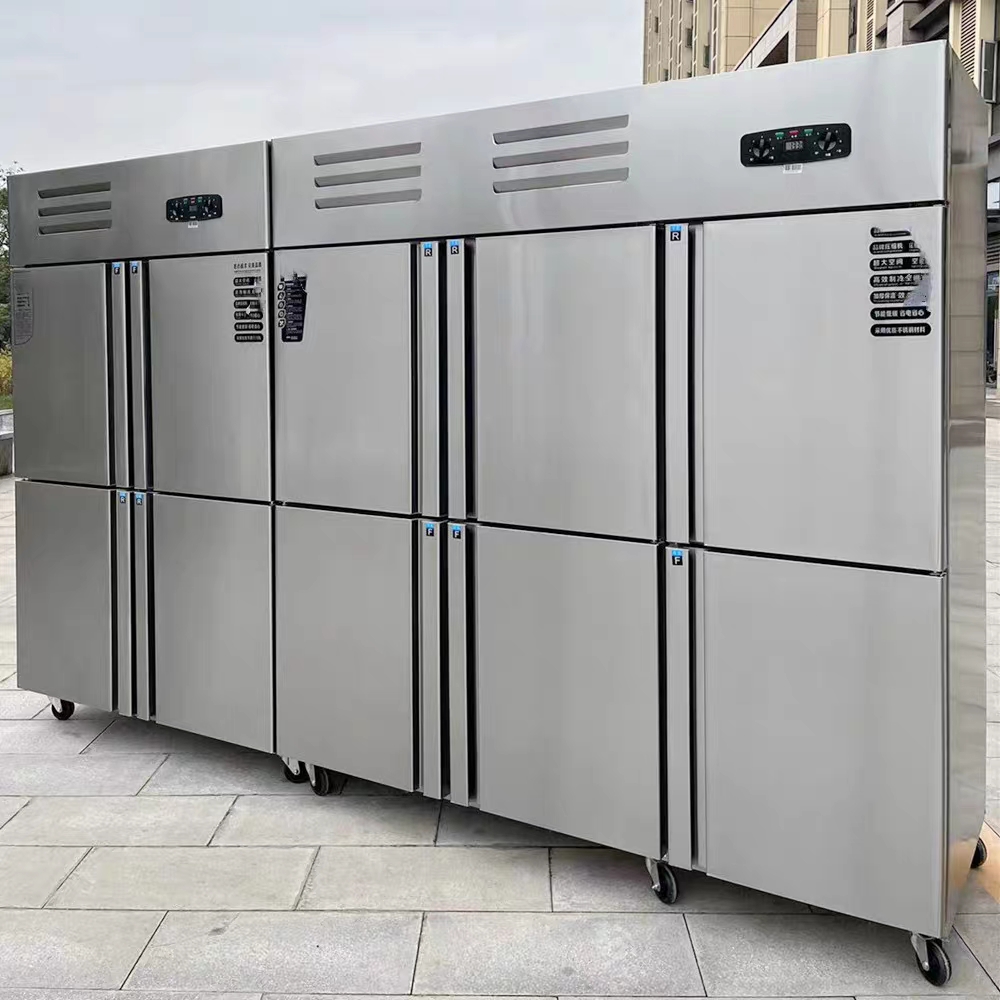
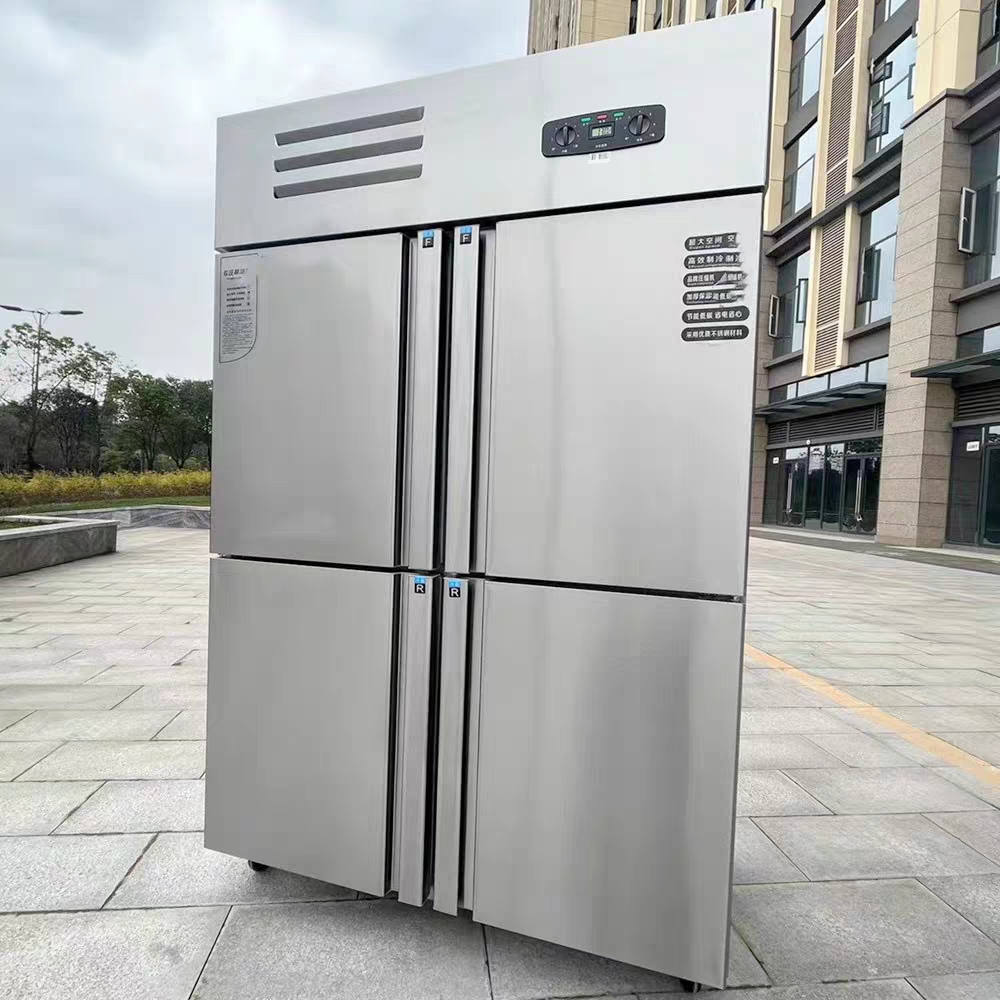
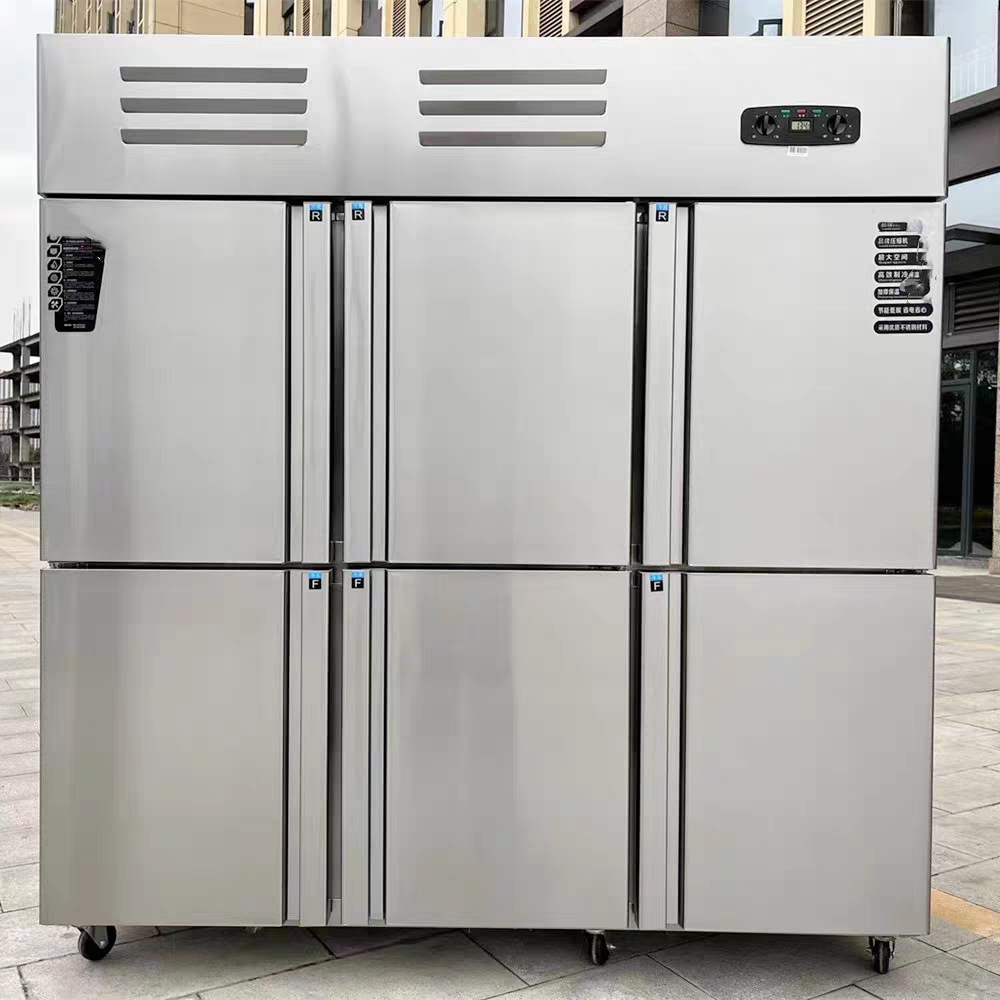
3️⃣ Upright Stainless Steel Kitchen Freezers
- Single door
- Double door
- Four-door vertical freezer
Common in:
- Commercial kitchens
- Catering businesses
- Hotels
Features:
- Strong cooling performance
- Adjustable shelves
- Food-grade stainless steel
4️⃣ Walk-in Freezer Rooms
- Modular cold storage panels
- Customized room size
- Heavy-duty refrigeration units
Used for:
- Food factories
- Meat processing plants
- Agricultural storage
2. Key Components of a High-Quality Commercial Freezer
When writing freezer content that generates inquiries, focus on technical reliability.
Compressor
International buyers often request:
- Branded compressors
- High cooling efficiency
- Long lifespan
Refrigerant
Environmentally friendly refrigerants such as:
- R290
- R404A
Compliance with environmental regulations increases export opportunities.
Insulation
- High-density polyurethane foam
- Thick insulation panels
- Low thermal conductivity
Better insulation means lower energy costs.
Temperature Control System
- Digital controller
- Adjustable temperature range (-18°C to -25°C)
- Automatic defrost
Precision temperature control is critical for food safety.
3. Energy Efficiency & Cost Control
Electricity consumption is a major concern for commercial buyers.
A reliable freezer supplier should provide:
- Energy consumption data
- Climate class rating
- Energy-saving compressor systems
- Double-layer glass doors for display models
Energy-efficient freezers reduce long-term operating costs and increase buyer interest.
4. OEM & Custom Freezer Manufacturing
International distributors often require customized solutions.
Customization options may include:
- Logo printing
- Color customization
- Voltage options (110V / 220V / 380V)
- Plug type
- Temperature range adjustment
- Special size requirements
OEM service is a strong selling point and greatly increases inquiry potential.
5. Production Process of Commercial Freezers
Professional freezer manufacturing involves:
- Sheet metal cutting
- Cabinet forming
- Foam injection insulation
- Refrigeration system installation
- Electrical wiring
- Performance testing
- Final inspection
- Packaging
Factories with automated production lines ensure consistent quality and stable bulk supply.
6. Quality Control & Testing
Before shipment, commercial freezers should undergo:
- Cooling performance testing
- Leak detection
- Electrical safety testing
- Noise level testing
- Continuous 24-hour operation testing
Providing testing reports increases buyer confidence.
7. Packaging & Container Loading
Proper export packaging protects equipment during sea transportation.
Common methods:
- Thick carton box
- Wooden frame reinforcement
- Corner protection
- Foam padding
Container loading optimization reduces shipping costs for bulk buyers.
Example:
- 1x40HQ container can load multiple units depending on model size.
8. How to Write Freezer Content That Attracts Inquiries
To generate serious inquiries, your website article should include:
✔ Clear technical specifications
✔ MOQ information
✔ Production lead time
✔ Voltage options
✔ Refrigerant type
✔ Real factory photos
✔ Certification details (CE, RoHS, etc.)
Transparency builds trust.
9. Lead Time & Minimum Order Quantity
Typical conditions:
- MOQ: 10–50 units depending on model
- Production lead time: 20–35 days
- Sample order available for new distributors
Clear commercial terms encourage importers to contact you.
10. Global Export Experience
Professional commercial freezer exporters understand:
- Different voltage standards
- Customs documentation requirements
- Local certification regulations
- Climate adaptation
Serving markets in Southeast Asia, Middle East, Africa, and Europe requires flexible production capability.
11. Current Trends in Commercial Freezer Industry
- Energy-efficient inverter compressors
- Smart temperature monitoring
- Eco-friendly refrigerants
- Transparent glass display design
- Stainless steel durability
Buyers increasingly prefer equipment that balances performance with sustainability.
12. Why Work with a Direct Commercial Freezer Factory?
Direct cooperation offers:
- Competitive pricing
- Faster communication
- Flexible OEM support
- Stable bulk supply
- Long-term partnership opportunities
Distributors looking to expand their cold chain equipment business benefit from stable manufacturing partners.
Conclusion
Commercial freezers are essential for food safety, retail display, catering operations, and cold storage logistics. For importers and distributors, choosing a reliable commercial freezer manufacturer ensures:
- Stable cooling performance
- Energy efficiency
- Strong structural durability
- Competitive wholesale pricing
- Long-term technical support
By presenting transparent specifications, OEM flexibility, production capacity, and export experience, freezer suppliers can effectively attract serious international inquiries.
FAQ – Commercial Freezer Wholesale & Export
Q1: What is your minimum order quantity?
MOQ depends on the model, typically starting from 10–50 units.
Q2: Can you provide OEM logo service?
Yes, logo printing and customized color options are available.
Q3: What refrigerants do you use?
Environmentally friendly refrigerants such as R290 and R404A are available.
Q4: What is the production lead time?
Usually 20–35 days after order confirmation.
Q5: Do you provide certification?
Certification options depend on model and target market requirements.


No reply content