Introduction: Why Commercial Grade Equipment Matters
The modern fitness industry is evolving rapidly, with gyms, hotels, corporate wellness centers, and specialized training facilities demanding equipment that delivers professional-grade performance, reliability, and safety. Unlike residential or light-commercial fitness machines, commercial grade fitness equipment is engineered to withstand:
- Continuous heavy use
- High impact loads
- Diverse user profiles
- Long-term durability and minimal downtime
For gym owners and fitness operators, equipment selection is not just about functionality; it’s about return on investment (ROI), brand reputation, and member satisfaction. This guide provides a comprehensive breakdown of commercial-grade fitness equipment, including technical specifications, operational metrics, durability standards, and manufacturer evaluation through the E-E-A-T framework.
Defining Commercial Grade Fitness Equipment
Commercial grade equipment refers to machines and tools built to meet professional standards, exceeding residential-grade capabilities in terms of:
- Structural engineering: Heavy-duty frames, reinforced welds, and high tensile steel
- Mechanical systems: Industrial motors, high-capacity flywheels, and precision bearings
- User load capacity: Designed to safely support a wide range of user weights
- Duty cycles: Continuous operation for 10–16 hours per day
- Safety and compliance: Certified according to CE, RoHS, ISO, and UL standards
Equipment categories typically include:
- Strength training machines and free weights
- Cardiovascular machines (treadmills, ellipticals, rowing machines, bikes)
- Functional and flexibility equipment (TRX, resistance bands, mats)
Advantages of Commercial Grade Fitness Equipment
1. High Durability and Structural Integrity
Commercial equipment uses industrial-grade materials such as:
- Q235 / Q345 steel frames
- Powder-coated surfaces
- Anti-corrosion treated steel pulleys
- Reinforced joints for long-term stability
These materials allow the equipment to withstand repeated heavy use without structural fatigue.
2. Reliable Mechanical Performance
- Heavy-duty AC motors or high-torque DC motors for cardio machines
- Precision-engineered weight stacks and pulley systems for strength machines
- Smooth belt and flywheel operation
- Shock absorption systems for running decks and ellipticals
This ensures consistent user experience under maximum load conditions.
3. Safety and Compliance
Commercial equipment incorporates redundant safety features:
- Emergency stop mechanisms
- Anti-slip surfaces
- Load-rated benches and racks
- Compliance with electrical safety standards
These features are critical for gyms where user profiles vary widely.
Strength Training Equipment Specifications
| Equipment Type | Technical Specs | Use Case |
|---|---|---|
| Power Rack | 7-gauge steel frame, 220 kg load, safety bars, pull-up station | Squats, bench press, Olympic lifts |
| Multi-Functional Weight Machine | 150–200 kg weight stack, dual-pulley system | Compound and isolation exercises |
| Adjustable Dumbbells | 2–40 kg, selector mechanism | Free weight progressive overload |
| Olympic Barbell | 20 kg, tensile strength ≥700 lbs, bushings or bearings | Clean, jerk, deadlift |
Key focus: load capacity, ergonomic design, and mechanical precision.
Cardiovascular Equipment Specifications
| Equipment Type | Technical Specs | Use Case |
|---|---|---|
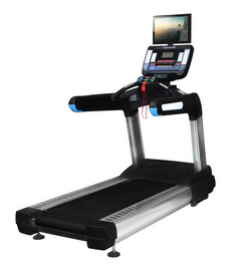
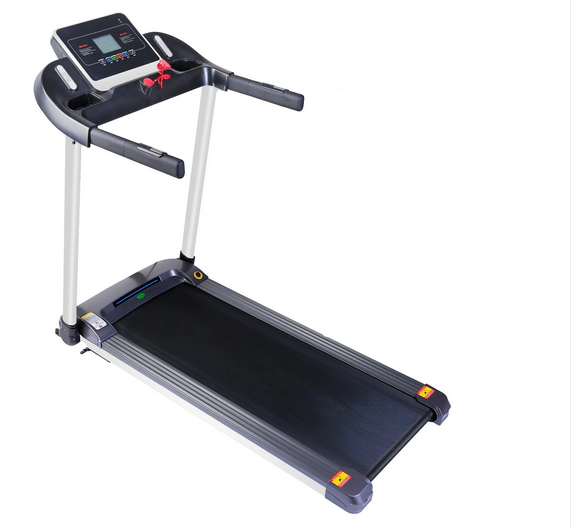
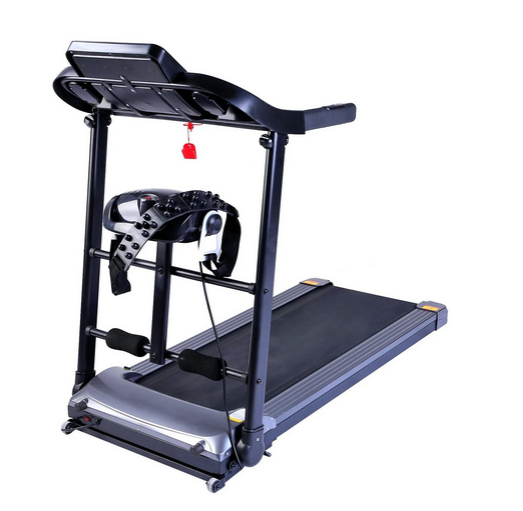
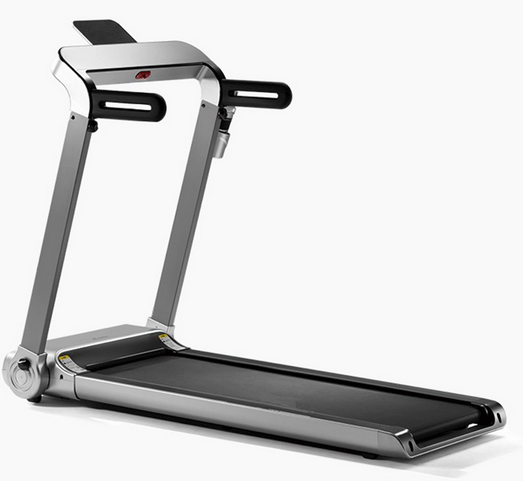
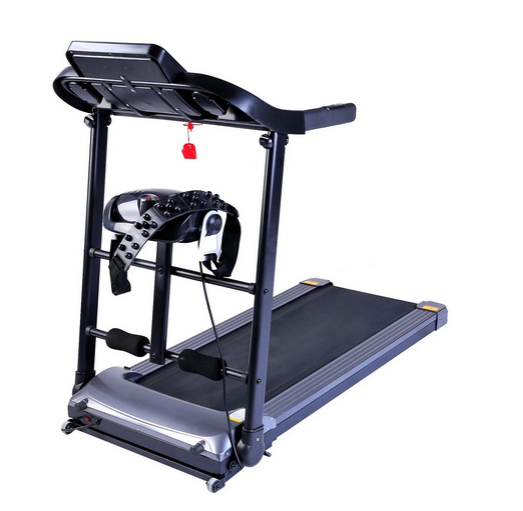
| Commercial Treadmill | AC motor 3–5 HP continuous, incline 0–15%, speed 0.8–20 km/h, touch screen console | Running, HIIT, endurance |
| Elliptical | 25–35 kg flywheel, stride 50–55 cm, resistance 16 levels | Low-impact cardio |
| Rowing Machine | Magnetic/air resistance, 20–30 kg flywheel, adjustable damper | Full-body conditioning |
| Spin Bike | Flywheel 20–25 kg, adjustable saddle/handlebars, Bluetooth console | Interval cycling |
Performance metrics focus on motor stability, resistance accuracy, stride length, and ergonomic adjustability.
Functional and Flexibility Equipment
| Equipment | Specifications | Purpose |
|---|---|---|
| TRX Suspension | Max load 200 kg, adjustable straps | Bodyweight functional training |
| Resistance Bands | 5–50 lb, latex/fabric, color-coded | Strength, mobility, rehabilitation |
| Medicine Balls | 3–12 kg, anti-burst, textured | Core, plyometrics, explosive strength |
| Yoga Mats | 15 mm, anti-slip, moisture-resistant | Stretching, mobility, recovery |
These tools complement strength and cardio training, providing injury prevention, mobility, and functional fitness.
Smart Technology Integration
Modern commercial gyms increasingly demand smart fitness equipment:
- Touchscreen consoles: Capacitive 15–22” displays, HD resolution, Wi-Fi/Bluetooth connectivity
- App integration: User profiles, progress tracking, adaptive workouts
- IoT features: Remote monitoring, diagnostics, OTA firmware updates
| Feature | Specification |
|---|---|
| Screen Size | 15–22 inch capacitive touchscreen |
| Connectivity | Wi-Fi, Bluetooth, USB |
| User Profiles | Multiple accounts, adaptive programs |
| Entertainment | Video streaming, virtual routes |
Smart integration enhances user engagement, data-driven training, and operational monitoring.
Comparison: Commercial vs Residential-Grade Equipment
| Feature | Commercial Grade | Residential Grade |
|---|---|---|
| Motor Capacity | 3–5 HP AC (treadmill) | 1–2 HP DC |
| User Weight | 150–200 kg | 100–120 kg |
| Duty Cycle | 10–16 hrs/day | 1–2 hrs/day |
| Frame Material | Industrial steel | Lighter steel/aluminum |
| Lifespan | 8–12 years | 3–5 years |
| Maintenance | Periodic, minimal downtime | More frequent, prone to wear |
The difference is particularly evident in high-traffic environments where reliability and safety are paramount.
Maintenance Guidelines
- Weekly belt inspection and lubrication
- Monthly pulley, cable, and moving part inspection
- Quarterly hardware and fastener tightening
- Annual motor and electronic system inspection
Commercial-grade components reduce maintenance frequency while extending operational life.
Technical Specification Table (Sample)
| Parameter | Specification |
|---|---|
| Treadmill Motor | 4 HP continuous AC |
| Speed Range | 0.8–20 km/h |
| Incline | 0–15% |
| Running Area | 1600 × 580 mm |
| Max User Weight | 180 kg |
| Elliptical Flywheel | 30 kg, magnetic resistance |
| Power Supply | 220–240V |
| Certifications | CE, RoHS, ISO9001 |
| Warranty | 3–5 years |
Evaluating Manufacturers Using E-E-A-T
Experience
- Years in commercial equipment production
- Installation in gyms, hotels, and sports facilities
Expertise
- In-house R&D for motor systems, strength machines, and smart consoles
- Ergonomic design and industrial engineering
Authoritativeness
- ISO-certified factories
- CE, RoHS, UL approvals
- Third-party performance testing
Trustworthiness
- Transparent technical specifications
- Warranty and spare parts support
- Customer service and installation guidance
Frequently Asked Questions (FAQ)
Q1: What defines equipment as “commercial grade”?
A: It is engineered for continuous operation, high load capacity, and compliance with safety standards.
Q2: Can commercial-grade equipment be used at home?
A: Yes, especially in high-end home gyms with adequate space and electrical supply.
Q3: How long does commercial fitness equipment last?
A: Typically 8–12 years with proper maintenance.
Q4: Are smart features necessary?
A: They are optional but improve user engagement, performance tracking, and ROI.
Q5: What certifications should be checked?
A: CE, RoHS, ISO9001, UL, or regional electrical safety approvals.
Final Thoughts: Investing in Commercial Grade Fitness Equipment
Choosing commercial-grade fitness equipment is a strategic investment. Unlike residential machines, these units deliver:
- Long-term durability
- High user capacity
- Safety under intensive usage
- Reduced downtime and maintenance
- Smart integration for user engagement
Gym owners, fitness facilities, and high-end home gyms that invest in professional-grade equipment benefit from operational efficiency, improved member satisfaction, and long-term value.


No reply content