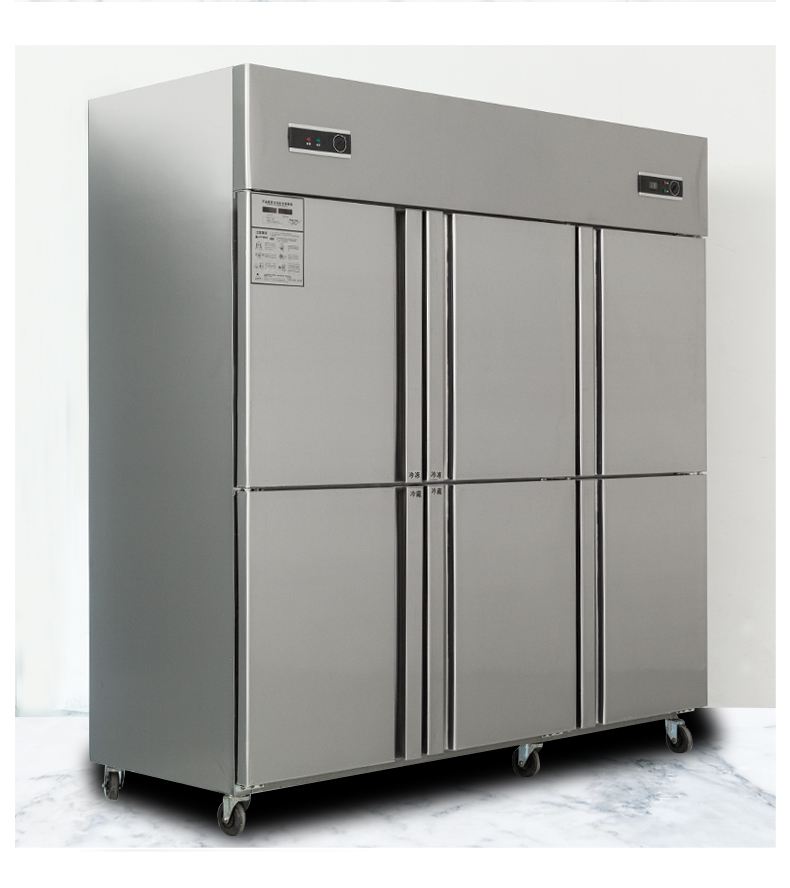
In the hospitality industry, temperature control is not optional—it is the foundation of food safety, operational efficiency, and long-term profitability. Whether you operate a luxury hotel, a high-volume buffet restaurant, a catering business, or a central kitchen, commercial hotel and restaurant refrigeration equipment determines product freshness, compliance, and daily workflow performance.
This in-depth guide explores everything you need to know about hotel kitchen cold storage refrigerators, commercial display chillers, stainless steel upright freezers, undercounter fridges, walk-in cold rooms, blast chillers, and energy-efficient food preservation systems—written with real industry insight, technical authority, and practical purchasing advice.
Why Commercial Hotel Refrigeration Is Different from Household Units
Unlike domestic refrigerators, commercial catering refrigeration equipment is designed for:
- Continuous 24/7 operation
- High door-opening frequency
- Large storage capacity
- Rapid temperature recovery
- Strict HACCP food safety compliance
- Stainless steel heavy-duty construction
- High humidity and grease resistance
Hotels and restaurants cannot afford temperature fluctuations. A 2°C deviation can compromise seafood, dairy, or prepared meals. Professional-grade systems ensure consistent internal temperature, even during peak kitchen hours.
Types of Hotel & Restaurant Refrigeration Equipment
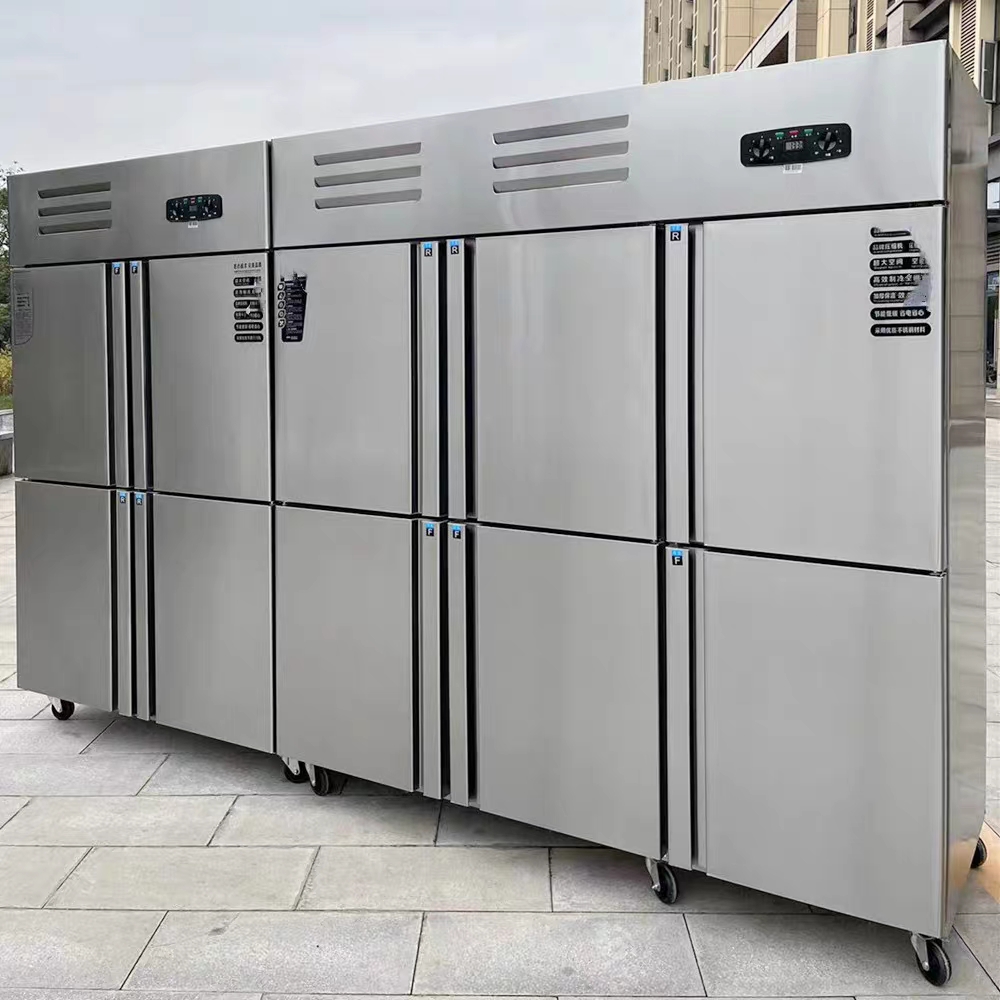
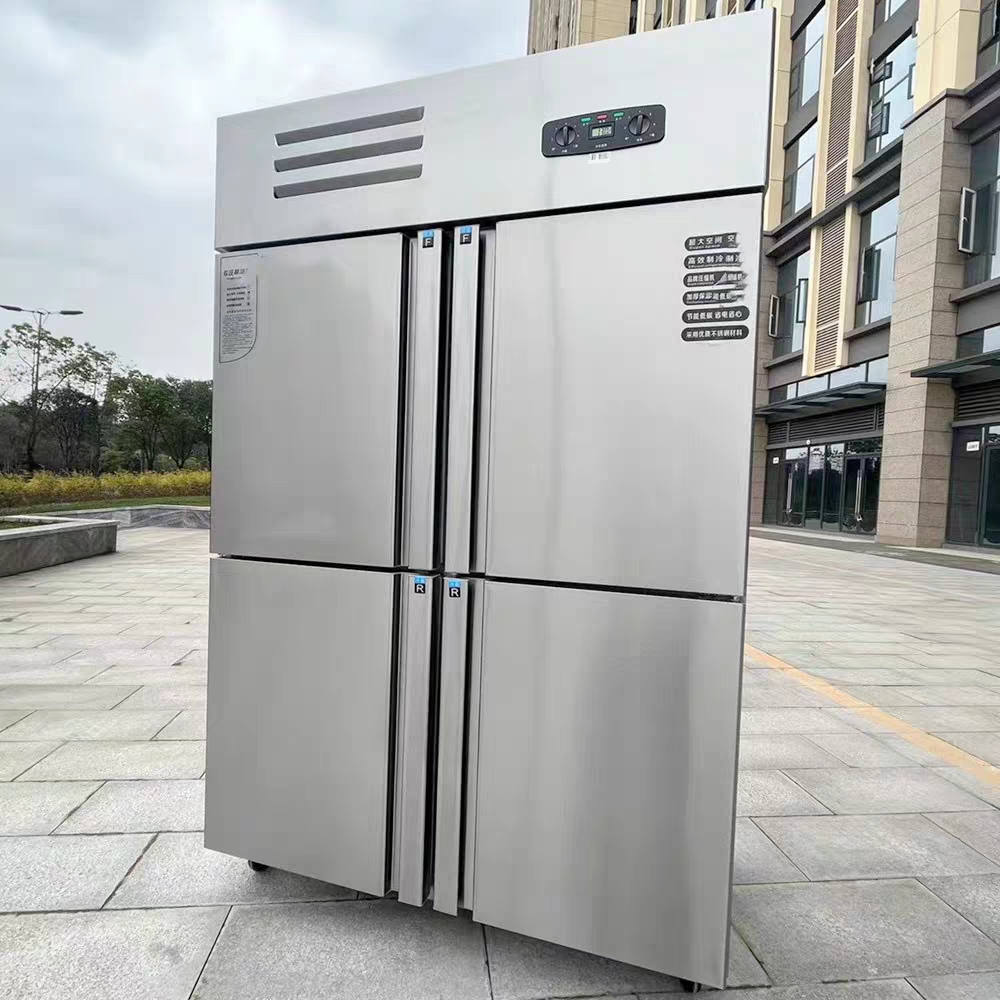
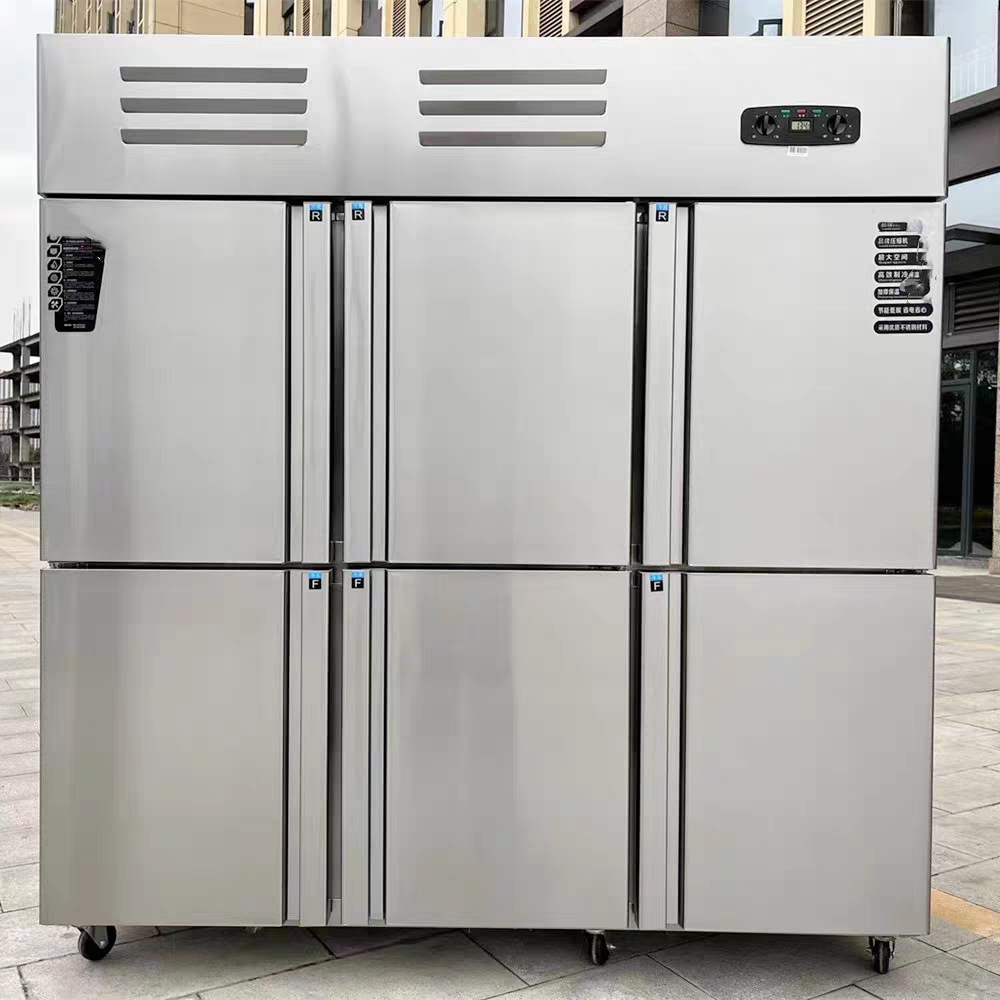
1. Upright Commercial Refrigerators & Freezers
Best for: Hotels, bakeries, catering kitchens, buffet preparation areas
Features:
- Stainless steel interior and exterior
- Fan-assisted cooling system
- Adjustable GN pan shelving
- Digital thermostat control
- Automatic defrost system
- R290 eco-friendly refrigerant
These are the backbone of professional kitchens. Vertical units save floor space while offering large capacity for meats, vegetables, dairy, and desserts.
2. Undercounter & Worktop Refrigerators
Best for: Fast-paced kitchens with limited space
Advantages:
- Space-saving design
- Stainless steel work surface
- Drawer or door configurations
- Easy integration into cooking lines
These units improve kitchen efficiency by keeping ingredients within arm’s reach during food preparation.
3. Display Refrigerators & Beverage Coolers
Best for: Hotel lobbies, buffet lines, café counters
Key benefits:
- Transparent glass doors
- LED lighting for product visibility
- Adjustable shelving
- Energy-efficient compressors
Display refrigerators increase impulse sales while maintaining safe storage temperatures.
4. Walk-In Cold Rooms & Freezer Rooms
Best for: Large hotels, central kitchens, food processing
Features:
- Modular PU insulated panels
- Custom temperature range (0°C to -25°C)
- Heavy-duty anti-slip flooring
- Remote condensing units
Walk-in systems provide bulk storage and reduce daily restocking needs.
Food Safety & HACCP Compliance
Professional refrigeration must meet:
- HACCP standards
- CE / ETL / NSF certifications
- Food-grade stainless steel requirements
- Automatic temperature monitoring
Consistent cooling prevents bacterial growth and cross-contamination. Hotels with international guests must follow strict global safety protocols.
Energy Efficiency & Operating Cost Reduction
Modern commercial refrigerators use:
- R290 eco refrigerant
- High-efficiency compressors
- Thick polyurethane insulation
- Self-closing doors
- Digital temperature control
Energy-efficient hotel refrigeration reduces electricity costs by 20–35% annually compared to outdated units.
For large hotels operating 24/7, this means significant long-term savings.
How to Choose the Right Hotel Refrigeration Equipment
Step 1: Calculate Storage Volume
- Small restaurant: 600–1000L
- Medium hotel kitchen: 1500–3000L
- Large resort or catering center: Walk-in cold room required
Step 2: Determine Temperature Range
- Chiller: 0°C to +8°C
- Freezer: -18°C to -22°C
- Dual temperature combination models available
Step 3: Check Kitchen Layout
- Door opening direction
- Ventilation space
- Electrical requirements
- Floor load capacity
Step 4: Verify Certification
- CE
- ISO
- HACCP
- Energy efficiency rating
Materials & Build Quality
Professional hotel refrigeration should include:
- 304 stainless steel body
- Copper evaporator coils
- High-density insulation
- Magnetic door seals
- Heavy-duty casters
Durability directly impacts ROI.
Maintenance & After-Sales Support
To ensure longevity:
- Clean condenser coils monthly
- Inspect door gaskets regularly
- Maintain proper ventilation clearance
- Schedule annual professional inspection
Reliable manufacturers provide:
- Spare parts availability
- Compressor warranty
- Technical support documentation
- Installation guidance
Customization Options
Hotels often require:
- Custom dimensions
- Logo branding
- Special voltage (110V / 220V / 380V)
- GN pan compatibility
- Smart temperature monitoring systems
- Color coating exterior
OEM & ODM solutions are widely available for distributors and large hospitality chains.
Frequently Asked Questions (FAQ)
Can you manufacture commercial hotel refrigeration equipment?
Yes. Professional manufacturers can produce upright refrigerators, freezers, display chillers, undercounter units, and walk-in cold rooms based on international hospitality standards.
What is the MOQ (Minimum Order Quantity)?
MOQ depends on the model:
- Standard units: 1–10 pieces
- OEM customization: 10–50 pieces
- Cold rooms: Project-based
Bulk orders receive better pricing.
What is the production lead time?
Typical production time:
- Standard models: 7–15 days
- Customized models: 20–35 days
- Large cold room projects: 30–45 days
Lead time varies by order quantity and customization level.
Do you have stock available?
Many factories maintain inventory for best-selling models. Stock availability depends on:
- Capacity
- Voltage specification
- Door configuration
Urgent orders can often be arranged within 3–7 days.
Can you provide customization services?
Yes. Customization options include:
- Size adjustment
- Private label branding
- Logo engraving
- Special refrigerant options
- Smart digital control systems
- Packaging customization
OEM & ODM services are commonly offered for distributors, wholesalers, and hotel chains.
Why Invest in Professional Hotel Refrigeration Equipment?
A high-quality commercial refrigerator:
- Protects food safety
- Reduces waste
- Improves kitchen workflow
- Enhances energy efficiency
- Ensures regulatory compliance
- Protects brand reputation
In hospitality, reliability equals credibility.
Final Thoughts
Commercial hotel and restaurant refrigeration equipment is not just a storage solution—it is a critical infrastructure investment.
Choosing durable, energy-efficient, and HACCP-compliant refrigeration ensures:
- Operational stability
- Cost savings
- Long service life
- Guest satisfaction
For hotels, restaurants, catering businesses, and distributors, selecting the right commercial cold storage equipment directly impacts profitability and brand trust.
If you need help selecting the best model for your hotel kitchen or catering project, detailed specifications and professional consultation are always recommended.


No reply content