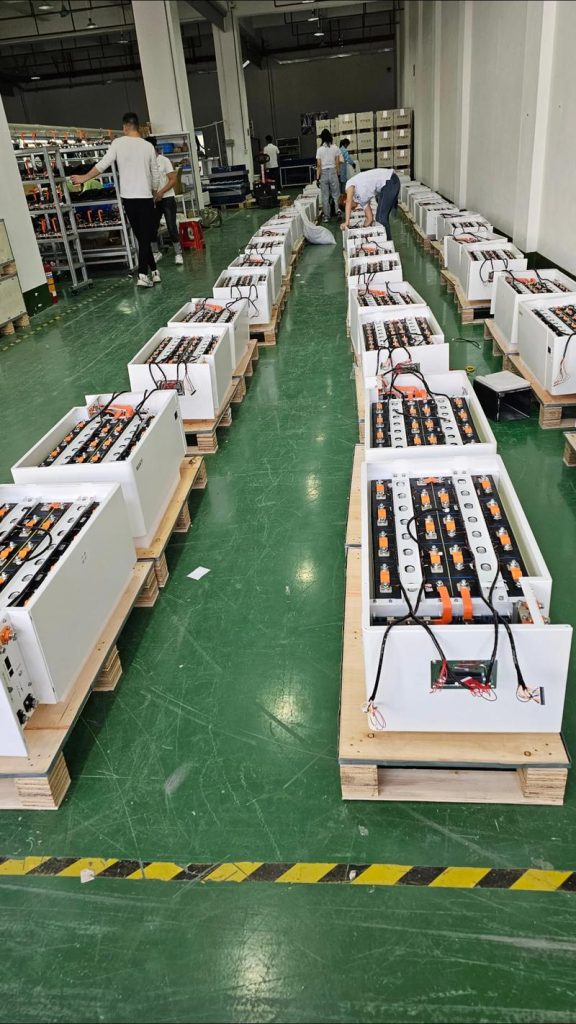
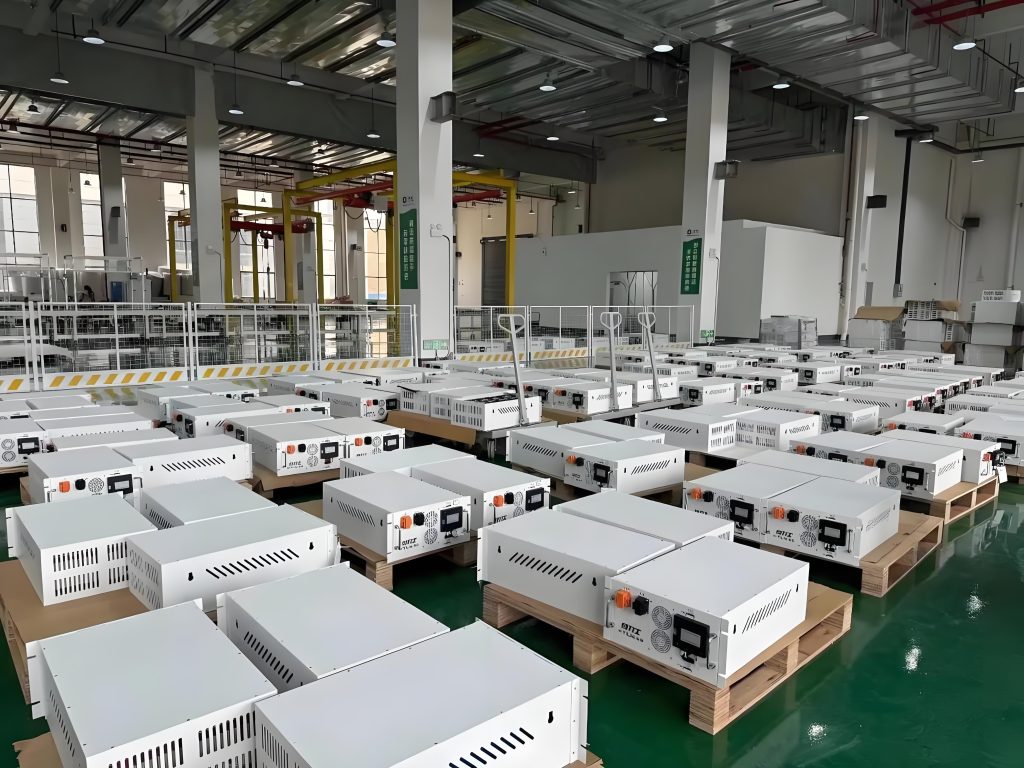
Rising electricity costs and increasing demand for energy stability are pushing factories and warehouses to adopt commercial solar battery storage solutions. By combining solar power generation with battery storage, businesses can reduce operating costs, improve energy efficiency, and secure reliable backup power.
This guide explains how commercial solar battery storage systems for factories and warehouses work, key product specifications, system benefits, and answers common questions from commercial buyers.
Why Factories and Warehouses Need Solar Battery Storage
Industrial and logistics facilities typically consume large amounts of electricity and face high peak demand charges. Solar battery storage provides a practical solution by allowing businesses to store energy and use it when it is most valuable.
Key benefits include:
- Peak shaving to reduce demand charges
- Lower electricity bills through solar self-consumption
- Backup power for critical equipment
- Stable power supply for automated systems
- Improved energy management
For warehouses operating 24/7 or factories with sensitive machinery, energy reliability is essential.
How Commercial Solar Battery Storage Systems Work
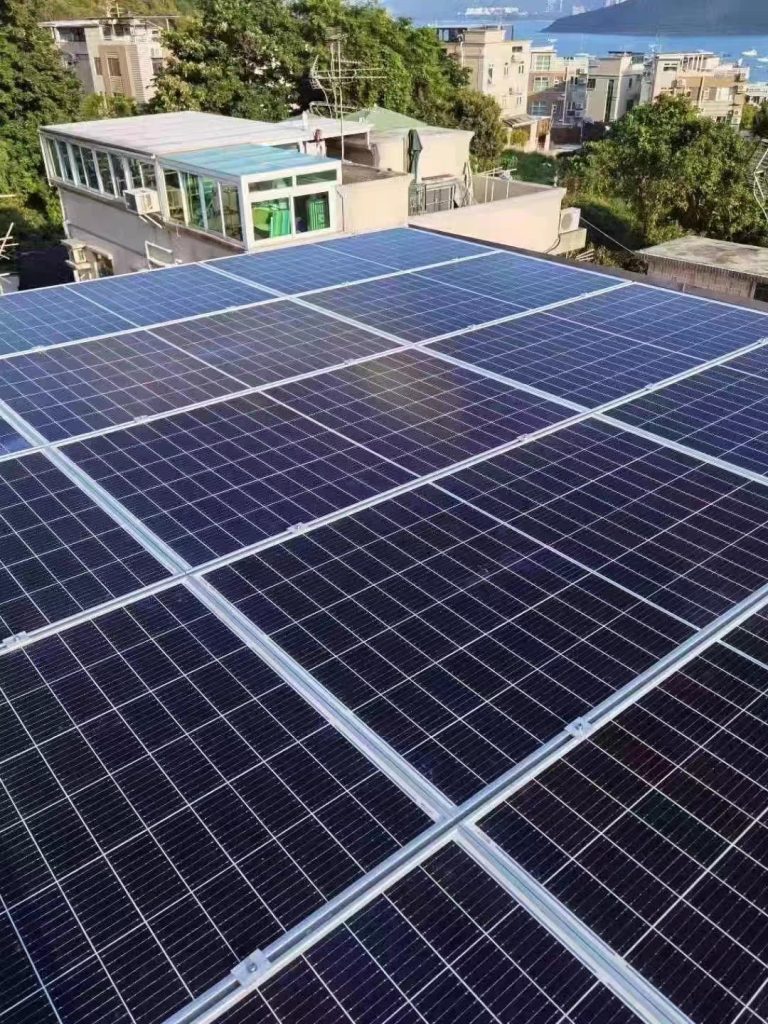
During daylight hours, solar panels generate electricity to power factory equipment or warehouse operations. Excess energy is stored in battery systems. When solar generation drops or electricity prices increase, stored energy is discharged to support operations or cover peak loads.
Commercial systems can operate in:
- Grid-connected mode
- Hybrid mode
- Partial or full off-grid mode
Typical Applications in Industrial and Warehouse Settings
Commercial solar battery storage systems are widely used in:
- Manufacturing plants
- Logistics and distribution centers
- Cold storage warehouses
- Data-sensitive facilities
- Industrial parks and commercial buildings
These systems help businesses optimize energy usage and protect against power interruptions.
Key Product Specifications for Commercial Solar Battery Storage
Below are typical specifications offered by professional manufacturers. Systems are designed based on project size, load profile, and site conditions.
Battery Specifications
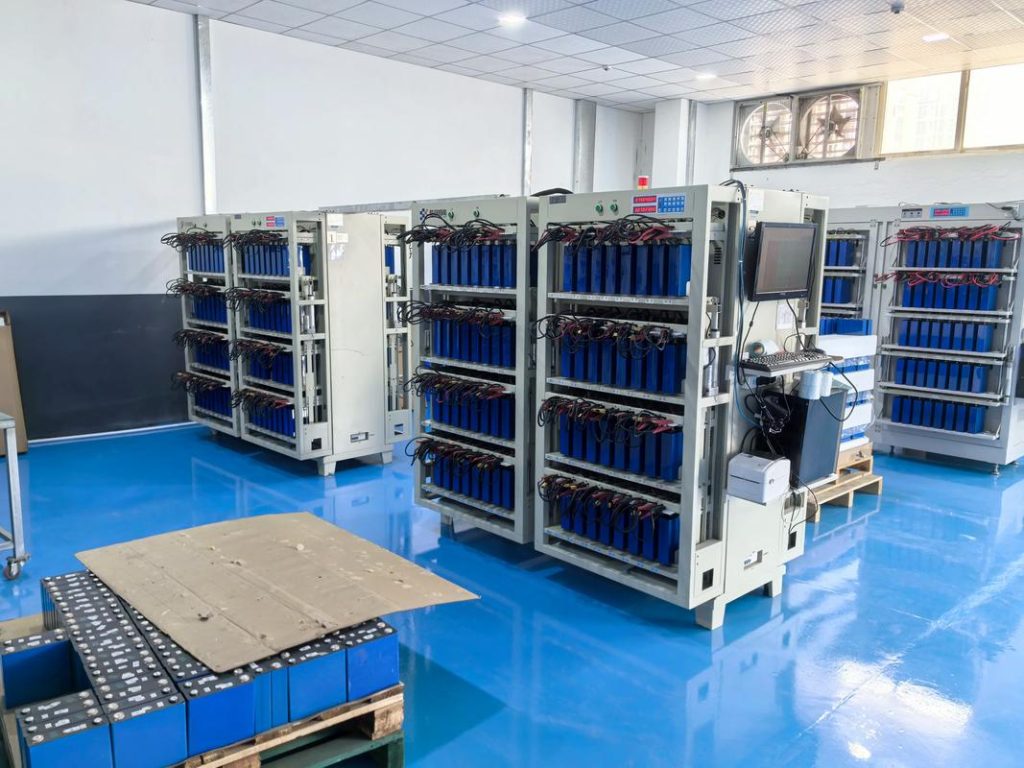
- Battery type: LFP (LiFePO₄)
- System voltage: 51.2V / High-voltage configurations
- Capacity range: 50 kWh – 1 MWh+
- Cycle life: 6,000+ cycles
- Depth of discharge: Up to 95%
Inverter Specifications
- Inverter type: Hybrid / Off-grid / PCS
- Rated power: 30 kW – 500 kW+
- Output phase: Three-phase
- Efficiency: ≥97%
System Features
- Intelligent BMS and EMS integration
- Real-time monitoring and data analysis
- Peak shaving and load shifting functions
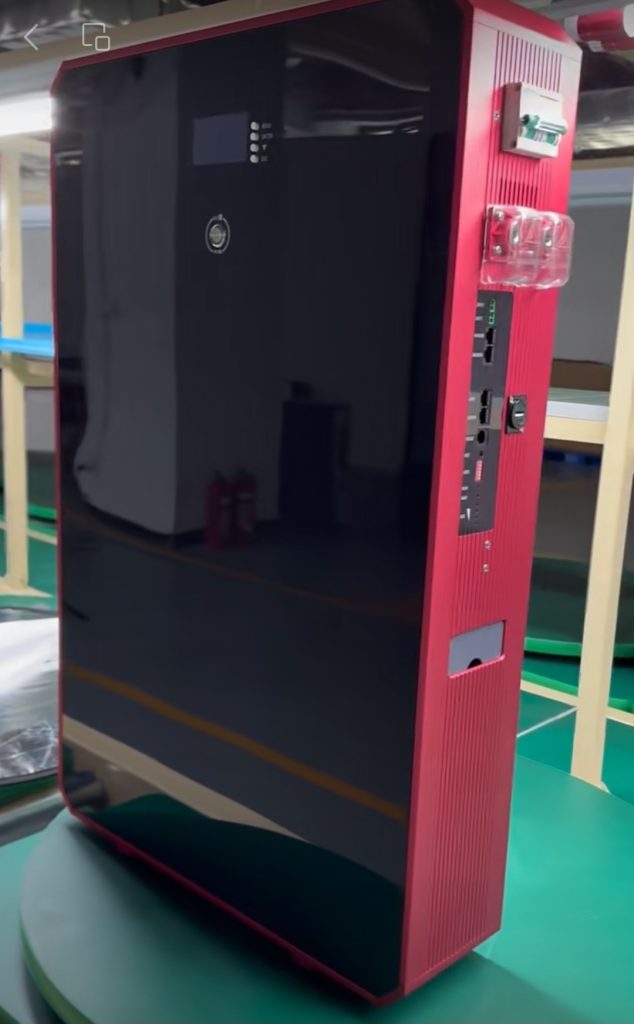
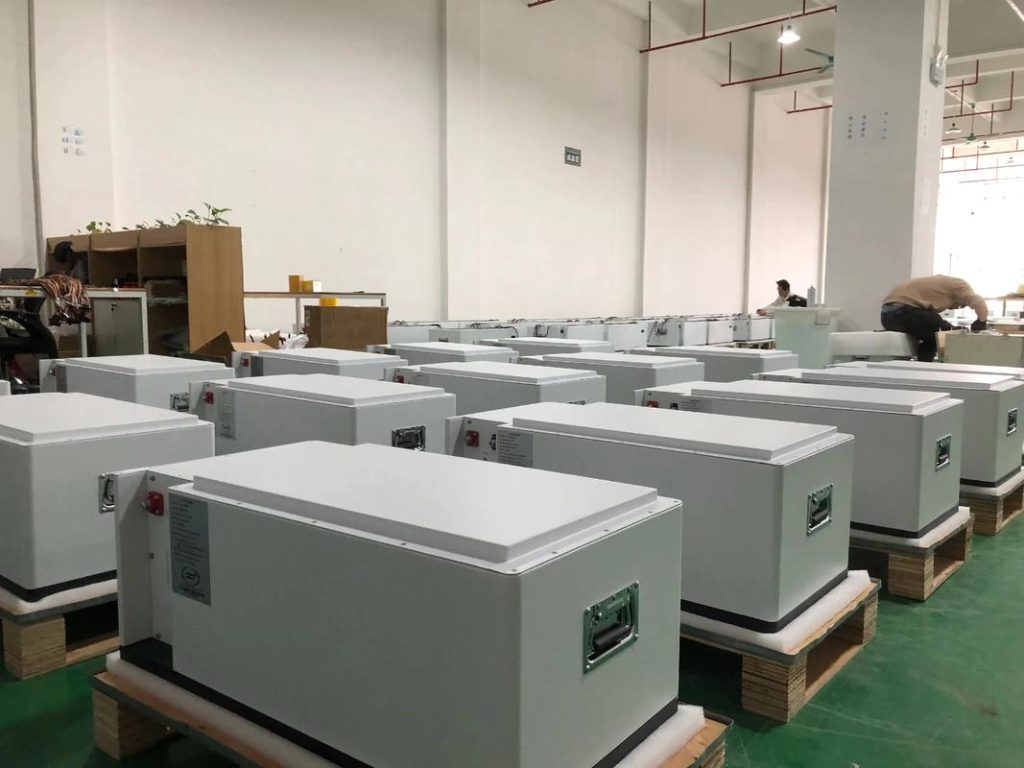
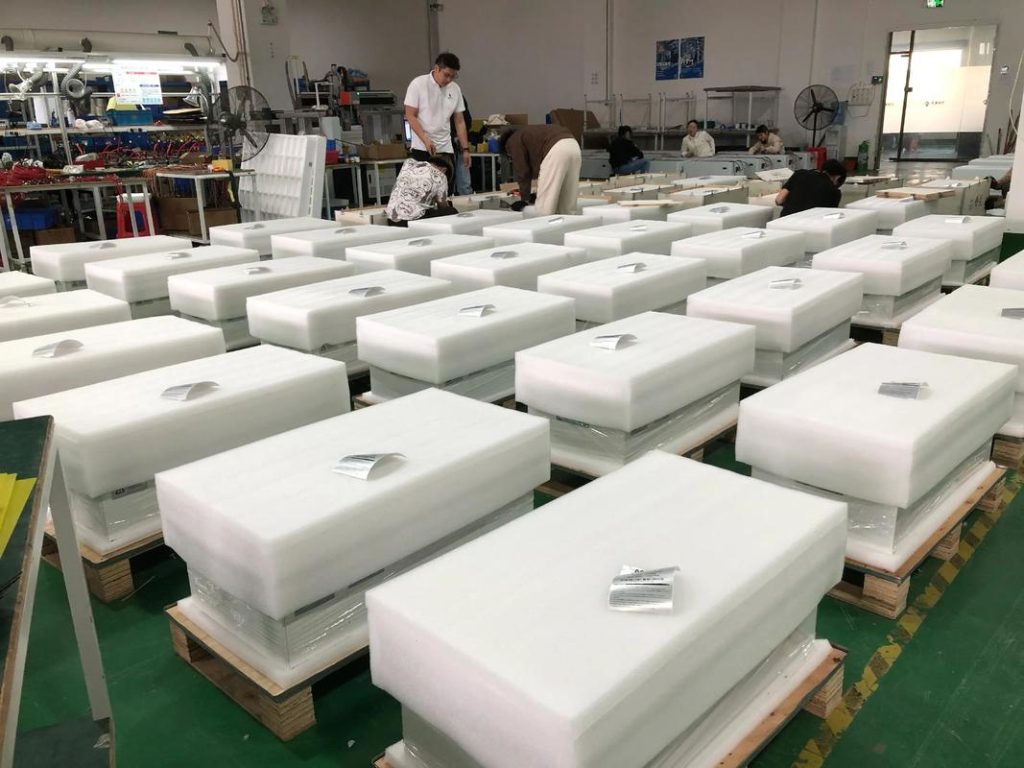
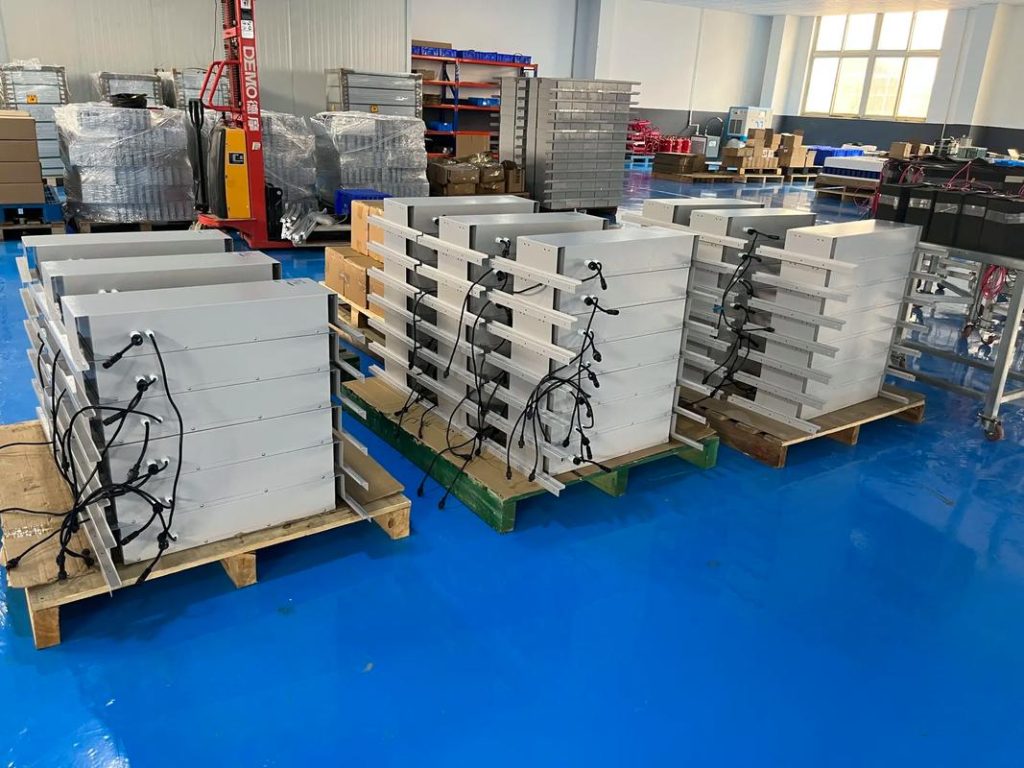
- Modular cabinet or containerized design
- Scalable capacity expansion
System Design Considerations for Commercial Projects
When designing a commercial solar battery storage system, several factors must be evaluated:
- Daily energy consumption patterns
- Peak demand periods
- Critical load requirements
- Available installation space
- Grid regulations and tariffs
A professional manufacturer can provide system design support based on these factors.
Installation Options
Commercial solar battery storage systems are available in:
- Indoor cabinet systems
- Outdoor weatherproof cabinets
- Containerized energy storage solutions
The choice depends on capacity requirements, site layout, and environmental conditions.
OEM and Custom Commercial Energy Storage Solutions
Factories and warehouses often require customized energy storage systems. OEM solutions may include:
- Custom battery capacity and cabinet design
- Integration with existing solar and power systems
- Customized EMS software
- Branding for project developers and integrators
OEM commercial energy storage allows flexible deployment across different projects and markets.
Certifications and Compliance
Commercial solar battery storage systems are typically designed to comply with international standards such as:
- CE
- UN38.3
- MSDS
- IEC-related standards
Compliance ensures safe operation and smooth project approval.
Frequently Asked Questions (FAQ)
Q1: How much battery capacity does a factory need?
Capacity depends on energy consumption, peak demand, and backup requirements. Many factories use systems ranging from 100 kWh to several MWh.
Q2: Can solar battery storage reduce peak electricity charges?
Yes. Peak shaving is one of the main benefits of commercial energy storage systems.
Q3: Is LFP battery suitable for industrial use?
Yes. LFP batteries are widely used in industrial applications due to their safety, long cycle life, and stability.
Q4: Can the system be expanded later?
Most commercial systems are modular and can be expanded as energy demand increases.
Q5: How long does installation take?
Installation time depends on system size but typically ranges from a few days to several weeks for large projects.
Final Thoughts
Commercial solar battery storage solutions for factories and warehouses provide a reliable and cost-effective way to manage energy consumption, reduce operating costs, and improve power stability. With scalable design, intelligent energy management, and long service life, these systems are becoming essential for modern industrial operations.
Partnering with an experienced manufacturer ensures proper system design, high-quality components, and long-term support.


No reply content