Introduction: Why Touchscreen Commercial Treadmills Are Redefining Modern Gyms
In today’s competitive fitness industry, equipment selection is no longer just about durability or horsepower. User experience, data intelligence, and digital engagement have become decisive factors. Among all cardio equipment, the commercial treadmill with touchscreen has emerged as a centerpiece in professional gyms, hotels, corporate wellness centers, rehabilitation clinics, and high-end residential fitness studios.
Unlike traditional LED-panel treadmills, touchscreen commercial treadmills combine industrial-grade mechanical performance with smart digital interfaces, offering immersive workouts, real-time analytics, and seamless connectivity. For facility owners, this translates into higher member retention, increased usage rates, and stronger brand differentiation.
This in-depth guide explores how commercial touchscreen treadmills work, what technical specifications truly matter, how to evaluate quality beyond marketing claims, and how to choose the right model for long-term commercial use.
What Is a Commercial Treadmill with Touchscreen?
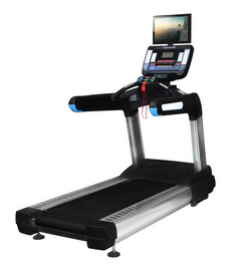
A commercial treadmill with touchscreen is a heavy-duty treadmill designed for continuous, high-frequency use, equipped with an integrated capacitive or industrial LCD touchscreen console. These machines are engineered to operate 8–16 hours per day, support users of varying weights and fitness levels, and deliver advanced software-driven training experiences.
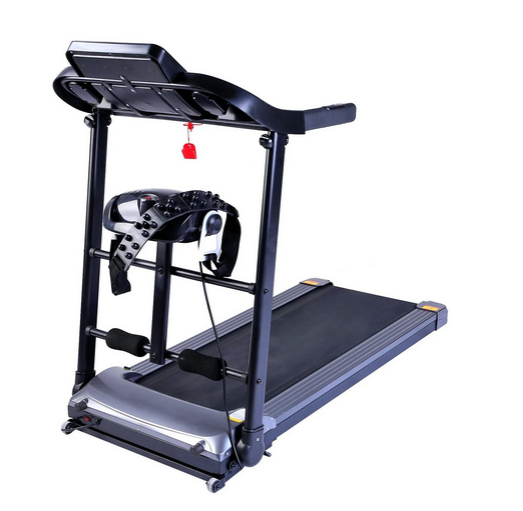
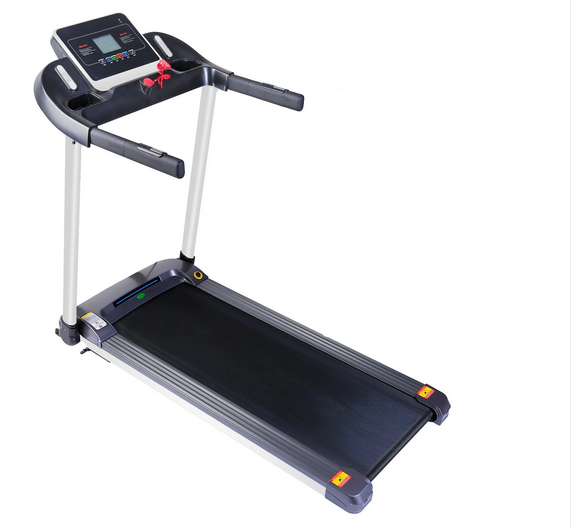
Key Differences from Home Treadmills
| Feature | Commercial Touchscreen Treadmill | Home Treadmill |
|---|---|---|
| Motor | AC motor (3.0–7.0 HP) | DC motor (1.5–3.0 HP) |
| Usage | Continuous, multi-user | Intermittent |
| Max User Weight | 150–200 kg | 100–130 kg |
| Touchscreen | Industrial-grade | Consumer-grade |
| Frame | Welded steel structure | Lightweight frame |
| Warranty | Commercial coverage | Residential only |
Core Advantages of Touchscreen Technology in Commercial Treadmills
1. Enhanced User Engagement
Touchscreen interfaces allow users to:
- Select pre-programmed workouts visually
- Track metrics in real time with intuitive dashboards
- Watch videos, virtual runs, or entertainment apps
- Customize speed, incline, and interval settings instantly
Studies in commercial gyms show that interactive cardio equipment increases session duration by 15–30%, directly improving perceived workout value.
2. Smart Data Collection & Analytics
Modern touchscreen treadmills collect:
- Heart rate trends
- Calories burned (MET-based calculations)
- Speed, incline, and cadence data
- User profiles and workout history
For gym operators, this data enables:
- Equipment utilization analysis
- Personalized training programs
- Integration with CRM or membership apps
3. Brand Positioning for Premium Facilities
Touchscreen treadmills visually communicate:
- Modernity
- Professionalism
- Technological leadership
In hospitality and corporate gyms, this directly impacts customer perception and satisfaction scores.
Key Technical Specifications That Define a True Commercial-Grade Treadmill
1. Motor System (The Heart of Performance)
A genuine commercial treadmill uses an AC motor, not a DC motor.
Recommended Specifications:
- Continuous Duty Power: 3.0–5.0 HP
- Peak Power: 6.0–7.0 HP
- Voltage: 220–240V (or 110V for North America)
- Cooling System: Independent fan cooling
AC motors provide:
- Stable torque at low speeds
- Reduced overheating
- Longer service life (20,000+ hours)
2. Touchscreen Display Technology
| Parameter | Professional Standard |
|---|---|
| Screen Size | 15.6” / 18.5” / 21.5” |
| Touch Type | Capacitive multi-touch |
| Resolution | Full HD (1920×1080) |
| Brightness | ≥ 300 nits |
| Operating System | Android / Embedded Linux |
| Protection | Tempered glass, anti-fingerprint |
High-quality touchscreens are moisture-resistant and designed for heavy sweat environments.
3. Running Belt & Deck Construction
Running Area (Recommended):
- Length: 1500–1600 mm
- Width: 550–600 mm
Deck Features:
- Multi-layer phenolic deck
- Shock absorption system (8–12 cushioning points)
- Anti-static, anti-slip surface
A wider belt reduces joint stress and improves safety for high-speed runners.
4. Speed & Incline Performance
| Feature | Commercial Standard |
|---|---|
| Speed Range | 0.8 – 20 km/h |
| Incline Range | 0 – 15% (motorized) |
| Incline Motor | Independent AC motor |
| Speed Accuracy | ±0.1 km/h |
Incline motors must be rated for continuous load, not intermittent use.
5. Structural Frame & Load Capacity
- Frame Material: Q235/Q345 steel
- Welding: Robotic welding preferred
- Max User Weight: 150–200 kg
- Net Weight: 180–250 kg
Heavier frames indicate stronger vibration control and longer lifespan.
Touchscreen Software Features That Matter
Integrated Training Programs
- Interval training
- Fat-burning programs
- HIIT protocols
- Cardio endurance sessions
Connectivity & Integration
- Bluetooth / ANT+ heart rate
- Wi-Fi connectivity
- USB & HDMI ports
- Gym management system integration
Multilingual Interface
Essential for international gyms:
- English
- Spanish
- German
- French
- Arabic
- Asian languages
Comparison: Touchscreen vs Button-Control Commercial Treadmills
| Aspect | Touchscreen Model | Traditional Console |
|---|---|---|
| User Experience | Immersive | Basic |
| Training Variety | High | Limited |
| Maintenance | Software updates | Minimal |
| Cost | Higher upfront | Lower |
| Member Attraction | Strong | Moderate |
For facilities targeting premium users, touchscreen models provide higher ROI despite higher initial investment.
Typical Application Scenarios
Commercial Gyms & Fitness Chains
- High member turnover
- Peak-hour continuous usage
- Branding & digital engagement focus
Hotels & Resorts
- Quiet operation
- Intuitive interface for first-time users
- Entertainment integration
Corporate Wellness Centers
- Data tracking for health programs
- User profile management
Rehabilitation & Sports Training Centers
- Precise speed control
- Heart-rate-based training
- Shock-absorbing decks
Maintenance & Long-Term Reliability Considerations
Preventive Maintenance Checklist
- Weekly belt lubrication
- Monthly bolt inspection
- Quarterly motor brush check
- Software updates via Wi-Fi
Spare Parts Availability
Reliable suppliers provide:
- Motor controllers
- Touch panels
- Drive belts
- Incline motors
Long-term parts support is a key trust indicator for commercial buyers.
Technical Specification Table (Sample)
| Parameter | Specification |
|---|---|
| Motor Type | AC Motor |
| Continuous Power | 4.0 HP |
| Peak Power | 7.0 HP |
| Speed Range | 0.8–20 km/h |
| Incline | 0–15% |
| Running Area | 1600 × 580 mm |
| Touchscreen | 21.5” Capacitive |
| Max User Weight | 180 kg |
| Machine Weight | 220 kg |
| Power Supply | 220–240V |
| Certifications | CE / RoHS / ISO |
How to Evaluate Manufacturer Credibility (E-E-A-T Focus)
Experience
- Years in commercial fitness equipment manufacturing
- Export history to regulated markets
Expertise
- In-house R&D team
- Custom software development capability
Authoritativeness
- ISO-certified factory
- Third-party testing reports
Trustworthiness
- Transparent specifications
- Clear warranty terms (motor 5–10 years)
- Stable after-sales support
Frequently Asked Questions (FAQ)
Q1: Are touchscreen treadmills reliable for high-traffic gyms?
Yes. When equipped with industrial-grade displays and AC motors, touchscreen commercial treadmills are designed for continuous professional use.
Q2: What is the ideal screen size for a commercial gym?
Most gyms prefer 18.5” or 21.5” screens for optimal visibility without excessive cost.
Q3: Do touchscreen treadmills require more maintenance?
Hardware maintenance is similar to standard treadmills. Software updates are typically remote and low-effort.
Q4: Can these treadmills work without internet?
Yes. Internet is only required for updates or online content, not for core operation.
Q5: What certifications should a commercial treadmill have?
CE, RoHS, ISO9001, and electrical safety certifications are essential for international markets.
Final Thoughts: Is a Commercial Treadmill with Touchscreen Worth the Investment?
For modern fitness facilities aiming to increase member satisfaction, extend equipment lifespan, and build a premium brand image, a commercial treadmill with touchscreen is no longer optional—it is a strategic asset.
While the upfront cost is higher, the long-term returns in user engagement, operational insights, and facility differentiation make it a smart, future-proof investment.
Choosing the right model comes down to true commercial specifications, software stability, and manufacturer credibility—not just screen size or marketing claims.
If you approach procurement with a technical mindset and long-term vision, touchscreen commercial treadmills can become one of the most valuable assets in your fitness ecosystem.


No reply content