
Opening Text Box (≈50 words):
Custom-made curtains provide tailored window solutions for residential, commercial, and hospitality projects. Suppliers offering MOQs of 50+ panels deliver high-quality fabrics, precise measurements, and professional finishing at competitive prices. Strategic sourcing, bulk production, and optimized logistics ensure cost efficiency without compromising design or functionality.
1. Introduction to Custom-Made Curtains
Custom-made curtains are a key component of interior design, combining aesthetics, functionality, and personalization. Unlike ready-made curtains, custom solutions offer tailored dimensions, fabrics, patterns, and finishes that meet specific project requirements.
By partnering with suppliers offering minimum order quantities (MOQs) of 50+ panels, buyers can access:
- Bulk Pricing: Lower per-panel cost due to economies of scale.
- Customization: Choice of fabric types, textures, colors, and patterns.
- Consistency: Uniform quality across multiple rooms or properties.
- Professional Support: Assistance with measurements, fabric selection, and installation guidance.
This combination of factors ensures that large-scale residential or commercial projects achieve a consistent, high-quality finish while remaining cost-effective.
2. Factors Affecting Pricing
Pricing of custom-made curtains depends on multiple factors:
- Fabric Type: Cotton, linen, polyester, velvet, silk, or blended fabrics have different costs.
- Panel Size: Larger panels require more material and labor.
- Finishing Options: Pleats, lining, blackout layers, grommets, and embroidery increase costs.
- Quantity: MOQs of 50+ panels reduce per-unit costs compared to small runs.
- Printing or Patterns: Custom prints, jacquard, or hand-painted designs influence pricing.
- Installation Accessories: Rods, hooks, tracks, or automated systems add to total costs.
Understanding these factors allows importers, retailers, and interior designers to budget accurately.
3. Fabric Options and Their Impact
a. Cotton and Linen
- Soft, natural fabrics ideal for homes and offices.
- Breathable and easy to maintain.
- Mid-range pricing depending on weave and quality.
b. Polyester and Blends
- Durable, wrinkle-resistant, and cost-effective.
- Often used for hotels and commercial projects requiring frequent washing.
- Low-maintenance option with competitive bulk pricing.
c. Velvet and Silk
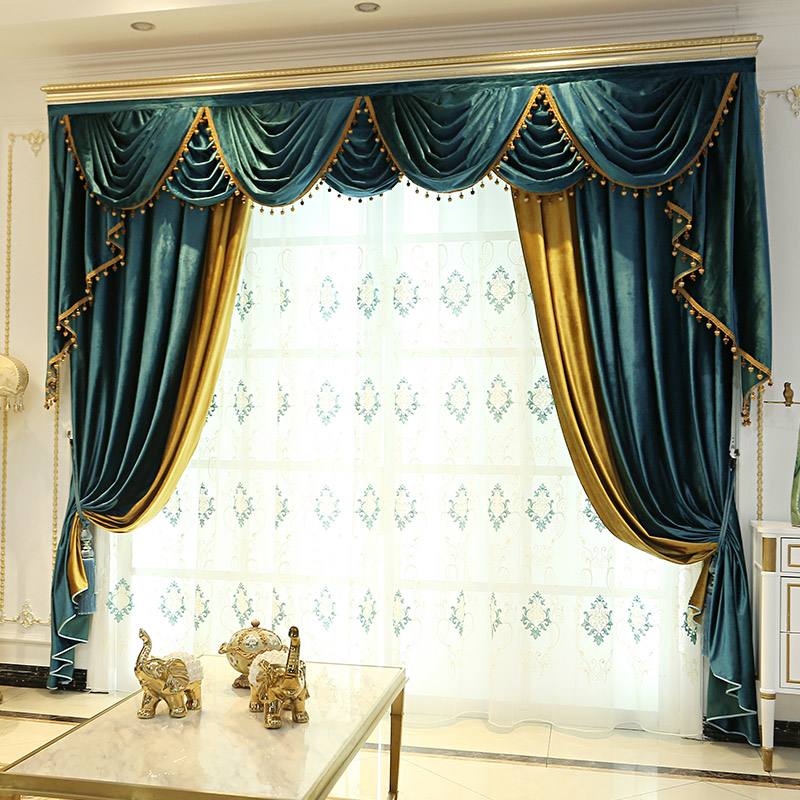
- Premium fabrics for luxury curtains.
- High cost due to material quality and labor-intensive finishing.
- Suitable for boutique hotels, executive offices, or high-end residential projects.
d. Blackout and Thermal Fabrics
- Functional for controlling light, temperature, and privacy.
- Additional lining or coatings slightly increase production costs.
- Highly valued in commercial spaces and high-end homes.
4. Curtain Types and Finishing Options
a. Pleated Curtains
- Classic design with folds for elegance and volume.
- Includes pinch pleats, pencil pleats, and goblet pleats.
- Requires precise measurement and skilled sewing.
b. Grommet and Eyelet Curtains
- Easy to install and slide on rods.
- Modern aesthetic, suitable for contemporary interiors.
- Finishing is simpler, often reducing labor costs.
c. Rod Pocket Curtains
- Fabric pocket sewn at the top to slide curtain rods.
- Simple design, cost-effective for bulk orders.
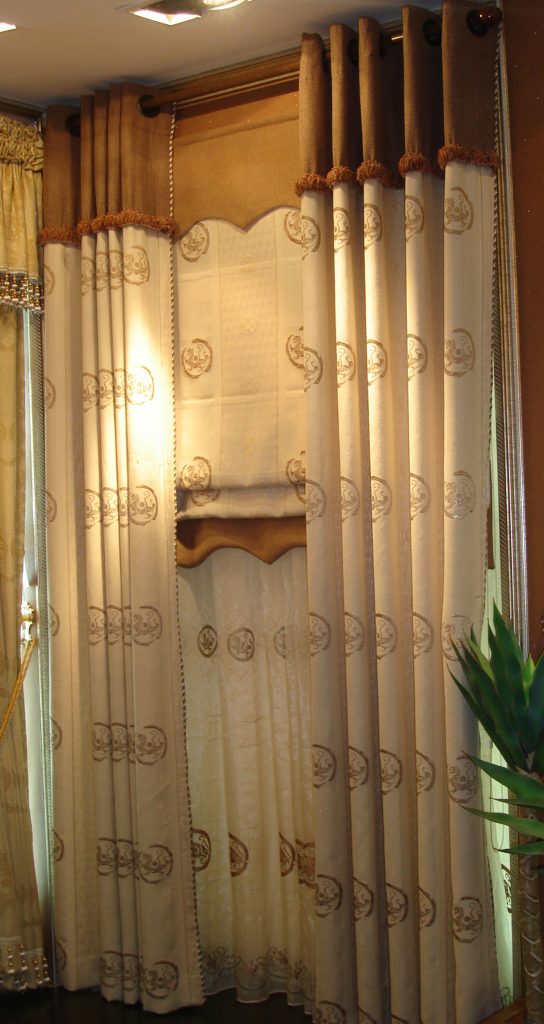
d. Custom Embroidery or Patterns
- Adds branding, logos, or decorative motifs.
- Higher labor and design costs, justified for hospitality or commercial projects.
5. MOQ and Bulk Ordering Advantages
Minimum order quantities of 50+ panels offer several benefits:
- Reduced Per-Panel Cost: Mass production reduces labor and material overhead.
- Consistent Quality: Uniformity across all panels ensures a professional appearance.
- Efficient Production Scheduling: Suppliers can allocate machines, staff, and resources more effectively.
- Supply Chain Reliability: Bulk orders reduce frequency of reorders and shipping delays.
Bulk purchasing also allows importers to negotiate better pricing or additional services such as custom packaging or labeling.
6. Supplier Selection
Choosing the right supplier ensures quality, reliability, and timely delivery. Key considerations include:
- Experience: Established manufacturers with expertise in bulk production.
- Customization Capabilities: Ability to produce varied panel sizes, fabrics, and finishes.
- Quality Assurance: Inspection procedures to maintain uniformity across large orders.
- Lead Time Management: Timely production and shipment for project deadlines.
- Communication: Clear, professional correspondence for order confirmation, design approvals, and shipping updates.
Suppliers with a proven track record in handling MOQs of 50+ panels are preferable for large-scale projects.
7. Production Process Overview
a. Fabric Selection
- Buyer chooses material, color, and finish.
- Suppliers may provide fabric swatches for approval.
b. Measurement and Design
- Panels are measured according to window or space specifications.
- Designers or project managers approve pleat styles, hems, and lining.
c. Cutting and Sewing
- Automated or manual cutting based on panel size.
- Skilled workers sew hems, pleats, grommets, or linings.
d. Quality Inspection
- Each panel is inspected for stitching, alignment, and finishing.
- Faulty units are corrected or replaced before shipping.
e. Packaging
- Panels are folded, wrapped, or rolled for protection during transit.
- Bulk packaging may include pallets for efficiency.
8. Shipping and Logistics
a. Domestic Shipping
- For suppliers within the EU, transit is quick and cost-efficient.
- Small orders may use courier services; bulk orders may require pallet shipping.
b. International Shipping
- Sea freight or air freight from overseas suppliers.
- Sea freight is cost-effective for 50+ panels, but slower (3–6 weeks).
- Air freight offers faster delivery but higher costs.
c. Customs and Import Duties
- Ensure compliance with EU textile regulations and VAT (typically 21% in Belgium).
- Accurate product classification and documentation are crucial.
Optimizing shipping and logistics minimizes costs while ensuring timely delivery.
9. Pricing Strategies
Suppliers offering MOQs of 50+ panels often provide competitive pricing:
- Tiered Pricing: Discounts increase with higher volume orders.
- Bulk Discounts: Significant per-panel cost reduction for 100+ panels.
- Material-Based Pricing: Premium fabrics increase unit cost; polyester or blends remain economical.
- Additional Services: Installation guides, packaging, or labeling may be included.
Importers should calculate landed cost per panel including shipping, duties, and VAT to assess profitability.
10. Trends in Custom Curtain Manufacturing
- Eco-Friendly Fabrics: Sustainable materials, low-VOC dyes, and recycled fibers.
- Automated or Smart Curtains: Motorized systems for convenience in hotels or offices.
- Luxury Finishes: Embroidery, premium linings, and decorative trims for high-end markets.
- Digital Fabric Printing: Flexible and quick production for unique patterns or branding.
- Mass Customization: MOQs of 50+ panels allow cost-effective personalization.
Suppliers keeping up with these trends maintain competitiveness in European markets.
11. FAQ – Custom-Made Curtains
Q1: What is the typical MOQ for custom curtains?
A1: Many suppliers offer MOQs of 50+ panels per design, balancing production efficiency and cost-effectiveness.
Q2: How long does production take for 50+ panels?
A2: Standard lead time ranges from 4–8 weeks, depending on fabric, complexity, and finishing options.
Q3: Can I customize fabrics and finishes?
A3: Yes, suppliers allow selection of fabrics, linings, pleat styles, and decorative features.
Q4: Are bulk orders more cost-effective?
A4: Yes, higher volume orders reduce per-panel costs due to economies of scale.
Q5: How is quality ensured for large orders?
A5: Suppliers conduct inspections for stitching, alignment, and finishing before shipping.
Q6: Are installation accessories included?
A6: Depending on the supplier, rods, hooks, and other accessories may be included or available for purchase separately.
Q7: Can bulk orders be shipped internationally?
A7: Yes, suppliers provide options for sea freight or air freight to European destinations, including customs documentation support.


No reply content