📝 Introduction Box
Discover how solar power generation can transform energy use for homes, businesses, and industrial applications. This comprehensive guide covers the latest solar technologies, installation methods, system components, cost-saving strategies, and tips for sourcing high-quality solar solutions. Whether you are looking to reduce electricity bills or invest in renewable energy projects, this guide provides everything you need to know to make informed decisions.
Comprehensive Guide to Solar Power Generation for Businesses and Homes ☀️🔋🏡
Solar power is no longer a futuristic concept—it’s a practical, cost-effective solution for energy needs across the globe. With growing demand for renewable energy, businesses and homeowners alike are exploring solar power generation to save on electricity costs and reduce carbon footprints.
1. What Is Solar Power Generation? ☀️⚡
Solar power generation is the process of converting sunlight into electricity. There are two primary types of solar energy systems:
- Photovoltaic (PV) Systems: Use solar panels to convert sunlight directly into electricity.
- Solar Thermal Systems: Use sunlight to heat fluids or air, which can then produce electricity indirectly through turbines.
PV systems are the most widely adopted due to their scalability, efficiency, and ease of installation.
2. Key Components of Solar Power Systems 🔧🔋
A standard solar power system typically includes the following components:
- Solar Panels – Capture sunlight and convert it into direct current (DC) electricity.
- Inverters – Convert DC electricity to alternating current (AC) for home or business use.
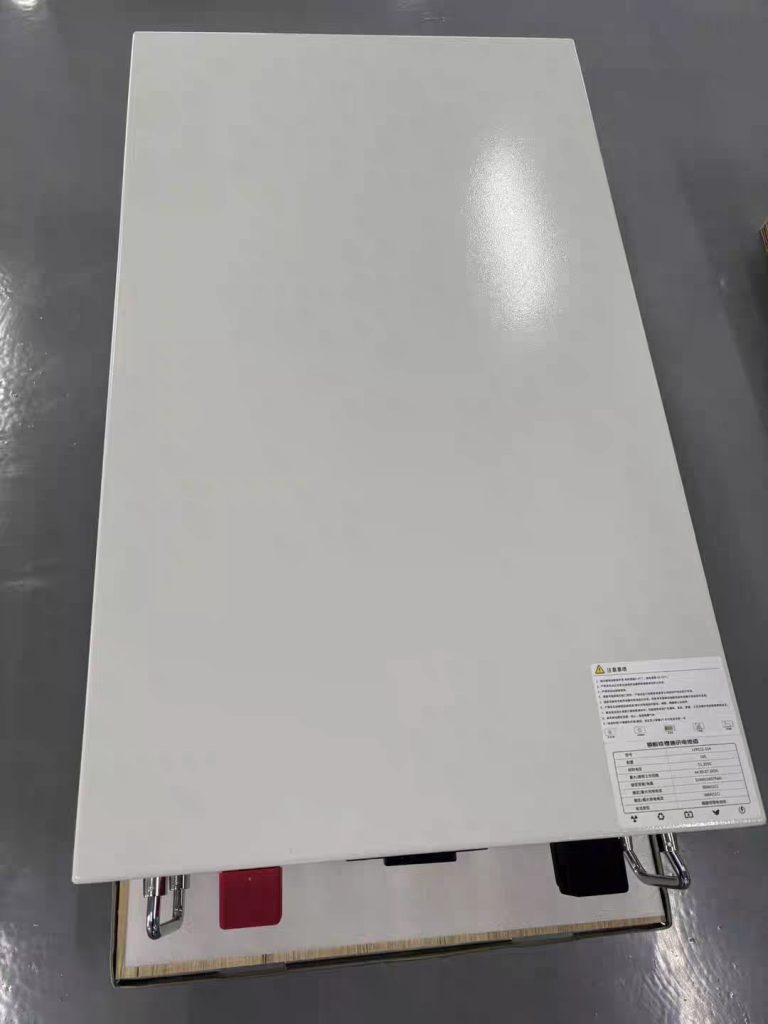
- Battery Storage – Store excess energy for use during nighttime or cloudy days.
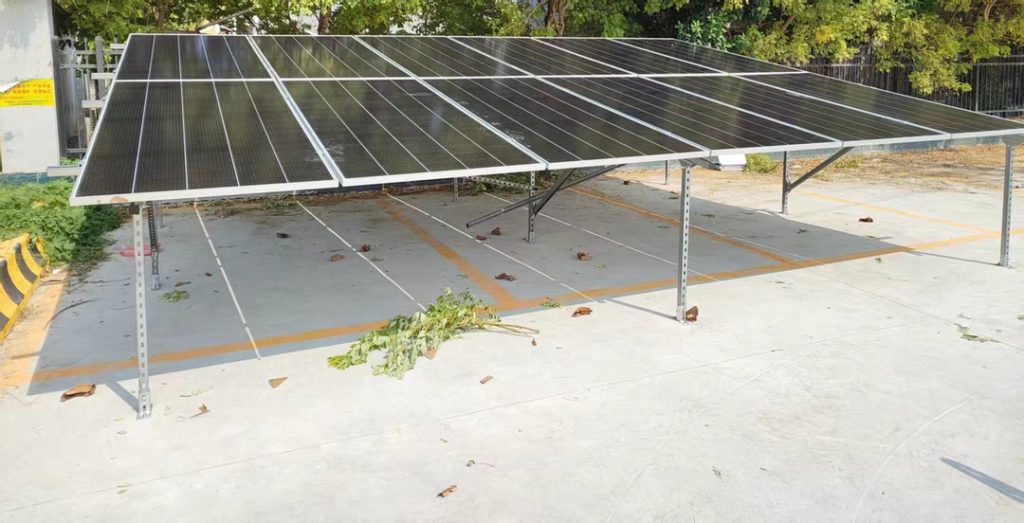
- Mounting Structures – Secure panels on rooftops or ground installations.
- Monitoring Systems – Track energy production, system performance, and maintenance needs.
💡 Tip: High-quality inverters and panels ensure long-term efficiency and lower maintenance costs.
3. Types of Solar Panels ☀️🪟
Different panel types offer varying efficiency and cost:
- Monocrystalline Panels: High efficiency, sleek design, and longer lifespan.
- Polycrystalline Panels: Cost-effective with slightly lower efficiency.
- Thin-Film Panels: Lightweight and flexible, ideal for unconventional surfaces.
Selecting the right panel depends on space, budget, and energy requirements.
4. Solar Power Installation Methods 🏗️⚡
Solar installations can vary by location and purpose:
- Rooftop Installations: Ideal for homes and commercial buildings; utilizes unused roof space.
- Ground-Mounted Systems: Suitable for large-scale solar farms; panels can track the sun’s movement.
- Floating Solar Systems: Installed on water bodies to save land space and improve cooling efficiency.
Proper site evaluation ensures maximum sunlight exposure and optimal energy production.
5. Benefits of Solar Power Generation 🌎💰
Investing in solar power offers multiple advantages:
- Energy Cost Savings: Reduce or eliminate electricity bills.
- Environmental Impact: Lower carbon emissions and reliance on fossil fuels.
- Energy Independence: Generate your own electricity and reduce grid dependency.
- Increased Property Value: Solar-equipped buildings often see higher resale value.
- Government Incentives: Tax credits, rebates, or subsidies may apply depending on region.
📌 Tip: Combining solar panels with battery storage maximizes self-consumption and ROI.
6. Sourcing Solar Solutions 🌐🔧
Choosing the right supplier and system components is critical for performance and reliability:
- Certified Solar Panels: Ensure panels meet international standards (IEC, UL).
- High-Efficiency Inverters: Select inverters with advanced MPPT (Maximum Power Point Tracking).
- OEM & ODM Options: Custom solar solutions for commercial or industrial applications.
- Bulk Orders for Projects: Negotiate volume discounts for large-scale solar farms.
💡 Tip: Always request technical datasheets and certifications before placing bulk orders.
7. Maintenance and Longevity 🛠️☀️
Solar systems require minimal maintenance but must be monitored for efficiency:
- Panel Cleaning: Remove dust, debris, or snow to maintain performance.
- Inverter Checks: Ensure the inverter is operating within expected parameters.
- Battery Health: Monitor charge cycles and temperature for longer lifespan.
- Structural Integrity: Inspect mounts and wiring for wear or corrosion.
Proper maintenance can extend a solar system’s lifespan up to 25–30 years.
8. Cost Considerations and ROI 💵📈
Factors affecting solar system cost:
- Panel type and efficiency
- Inverter and battery capacity
- Installation complexity and location
- Local regulations and incentives
📌 ROI Tip: Calculate payback period by considering electricity savings, initial investment, and potential government incentives.
9. Solar Trends to Watch in 2026 🌞📊
Keeping up with industry trends helps make informed investment decisions:
- Bifacial Solar Panels: Capture sunlight on both sides for higher output.
- Smart Solar Systems: AI and IoT-enabled monitoring for predictive maintenance.
- Solar + Storage Integration: Optimize energy usage during peak hours.
- Sustainable Manufacturing: Panels made with eco-friendly materials.
Adopting these innovations can boost energy efficiency and attract potential business partners.
10. Frequently Asked Questions (FAQ) ❓
Q1: How long does it take to install a residential solar system?
A1: Typical rooftop installations take 1–3 days depending on system size.
Q2: Can solar panels work during cloudy days?
A2: Yes, though output is reduced; battery storage can help mitigate this.
Q3: Are solar systems suitable for industrial use?
A3: Absolutely, large-scale systems can supply factories, warehouses, and commercial complexes.
Q4: How do I choose between on-grid and off-grid systems?
A4: On-grid systems are connected to the electricity grid and offer net metering, while off-grid systems rely on batteries and are ideal for remote areas.
Q5: What maintenance is required for solar systems?
A5: Cleaning panels, checking inverters, monitoring batteries, and inspecting mounts.
11. Conclusion 🌟
Solar power generation is a sustainable, cost-effective solution for homes, businesses, and industrial projects. By understanding system components, panel types, installation methods, and maintenance, you can make informed decisions that maximize energy savings and investment returns. Solar technology continues to evolve, offering innovative solutions for a greener future.


No reply content