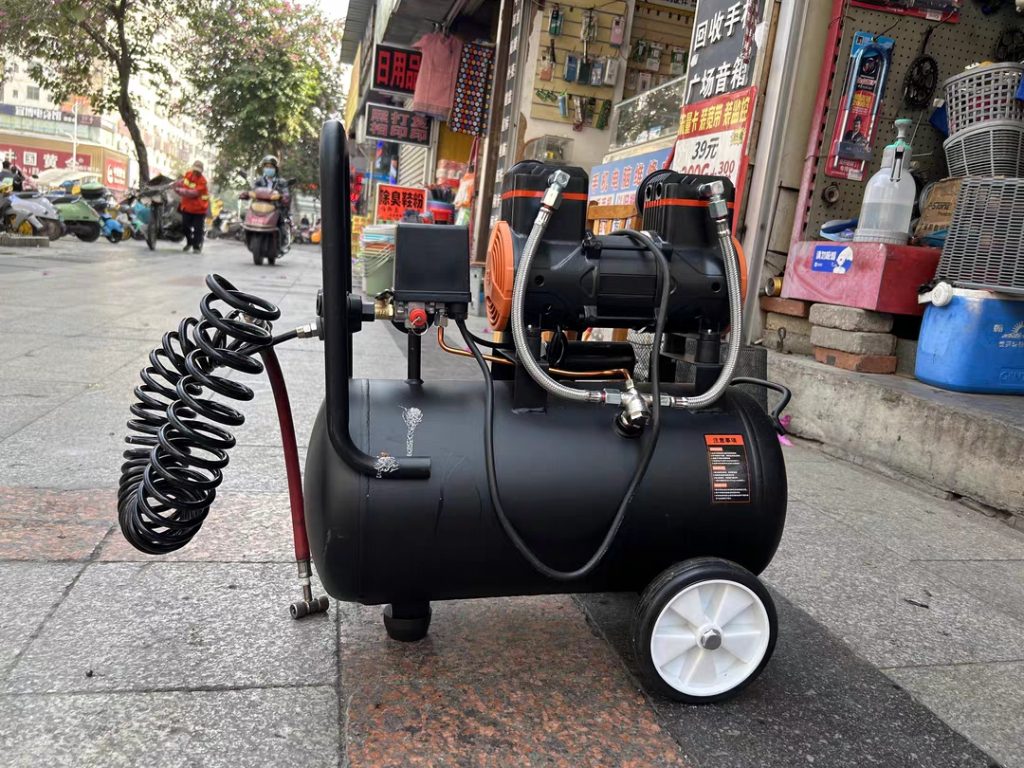
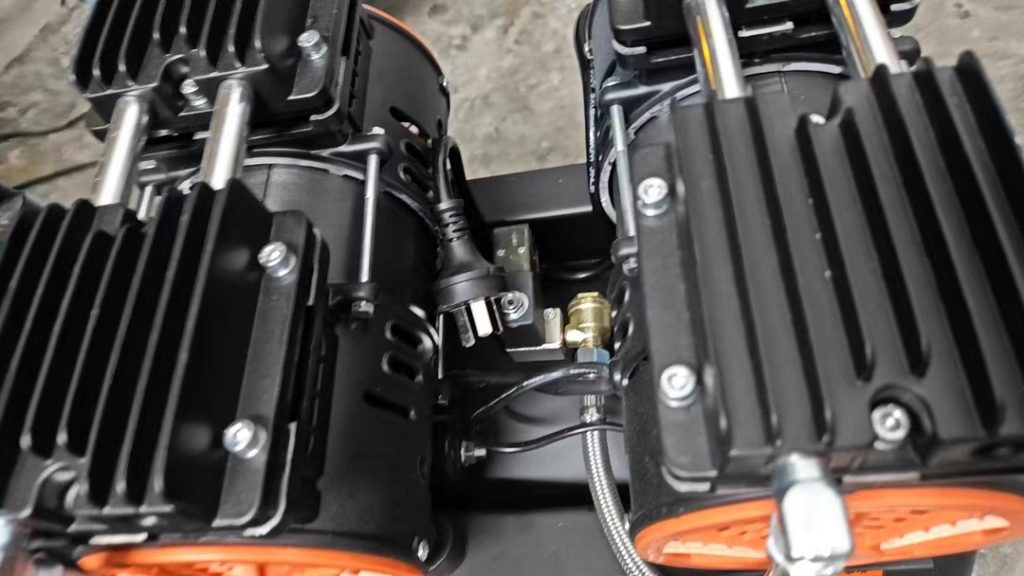

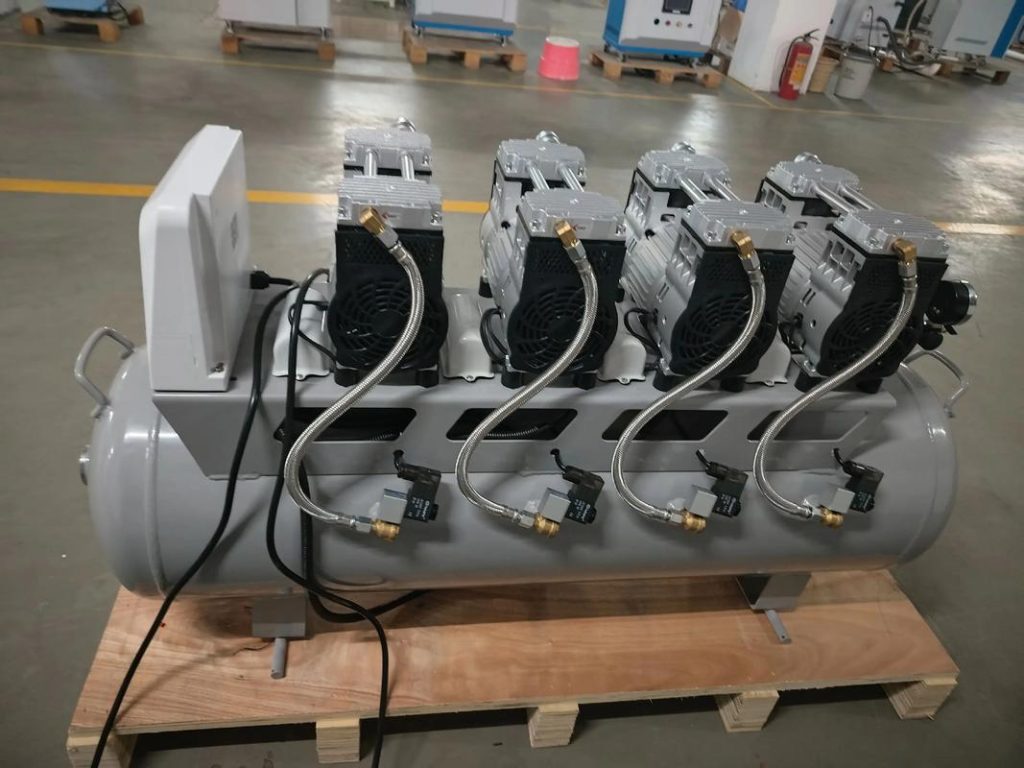
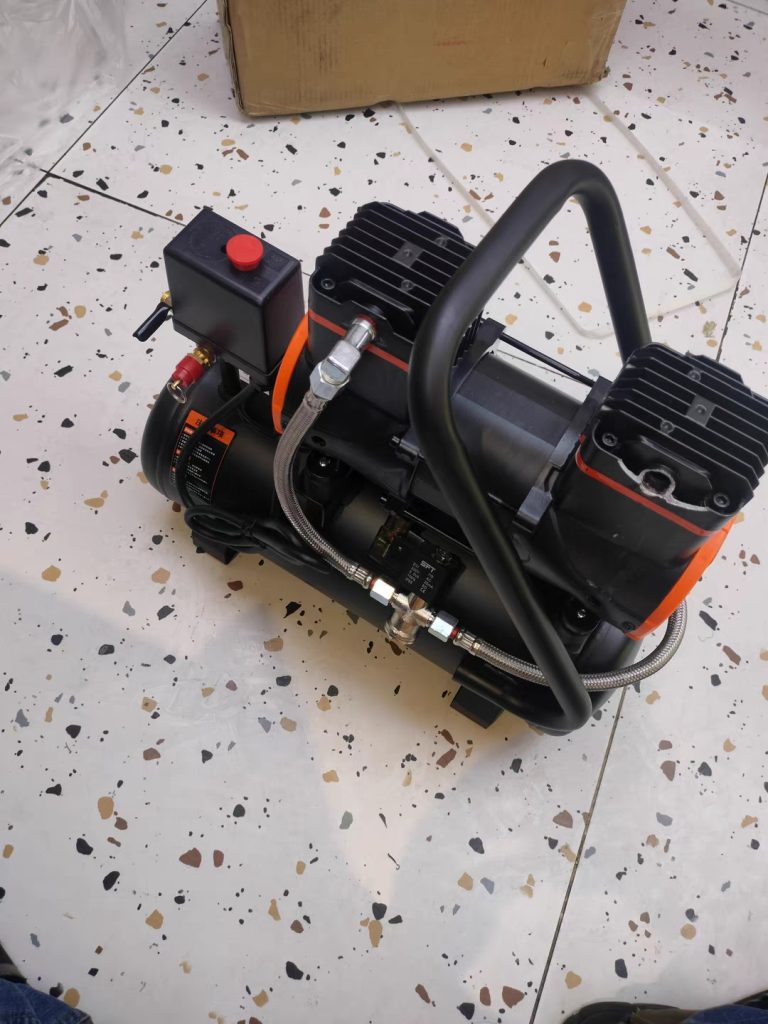
In modern industrial workshops, compressed air is a critical utility that powers CNC machines, pneumatic tools, automation systems, and production lines. Despite its importance, many factory owners underestimate how proper air supply impacts production efficiency, product quality, and operational cost.
This guide explains how compressed air is used in CNC and industrial workshops, the types of compressors suitable for these applications, and practical tips for building a reliable air system.
Why Compressed Air Is Vital in Industrial Workshops
Compressed air is often called the “fourth utility” in industrial settings. It is used for:
- Tool operation (pneumatic drills, grinders, and wrenches)
- CNC machine tool changing, spindle air sealing, and chip removal
- Packaging, sorting, and automation equipment
- Cleaning, blowing, and cooling operations
- Conveyor and clamping systems
A stable and clean air supply ensures consistent production quality and reduces maintenance issues.
Key Requirements for Workshop Compressed Air
-
Air Pressure
- Most CNC and workshop equipment operate at 6–8 bar (90–115 PSI)
- Stable pressure prevents machine alarms and ensures precision
-
Airflow / Volume
- Depends on number of machines and tools operating simultaneously
- Add a 20–30% safety margin to prevent bottlenecks
-
Air Quality
- Moisture, dust, and oil contamination reduce equipment life
- ISO 8573-1 Class 2 or better is recommended for most industrial workshops
Suitable Compressor Types for Workshops
Rotary Screw Air Compressors
- Best for continuous operation and multiple machines
- Provides stable airflow and low vibration
- Ideal for medium to large workshops
Piston Air Compressors
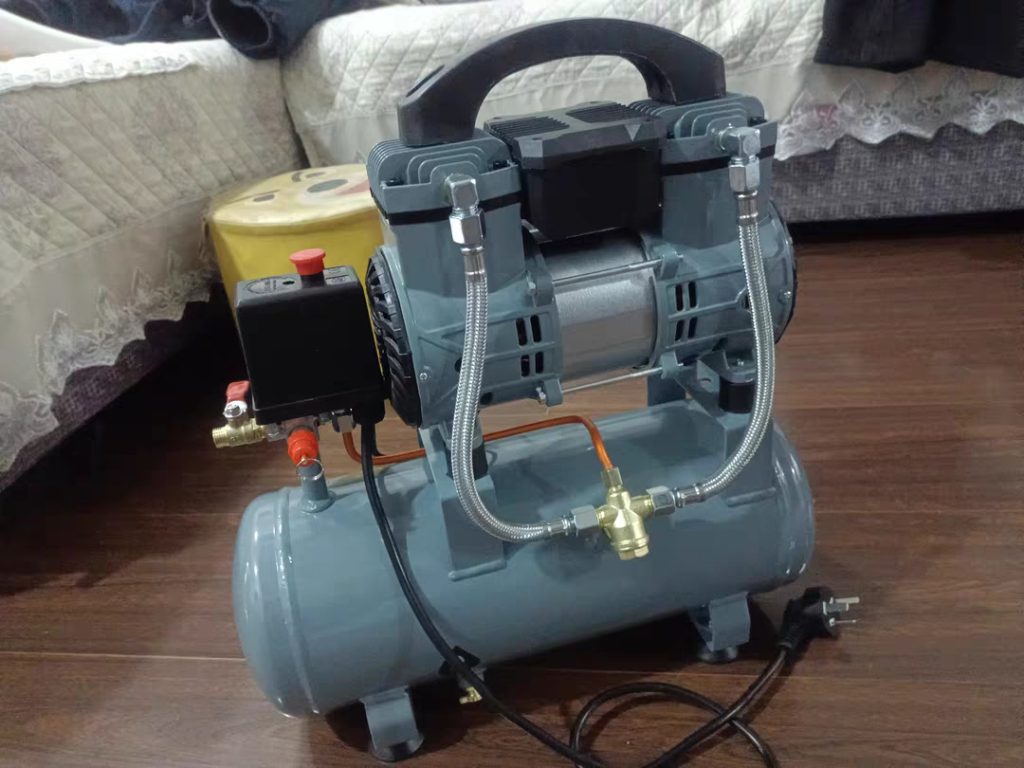
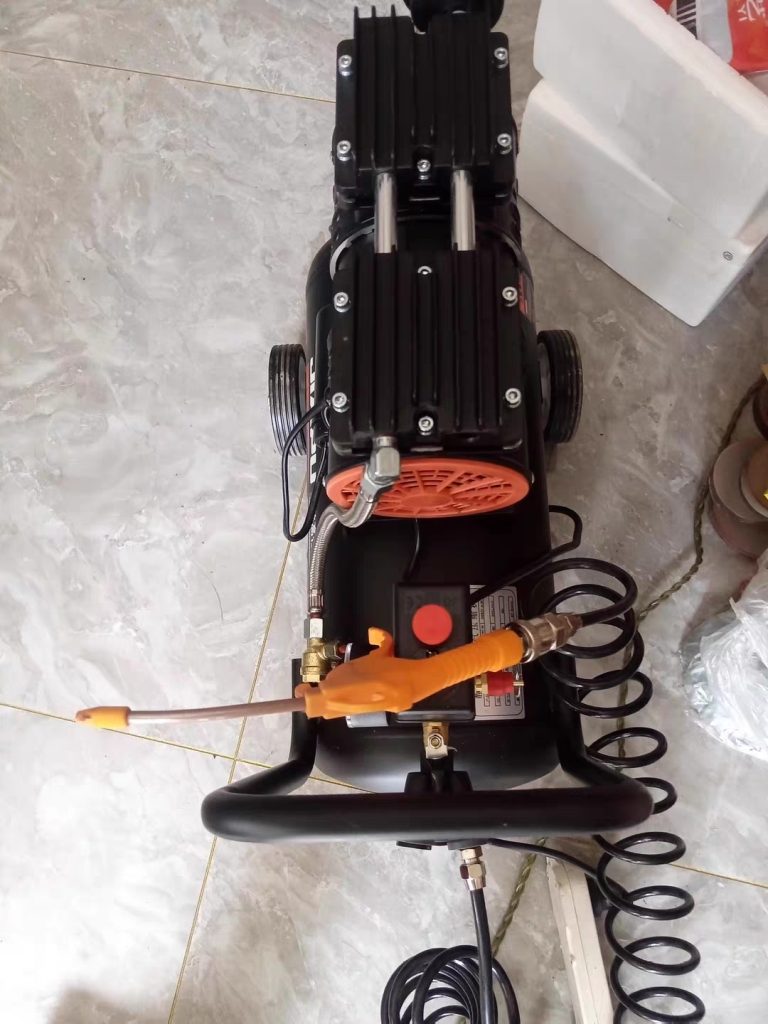
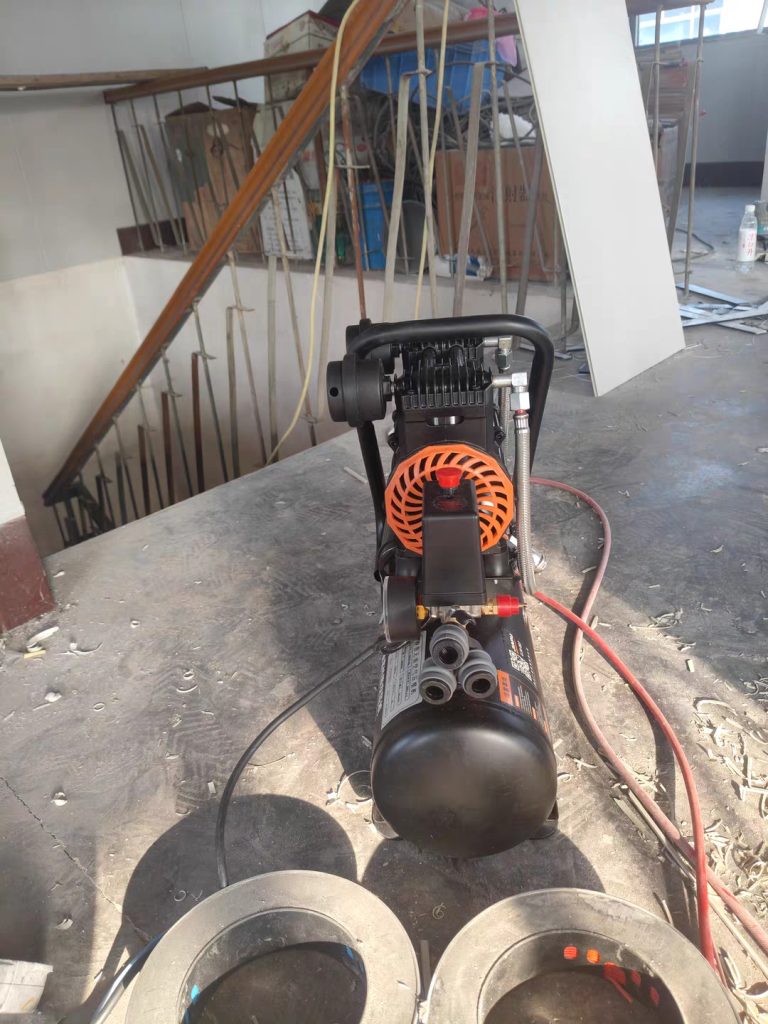
- Suitable for small workshops or intermittent operation
- Lower initial cost
- Less suitable for continuous CNC operation
Oil-Free Compressors
- Required where air purity is critical (electronics, food packaging)
- Eliminates oil contamination risk
System Components for Workshop Air Supply
A properly designed compressed air system should include:
- Air Compressor (rotary screw recommended)
- Air Receiver Tank
- Stabilizes pressure
- Reduces cycling frequency
- Air Dryer (refrigerated or desiccant)
- Removes moisture
- Filters
- Remove oil, particles, and dust
- Piping and Valves
- Correct sizing prevents pressure drop
- Minimize sharp bends
Energy Efficiency Considerations
Energy cost is a major factor in workshop compressed air systems. To optimize:
- Choose VSD (Variable Speed Drive) compressors for fluctuating workloads
- Maintain optimal system pressure
- Minimize leakages
- Select high-efficiency motors (IE3/IE4)
Proper energy management can reduce costs by 20–35% over fixed-speed systems.
Common Workshop Air System Mistakes
- Undersizing or oversizing the compressor
- Ignoring air quality requirements
- Omitting air treatment (dryers, filters)
- Using piston compressors for continuous CNC operation
- Poor piping layout causing pressure drops
- Neglecting regular maintenance
Avoiding these mistakes ensures reliability and lower total operating cost.
Real-World CNC Workshop Example
- Workshop: 5 CNC machines + 10 pneumatic tools
- Air requirement: 4.5 m³/min
- Recommended solution:
- 22–30 kW rotary screw compressor
- 1000 L air receiver
- Refrigerated dryer + high-efficiency filters
Result: Stable air supply, reduced maintenance, improved machine uptime.
Maintenance Tips for Industrial Workshops
- Regular oil and filter replacement
- Check and drain condensate in receiver tanks
- Monitor pressure and airflow
- Schedule system inspections every 3–6 months
A well-maintained system reduces downtime and protects CNC machines and pneumatic tools.
Final Conclusion
Compressed air is the lifeline of CNC and industrial workshops. Choosing the right compressor, ensuring clean and stable air, and properly maintaining the system directly impacts production efficiency and equipment longevity.
Rotary screw air compressors with proper dryers and filters are the optimal choice for workshops with continuous operation and multiple machines. Investing in a quality air system saves time, money, and prevents production interruptions in the long term.


No reply content