
Dongguan PremiumGift BoxPackaging
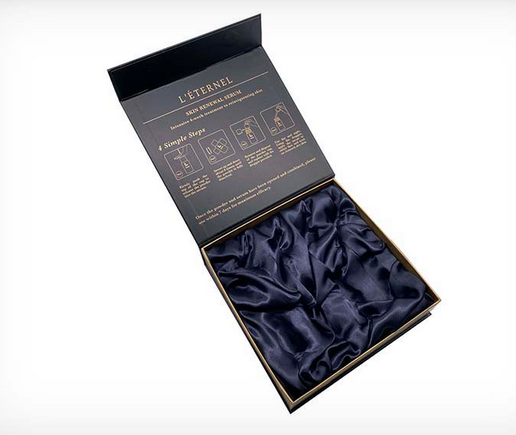
In the intricate world of gifting, where presentation elevates emotion into memory, the choice of a gift box manufacturer is pivotal. It’s not merely about finding a supplier; it’s about discovering a partner capable of translating your brand’s essence into tangible, unforgettable experiences. This guide delves into the critical aspects of identifying and engaging with top-tier gift box factories, moving beyond simple contact information to explore the foundations of a successful collaboration.
The Heart of Craftsmanship: What Defines an Exceptional Factory?
A premier gift box factory operates as a nexus of artistry, engineering, and meticulous quality control. Their value extends far beyond production lines:
-
Material Mastery: They possess deep knowledge of substrates – from luxurious rigid boards (300-800 GSM) and sustainable FSC-certified papers to exotic textures like embossed leatherette, delicate silks, and textured linens. Understanding how materials behave during printing, folding, and finishing is crucial for structural integrity and aesthetic appeal.
-
Design Synergy: True partners employ designers who collaborate with you. They translate concepts into manufacturable designs, suggesting structural innovations (like magnetic closures or hidden compartments), material pairings, and print techniques (offset, digital, screen printing, foil stamping, embossing/debossing) that align with your vision and budget.
-
Precision Engineering: State-of-the-art die-cutting ensures perfect folds and seamless assembly. Advanced gluing and finishing stations guarantee clean edges and durable bonds. Quality control isn’t a final step but an integrated process, checking dimensions, alignment, print registration, and finish consistency at multiple stages.
-
Scalable Flexibility: Whether you need 500 bespoke wedding favor boxes or 50,000 retail packaging solutions, they adapt. They understand MOQs (Minimum Order Quantities), offer sampling phases (digital mockups, physical prototypes), and have efficient processes for managing variable orders without compromising lead times.
-
Ethical & Sustainable Practices: Leading factories prioritize responsible sourcing, waste reduction (e.g., water-based inks, recycled cores), energy efficiency, and fair labor standards. Certifications like ISO 14001 or SMETA audits add credibility.
Navigating the Selection Process: From Inquiry to Partnership
Finding the right factory requires diligence. Here’s how to approach it:
-
Define Your Needs Precisely: Before contacting anyone, document:
-
Product Specifications: Dimensions, style (tuck-top, lid & base, sleeve, pillow), closure type.
-
Material & Finish Requirements: Exact paper/board types, laminations (gloss/matte), specific prints (Pantone colors, metallic foils), embellishments (ribbons, magnets, inserts).
-
Quantity & Timeline: Target volumes per order, desired lead time, flexibility needs.
-
Budget Parameters: Realistic cost-per-unit expectations.
-
Brand Guidelines: Logo usage, color palettes, overall aesthetic.
-
-
Initial Outreach – The Art of the Query:
-
Targeted Research: Seek factories specializing in your niche (luxury, eco-friendly, corporate, retail). Industry directories (like Kompass or Thomasnet, used judiciously), trade show exhibitor lists (e.g., PackEx, Luxepack), or referrals from peers are better starting points than generic searches.
-
Professional Communication: Send a concise email or use a professional inquiry form on their website. Include your defined specifications. Ask targeted questions:
-
“Can you provide examples of similar complexity projects you’ve completed?”
-
“What is your standard lead time for an order of [Your Quantity]?”
-
“Do you offer design support or require finished artwork files?”
-
“What are your sustainability certifications/practices?”
-
“Can you share a detailed quote breakdown including tooling/mold costs?”
-
-
Request a Portfolio: A robust online gallery is good, but ask for case studies relevant to your industry or style. Look for diversity in their work.
-
-
Evaluation & Due Diligence:
-
Samples are Non-Negotiable: Insist on physical samples. Evaluate:
-
Structural Integrity: Does it assemble easily? Is it sturdy? Do flaps close securely?
-
Print & Finish Quality: Check color accuracy, registration, glossiness/matteness, foil adhesion, embossing depth.
-
Material Feel: Assess texture, weight, and perceived quality.
-
Finishing Touches: Examine glue spots, edge smoothness, ribbon attachment.
-
-
Virtual or In-Person Meetings: Discuss capabilities, capacity, and communication styles. Gauge responsiveness and transparency. If possible, visit the facility to see operations firsthand.
-
Reference Checks: Ask for references from clients with similar project scopes. Inquire about reliability, problem-solving skills, and adherence to deadlines/budgets.
-
Contract Clarity: Ensure all terms (specifications, quantities, pricing, payment schedules, shipping responsibilities, liability, intellectual property rights for custom designs) are explicitly documented in a contract.
-
Establishing Effective Communication Channels
Once partnered, clear communication is vital:
-
Dedicated Contacts: Identify primary points of contact (Sales, Project Manager, QC) and understand escalation paths.
-
Preferred Methods: Agree on communication channels (email, phone, project management software like Asana/Trello) for different types of updates.
-
Regular Updates: Schedule periodic check-ins (especially for large orders) to review progress against milestones.
-
Visual Proofing: Utilize digital proofs (PDFs, online proofing tools) for approval before mass production begins. Request physical pre-production samples (“golden samples”) for final sign-off.
-
Proactive Problem Reporting: Encourage open dialogue if issues arise (e.g., potential delays, material inconsistencies). A good partner will communicate proactively.
The Value Proposition: Why Partnership Trumps Transaction
Choosing the right gift box factory transforms a procurement task into a strategic advantage:
-
Enhanced Brand Perception: Impeccably crafted packaging reinforces brand values and creates a premium unboxing experience that customers remember and share.
-
Increased Product Protection: Robust construction minimizes damage during transit, reducing returns and enhancing customer satisfaction.
-
Creative Innovation: Collaborative partners can suggest novel structures, materials, or finishes that elevate your product offering.
-
Supply Chain Resilience: A reliable factory becomes a stable node in your supply chain, mitigating risks associated with poor quality or inconsistent delivery.
-
Cost Optimization: Through efficient design consultation and scaled production, partners can often identify cost-saving opportunities without sacrificing quality.
Conclusion: Building Bridges, Not Just Boxes
Securing the contact details of a gift box factory is merely the first step. The true journey involves identifying a partner whose expertise, integrity, and collaborative spirit align with your brand’s ambition. By focusing on craftsmanship, conducting thorough due diligence, establishing clear communication protocols, and fostering a genuine partnership, you unlock the potential to transform ordinary gifts into extraordinary brand statements. The perfect box doesn’t just contain a gift; it tells a story. Choose your manufacturing partner wisely, and together, you can write a compelling one.
Article Link:
Forging Partnerships with Premier Gift Box Manufacturers


No reply content