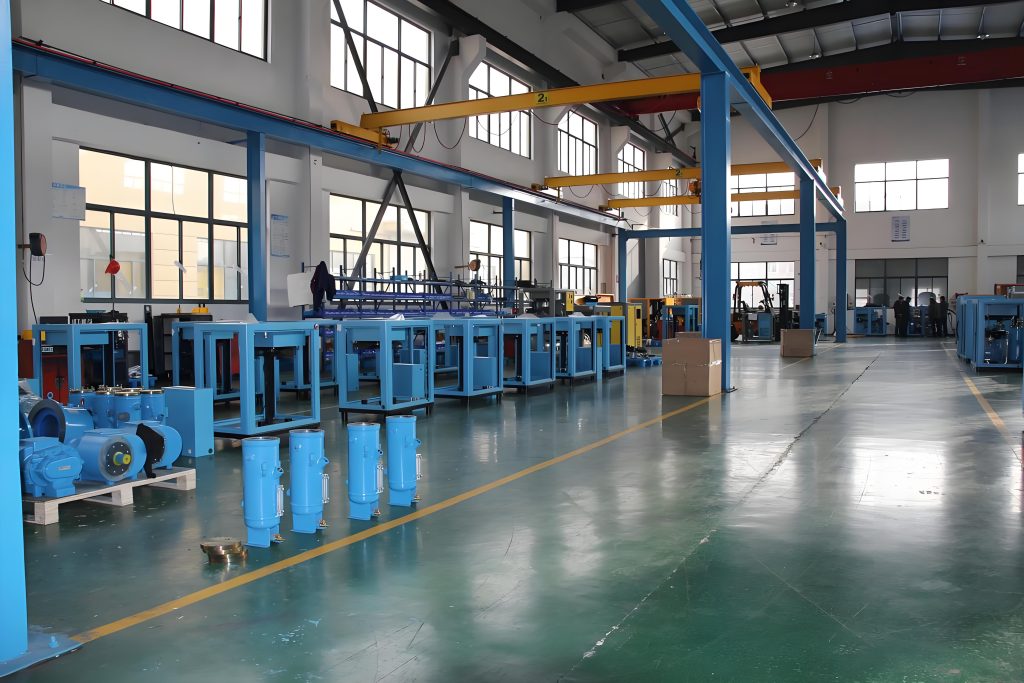
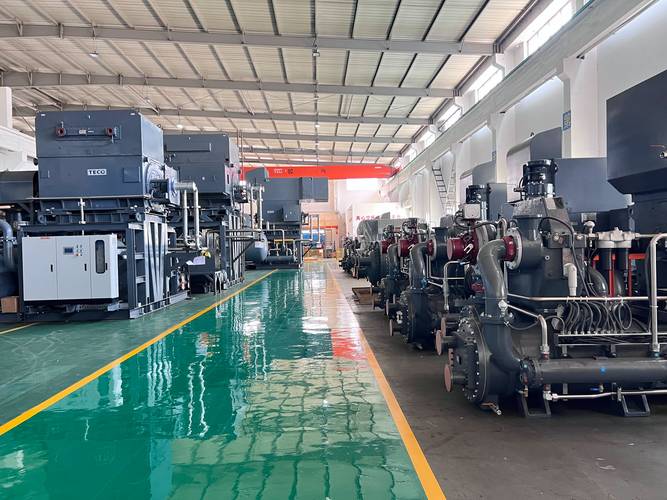
China Air Compressor Manufacturing Factory
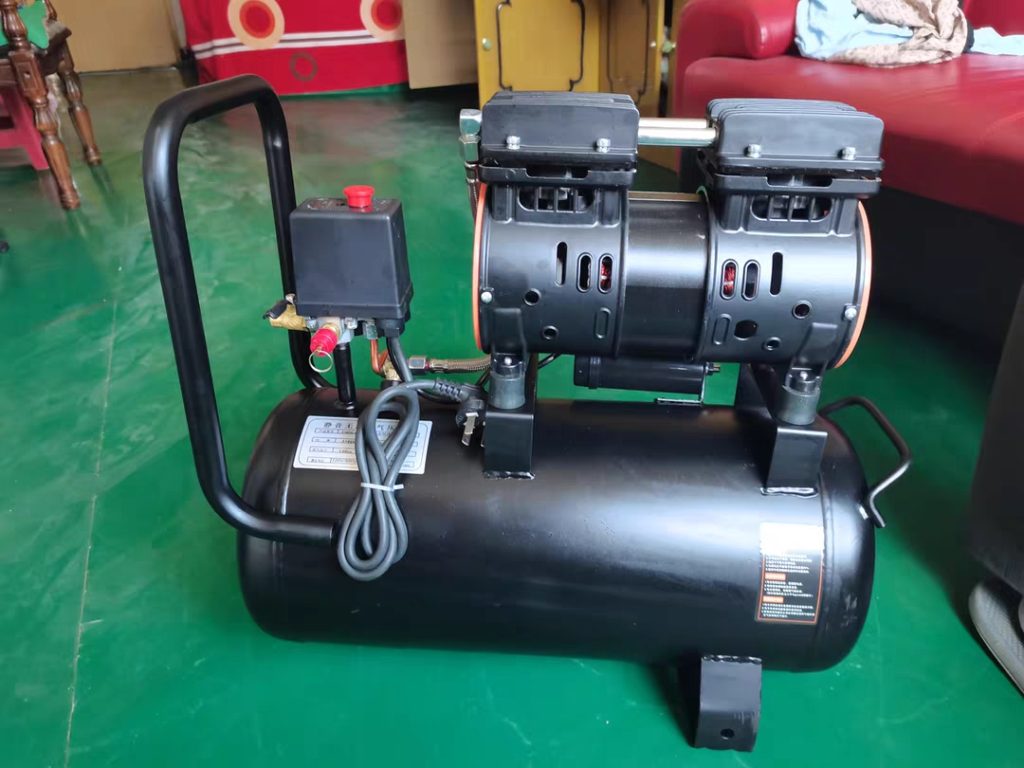
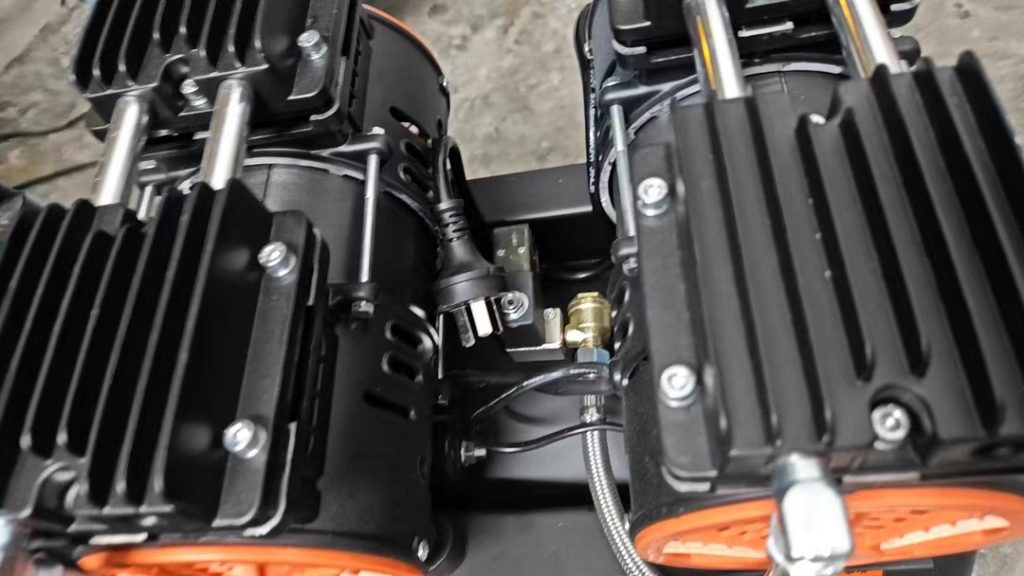

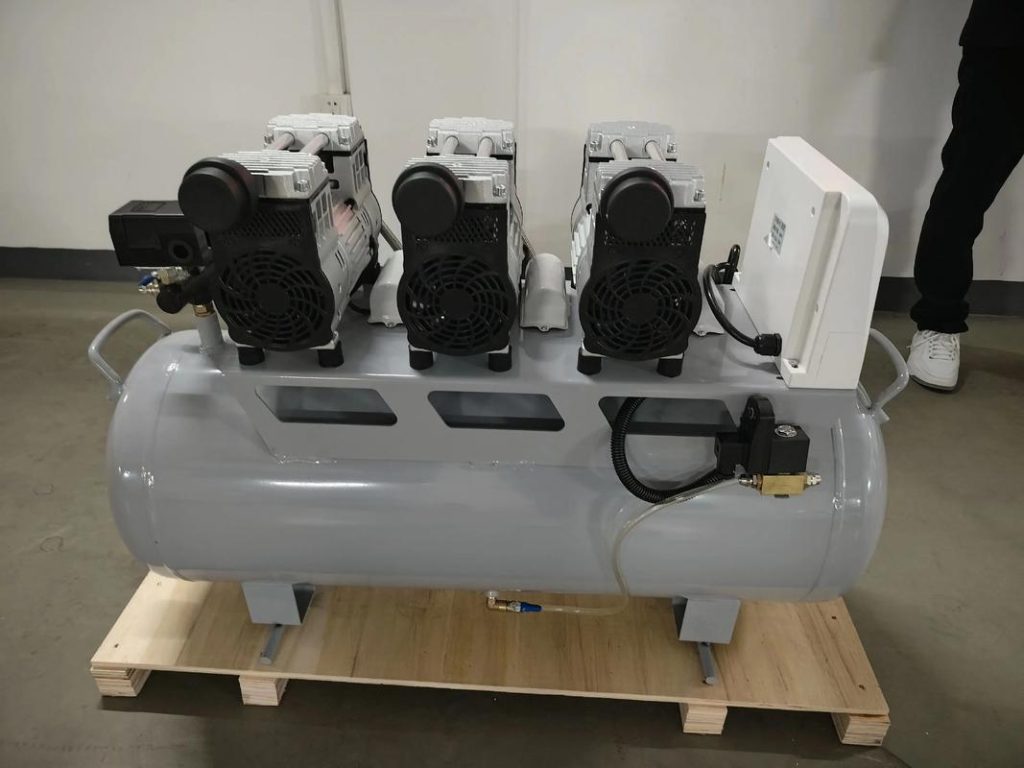
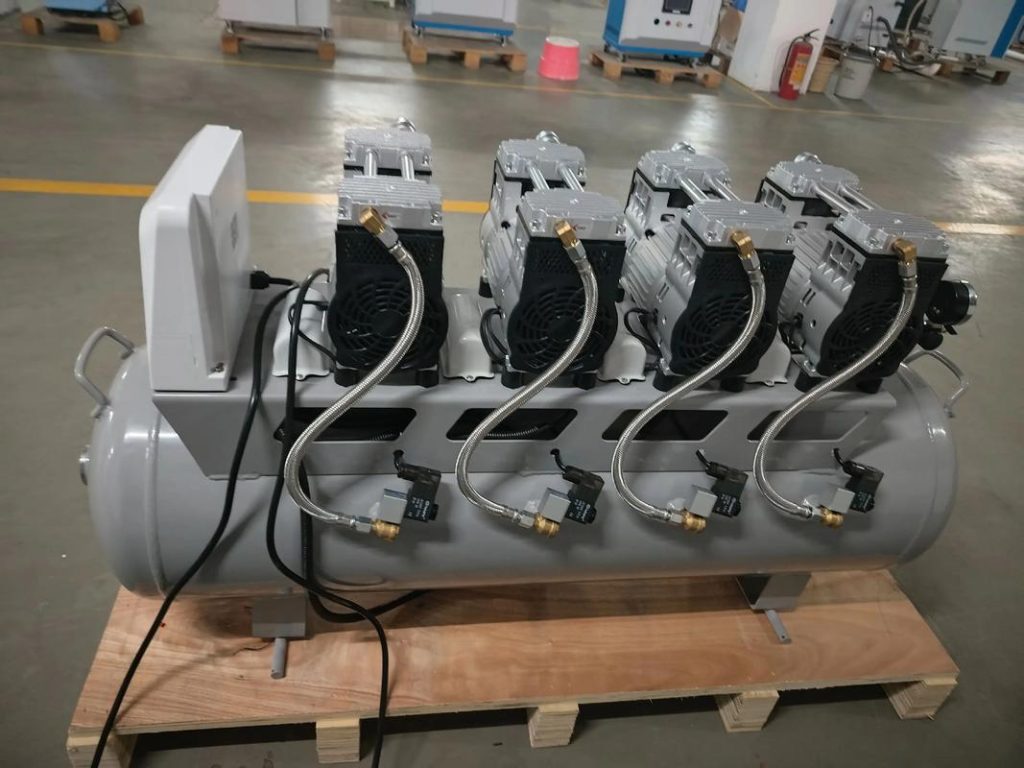
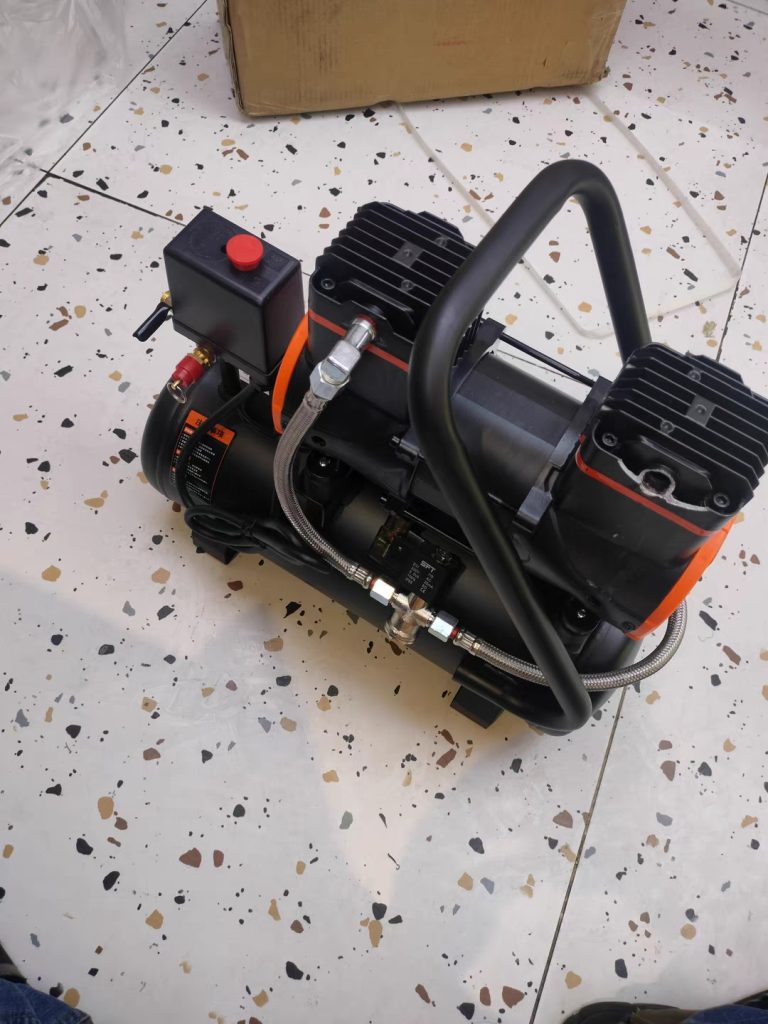
Cost-effective air compressor procurement balances upfront affordability, long-term efficiency, and reliability. By prioritizing energy savings, bulk purchasing, and supplier partnerships, businesses achieve 30-50% cost reductions without compromising performance.
💰⚙️📈 [Small icons: Dollar sign (cost), Gear (performance), Growth chart (efficiency)]
The Strategic Importance of Cost-Effective Air Compressor Procurement
In an era of rising energy costs and tight budgets, procuring air compressors isn’t just about buying equipment—it’s about investing in long-term value. For small businesses, workshops, and industrial facilities, a poorly chosen compressor can drain resources through high energy consumption, frequent repairs, and premature replacement. Conversely, a cost-effective procurement strategy minimizes total ownership costs (TCO) by aligning specifications with actual needs, leveraging bulk purchasing power, and partnering with reliable suppliers. This guide outlines a step-by-step approach to securing air compressors that deliver optimal performance at the lowest possible cost.
Key Pillars of Cost-Effective Procurement
1. Needs Assessment: Align Specifications with Real-World Use
The foundation of cost-effective procurement is avoiding over-specification. Many buyers err by choosing high-power models for light tasks, wasting money on unused capacity. Instead:
-
Define Primary Use: Identify core tasks (e.g., tire inflation, pneumatic tools, spray painting) and estimate tool usage frequency.
-
Calculate Required Flow (CFM): Sum the CFM requirements of all tools used simultaneously (e.g., a brad nailer [1.0 CFM] + sander [2.0 CFM] = 3.0 CFM minimum).
-
Determine Pressure (PSI): Most tools operate at 90-120 PSI; avoid paying for excess pressure (e.g., 150 PSI for a 100 PSI task).
-
Evaluate Environment: Consider space constraints (compact vs. stationary), noise limits (<75dB for indoor use), and power availability (electric vs. gas).
Example: A small woodworking shop using a brad nailer (1.0 CFM) and orbital sander (2.0 CFM) should opt for a 3-4 CFM compressor, not a 10 CFM model.
2. Total Cost of Ownership (TCO): Beyond Upfront Price
A 500 compressor with 200/year energy costs and 100/year maintenance may be pricier long-term than a 700 model with 100/year energy and 50/year maintenance. TCO includes:
-
Initial Cost: Purchase price (lower for basic models, higher for energy-efficient ones).
-
Operating Cost: Energy consumption (accounts for 70-80% of TCO over 5 years).
-
Maintenance Cost: Parts replacement (filters, seals), labor, and downtime.
-
Lifespan: Durable models (10+ years) outperform short-lived units (3-5 years).
Data Point: An IE3 premium motor consumes 15-20% less energy than an IE2 motor, saving 150-300/year for a 5HP compressor.
3. Energy Efficiency: The Hidden Savings Driver
Energy-efficient compressors are the cornerstone of cost-effective procurement. Key technologies to prioritize:
-
Variable Speed Drive (VSD): Adjusts motor speed to match air demand, cutting energy use by 30-40% in variable-load scenarios (e.g., intermittent tool use).
-
IE3/IE4 Motors: Meet EU Ecodesign 2021 standards, achieving 90%+ efficiency (vs. 75-85% for older models).
-
Heat Recovery Systems: Capture waste heat for facility heating, reducing energy waste by 10-15%.
Supplier Selection: Finding the Right Partner
1. Vet Suppliers for Reliability
-
Experience: Prioritize manufacturers with 10+ years in production and export history.
-
Certifications: ISO 9001 (quality), ISO 14001 (environmental), and industry-specific standards (CE, UL, ASME).
-
Capacity: Ensure they can handle your order volume (10-10,000+ units) without delays.
-
References: Request testimonials from past buyers (e.g., distributors, contractors).
2. Negotiate for Value
-
Bulk Discounts: Orders of 50+ units often qualify for 15-30% off.
-
Payment Terms: Negotiate 30% deposit, 70% before shipment to manage cash flow.
-
Warranty: Aim for 3-5 years on major components (motor, air end).
-
Customization: Ask for branded enclosures or tailored specs (e.g., explosion-proof casings for hazardous areas).
Technical Specifications Demystified
Understanding key specs ensures you pay for what you need:
| Specification | What It Means | Cost-Effective Choice |
|---|---|---|
| Power (HP/kW) | Motor strength; higher HP = more airflow. | Match to CFM needs (e.g., 1-2 HP for light tasks). |
| Flow (CFM) | Air delivered per minute; critical for tool performance. | Sum tool CFM requirements; add 20% buffer. |
| Pressure (PSI) | Force of compressed air; most tools need 90-120 PSI. | Avoid overbuying (e.g., 125 PSI max for 100 PSI tools). |
| Tank Size | Stores compressed air; larger tanks reduce cycling. | 1-6 gallons for portability; 10-50 gallons for continuous use. |
| Efficiency | IE3/IE4 motors + VSD for energy savings. | Prioritize VSD-equipped models for variable loads. |
Procurement Process: From Order to Delivery
1. Sampling & Testing
Order 2-3 pre-production samples to test:
-
Performance: Verify CFM/PSI matches specs.
-
Noise: Ensure compliance with workplace limits (<85dB).
-
Durability: Run for 50+ hours to check for leaks or overheating.
2. Logistics Optimization
-
Shipping Method: Sea freight for bulk orders (1,500-3,000/container to US/EU); air freight for urgency (3-5x cost).
-
Incoterms: Use DDP (Delivered Duty Paid) to avoid hidden fees (tariffs, customs clearance).
-
Packaging: Ensure shock-resistant crates for fragile components (e.g., air ends).
3. Customs Compliance
-
Documentation: Commercial invoice, packing list, bill of lading, certificate of origin.
-
Tariffs: Use HS Code 84148090 (air compressors); duties range 2-15% globally.
-
Testing: Some regions require post-import checks (e.g., UL in US, TÜV in EU).
Maintenance: Extending Lifespan & Reducing Costs
A well-maintained compressor lasts 10+ years. Follow this plan:
Daily/Weekly
-
Drain condensate from the tank to prevent rust.
-
Check hoses/nozzles for cracks; tighten loose fittings.
Monthly
-
Clean/replace air filters (every 100 hours).
-
Inspect belts (adjust tension if slipping).
Annually
-
Change oil (for oil-lubricated models; use 20W-50 non-detergent oil).
-
Test safety valves and pressure switches.
Pro Tip: Train staff on basic maintenance to reduce reliance on costly technicians.
Case Study: European Workshop’s Cost-Effective Upgrade
Client Profile: A 10-employee metal fabrication workshop in Poland.
Challenge: Old compressors consumed $3,000/year in energy and required frequent repairs.
Solution:
-
Procured 3x 10HP VSD rotary screw compressors (IE4 motors, 42 CFM @ 115PSI).
-
Negotiated 25% bulk discount and DDP terms.
-
Implemented predictive maintenance software.
Results (24 Months):
-
⬇️ Energy costs dropped by 38% ($1,140/year savings).
-
⬆️ Tool uptime increased by 40% (no pressure drops).
-
⬇️ Maintenance visits reduced from 12/year to 3/year.
-
✅ ROI achieved in 14 months.
Global Compliance & Safety
Ensure compliance with regional standards:
| Region | Key Certifications | Focus Area |
|---|---|---|
| EU | CE, PED 2014/68/EU, RoHS | Safety, pressure vessels, EMI |
| North America | UL, ASME BPVC, EPA Tier 4 | Electrical, mechanical, emissions |
| Australia | RCM, AS 1210 | Electromagnetic, structural |
| India | BIS, IS 10617 | Quality, safety, performance |
Conclusion: Procuring for Profitability
Cost-effective air compressor procurement is a strategic process that balances upfront costs with long-term savings. By focusing on TCO, energy efficiency, and supplier partnerships, businesses can secure reliable equipment that enhances productivity without breaking the bank. Whether you’re a small workshop or a large distributor, these strategies ensure every dollar spent delivers maximum value.
⭐ User Reviews
Anna K. 🇵🇱
Workshop Owner, Warsaw, Poland
⭐⭐⭐⭐⭐
“Switched to 10HP VSD compressors after reading this guide. Energy bills dropped 40%! Bulk discount saved $5k, and DDP shipping was hassle-free. My team loves the quiet operation (68dB). Best investment this year!”
Mike T. 🇺🇸
Contractor, Texas, USA
⭐⭐⭐⭐⭐
“Procured 5x 5HP oil-free models for my crew. IE3 motors cut fuel costs by $200/month. Supplier’s 3-year warranty gave peace of mind. UL certification passed Texas safety inspections. Highly recommend!”
Raj S. 🇮🇳
Distributor, Mumbai, India
⭐⭐⭐⭐⭐
“Bulk-ordered 50x 2HP compressors with BIS certification. 30% discount boosted margins. Samples tested perfectly—CFM matched specs. Local support team resolved a seal issue in 4 hours. Great partnership!”
Hans R. 🇩🇪
DIY Enthusiast, Berlin, Germany
⭐⭐⭐⭐☆
“Followed the needs assessment guide and bought a 1.5HP pancake compressor. Perfect for my home workshop—runs nail guns and sprayers. CE certification passed German safety checks. Only wish the hose was longer!”
Emma L. 🇦🇺
Farm Owner, Sydney, Australia
⭐⭐⭐⭐⭐
“Procured a gasoline-powered 8HP model for farm repairs. RCM certified, so no compliance issues. Runs tire inflators and impact wrenches all day. Saved $3k vs. buying local. Heavy but worth it!”


No reply content