China Foshan custom furniture factory OEM

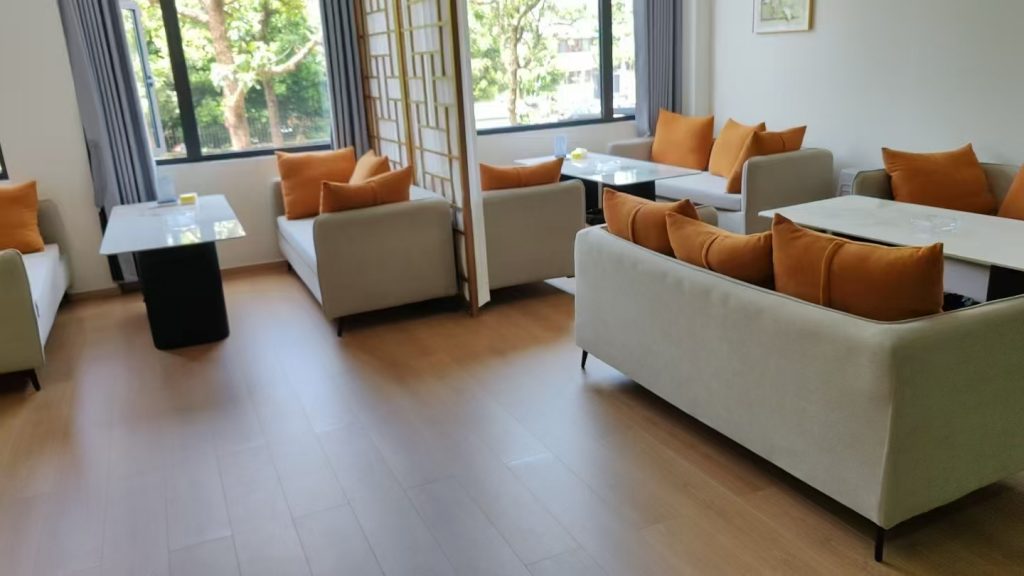
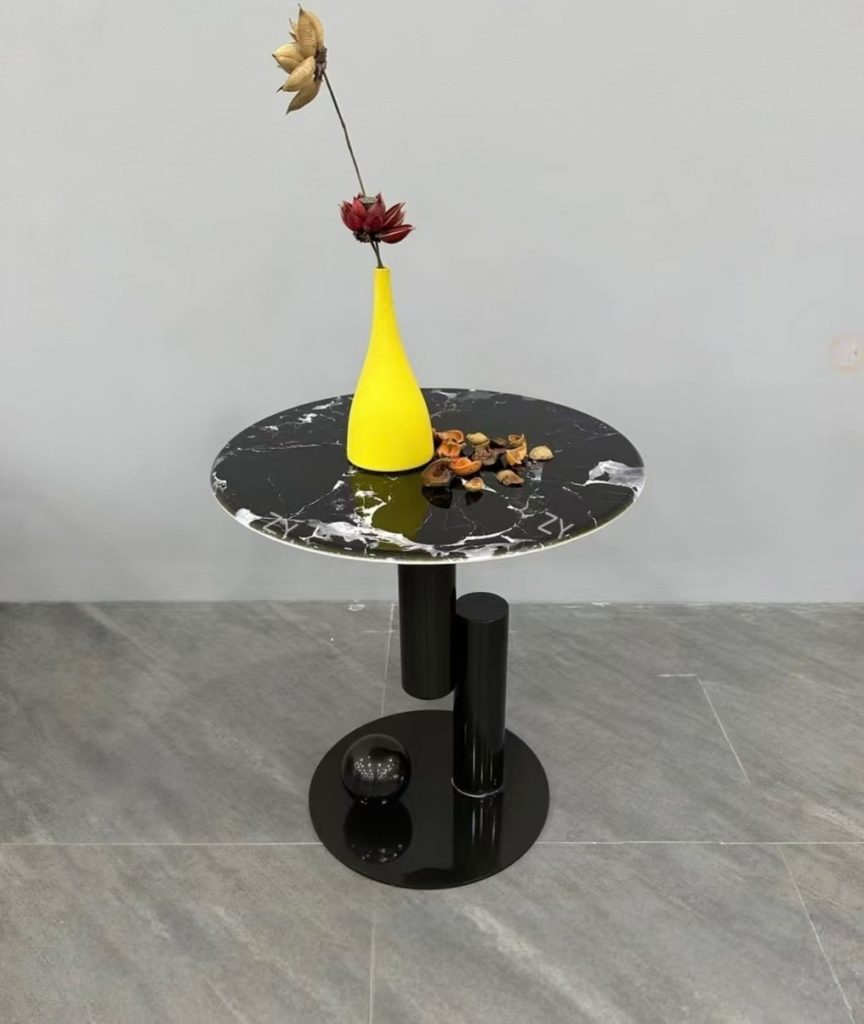
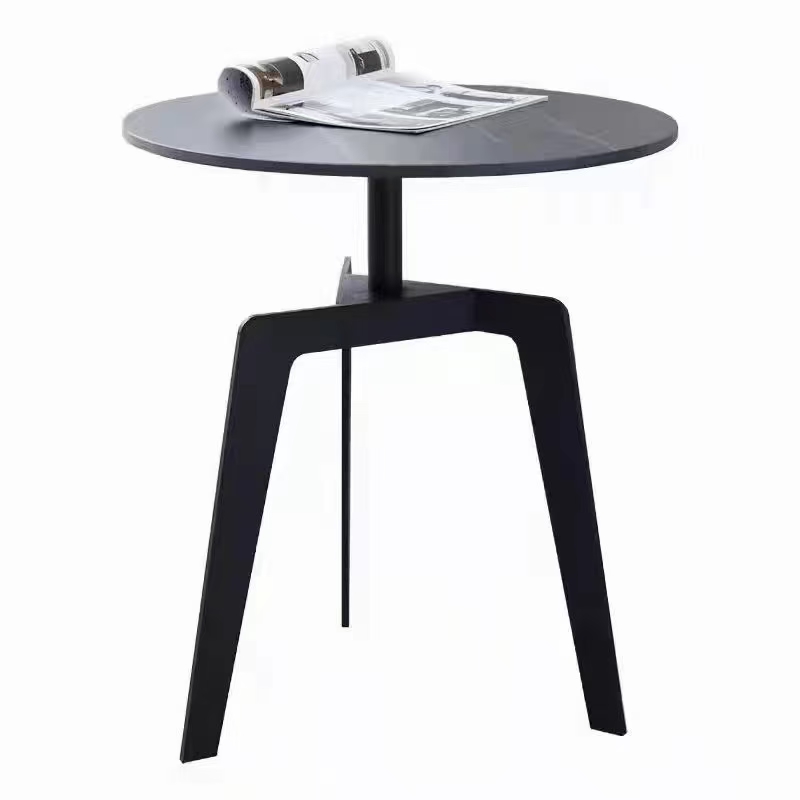
🏠 Introduction: From Furniture to Integrated Living Ecosystems
The concept of “home” has profoundly evolved, shifting from a mere physical shelter to a personal sanctuary and an expression of individual identity. Parallel to this shift, China’s home furnishing industry has undergone a remarkable transformation. Moving far beyond the era of standardized, flat-pack furniture, a new generation of Chinese custom home furnishing suppliers has emerged. These entities are redefining the market by offering integrated, technology-driven solutions that tailor every cabinet, wardrobe, and living unit to the precise dimensions, functional needs, and aesthetic desires of the modern consumer. This article explores how these suppliers have become pivotal partners in creating personalized living spaces, their operational innovations, and the trends setting the future of residential interiors.
🔄 The Strategic Pivot: From Standardized Manufacturing to Solution Provision
The evolution of China’s role in home furnishings is a story of strategic ascent up the value chain:
-
The Manufacturing Base Era: Initially recognized as the world’s factory for high-volume, cost-effective standardized furniture and components.
-
The Module & Kit Era: Advancement into producing sophisticated, modular furniture kits, requiring end-user assembly, which balanced customization with economies of scale in logistics.
-
The Integrated Solution Era: The current paradigm where leading suppliers operate as Total Solution Providers. They engage with clients from the conceptual design phase, through precise manufacturing, to professional installation, delivering a seamless, finished environment.
This modern supplier does not just produce furniture; they co-create functional and aesthetic living ecosystems. They collaborate with interior designers, property developers, and end-users, transforming blueprints and ideas into tangible, inhabitable spaces.
⚙️ The Engine of Customization: Core Capabilities
The competitive edge of these suppliers is built upon several interconnected pillars:
-
Digital-First Design and Visualization:
-
3D Rendering & Virtual Reality: Suppliers utilize advanced software to create photorealistic 3D models and immersive VR walkthroughs of custom designs. This allows clients to “experience” their future space, adjusting layouts, materials, and colors in real-time before any physical production begins, ensuring alignment with expectations 🎨.
-
AI-Enhanced Space Planning: Artificial Intelligence algorithms suggest optimal storage solutions, space utilization, and furniture configurations based on room dimensions, lifestyle inputs (“I work from home,” “I have a large book collection”), and ergonomic principles.
-
Cloud-Based Collaboration Platforms: Shared digital workspaces enable seamless communication between clients, designers, and factory engineers, streamlining the approval process for technical drawings and material selections.
-
-
Flexible and Automated Manufacturing (Industry 4.0):The factory floor is the heart of capability. Modern facilities employ:
-
CNC (Computer Numerical Control) Machinery: For ultra-precise cutting, drilling, and milling of panels, ensuring perfect fit and consistency for every unique component.
-
Robotic Processing Lines: Robots handle tasks like sorting, edge-banding, and finishing, increasing precision and efficiency while handling complex, small-batch orders.
-
Flexible Manufacturing Systems (FMS): Production lines can be quickly reconfigured. The system automatically reads digital orders and adjusts machinery settings to produce a batch of one—a unique kitchen cabinet—followed immediately by a set of custom wardrobes, all with minimal downtime.
-
-
End-to-End Service Integration:The offering is a complete service loop:
-
Professional Space Measurement: Technicians conduct precise laser measurements of the client’s space, capturing every nuance, pipe, and irregular wall.
-
Integrated Logistics & Installation: The manufactured components, often with pre-assembled modules, are delivered in a sequenced kit. Professional installers then complete the final assembly on-site with expert craftsmanship, ensuring a flawless finish. This turnkey service is a critical differentiator.
-
🌳 Materials, Quality, and the Sustainability Imperative
Today’s leading suppliers address the growing demand for quality and responsibility:
-
Diverse Material Portfolios: They offer extensive choices beyond standard particle boards, including:
-
Premium Boards: E0/E1 grade low-emission panels, durable melamine finishes, and high-pressure laminates.
-
Solid Wood & Veneers: Options for oak, walnut, and teak, catering to a premium, natural aesthetic.
-
Innovative & Sustainable Materials: Bamboo composites, recycled wood fiber boards, and finishes with low or no Volatile Organic Compounds (VOCs).
-
-
Focus on Craftsmanship & Durability: Attention to detail in joinery, hardware (utilizing high-end branded components like soft-close hinges and runners), and finishing ensures longevity and a premium feel.
-
Sustainable Operations: The made-to-order model inherently reduces inventory waste. This is augmented by practices like optimized cutting patterns to maximize material yield, recycling production offcuts, and using eco-friendly packaging.
🔧 The Diverse Supplier Ecosystem
The market comprises specialized players serving different segments:
-
Full-Home Solution Specialists: They offer comprehensive “whole-house customization,” providing a cohesive look and function across all rooms—kitchens, wardrobes, wall units, and built-in furniture.
-
Kitchen & Wardrobe Experts: Suppliers with deep expertise in a specific, complex category, such as ergonomic kitchen systems or walk-in closet organizations, possessing specialized knowledge of appliances, storage solutions, and workflows.
-
Component & Technology Enablers: These suppliers focus on producing advanced hardware, intelligent systems for lighting or charging, or specialized materials that are integrated into the final custom solutions, driving innovation from within the supply chain.
🚀 Future Horizons: The Intelligent, Responsive Home
The frontier of custom home furnishing is convergence with technology and deeper personalization:
-
Seamless Smart Home Integration: Custom cabinets and furniture will be designed with built-in conduits, wireless charging pads, and dedicated compartments for smart home hubs, speakers, and routers, making technology invisible yet omnipresent.
-
IoT-Enabled Furniture: Embedded sensors in storage units could monitor contents, suggest recipes based on pantry inventory, or activate lighting upon opening.
-
Adaptive and Transformative Spaces: Innovation in modular design will allow furniture to serve multiple purposes—a wall panel that folds down into a desk, a bed that retracts into a cabinet—maximizing the utility of small urban apartments.
-
Data-Driven Personalization: With consent, suppliers could leverage anonymized data to understand usage patterns, predicting and suggesting design improvements for future projects, creating spaces that truly evolve with the inhabitant.
💎 Conclusion: Redefining the Habitat
China’s custom home furnishing suppliers have masterfully transitioned from being backend manufacturers to becoming front-end enablers of personalized living. By integrating advanced digital tools, agile manufacturing, and a holistic service model, they have solved the classic dilemma of choice versus convenience. They empower individuals to co-author their environments, ensuring that every inch of space is both beautiful and purposefully functional.
For global brands, developers, and consumers, these suppliers represent more than a source of products; they are strategic partners in creating value, enhancing quality of life, and building sustainable, intelligent homes. The future of residential interiors is not about buying furniture; it is about orchestrating an environment. And increasingly, the conductors of this symphony are the innovative, responsive, and sophisticated custom home furnishing suppliers from China, who are fundamentally reshaping how we envision, create, and inhabit our most personal spaces.


No reply content