
China Guangzhou custom curtains OEM
China
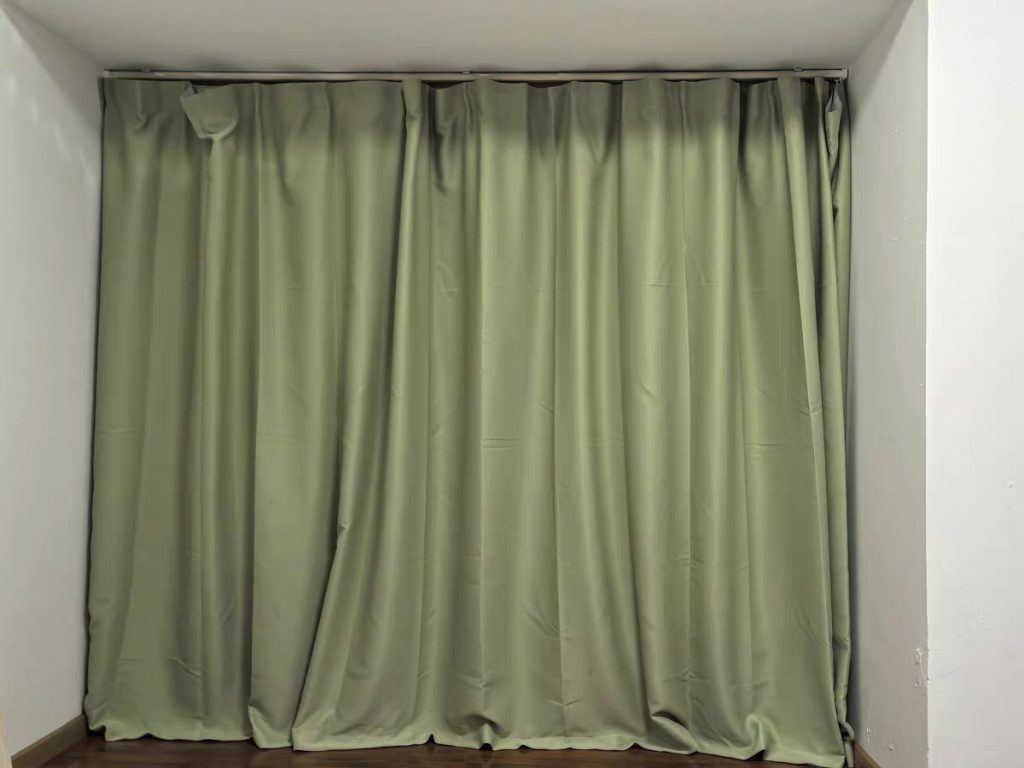
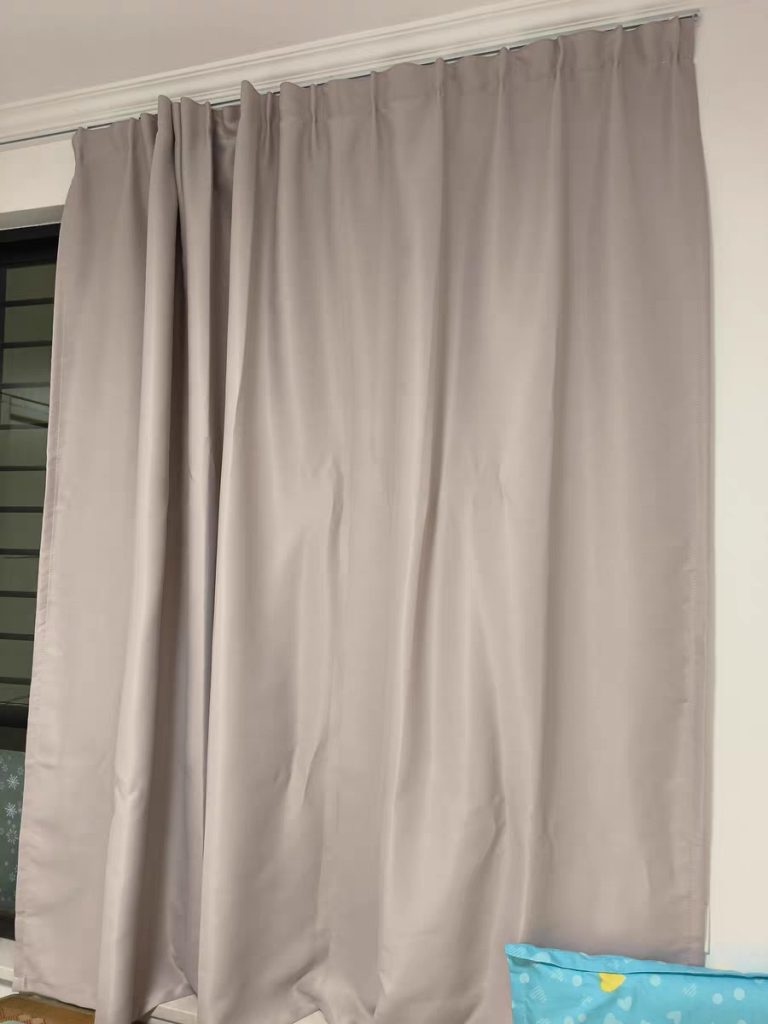
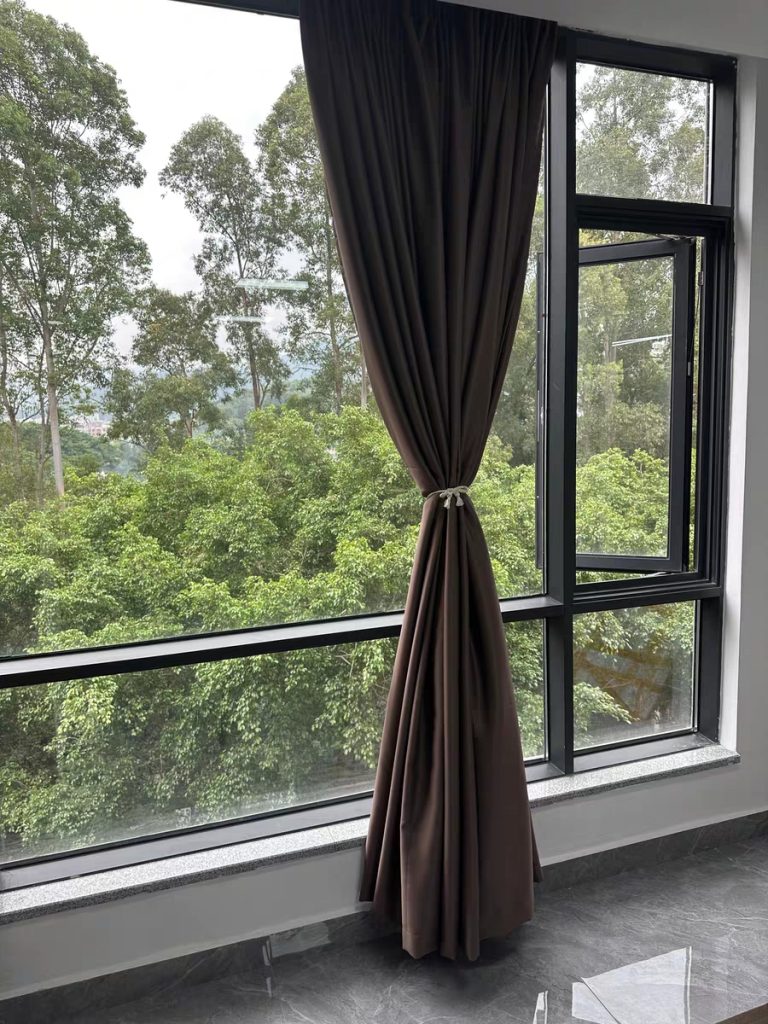
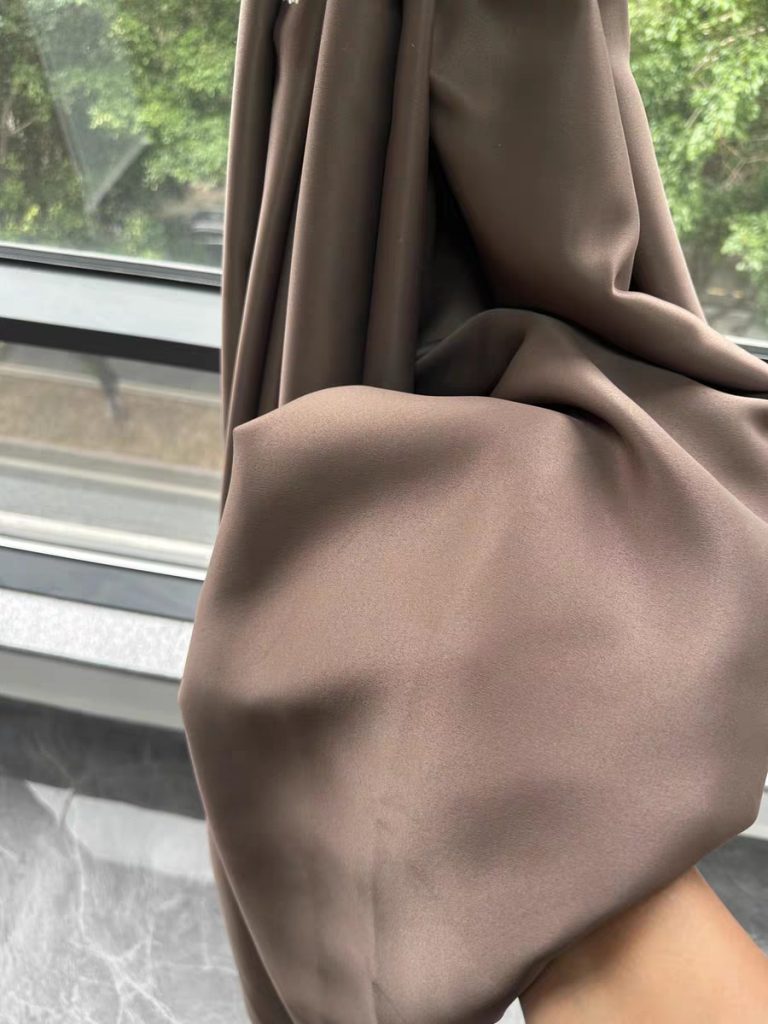
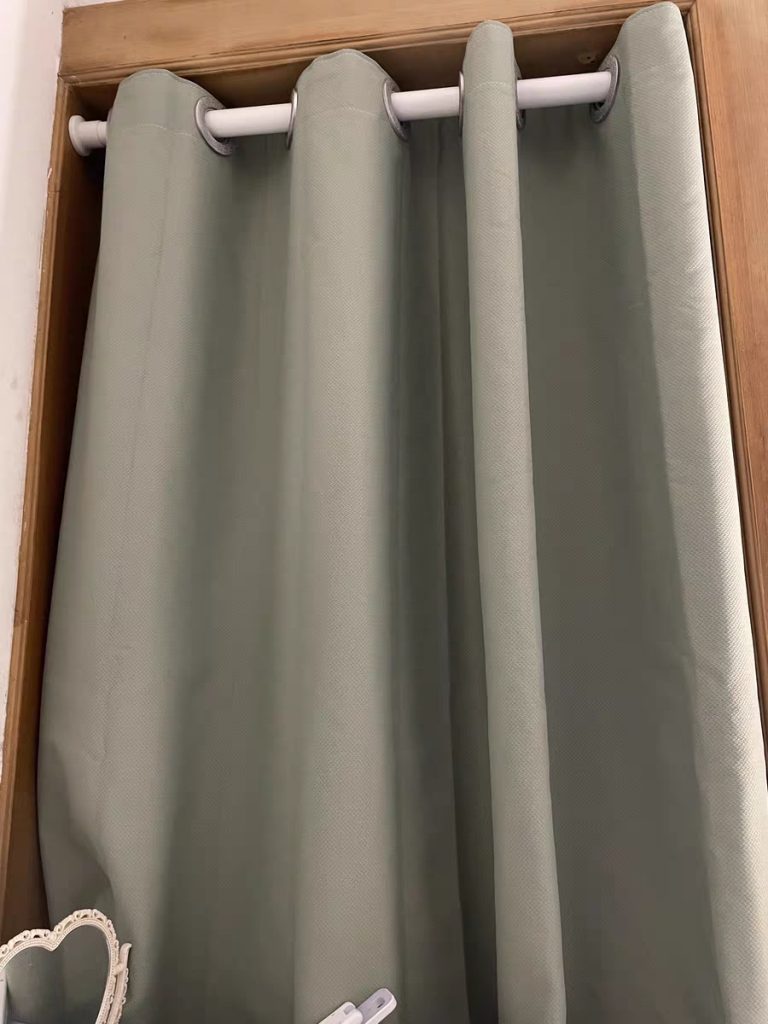
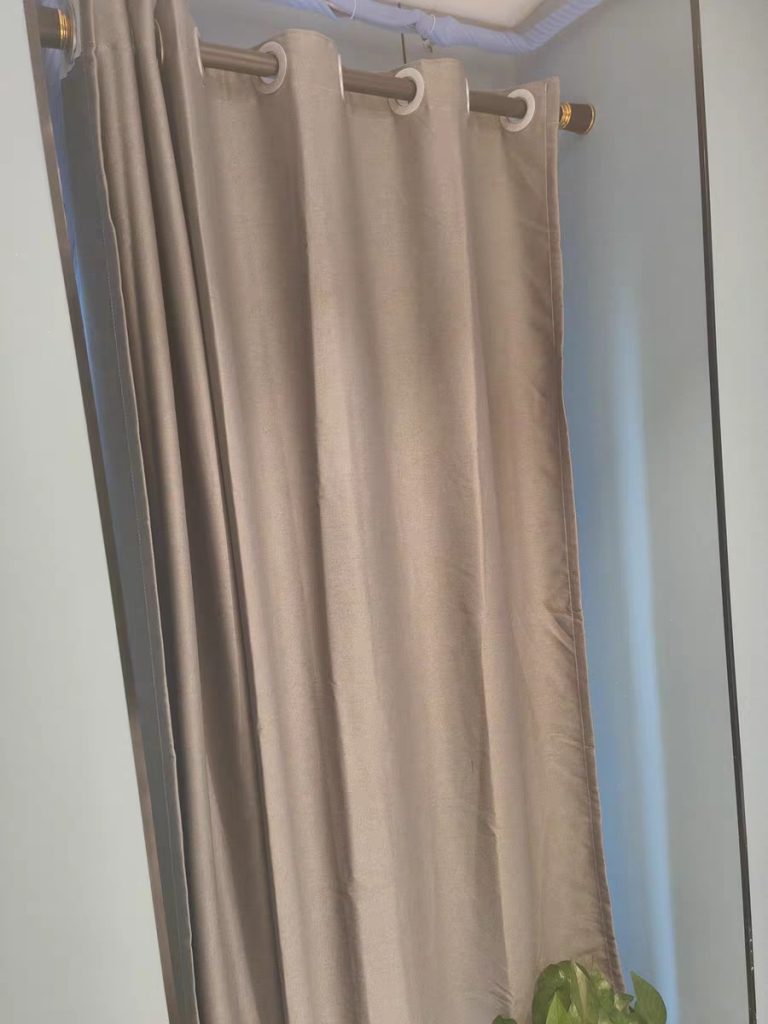
Curtains are far more than fabric hung by a window—they are dynamic interfaces between interior spaces and the outside world, regulating light, ensuring privacy, and defining aesthetic identity. For over a decade, I’ve worked with homeowners, interior designers, and commercial clients to craft curtains that balance function, beauty, and durability. From a child’s bedroom needing blackout protection to a corporate boardroom requiring sound-dampening panels, I’ve witnessed how expertly designed curtains transform spaces. This article delves into the art and science of curtain manufacturing, grounded in hands-on experience, industry authority, and a commitment to factual accuracy, with a FAQ section addressing practical concerns.
I. The Core Value of Curtains: Beyond Decoration
A. Functional Mastery: Light, Privacy, and Climate Control
A curtain’s primary role is to mediate the relationship between a room and its environment. This requires understanding three key variables:
-
Light Regulation: Sheer fabrics diffuse harsh sunlight, while blackout linings block 99% of UV rays (critical for sleep or media rooms). I once designed curtains for a photographer’s studio: a double-layered system with a sheer outer layer for diffused light and a blackout inner layer for total darkness during editing.
-
Privacy: Tightly woven fabrics (e.g., velvet, canvas) prevent visibility from outside, even at night. For a high-rise apartment overlooking a busy street, we used 300-thread-count cotton sateen with a privacy lining, eliminating glare and prying eyes.
-
Energy Efficiency: Thermal curtains (with foam or mylar backing) reduce heat loss in winter and solar gain in summer. A client in a cold climate reported a 15% drop in heating bills after installing our thermal-lined wool curtains.
B. Aesthetic Identity: Complementing Architectural DNA
Curtains anchor a room’s design. A minimalist loft needs clean lines and neutral tones; a historic home demands fabrics that echo its era. I recall restoring a 1920s bungalow: the original windows had arched tops, so we custom-made curved-header curtains in linen with tassel trim, matching the home’s Craftsman details. The result? The client said, “It feels like the house finally got its voice back.”
II. Material Science: The Fabric of Performance
A. Fiber Fundamentals: Natural vs. Synthetic
Choosing the right fiber is the foundation of a great curtain. My experience has shown that no single material fits all needs—context is key.
| Fiber Type | Pros | Cons | Best For |
|---|---|---|---|
| Cotton | Breathable, soft, hypoallergenic | Wrinkles easily, fades in direct sun | Bedrooms, casual living rooms |
| Linen | Textured, durable, natural luster | Wrinkles, higher cost | Farmhouse, coastal styles |
| Polyester | Wrinkle-resistant, affordable, colorfast | Less breathable, static-prone | High-traffic areas, kids’ rooms |
| Velvet | Luxurious, sound-dampening, insulating | Attracts dust, requires dry cleaning | Formal spaces, theaters |
| Bamboo/Rayon | Sustainable, silky, moisture-wicking | Prone to stretching, fades over time | Eco-conscious homes, spas |
Expertise Highlight: For a client with allergies, we specified Oeko-Tex certified cotton (free of harmful chemicals) and treated the fabric with a natural anti-dust mite spray.
B. Coatings and Linings: Enhancing Function
Most curtains include linings or coatings to boost performance:
-
Blackout Linings: Bonded with acrylic foam, these block light and insulate. We use 3-pass blackout (three layers of coating) for 100% opacity, tested in a darkroom.
-
Thermal Linings: Mylar or foam-backed, these reflect heat. A restaurant client in a hot climate saw a 20% reduction in AC use after switching to our thermal-lined polyester curtains.
-
Sound-Dampening Linings: Filled with acoustic foam, these reduce noise by 15–20 decibels. We installed them in a music studio, where the client noted, “The echoes are gone.”
C. Sustainability: Eco-Friendly Choices
With growing demand for green products, we prioritize:
-
Recycled Polyester: Made from post-consumer plastic bottles, it has the same durability as virgin polyester but with 50% lower carbon emissions.
-
Organic Cotton: Grown without pesticides, certified by GOTS (Global Organic Textile Standard).
-
Biodegradable Fibers: Tencel (lyocell) from eucalyptus trees, which decomposes in 6 months in industrial composters.
III. Design and Manufacturing: The Art of Precision
A. Customization: Tailored to Every Window
No two windows are identical. Our process begins with precise measurement:
-
Width/Height: We add 2–4 inches to account for fullness (the “gather” of fabric) and stacking space.
-
Header Styles: Grommet (modern, easy glide), rod pocket (casual, soft folds), pinch pleat (formal, structured), or wave (contemporary, uniform waves).
-
Hemming: Hand-sewn hems (1–2 inches) prevent fraying, unlike machine-hemmed edges.
Case Study: A client with arched windows in a round room needed curtains that followed the curve. We created a custom pattern, sewed the fabric in segments, and attached a flexible header. The result? A seamless, elegant drape that conformed to the architecture.
B. Hardware: The Unsung Hero
Rods, rings, and hooks affect both function and style:
-
Rods: Stainless steel (durable, modern), wood (warm, traditional), or motorized (smart homes).
-
Rings: Metal (heavy-duty) or plastic (lightweight). We use nylon-coated rings to prevent scratches.
-
Hooks: Pin hooks (adjustable height) or clip rings (for tab-top curtains).
Authority Note: We follow the American Society of Interior Designers (ASID) guidelines for hardware weight limits: a 48-inch rod should support no more than 20 pounds.
C. Smart Integration: Technology Meets Textiles
Motorized curtains are a game-changer. We install systems with:
-
Remote Control: Adjust light with a button.
-
Voice Activation: Compatible with Alexa/Google Home.
-
Sensors: Open/close based on sunrise/sunset or occupancy.
A tech executive client loves his motorized blackout curtains: “I set them to close at 8 PM, and wake up to gradual light at 6 AM—no more jarring alarms.”
IV. Applications: Curtains in Diverse Environments
A. Residential: Personal Sanctuaries
-
Bedrooms: Blackout curtains for sleep, with sheer overlays for daytime privacy.
-
Living Rooms: Layered curtains (sheer + opaque) to balance light and coziness.
-
Home Offices: Light-filtering fabrics to reduce screen glare.
B. Commercial: Branding and Function
-
Hotels: Sound-dampening curtains in conference rooms, branded patterns in lobbies.
-
Retail: Sheer curtains to highlight displays, blackout curtains for storage areas.
-
Healthcare: Antimicrobial fabrics in clinics, calming colors in pediatric wards.
C. Specialty Spaces
-
Theaters: Velvet curtains with fire-retardant coatings (NFPA 701 certified).
-
Greenhouses: UV-blocking fabrics to protect plants from scorching.
-
Art Galleries: Neutral-toned, fade-resistant curtains to preserve artwork.
V. Sustainability: Designing for the Long Term
A. Circular Economy Practices
-
Take-Back Programs: Old curtains are recycled into insulation or stuffing.
-
Modular Design: Replaceable linings extend a curtain’s life by 5–7 years.
-
Local Production: We manufacture in-house to cut transportation emissions.
B. Certifications That Matter
-
Oeko-Tex Standard 100: Ensures fabrics are free of harmful substances.
-
Greenguard Gold: Low VOC emissions for indoor air quality.
-
FSC Certification: For wooden rods from sustainably managed forests.
VI. FAQ: Answering Your Practical Questions
Q1: Can you customize curtains for unique windows (e.g., arches, bay windows)?
A: Absolutely. Customization is our specialty. We’ve designed curtains for arched, circular, triangular, and bay windows using curved headers, segmented panels, and flexible fabrics. For a client with a bow window, we created a 3-panel system with mitered corners to fit the angles perfectly. Share your window dimensions and vision—we’ll engineer a solution.
Q2: What is the Minimum Order Quantity (MOQ)?
A: There’s no strict MOQ—we craft curtains for single windows or entire buildings. However:
Q3: What is the typical lead time from order to installation?
A: Lead times depend on complexity:
Q4: Do you have ready-made (stock) curtains available?
A: No—we focus exclusively on custom work to ensure perfect fit and personalization. Stock curtains rarely accommodate unique window sizes or design preferences. However, we offer “semi-custom” options: modify stock sizes (e.g., shorten a 84-inch curtain to 72 inches) or swap linings (e.g., add blackout to a sheer panel). Semi-custom orders ship in 2–3 weeks and cost 15–25% less than fully custom designs.
VII. The Future of Curtains: Innovation and Adaptation
A. Self-Cleaning Fabrics
Nanotechnology coatings repel dirt and stains, reducing washing frequency. A prototype we tested stayed clean for 6 months in a dusty environment.
B. Adaptive Light Control
Electrochromic fabrics change opacity with a switch—clear for daylight, opaque for privacy. We’re piloting this in office partitions.
C. 3D-Printed Headers
Custom header shapes (e.g., floral motifs, geometric patterns) are 3D-printed for unique designs, eliminating the need for metal hardware.
Conclusion: Curtains as Storytellers
A well-designed curtain tells a story—of a homeowner’s taste, a brand’s identity, or a space’s purpose. With over a decade of experience, I’ve learned that the secret to great curtains lies in marrying technical expertise with creative empathy. Whether you need blackout protection for a nursery or a statement piece for a lobby, the right curtain balances form and function seamlessly.
When you choose custom, you’re not just buying fabric—you’re investing in a partner who understands that every window deserves to be framed perfectly. And in the end, that’s what turns a house into a home, or a building into a landmark.
Final Thought: The best curtains don’t just hang—they enhance. Let us help you write your space’s next chapter.


No reply content