
👕 High-Quality Clothing Solutions for Retail Brands, E-commerce Sellers, and Wholesale Distribution
Clothing products are essential consumer goods with continuous demand across global markets. From casual wear to functional garments, apparel manufacturing focuses on quality, comfort, and customization to meet diverse customer needs.👕 Wide range of clothing styles and categories
🧵 Flexible customization for branding and design
🌍 Suitable for global wholesale and export
📦 Scalable production for bulk orders
🎨 Private label and OEM solutions availableWith the growth of e-commerce and fashion retail, custom apparel production has become a key opportunity for brands and distributors.
👕 What Is Apparel Manufacturing?
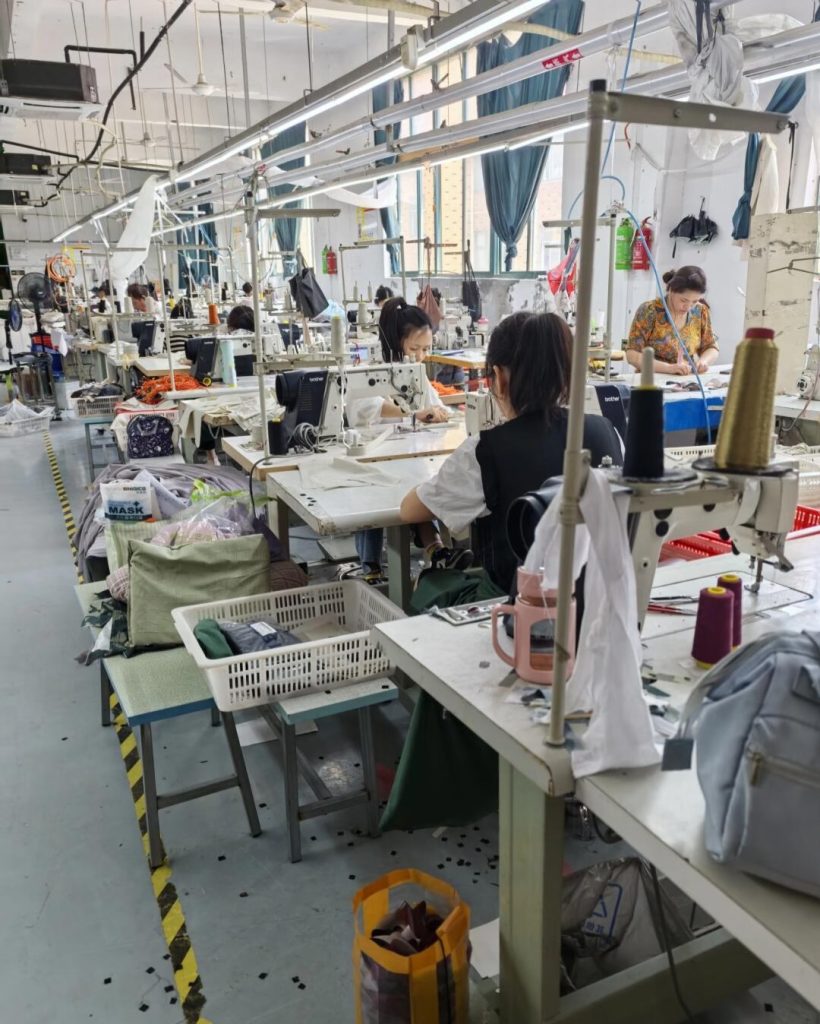
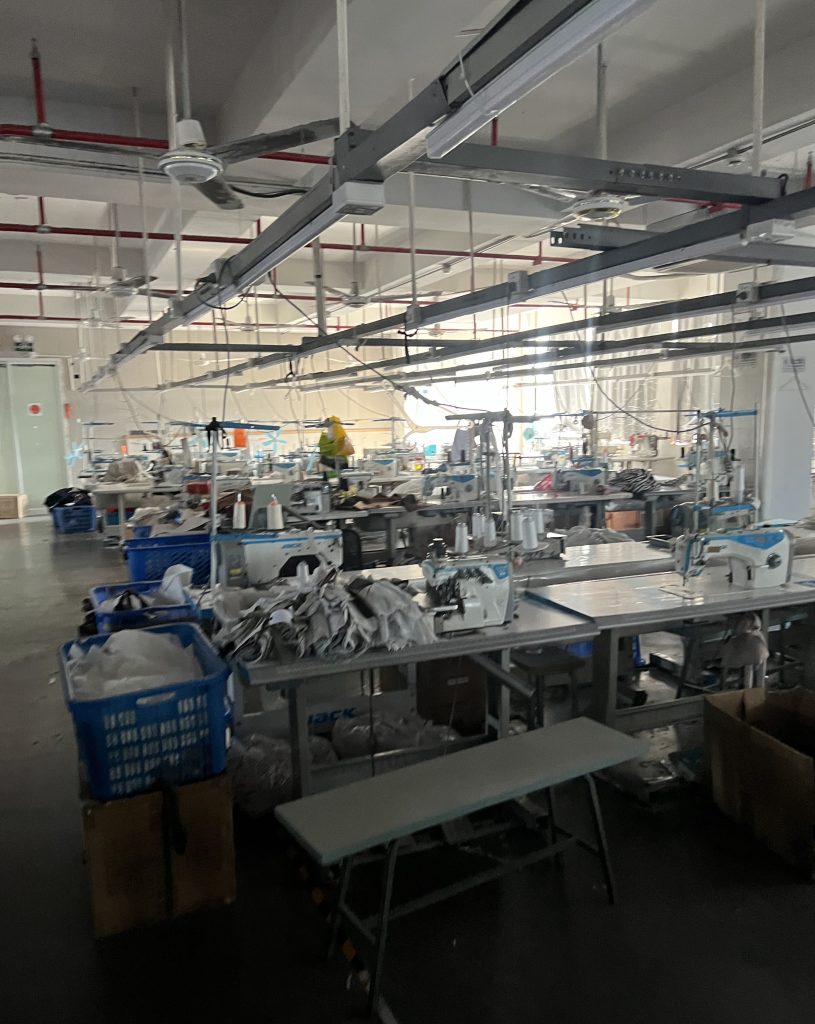
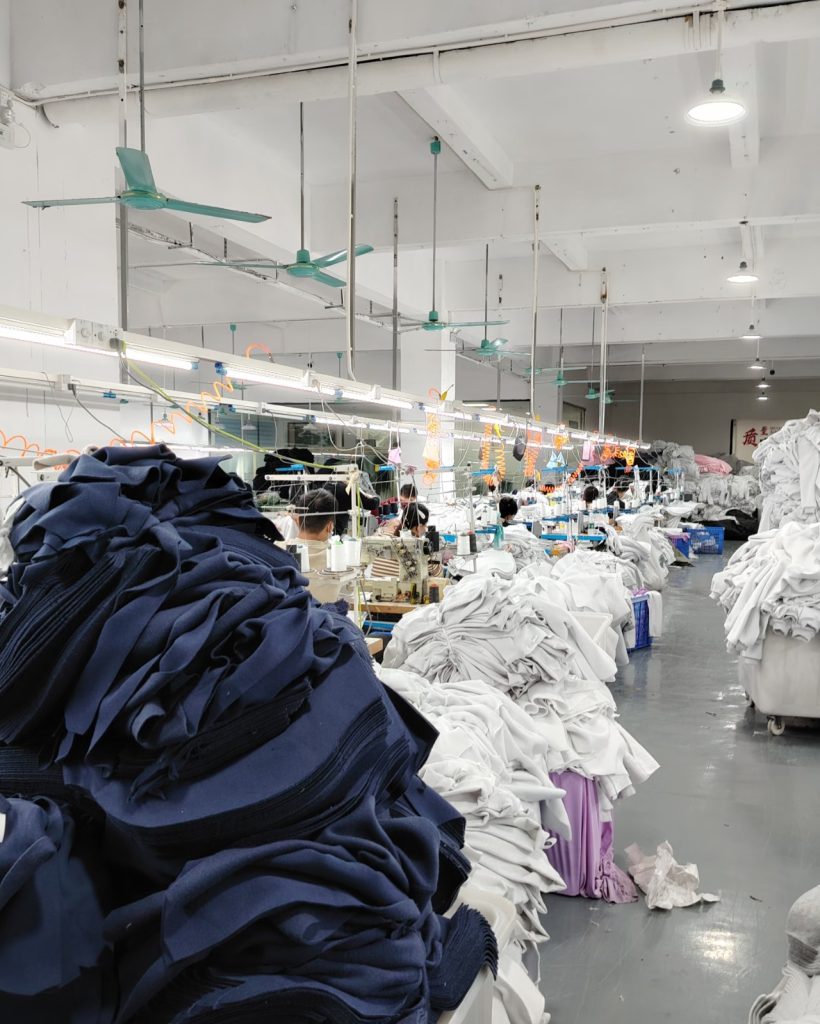
Apparel manufacturing refers to the process of producing garments from raw materials through cutting, sewing, and finishing.
Key characteristics include:
🧵 fabric processing and garment construction
📐 pattern design and sizing
👕 assembly and stitching
📦 final finishing and packaging
Clothing production combines technical processes with creative design.
🧥 Types of Clothing Products
Clothing products are available in various categories based on use and style.
👕 Casual Wear
Casual wear is designed for everyday use.
Features include:
👕 comfortable fabrics
🧵 simple designs
🌤️ suitable for daily activities
🏃 Sportswear
Sportswear is designed for physical activities.
Advantages include:
🏃 breathable materials
💧 moisture management
⚡ flexible movement
👔 Workwear
Workwear is used in professional and industrial environments.
Key benefits include:
👔 durable construction
🛡️ protective features
🏭 suitable for various industries
🧪 Materials Used in Clothing
Material selection plays a critical role in comfort and durability.
Common fabrics include:
🧵 cotton for softness
🧪 polyester for durability
🌱 blended fabrics for performance
💧 moisture-resistant materials
These materials determine product quality and user experience.
⚙️ Apparel Manufacturing Process
Garment production involves multiple stages.
Typical process includes:
📐 design and pattern making
✂️ fabric cutting
🧵 stitching and assembly
🔍 quality inspection
📦 packaging for shipment
Each stage ensures consistent quality and fit.
🎨 Custom Clothing and Private Label Solutions
Customization is a key factor in apparel production.
Customization options include:
🎨 logo printing and embroidery
👕 custom styles and designs
📏 size and fit adjustments
📦 branded packaging
Private label clothing helps businesses build unique brands.
🏬 Applications in Fashion and Retail
Clothing products are used across various markets.
Common applications include:
🏬 fashion retail stores
🛍️ e-commerce platforms
🎁 promotional clothing
🏢 corporate uniforms
Their wide usage ensures strong demand.
🌱 Comfort and Performance Features
Modern clothing focuses on both comfort and functionality.
Important features include:
🌬️ breathable fabrics
🧵 durable stitching
💧 moisture control
🖐️ comfortable fit
These features enhance user satisfaction.
📦 Packaging and Export Considerations
Efficient packaging is essential for apparel distribution.
Common methods include:
📦 individual garment packaging
🧳 bulk carton packing
🚚 palletized shipment
🌍 export-ready logistics
Proper packaging ensures product protection.
📈 Global Demand for Clothing
The demand for clothing continues to grow worldwide.
Key drivers include:
🌍 expanding global population
🛍️ growth of fashion industry
📱 rise of online shopping
🎨 increasing demand for customization
These factors support long-term market growth.
📊 Advantages of Bulk Apparel Supply
Bulk supply offers benefits for retailers and distributors.
Key advantages include:
📦 large production capacity
💰 cost efficiency for bulk orders
🎨 flexible customization
🌍 global distribution capability
Bulk purchasing supports business scalability.
📩 Choosing a Reliable Clothing Manufacturer
Selecting a reliable supplier is critical for product quality.
Key considerations include:
🏭 manufacturing capability
🔍 quality control systems
🎨 customization expertise
📦 logistics and delivery support
Reliable partners ensure consistent product standards.
🔮 Future Trends in Apparel Industry
The apparel industry continues to evolve with innovation.
Future trends may include:
🌱 sustainable fabrics
⚙️ advanced production techniques
📊 data-driven design
🎨 personalized fashion
These trends enhance competitiveness and market appeal.
❓ FAQ – Clothing
1. What types of clothing can be manufactured?
Clothing includes casual wear, sportswear, workwear, and custom garments.
2. Can clothing be customized?
Yes. Clothing can be customized in design, fabric, size, and branding.
3. Who buys clothing in bulk?
Retailers, e-commerce sellers, distributors, and businesses.
4. What materials are commonly used?
Common materials include cotton, polyester, and blended fabrics.
5. What should buyers consider when sourcing clothing?
Buyers should consider quality, fabric, customization, and supplier reliability.
6. Is private label clothing popular?
Yes. Private label clothing is widely used to build brand identity.


No reply content