
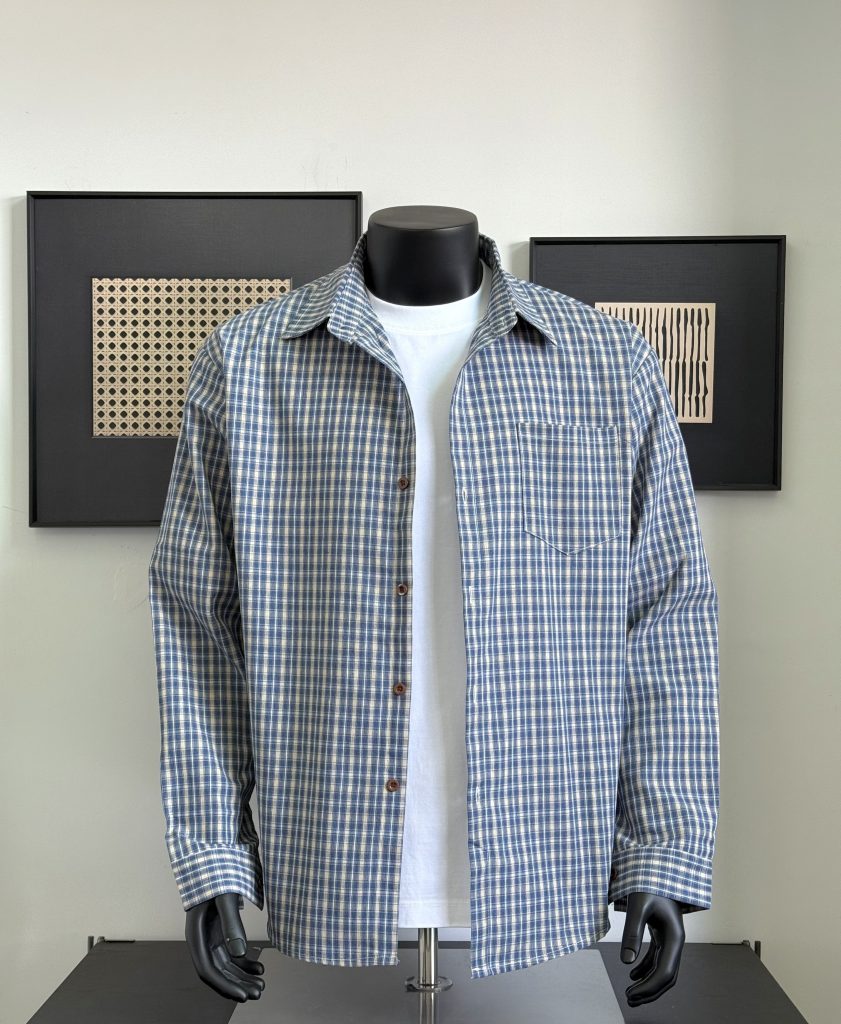
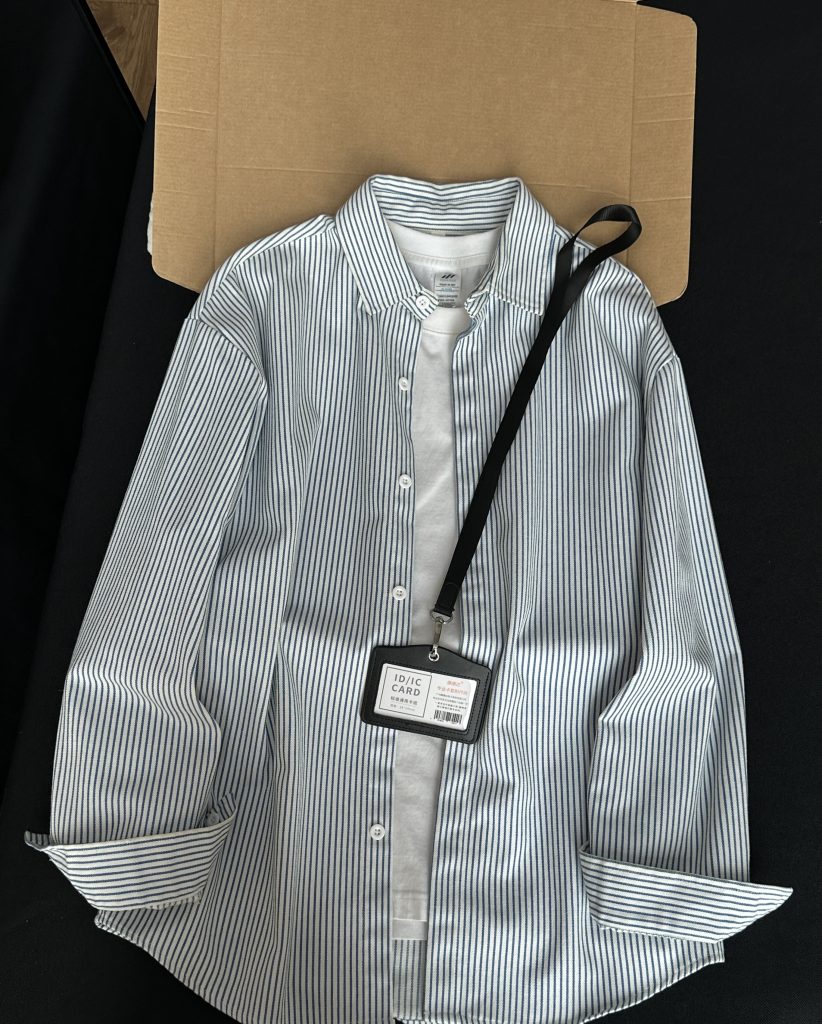
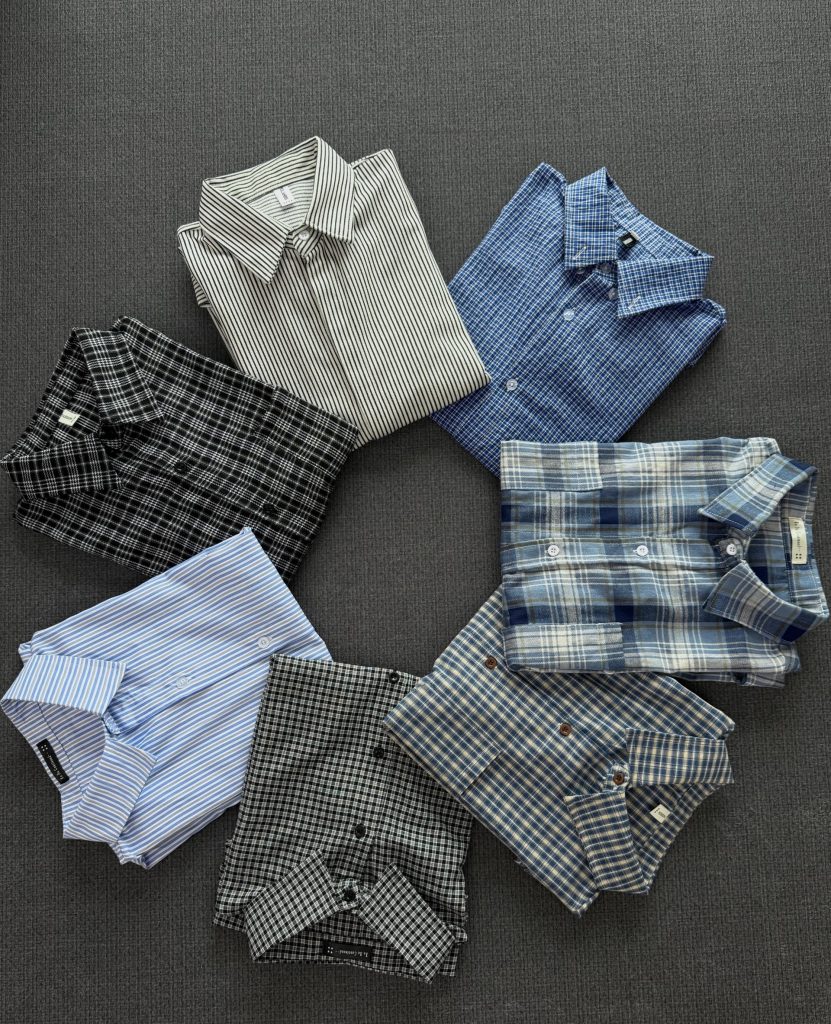
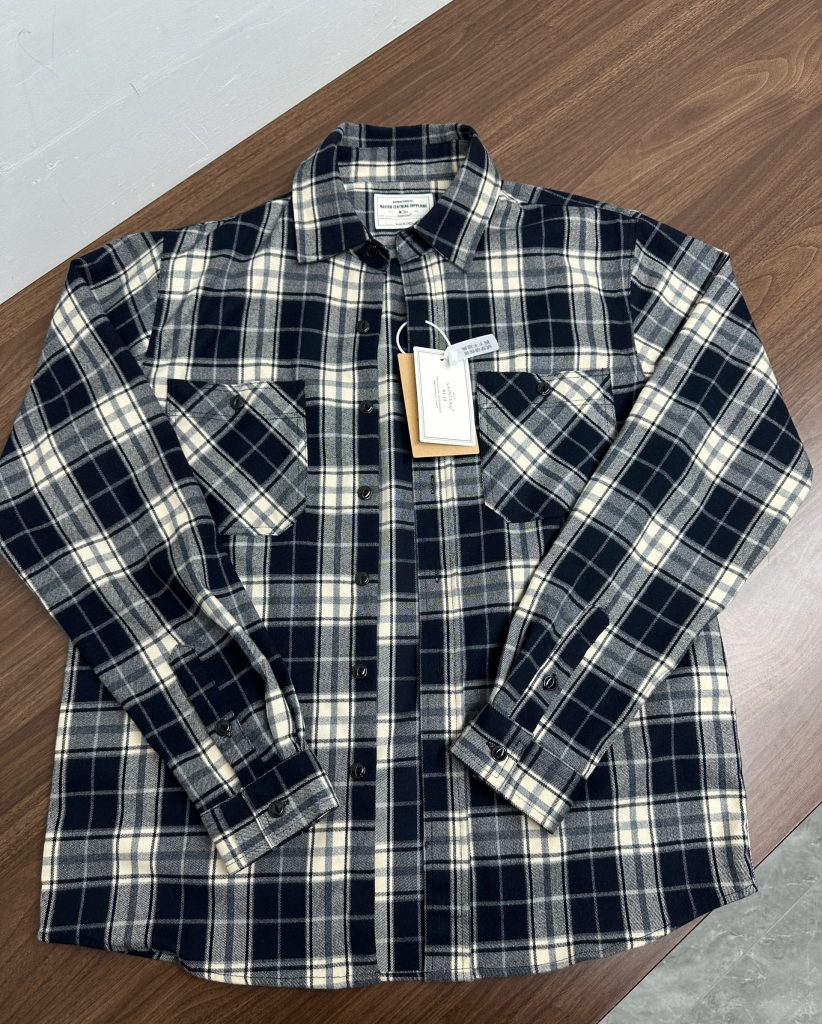
👕 High-Quality Clothing Solutions for Retail, Branding, and Global Distribution
Clothing products are essential consumer goods with constant global demand. From casual wear to work uniforms and fashion collections, modern apparel manufacturing focuses on comfort, durability, and design flexibility.👕 Suitable for private label clothing brands
🎨 Custom design and fabric options available
🌍 Ideal for global wholesale distribution
🏭 Scalable production for bulk orders
📦 Efficient packaging for retail and exportWith evolving fashion trends and increasing demand for customization, apparel manufacturing plays a key role in supporting retail businesses and fashion entrepreneurs worldwide.
👕 What Is Apparel Manufacturing?
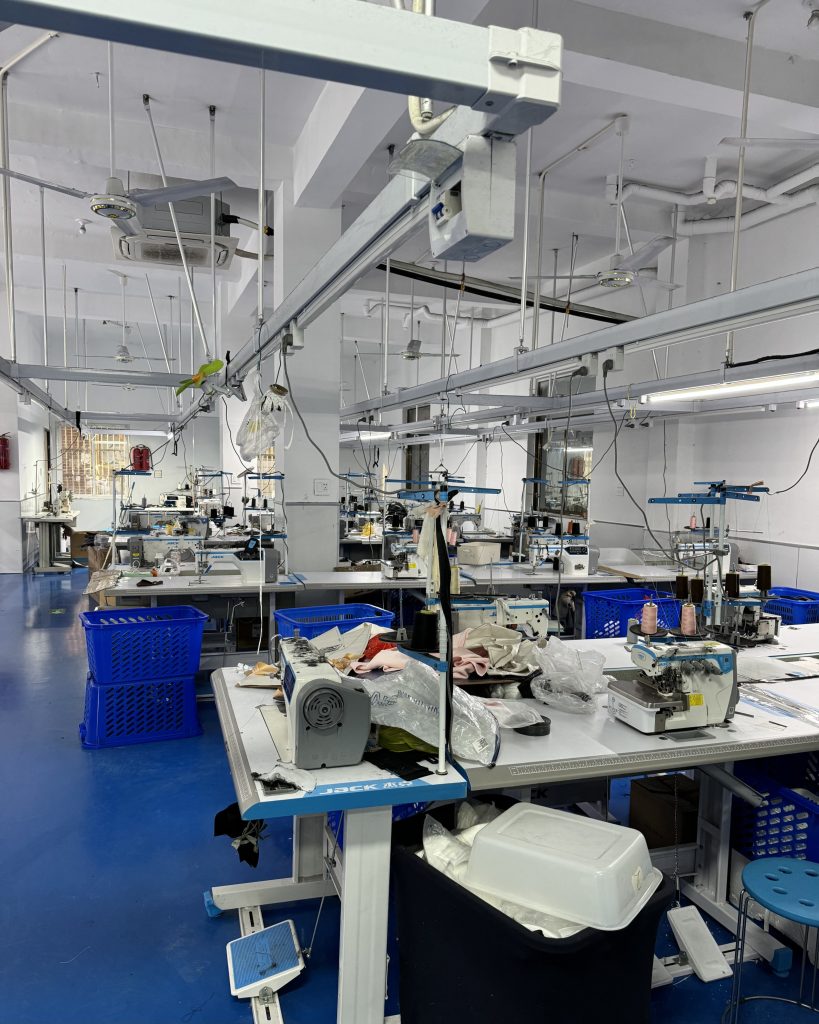
Apparel manufacturing refers to the process of producing clothing from raw materials such as fabrics, threads, and accessories. It includes design, cutting, sewing, finishing, and packaging.
Key characteristics include:
🧵 fabric-based production
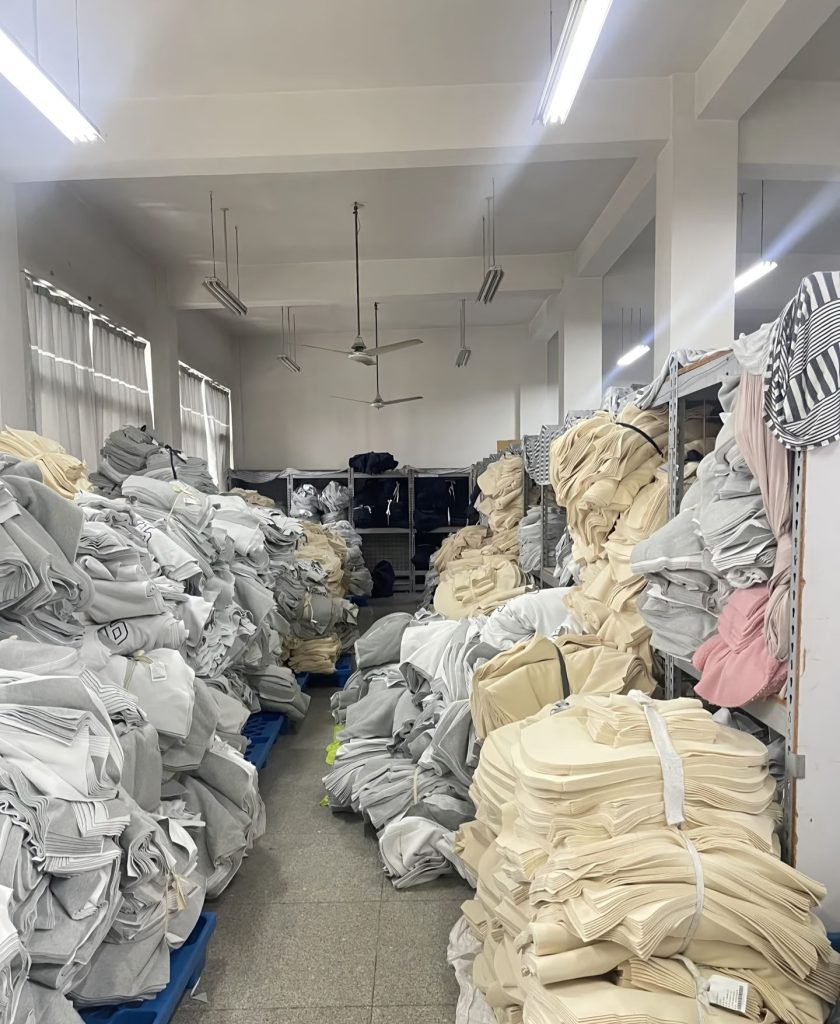
✂️ pattern cutting and shaping
🪡 stitching and assembly
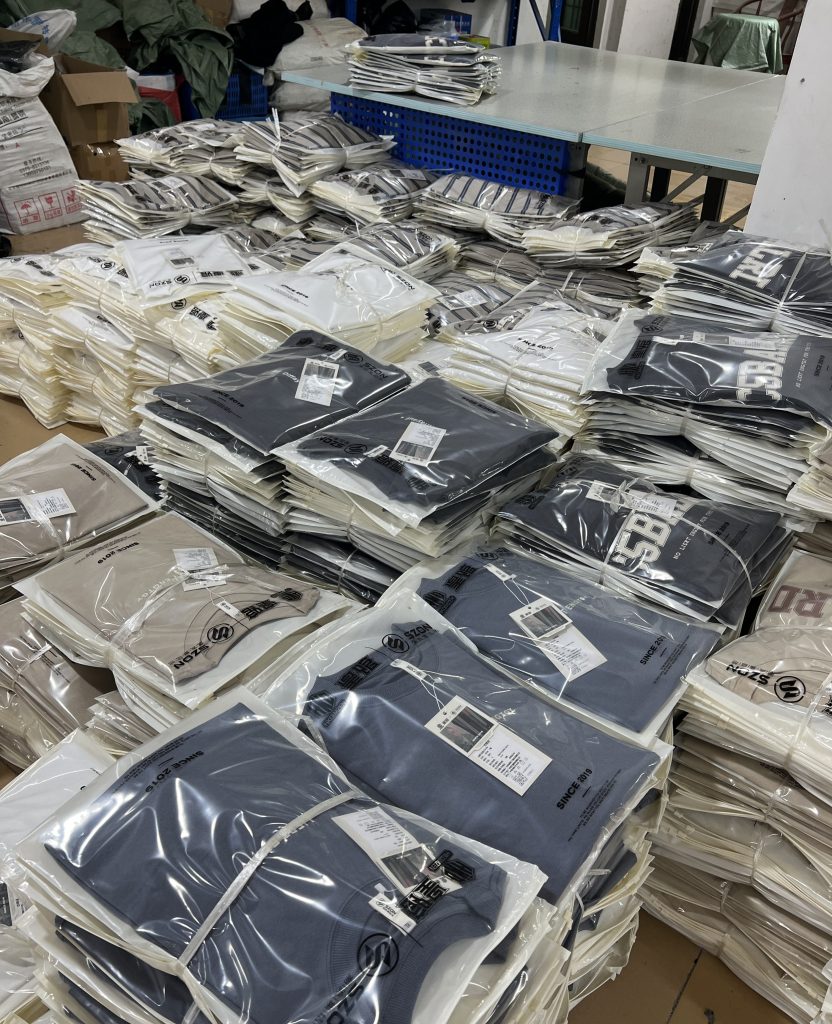
📦 finished product packaging
This process transforms textile materials into wearable garments for different markets.
🧵 Types of Clothing Products for Wholesale Buyers
Clothing products are available in a wide range of categories depending on usage, season, and target market.
👕 Casual Wear
Casual clothing is designed for everyday comfort and style.
Examples include:
👕 T-shirts
👖 pants and jeans
🧥 lightweight jackets
Casual wear is one of the most popular categories in retail markets.
🏢 Workwear and Uniforms
Workwear is designed for professional environments and specific job requirements.
Features include:
🦺 durable fabric materials
🔧 functional pocket designs
🏭 protective clothing structures
These garments are widely used in industrial, service, and corporate environments.
🏃 Sportswear and Activewear
Sportswear is designed for physical activity and performance.
Key features include:
🏃 breathable fabrics
💧 moisture-wicking materials
⚙️ flexible and stretchable design
These products are popular among fitness enthusiasts and athletes.
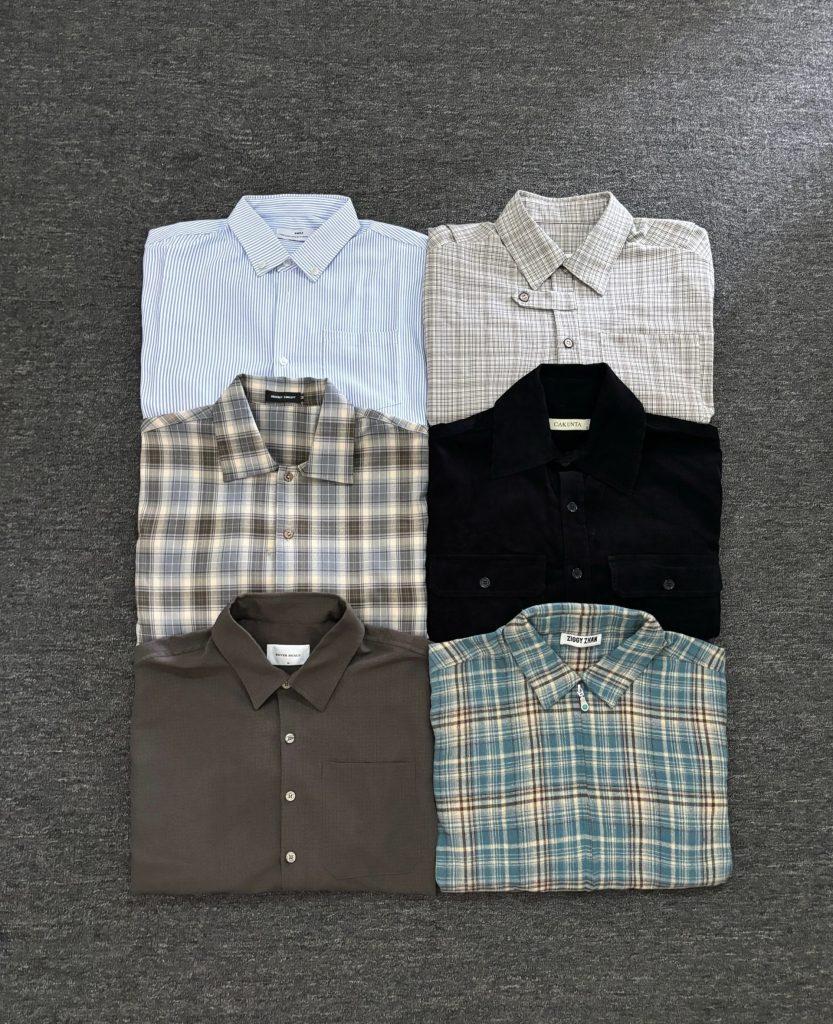
👗 Fashion Apparel
Fashion clothing focuses on style, trends, and seasonal design.
Characteristics include:
🎨 modern design elements
🧵 unique fabric textures
🌟 trend-driven production
Fashion apparel supports retail brands and boutique businesses.
🧪 Fabric Materials Used in Clothing
The choice of fabric is essential for comfort, durability, and product quality.
Common fabric types include:
🧵 cotton fabrics
🧪 polyester materials
🌿 blended textiles
🧶 knitted and woven fabrics
Each material offers different advantages in terms of softness, strength, and breathability.
✂️ Garment Production Process
Clothing production involves several technical steps to ensure consistent quality.
Typical production stages include:
📐 pattern design and development
✂️ fabric cutting
🪡 stitching and sewing
🔍 quality inspection
📦 packaging and finishing
Each step is carefully managed to meet production standards.
🎨 Custom Clothing and Private Label Services
Many buyers require customized clothing products for branding and retail purposes.
Customization options include:
🎨 logo printing or embroidery
📐 custom sizing and fit
🧵 fabric selection
📦 branded packaging
Private label clothing allows businesses to build unique product lines.
📦 Bulk Clothing Supply for Global Markets
Clothing is one of the most traded products in international markets.
Typical buyers include:
🏪 retail clothing stores
🌍 fashion distributors
🛍️ e-commerce sellers
🏢 corporate uniform buyers
Bulk production ensures cost efficiency and stable supply.
🌍 Global Demand for Apparel Products
The clothing industry continues to grow due to constant consumer demand.
Key demand drivers include:
👕 daily clothing needs
🌍 expansion of global retail markets
🛍️ growth of online shopping
🎨 changing fashion trends
These factors create continuous opportunities for apparel suppliers.
🧳 Packaging and Export Considerations
Proper packaging is important to protect garments during shipping.
Common packaging methods include:
📦 individual garment packaging
🧳 bulk carton packing
🚚 export-ready logistics packaging
Efficient packaging helps maintain product quality during transportation.
🌱 Sustainable Clothing Production Trends
Sustainability is becoming an important factor in apparel manufacturing.
Examples include:
🌱 eco-friendly fabrics
♻️ recyclable packaging
🧵 durable garment construction
🌍 reduced production waste
Sustainable practices improve environmental impact and product value.
📈 Advantages of Wholesale Clothing Supply
Wholesale clothing offers several advantages for distributors and retailers.
Key benefits include:
📦 large-scale production capability
💰 cost efficiency in bulk orders
🎨 flexible design options
🌍 access to international markets
Bulk supply supports consistent inventory management.
📩 Choosing a Reliable Clothing Manufacturer
Selecting the right manufacturing partner is essential for product quality and business success.
Key factors include:
🏭 production capacity
🔍 quality control systems
🎨 customization capabilities
📦 packaging and logistics support
Reliable suppliers help ensure stable production and delivery performance.
🔮 Future Development of the Apparel Industry
The apparel industry continues to evolve with new technologies and market trends.
Future developments may include:
⚙️ automated production systems
🌱 sustainable textile innovation
📊 data-driven fashion design
🧵 improved fabric performance
These trends will shape the future of global clothing manufacturing.
❓ FAQ – Clothing Manufacturing
1. What types of clothing can be produced in bulk?
Manufacturers can produce casual wear, workwear, sportswear, and fashion apparel in large quantities.
2. Can clothing be customized for private brands?
Yes. Many clothing products can be customized with logos, labels, and unique designs.
3. What materials are commonly used in clothing?
Common materials include cotton, polyester, blended fabrics, and other textile materials.
4. How long does clothing production take?
Production time depends on order size, design complexity, and manufacturing capacity.
5. Who buys clothing in bulk?
Retail stores, e-commerce sellers, distributors, and corporate buyers often purchase clothing in bulk.
6. Why is quality control important in apparel production?
Quality control ensures that garments meet design specifications, durability standards, and customer expectations.


No reply content