
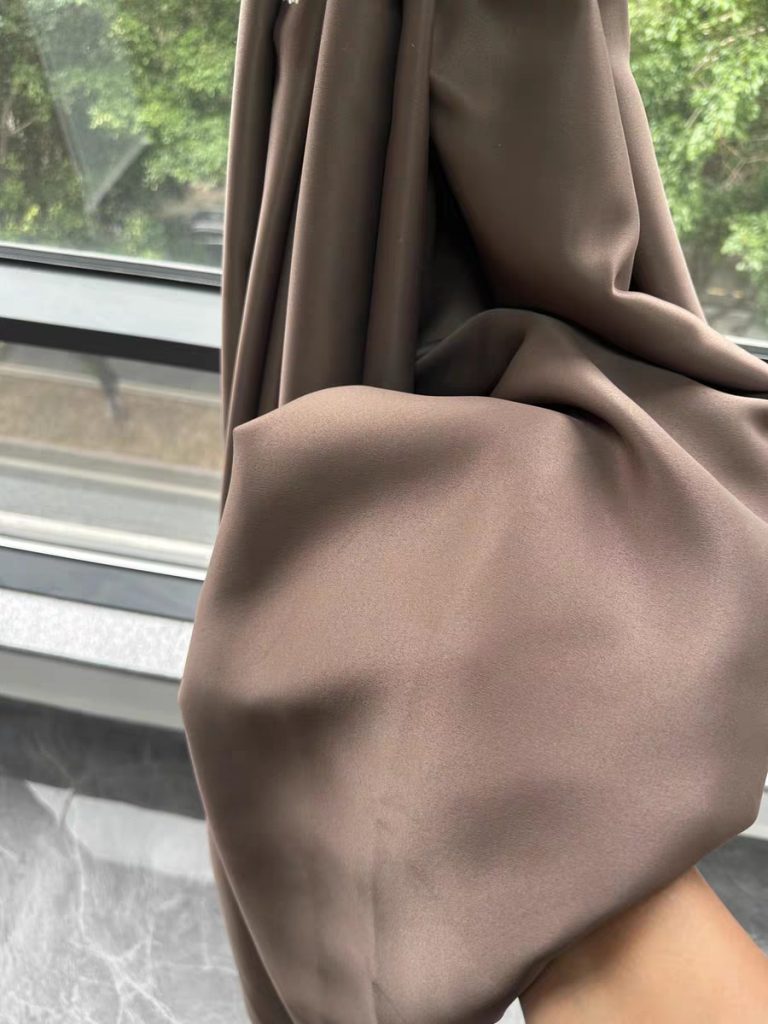
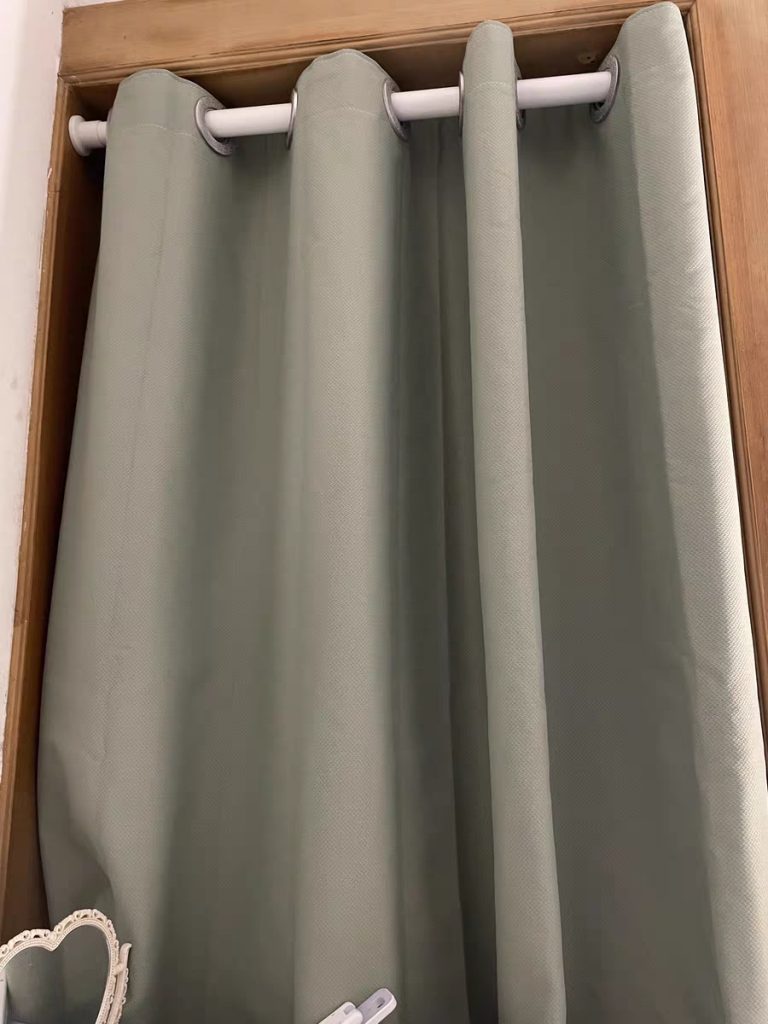
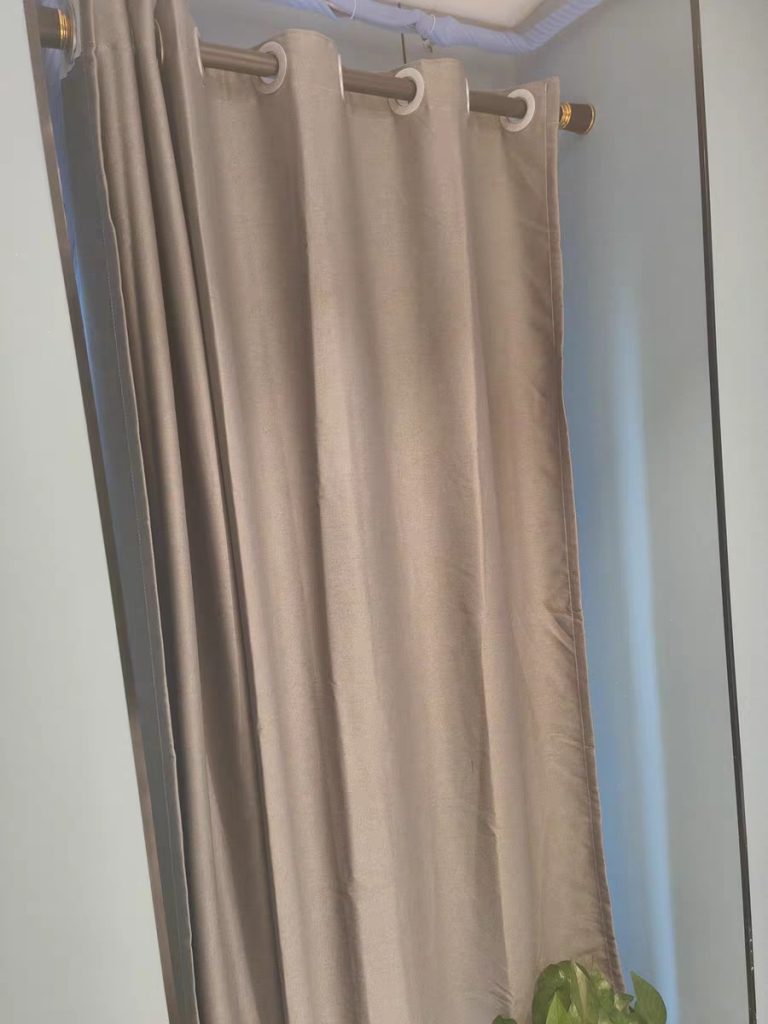
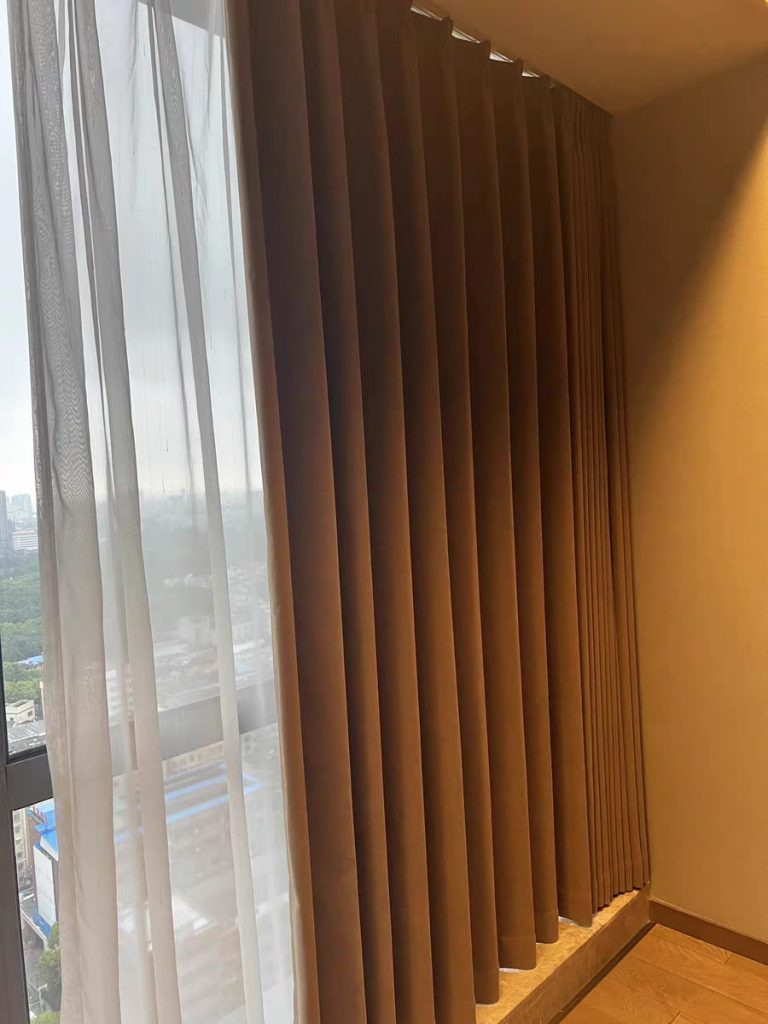
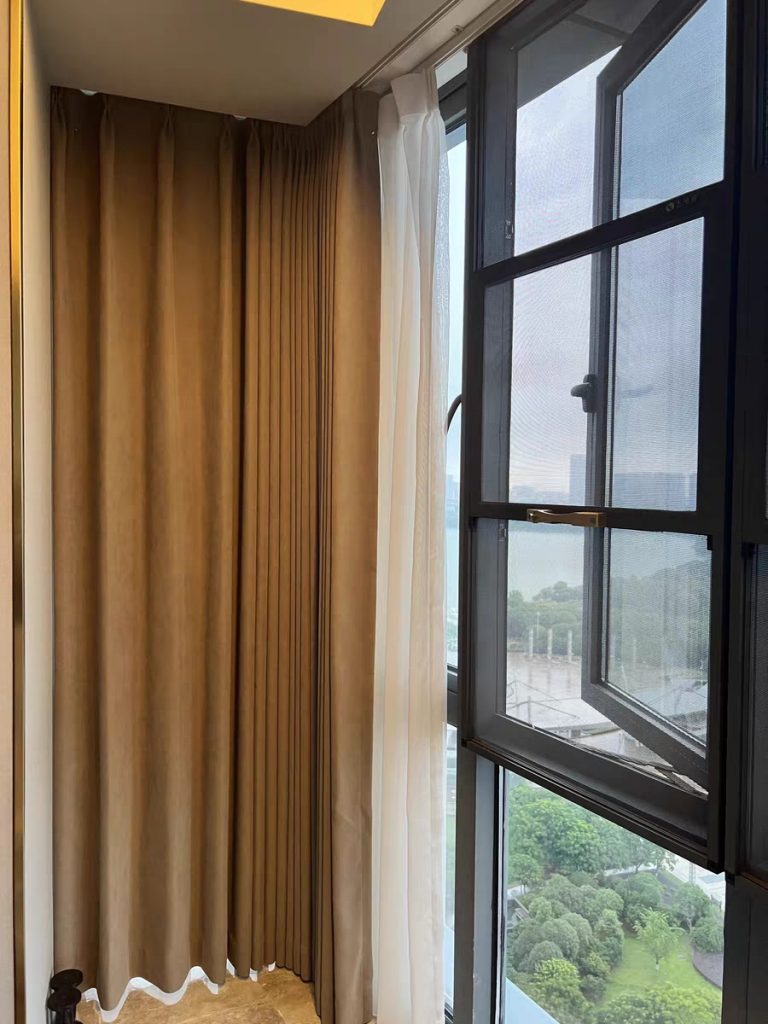
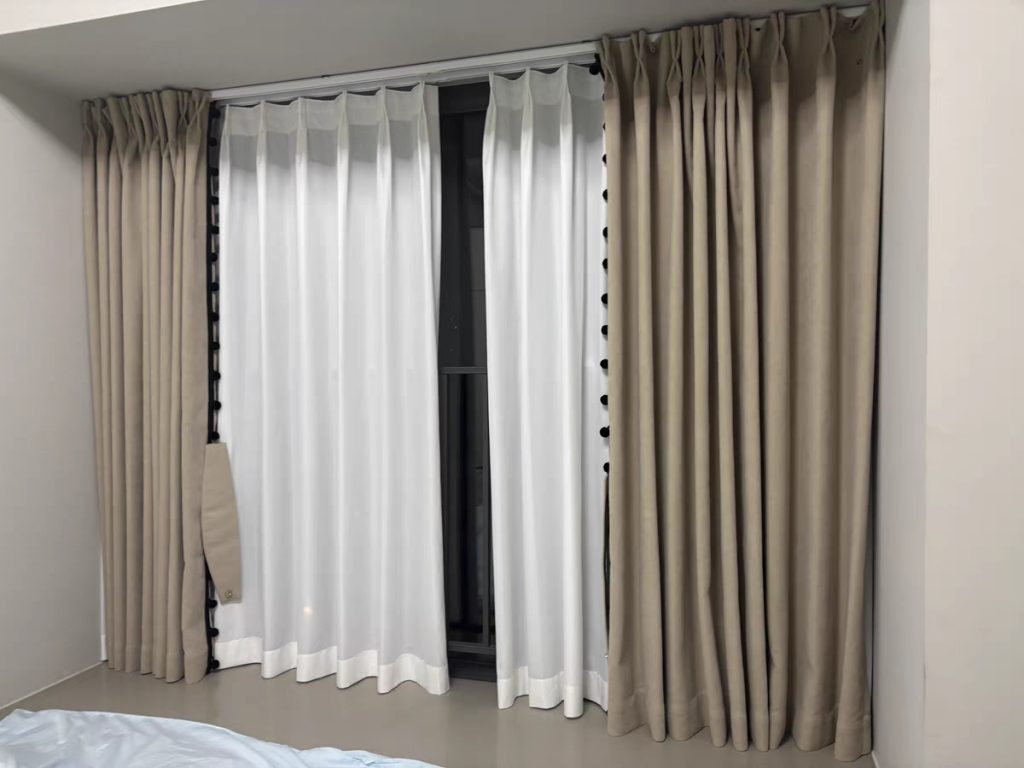
Curtains are no longer simple decorative fabrics. In modern architecture and interior design, curtains serve multiple essential functions: light control, thermal insulation, privacy protection, acoustic absorption, aesthetic enhancement, and brand identity reinforcement. For hotels, apartments, office buildings, and retail brands, selecting a professional curtain manufacturer is critical to ensure consistent quality, compliance with safety standards, and stable delivery schedules.
As an experienced curtain manufacturing factory with export experience across global markets, we understand that professional buyers require more than attractive fabric samples. They need material transparency, technical expertise, customization flexibility, and reliable production management.
This comprehensive guide provides a detailed overview of how a professional curtain factory operates—from raw fabric sourcing and sewing craftsmanship to blackout technology, fire-retardant treatment, quality control systems, OEM services, and international logistics. The content reflects real production knowledge and industry standards, aligned with E-E-A-T principles: Experience, Expertise, Authoritativeness, and Trustworthiness.
1. What Defines a Professional Curtain Manufacturing Factory?
A qualified curtain factory integrates:
- Fabric sourcing and inspection systems
- Fabric cutting and spreading machines
- Automatic sewing production lines
- Pleating and shaping equipment
- Blackout coating and laminating systems
- Fire-retardant treatment facilities
- Quality inspection teams
- Custom packaging departments
Unlike small workshops, an industrial curtain factory follows standardized operating procedures to ensure dimensional accuracy, stitching durability, color consistency, and long-term fabric performance.
2. Types of Curtains We Manufacture
Professional curtain manufacturers usually provide a wide range of products to serve different industries.
2.1 Blackout Curtains
Designed to block 70%–100% of sunlight.
Used in:
- Hotels
- Bedrooms
- Home theaters
- Apartments
Technology options include:
- Triple-weave blackout fabric
- Foam-coated blackout backing
- Laminated blackout lining
2.2 Sheer Curtains
Lightweight fabrics that allow natural light while maintaining privacy.
Common materials:
- Polyester voile
- Linen blends
- Organza
Often paired with blackout curtains for layered design.
2.3 Thermal Insulated Curtains
Specialized fabrics designed to:
- Reduce heat loss in winter
- Block solar heat in summer
- Improve energy efficiency
These curtains are widely used in colder climates.
2.4 Fire-Retardant Curtains
Essential for:
- Hotels
- Hospitals
- Commercial buildings
- Public facilities
We offer fabrics compliant with international fire safety standards such as:
- BS 5867
- NFPA 701
- EN 13773
Certification can be provided upon request.
2.5 Motorized and Smart Curtain Systems
Integrated with:
- Electric curtain tracks
- Remote control systems
- Smart home integration
Suitable for:
- High-end residential projects
- Luxury hotels
- Office buildings
2.6 Custom Project Curtains
We provide customized solutions for:
- Hotel renovation projects
- Real estate developers
- Interior design companies
- Retail brands
Customization includes:
- Fabric type
- Color matching
- Size adjustment
- Pleat style
- Header design
3. Fabric Materials & Technical Specifications
Material selection determines performance and durability.
3.1 Polyester Fabric
- Durable
- Wrinkle-resistant
- Cost-effective
- Suitable for bulk production
3.2 Linen & Blended Fabrics
- Natural texture
- Premium appearance
- Breathable
- Popular in modern interior design
3.3 Blackout Fabric Technology
Three common blackout methods:
- Triple-weave construction
- Foam coating backing
- Laminated multi-layer composite
Each method affects weight, drape, and softness.
3.4 Fabric Weight & GSM
Fabric weight typically ranges from:
- 150–250 GSM (sheer/light curtains)
- 250–350 GSM (standard blackout)
- 350 GSM+ (heavy thermal curtains)
Heavier fabrics provide better insulation and light blocking.
4. Curtain Manufacturing Process
Step 1: Fabric Inspection
Incoming fabrics are checked for:
- Color consistency
- Weaving defects
- Shrinkage rate
- Width tolerance
Step 2: Fabric Cutting
Computerized cutting machines ensure:
- Accurate sizing
- Clean edges
- Efficient material usage
Step 3: Sewing & Stitching
Skilled workers perform:
- Side hemming
- Bottom hemming
- Header stitching
- Lining attachment
Thread quality and stitch density directly affect durability.
Step 4: Pleating & Shaping
Pleat types include:
- Pinch pleat
- Eyelet
- Wave pleat
- Rod pocket
Heat-setting machines ensure long-term pleat retention.
Step 5: Quality Inspection
Finished curtains are inspected for:
- Size accuracy
- Stitch strength
- Fabric surface condition
- Light-blocking performance
Step 6: Packaging
Options include:
- Individual polybag
- Retail box packaging
- Project bulk packaging
- Custom brand labeling
5. Quality Control System
Our factory implements a structured QC process:
IQC (Incoming Quality Control)
Fabric and accessory inspection.
IPQC (In-Process Quality Control)
Stitching and pleating monitoring.
FQC (Final Quality Control)
Finished product inspection.
OQC (Outgoing Quality Control)
Pre-shipment random audit.
Production records are traceable for each batch.
6. OEM & Private Label Curtain Production
We support full OEM/ODM services:
Customization options:
- Fabric sourcing
- Custom Pantone color
- Brand logo sewing labels
- Custom packaging
- Fire-retardant certification
- Specific blackout percentage
Design files and fabric swatches can be reviewed before sample production.
Sample lead time is typically 5–10 days.
7. Production Capacity & Lead Time
Production lead time depends on:
- Order quantity
- Fabric availability
- Customization level
- Project complexity
Typical estimates:
- Standard catalog curtains: 15–25 days
- Customized curtains: 25–35 days
- Large hotel projects: scheduled based on quantity
Production planning ensures stable delivery.
8. International Export & Compliance
We export globally and support:
- Fire-retardant compliance documents
- Fabric testing reports
- REACH compliance
- OEKO-TEX certification (upon request)
Professional export packaging ensures safe international shipment.
9. Why Choose a Professional Curtain Manufacturer?
Curtains impact:
- Indoor comfort
- Energy efficiency
- Brand image
- Fire safety
- Customer satisfaction
Low-quality curtains may cause:
- Color fading
- Stitch failure
- Shrinkage
- Insufficient blackout performance
A reliable factory provides:
- Transparent material sourcing
- Professional technical consultation
- Stable production capacity
- Consistent quality
- After-sales support
FAQ — Frequently Asked Questions
1. Can you produce customized curtains based on our design?
Yes.
We support:
- OEM & ODM customization
- Custom fabric sourcing
- Fire-retardant treatment
- Specific pleat styles
- Smart curtain system integration
- Brand labeling and packaging
Design drawings or fabric references are preferred.
2. What is your MOQ (Minimum Order Quantity)?
MOQ depends on fabric type:
- Standard fabric curtains: usually 100–300 pieces
- Custom fabric/color: 300–500 pieces
- Hotel project orders: negotiable
Lower MOQ may be discussed for long-term partners.
3. What is the production lead time?
Typical lead time:
- Standard models: 15–25 days
- Customized curtains: 25–35 days
- Large project orders: based on quantity
Lead time begins after deposit and sample confirmation.
4. Do you have ready stock available?
Yes.
We usually keep limited stock of:
- Standard blackout curtains
- Basic sheer curtains
- Neutral color designs
Stock availability changes frequently.
Customized orders are produced upon confirmation.
Please contact us for current inventory details.
5. Can you provide fire-retardant certificates?
Yes.
We can provide relevant fire-retardant test reports according to market requirements.
Conclusion: Professional Curtain Manufacturing for Long-Term Partnership
Curtain manufacturing combines textile expertise, precision sewing craftsmanship, fabric engineering, and international compliance knowledge. It requires careful control of materials, structured production systems, and reliable quality management.
Choosing a professional curtain manufacturer ensures:
- Consistent product quality
- Reliable lead times
- Safety compliance
- Customization flexibility
- Long-term business stability
If you are searching for a custom blackout and sheer curtain manufacturer for wholesale distribution, retail branding, hotel projects, or residential developments, we are ready to provide technical consultation, sample development, and competitive bulk quotations.
We look forward to building a stable and long-term cooperation partnership with you.


No reply content