

Introduction: Why Custom Brand Umbrellas Matter in Today’s Market
In competitive consumer markets, umbrellas are no longer generic rain protection tools. They have become brand carriers, lifestyle accessories, and long-term touchpoints between companies and end users. This shift has made custom brand umbrellas an essential product category for retailers, promotional companies, and private label brands worldwide.
For brand owners, custom umbrellas are not just about printing a logo on fabric. They require consistent quality, engineered performance, and manufacturing reliability that aligns with brand positioning. A poorly made umbrella can damage brand perception just as quickly as a well-engineered one can reinforce trust.
This is why experienced buyers increasingly work directly with professional umbrella manufacturers capable of delivering true private label solutions rather than surface-level customization.
What Defines a True Custom Brand Umbrella?
A true custom brand umbrella is developed around brand identity, target market, and usage scenario, not around a generic stock model.
Key defining elements include:
- Brand-specific structure selection
- Custom fabric performance standards
- Consistent color and logo accuracy
- Long-term durability aligned with brand promise
- Repeatability across production batches
Successful custom branding begins at the engineering and material selection stage, not at final printing.
Umbrella Types Commonly Used for Brand Customization
Different brands select different umbrella structures depending on positioning and audience.
Popular Custom Brand Umbrella Categories
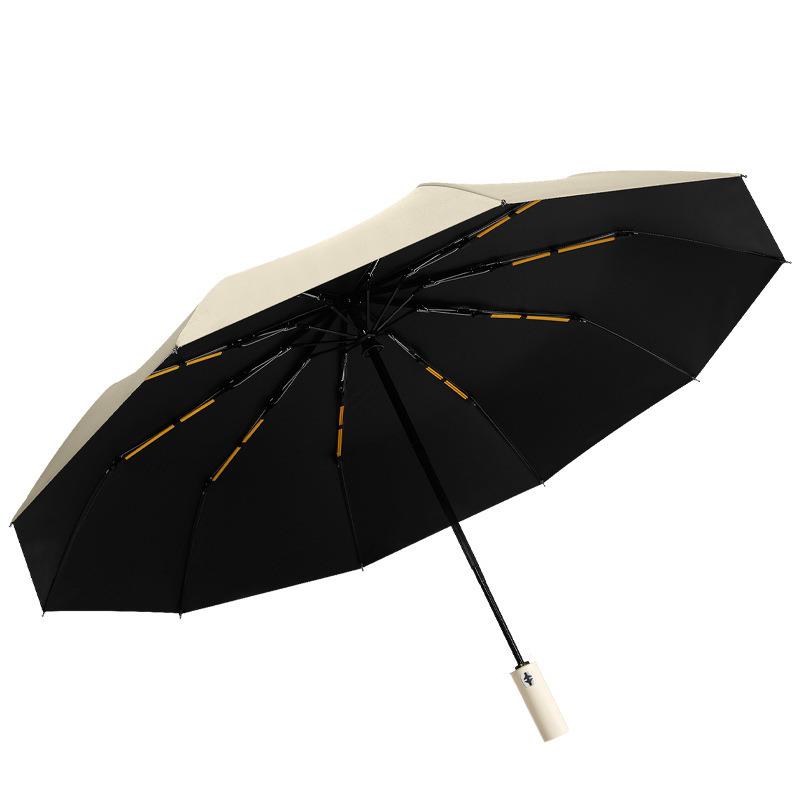
- 3-fold automatic umbrellas (daily carry)
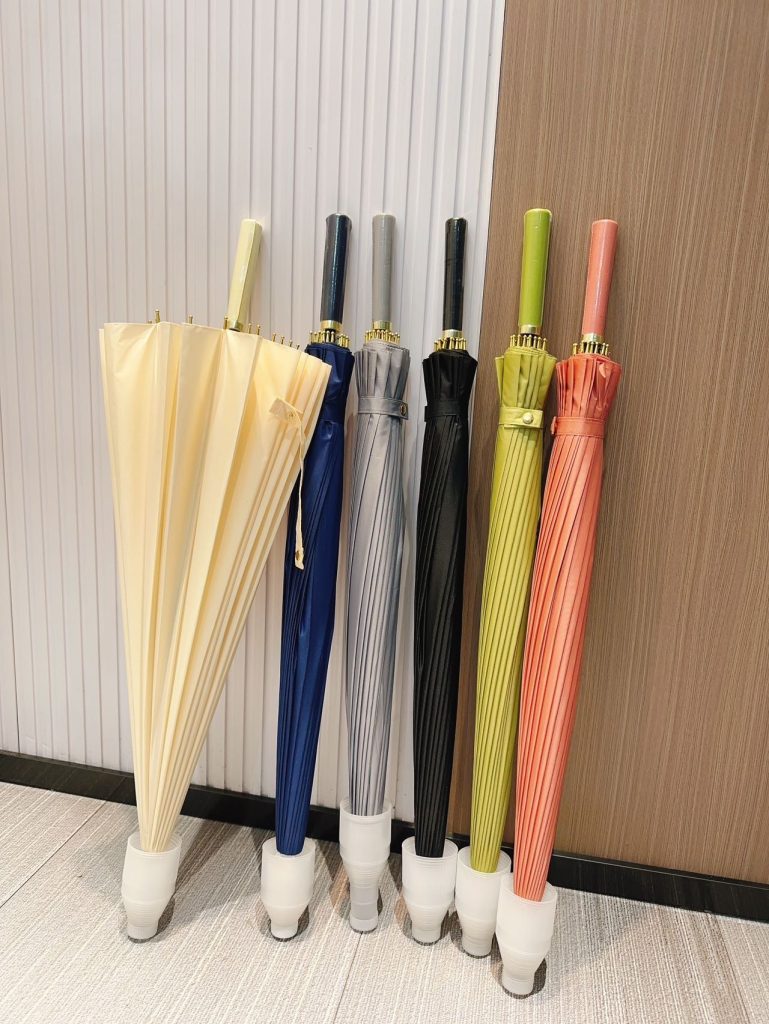
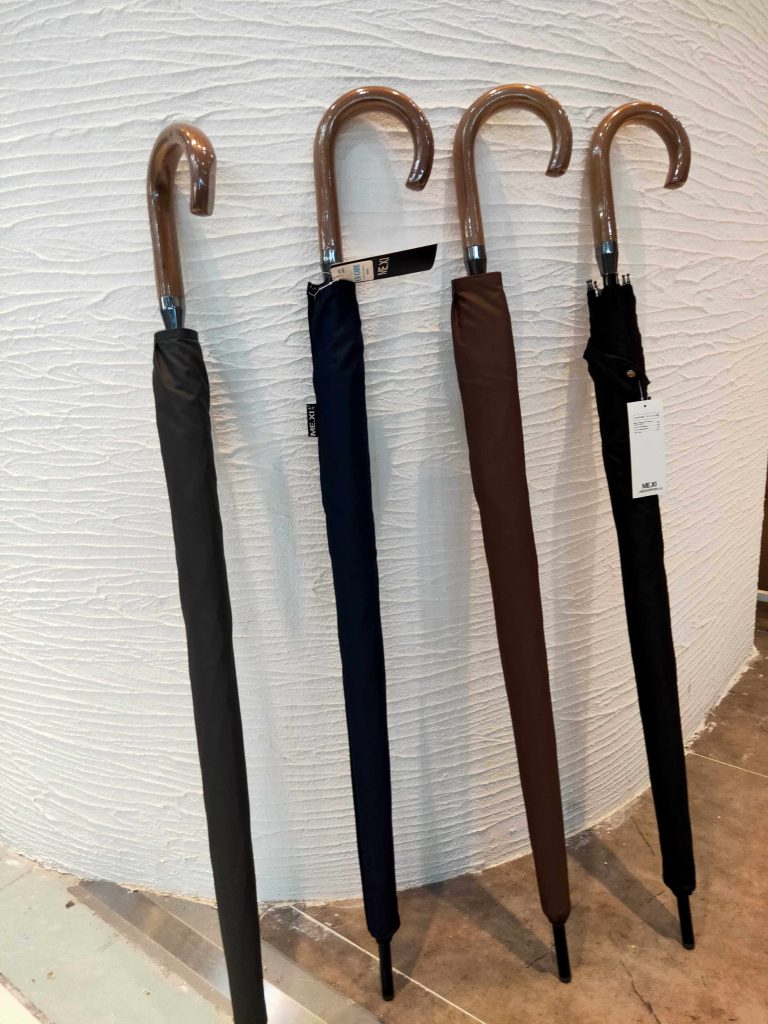
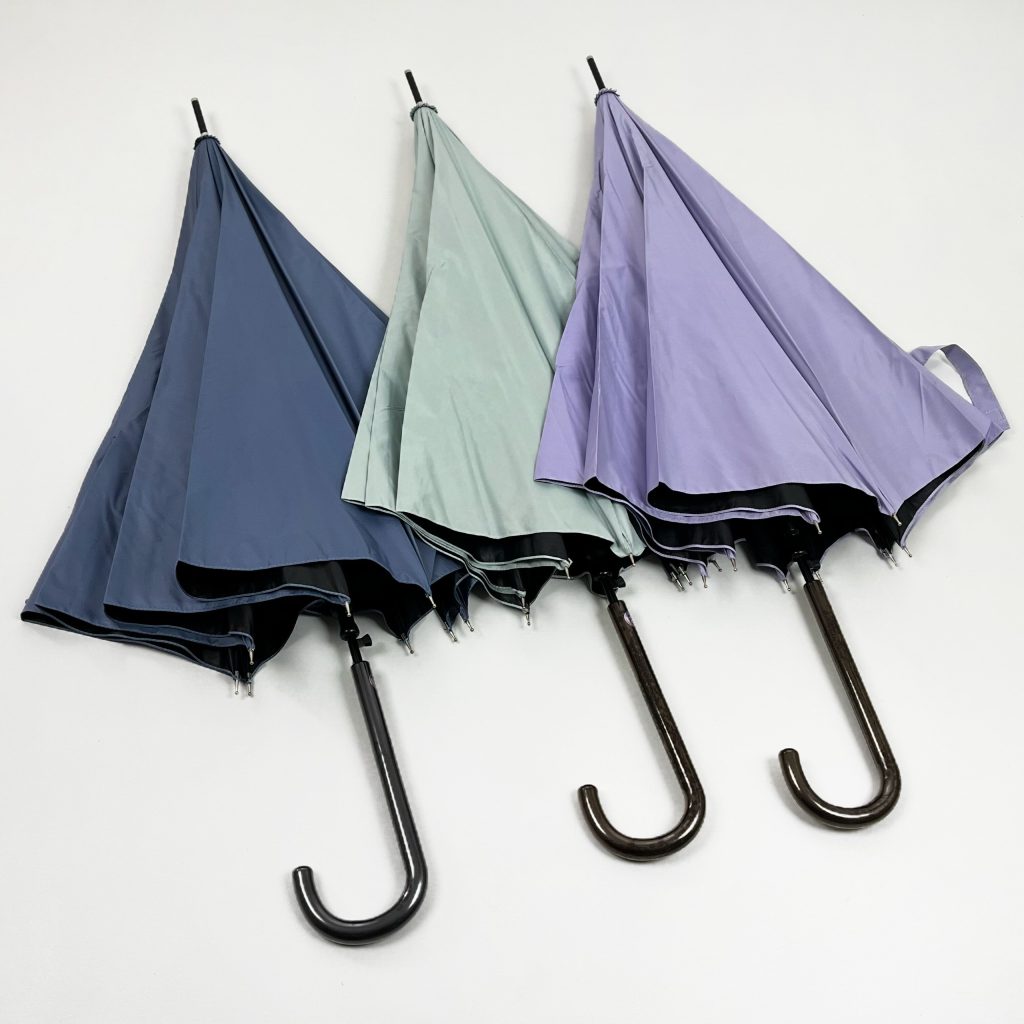
- Stick umbrellas (classic and premium)
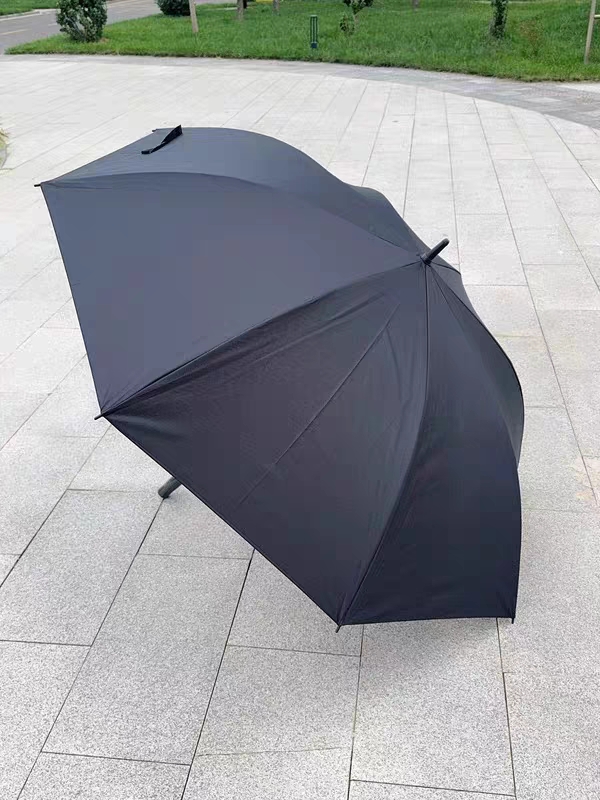
- Golf umbrellas (corporate and outdoor brands)
- UV umbrellas (lifestyle and fashion brands)
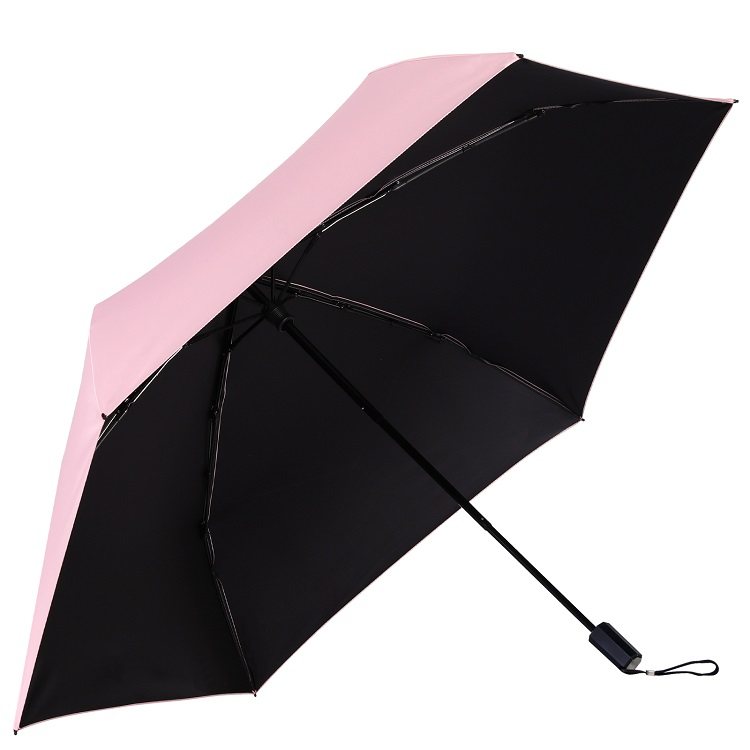
- Compact mini umbrellas (travel and urban brands)
- Promotional umbrellas (campaign-based branding)
Each category requires different frame geometry, rib strength, and fabric tension control.
Frame Engineering for Custom Brand Umbrellas
Shaft Material Selection
| Material | Mechanical Strength | Weight | Brand Positioning |
|---|---|---|---|
| Steel | Very High | Heavy | Budget & mass market |
| Aluminum Alloy | High | Light | Mid-range & premium |
| Fiberglass | Flexible | Light | Wind-resistant brands |
| Carbon Fiber | Extremely High | Ultra-light | High-end brands |
Most private label brands choose aluminum shafts combined with fiberglass ribs, offering an optimal balance between durability, weight, and perceived quality.
Rib Structure and Performance Parameters
Ribs determine how an umbrella behaves under stress.
Key technical specifications include:
- Rib count: 6 / 8 / 10 ribs
- Rib diameter: 3.0–5.5 mm
- Rib joint reinforcement material
- Elastic rebound performance
High-quality custom brand umbrellas are typically engineered to withstand wind speeds of 8–10 m/s without permanent rib deformation.
Canopy Fabric Technology and Brand Performance
Fabric choice directly impacts both visual identity and functional performance.
Common Fabrics for Custom Brand Umbrellas
| Fabric Type | Density | Waterproof Level | Color Stability |
|---|---|---|---|
| Polyester | 170–190T | Medium | Medium |
| Pongee | 190–210T | High | High |
| RPET Fabric | 190–210T | High | High |
| Acrylic | Heavy | Very High | Excellent |
Fabric Performance Indicators
- Hydrostatic pressure: ≥ 800 mm
- Water repellency: Grade 4–5
- UV protection: UPF 30–50+
- Color fastness: Level 4+
For brand consistency, professional manufacturers control fabric batch uniformity to avoid color deviation across repeat orders.
Printing and Branding Technologies
Brand presentation depends on precise printing methods.
Logo Application Methods
- Silk screen printing (cost-effective, durable)
- Digital printing (complex patterns)
- Heat transfer printing (full-color branding)
- Embroidery (premium positioning)
Each method affects durability, wash resistance, and long-term appearance, which must align with brand expectations.
Handle Design and Brand Differentiation
Handles are often underestimated but play a key role in brand perception.
Common Handle Materials
- ABS plastic (cost-efficient)
- Rubber-coated ABS (enhanced grip)
- EVA foam (comfort-focused)
- Wooden handles (premium aesthetic)
- Metal handles (luxury positioning)
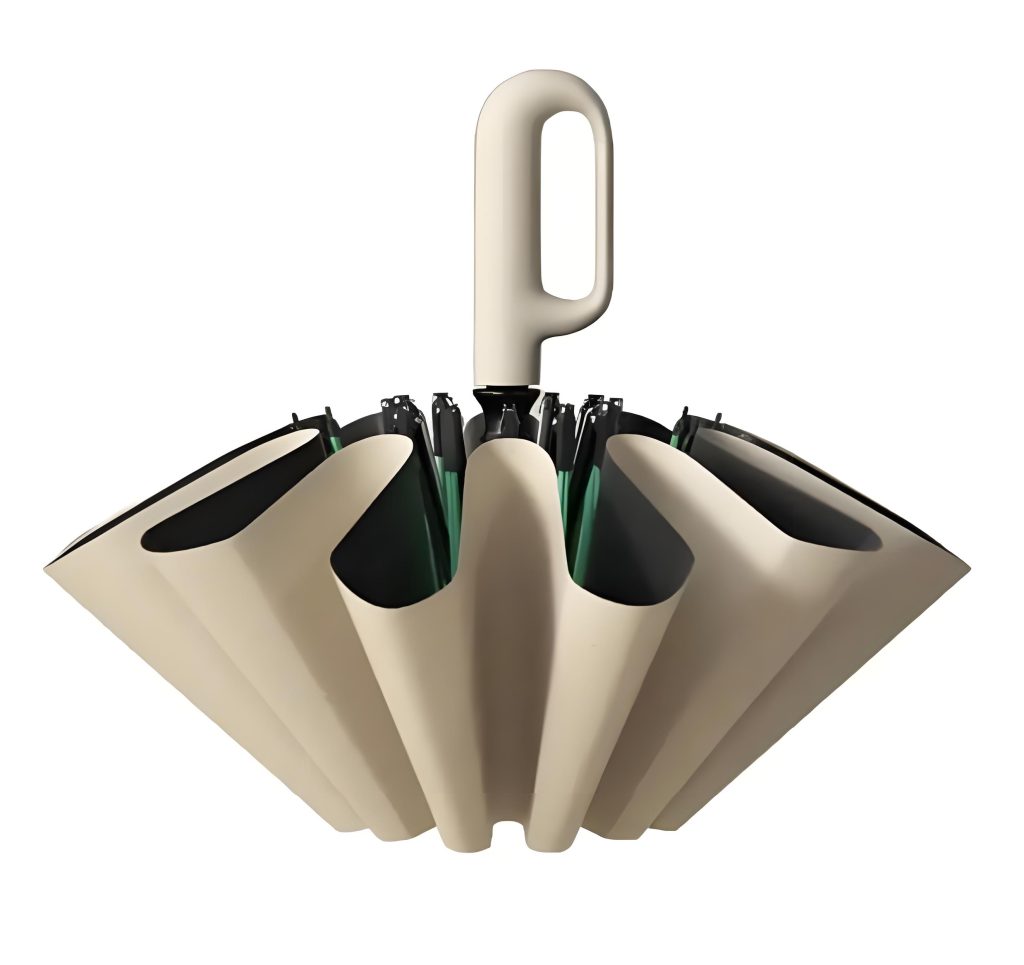
Custom molds allow brands to create unique handle shapes, strengthening product differentiation.
Custom Brand Umbrellas vs Generic Wholesale Umbrellas
| Aspect | Custom Brand Umbrellas | Generic Wholesale |
|---|---|---|
| Design Control | Full | Limited |
| Brand Identity | Strong | Weak |
| Repeatability | High | Variable |
| Long-Term Value | High | Low |
| Customer Loyalty | Strong | Limited |
Brands that invest in customization typically achieve higher perceived value and lower return rates.
Quality Control Standards for Private Label Production
Professional manufacturers implement brand-specific QC protocols.
Standard QC Process
- Incoming raw material inspection
- Frame tension and rib stress testing
- Opening/closing lifecycle test (≥ 3,000 cycles)
- Fabric waterproof and UV testing
- Logo adhesion and abrasion testing
- Final inspection based on AQL 2.5 / 4.0
These processes protect brand reputation across large-scale distribution.
Technical Specification Table (Custom Brand Example)
| Item | Specification |
|---|---|
| Product Type | 3-Fold Auto Open Umbrella |
| Open Diameter | 105 cm |
| Folded Length | 32 cm |
| Shaft Material | Aluminum Alloy |
| Rib Material | Fiberglass |
| Fabric | 210T Pongee |
| UV Protection | UPF 50+ |
| Weight | 420 g |
| Opening Cycles | ≥ 3,000 |
OEM and Private Label Development Workflow
A professional custom umbrella project typically follows these steps:
- Brand requirement analysis
- Structure and material selection
- Sample development and testing
- Logo and packaging confirmation
- Pilot production
- Mass production and inspection
Clear documentation ensures repeatability and long-term supply stability.
Compliance and Export Standards
Custom brand umbrellas for international markets often require:
- REACH compliance (EU)
- California Proposition 65
- Color fastness and azo dye testing
- Packaging and labeling compliance
Experienced manufacturers assist brands with testing coordination and documentation support.
E-E-A-T: Building Trust in Custom Brand Umbrella Manufacturing
Experience
Years of collaboration with international brands across retail, promotional, and lifestyle sectors.
Expertise
In-depth knowledge of umbrella engineering, materials, and customization techniques.
Authoritativeness
Stable export history and long-term OEM partnerships.
Trustworthiness
Transparent specifications, consistent quality, and dependable delivery schedules.
FAQ: Custom Brand Umbrella Manufacturing
Q1: What is the typical MOQ for custom brand umbrellas?
Most private label projects start from 300–1,000 units, depending on customization depth.
Q2: Can colors match exact brand guidelines?
Yes. Pantone color matching is standard for professional OEM production.
Q3: How durable are printed logos?
High-quality screen and heat transfer printing withstand repeated use and exposure.
Q4: How long does custom umbrella production take?
Usually 30–45 days after sample approval.
Q5: Can the same design be reordered consistently?
Yes. Technical specifications and BOM records ensure repeatability.
Conclusion: Custom Brand Umbrellas as a Long-Term Brand Asset
Custom brand umbrellas are not promotional giveaways—they are engineered brand assets. When developed with the right manufacturing partner, they deliver consistent performance, reinforce brand identity, and create lasting value across global markets.
For brands seeking reliability, differentiation, and scalable supply, working with an experienced custom umbrella manufacturer ensures quality, consistency, and trust—the foundations of long-term success.


No reply content