
📦 Professional Clothing Manufacturing Solutions for Growing Apparel Businesses
Launching or expanding a clothing brand requires more than creative design ideas. Brands must work with a custom bulk clothing production partner capable of delivering consistent quality, scalable manufacturing, and reliable delivery timelines.👕 Custom clothing design and development
🧵 High-quality fabric and stitching standards
📦 Bulk apparel manufacturing for global markets
🏷 Private label clothing production
🌍 Flexible solutions for fashion startups and clothing wholesalersWhether you are building a startup clothing brand, managing a fashion label, or sourcing large quantities of garments for distribution, a professional clothing manufacturing solution provides the structure necessary for long-term business growth.
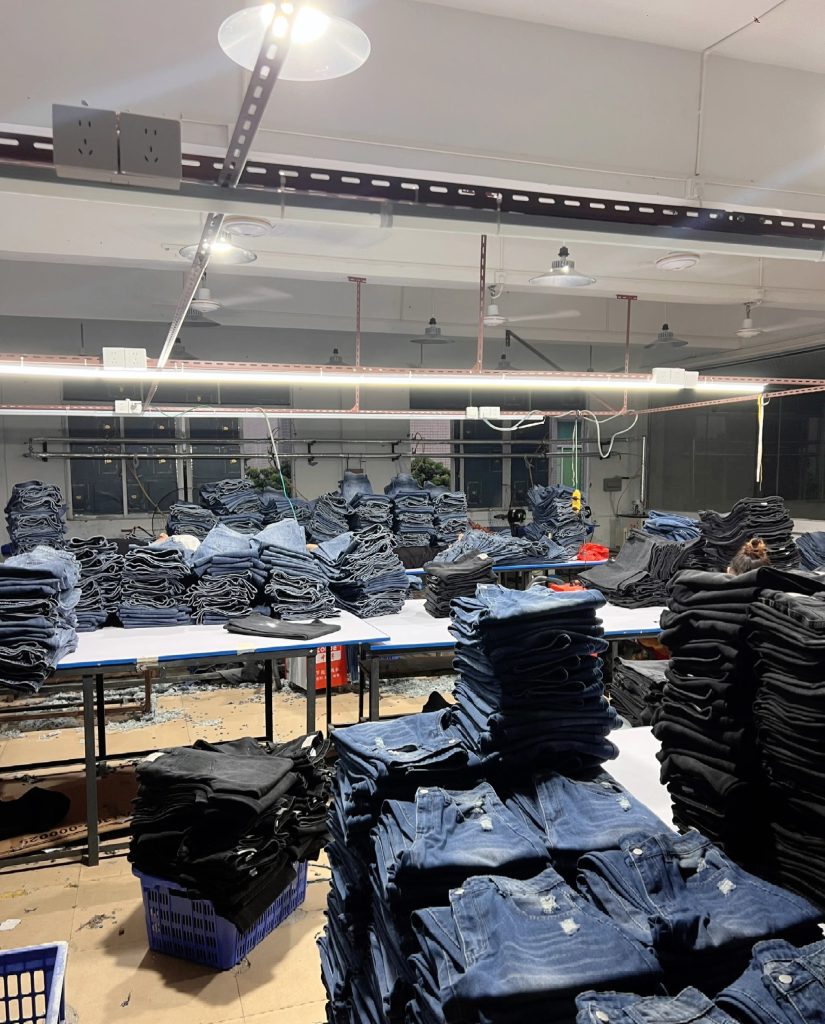
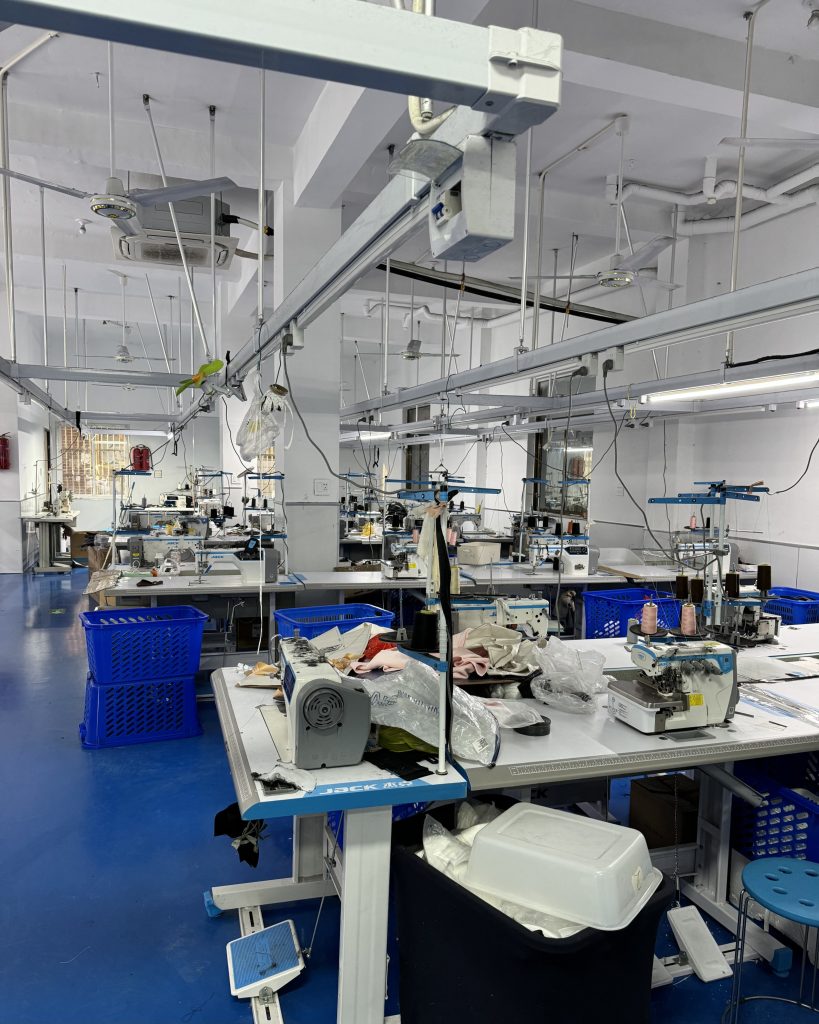
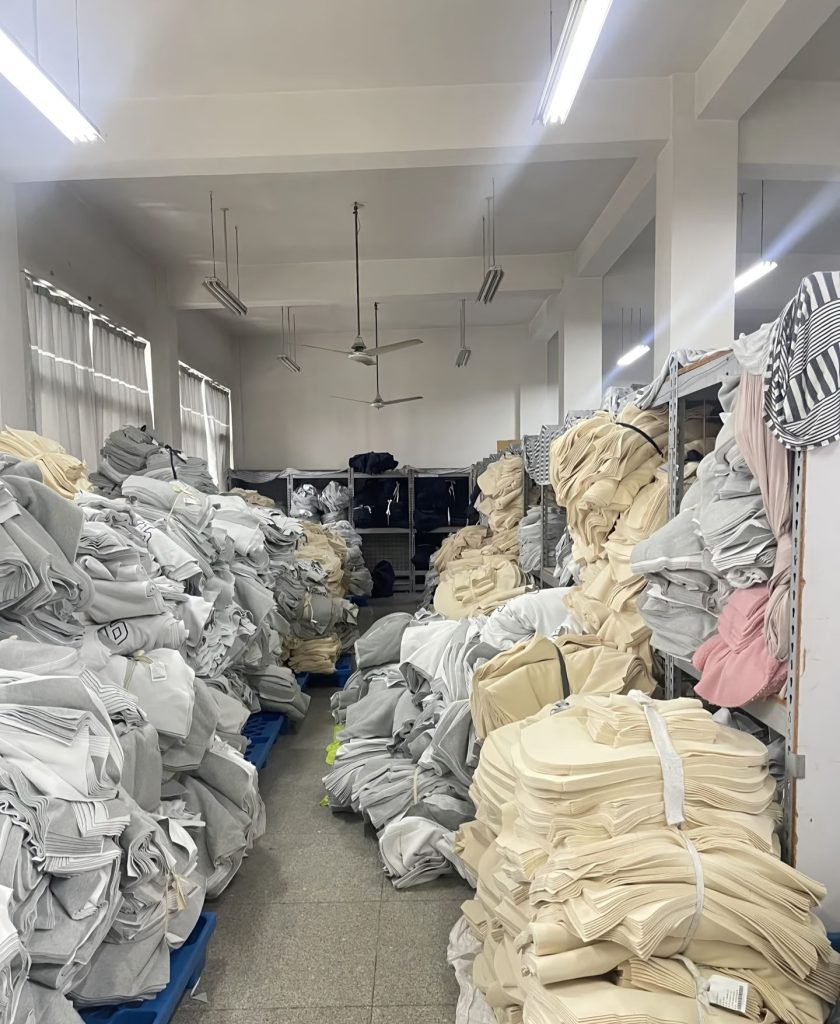
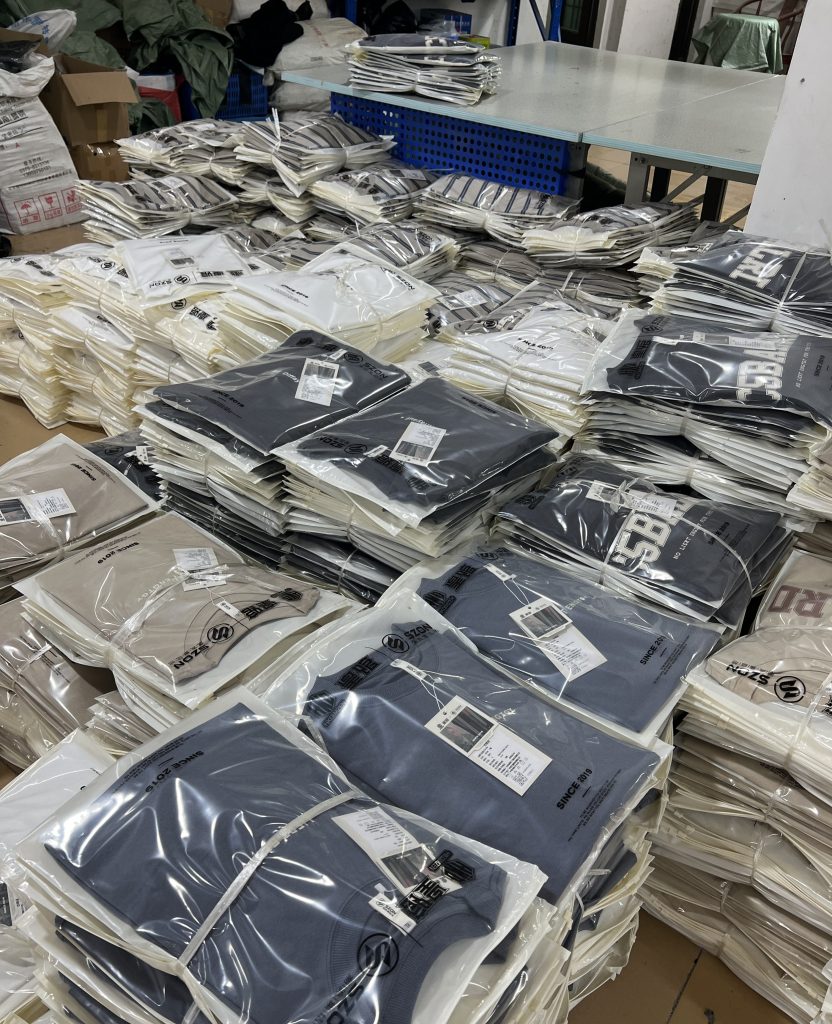
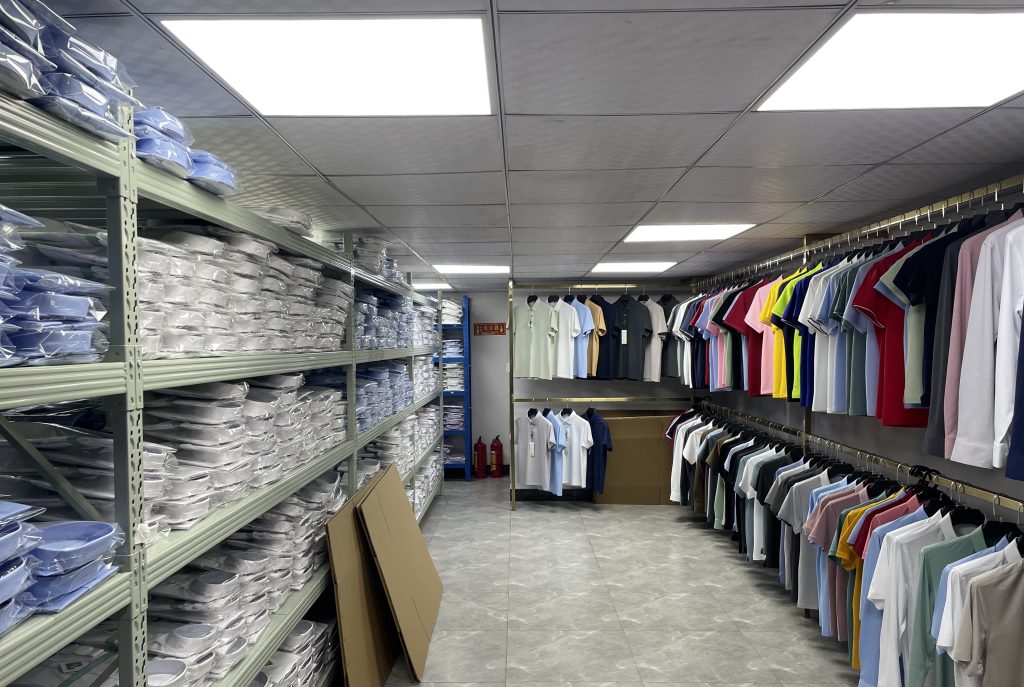
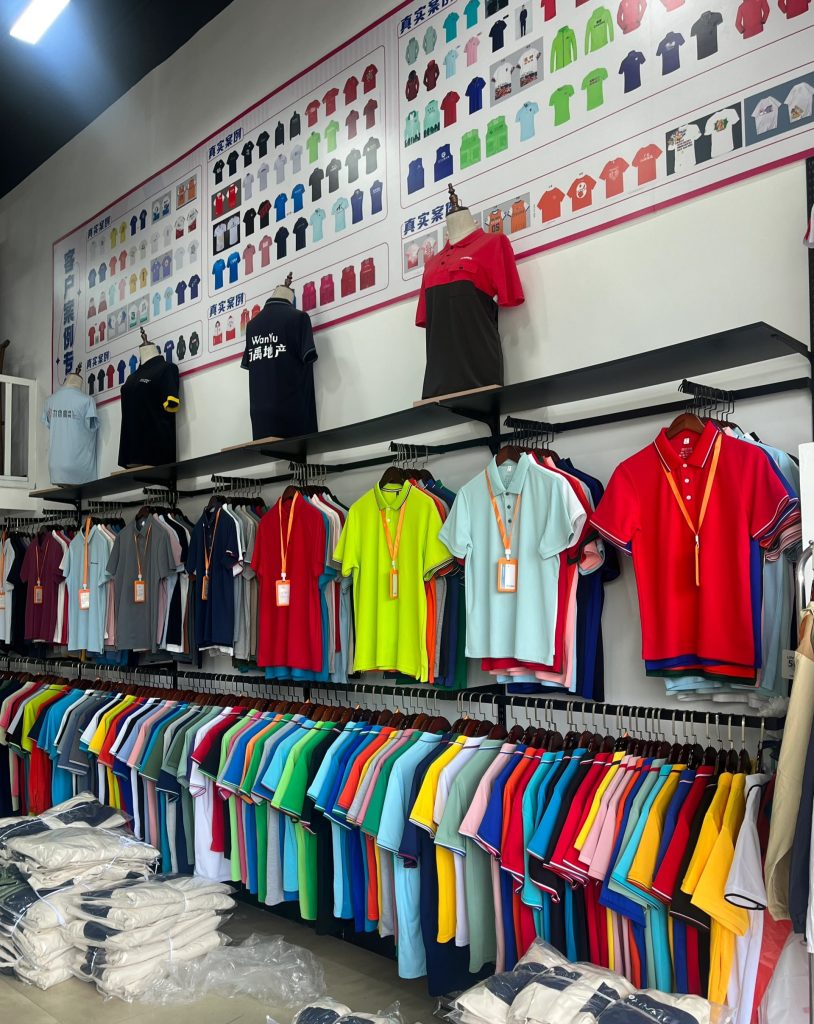
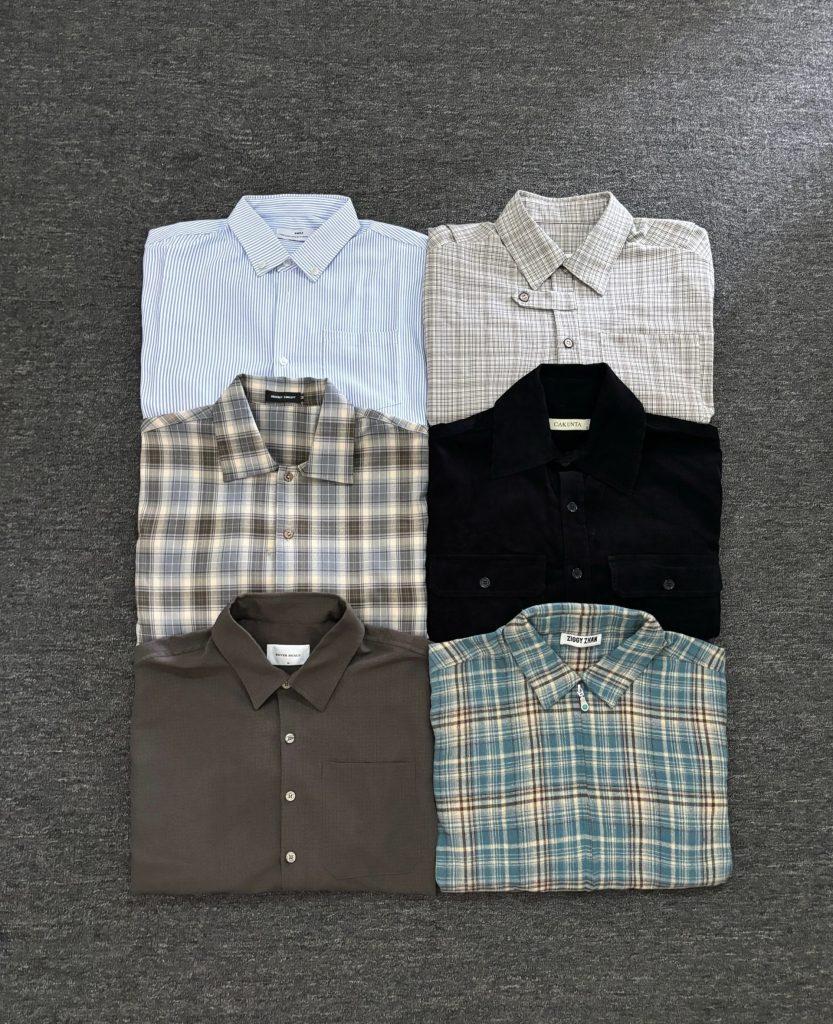
👕 The Rising Demand for Custom Clothing Manufacturing
The global apparel market continues to grow as fashion trends evolve and consumer expectations increase. Modern clothing brands no longer rely solely on generic garments. Instead, they seek custom clothing production that reflects their identity and market positioning.
Today’s successful clothing businesses focus on several key factors:
🎨 unique product design
📏 consistent sizing systems
🧵 durable stitching and garment construction
👕 premium fabric selection
📦 efficient bulk production
Custom apparel manufacturing enables brands to maintain control over product appearance, quality, and brand presentation.
This approach is especially important for companies aiming to build recognizable fashion labels in competitive markets.
🧵 Why Clothing Brands Choose Custom Manufacturing
Working with a custom clothing manufacturer offers several advantages compared to purchasing ready-made garments.
The most important benefits include:
🏷 stronger brand identity
👕 exclusive garment designs
📦 scalable production capacity
📏 consistent product quality
🌍 international distribution readiness
By producing clothing based on original specifications, brands can develop unique collections that differentiate them from competitors.
👗 Key Clothing Products Manufactured for Fashion Businesses
Professional garment manufacturers produce a wide range of clothing categories. Each product type serves a different market segment and consumer demand.
👕 Casual Everyday Apparel
Casual clothing is one of the most popular apparel segments worldwide. These garments are comfortable, versatile, and suitable for daily wear.
Common casual clothing items include:
👕 t-shirts
🧥 hoodies
👖 joggers
👚 casual tops
These products are widely sold through retail stores, online fashion brands, and wholesale distributors.
🏋 Activewear and Performance Clothing
Activewear has become a rapidly expanding market segment as people adopt healthier lifestyles.
Performance clothing is designed to provide flexibility, breathability, and durability.
Typical products include:
🏃 training shirts
🧘 yoga apparel
🚴 athletic jerseys
🏋 workout shorts
Manufacturing performance apparel requires fabrics that support movement and moisture management.
👗 Fashion Collection Garments
Fashion brands often produce seasonal collections that reflect new styles and design concepts.
These garments typically emphasize aesthetics and brand identity.
Examples include:
👗 dresses
👚 blouses
🧥 jackets
👖 fashion denim
Fashion collections often require advanced garment construction and attention to design details.
👶 Children’s Apparel
Children’s clothing remains a stable market due to constant demand.
These garments prioritize comfort, safety, and durability.
Examples include:
👶 baby clothing
🧸 toddler outfits
👕 kids everyday wear
Manufacturers ensure children’s garments use soft materials and strong stitching for long-lasting use.
✂ How Professional Clothing Production Works
Manufacturing garments involves several coordinated stages that transform clothing ideas into finished products.
✏ Product Design and Planning
Every clothing product begins with a design concept.
During this stage:
📐 garment sketches are created
🎨 color combinations are selected
📏 measurement standards are defined
A clear design blueprint ensures that the manufacturing process runs efficiently.
🧵 Fabric and Material Selection
Fabric choice significantly influences garment quality and comfort.
Manufacturers typically work with a variety of materials including:
🌿 natural fabrics
🧶 blended textiles
🌱 breathable materials
🧵 stretch fabrics
Selecting the right fabric ensures garments perform well in different climates and activities.
📏 Pattern Making and Sizing
Pattern making converts garment designs into templates used for fabric cutting.
Accurate patterns ensure:
📐 correct garment shape
📏 consistent sizing
🧵 efficient material use
Professional pattern development reduces production errors and improves overall quality.
🪡 Sewing and Garment Assembly
After cutting fabric pieces, sewing teams assemble the garments.
This process includes:
🧵 stitching garment panels
👕 attaching sleeves and collars
🏷 adding labels and branding
📦 preparing garments for finishing
Experienced technicians ensure garments meet durability and appearance standards.
🔍 Quality Control and Inspection
Quality inspection is essential in clothing manufacturing.
Inspection teams verify:
✔ stitching quality
✔ correct sizing
✔ fabric consistency
✔ overall garment appearance
Strong quality control ensures customers receive reliable products.
🏷 Private Label Clothing for Brand Development
Private label clothing manufacturing enables businesses to sell garments under their own brand name.
This approach helps companies create recognizable fashion identities.
Private label services often include:
🏷 woven brand labels
👕 printed logos
📦 custom packaging
📏 branded size tags
Private label production allows fashion businesses to build customer loyalty and long-term brand recognition.
📦 Advantages of Bulk Clothing Production
Bulk manufacturing provides significant benefits for clothing businesses planning to scale operations.
💰 Lower Production Costs
Producing garments in larger quantities reduces manufacturing costs per unit.
Lower costs allow brands to maintain competitive pricing in the market.
📈 Scalable Supply Capacity
As fashion brands grow, demand for clothing increases.
Bulk production ensures businesses can meet large order volumes.
🚀 Faster Market Expansion
Reliable clothing manufacturing allows brands to launch new collections quickly.
This flexibility supports business growth across multiple sales channels.
🌱 Sustainable Clothing Production Trends
Sustainability is becoming increasingly important in the apparel industry.
Consumers today are paying closer attention to how clothing is produced.
Manufacturers are responding by adopting more responsible production practices such as:
🌱 efficient fabric usage
♻ reducing material waste
📦 responsible packaging
🧵 longer-lasting garment construction
Sustainable manufacturing not only benefits the environment but also strengthens brand reputation.
🌍 Global Opportunities for Clothing Businesses
Clothing remains one of the most widely traded consumer products in the world.
As e-commerce and international retail continue expanding, apparel brands have access to larger markets than ever before.
Opportunities include:
🌍 global online clothing sales
👕 niche fashion brands
📦 wholesale garment distribution
🧵 customized apparel collections
A strong manufacturing partner enables clothing businesses to take advantage of these global opportunities.
📩 Partnering with a Professional Clothing Manufacturer
Successful clothing brands rely on consistent product quality and reliable supply chains.
Professional garment manufacturing helps businesses:
👕 develop new clothing products
📦 produce large quantities efficiently
🏷 establish strong brand identity
🌍 reach international customers
With the right manufacturing strategy, fashion brands can focus on design innovation, marketing, and customer relationships.
Reliable apparel production becomes the foundation for long-term success in the clothing industry.
❓ FAQ – Clothing Manufacturing and Custom Apparel Production
1. What is custom bulk clothing production?
Custom bulk clothing production refers to manufacturing garments in large quantities based on specific design, fabric, and branding requirements provided by a clothing brand.
2. What types of clothing can be manufactured?
Manufacturers can produce various apparel types including casual wear, activewear, fashion collections, and children’s clothing.
3. Why do fashion brands prefer private label clothing?
Private label clothing allows brands to sell garments under their own name, helping them build unique brand identity and customer loyalty.
4. What factors influence clothing manufacturing quality?
Important factors include fabric selection, pattern accuracy, stitching quality, and professional quality inspection during production.
5. How can startups benefit from bulk clothing manufacturing?
Bulk production helps startups reduce production costs, maintain consistent product quality, and scale their clothing business efficiently.
6. What should businesses look for in a clothing manufacturer?
Businesses should consider manufacturing experience, customization capability, quality standards, and production reliability when selecting a clothing partner.


No reply content