
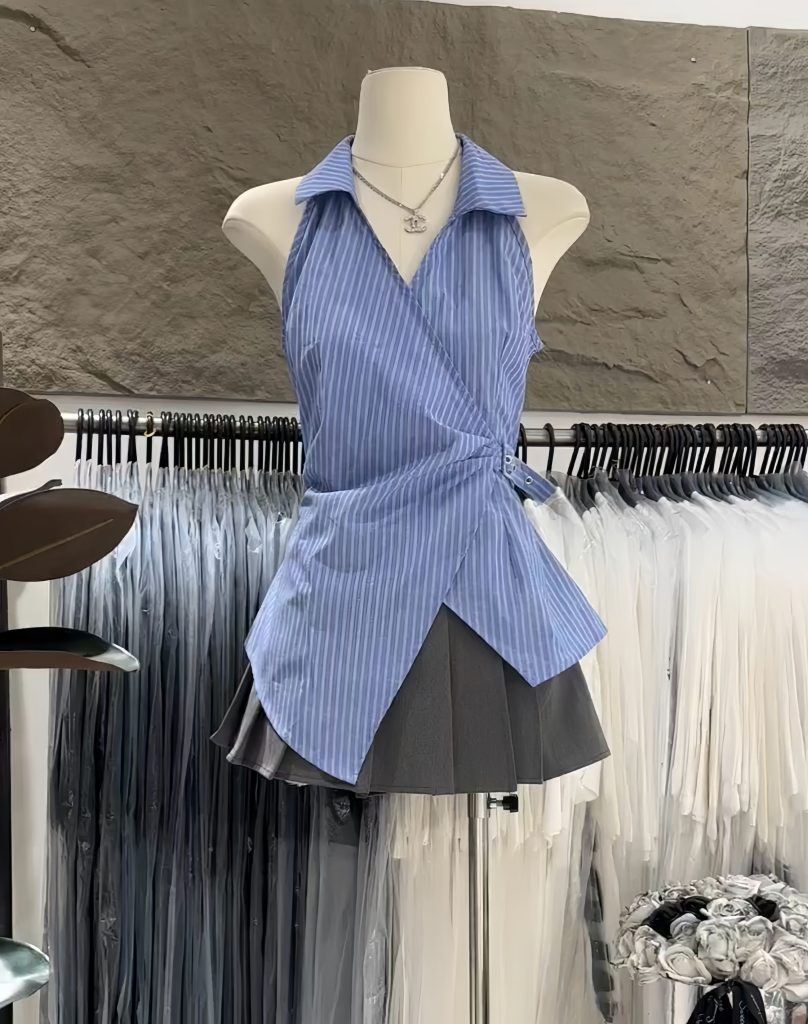
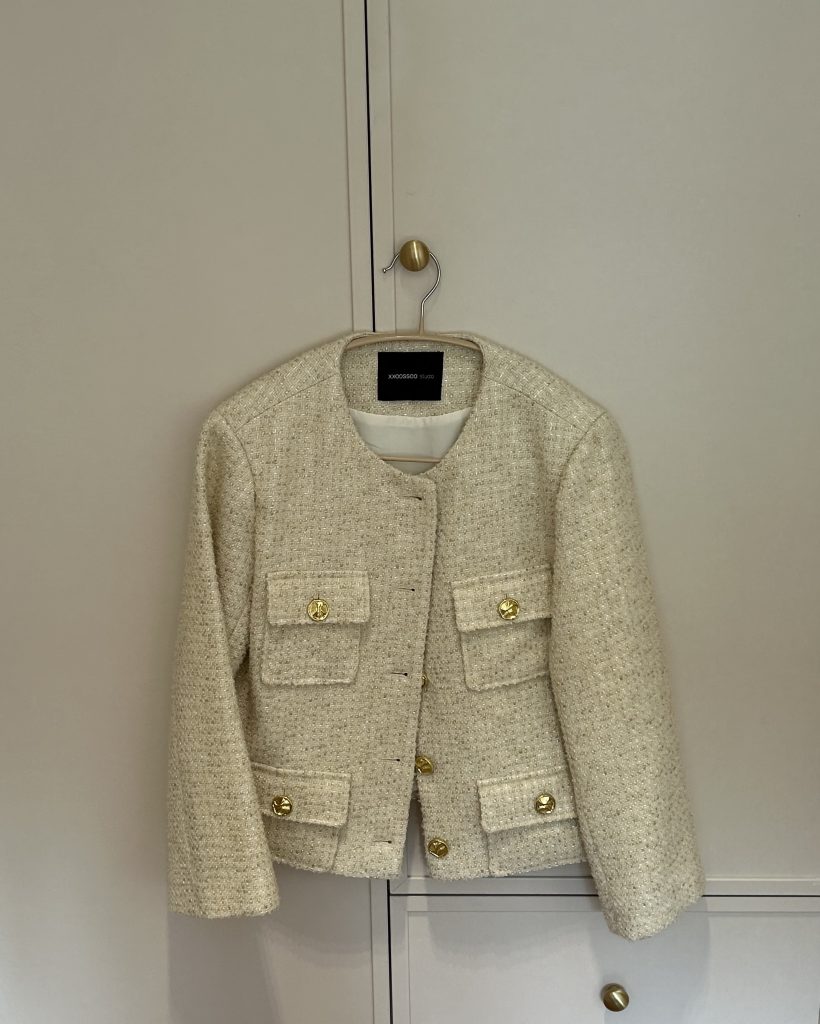
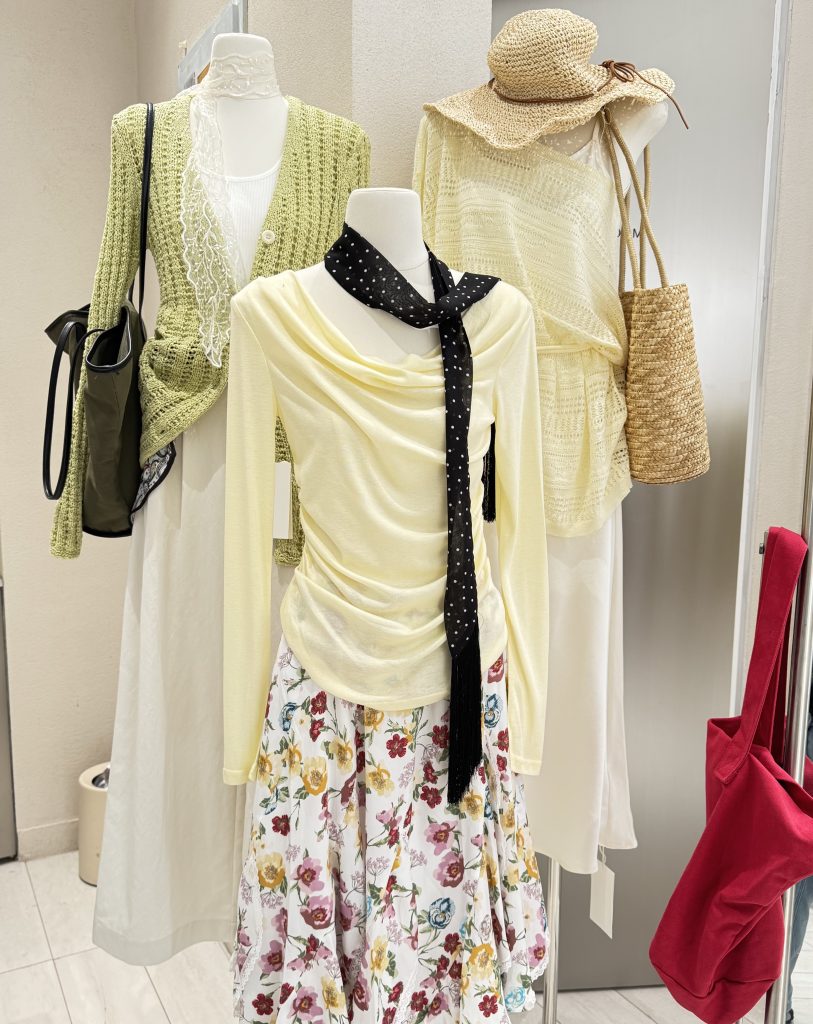
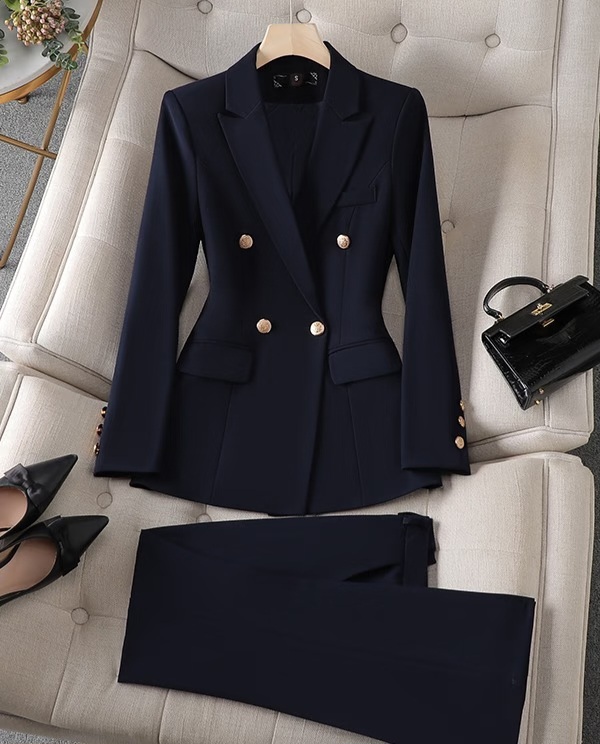
📦 Custom Clothing Production for Modern Fashion Businesses
Launching a clothing brand requires more than creative ideas. Reliable clothing manufacturing, flexible customization, and consistent quality are essential for building a successful apparel business. Custom clothing production allows brands to design unique garments, control their identity, and scale production efficiently.👕 Custom apparel design and development
🧵 Bulk garment manufacturing services
🏷 Private label branding solutions
📦 Wholesale clothing production
🌍 Global apparel supply capabilitiesFor fashion startups, retailers, and distributors, working with a professional clothing manufacturer creates the foundation for long-term success in the competitive apparel industry.
👕 The Growing Demand for Custom Clothing Manufacturing
The clothing industry continues to expand as more entrepreneurs launch fashion brands and online apparel stores. Unlike traditional clothing retail models, modern fashion businesses often focus on custom clothing manufacturing.
This approach allows brands to control every detail of their garments.
📈 unique product designs
🎨 stronger brand identity
🏷 custom labels and tags
📦 flexible production quantities
🌍 global distribution opportunities
Instead of selling generic products, fashion companies can develop exclusive clothing collections that reflect their brand personality.
For startups especially, custom clothing manufacturing offers a strategic way to enter the fashion market.
🧥 What Is Custom Clothing Production?
Custom clothing production refers to the process of manufacturing garments according to a brand’s own design, measurements, and specifications.
Unlike standard clothing production, custom manufacturing allows businesses to define details such as:
👕 garment style and structure
🧵 fabric materials
📏 size specifications
🏷 brand labels and logos
📦 packaging design
Through this process, clothing brands can produce unique apparel collections tailored to their target market.
Custom production is widely used by:
🛍 online clothing stores
👕 fashion startups
🏷 streetwear brands
👗 boutique fashion labels
📦 apparel wholesalers
👚 Popular Types of Custom Apparel Products
Custom clothing manufacturing supports many categories of garments. Each category requires different design approaches and production techniques.
👕 Custom T-Shirts
T-shirts remain one of the most popular clothing products worldwide.
Reasons why brands focus on custom t-shirts:
👕 simple and versatile design
🎨 easy graphic customization
📦 suitable for bulk production
🛍 high consumer demand
Custom t-shirts are widely used for fashion brands, promotional clothing, and retail collections.
🧥 Hoodies and Sweatshirts
Hoodies are a key product in modern casual fashion.
These garments offer comfort, warmth, and stylish design possibilities.
Common hoodie features include:
🧵 thick cotton fabrics
🧥 adjustable hood designs
🏷 custom embroidery logos
👕 oversized fashion styles
Hoodies are particularly popular among youth fashion brands and streetwear labels.
👖 Custom Pants and Bottom Wear
Bottom wear products are essential for complete clothing collections.
Custom pants may include:
👖 casual trousers
🩳 shorts
🏃 sports pants
👖 denim jeans
Brands often focus on comfortable fit and durable fabrics for these garments.
👗 Fashion Dresses and Boutique Apparel
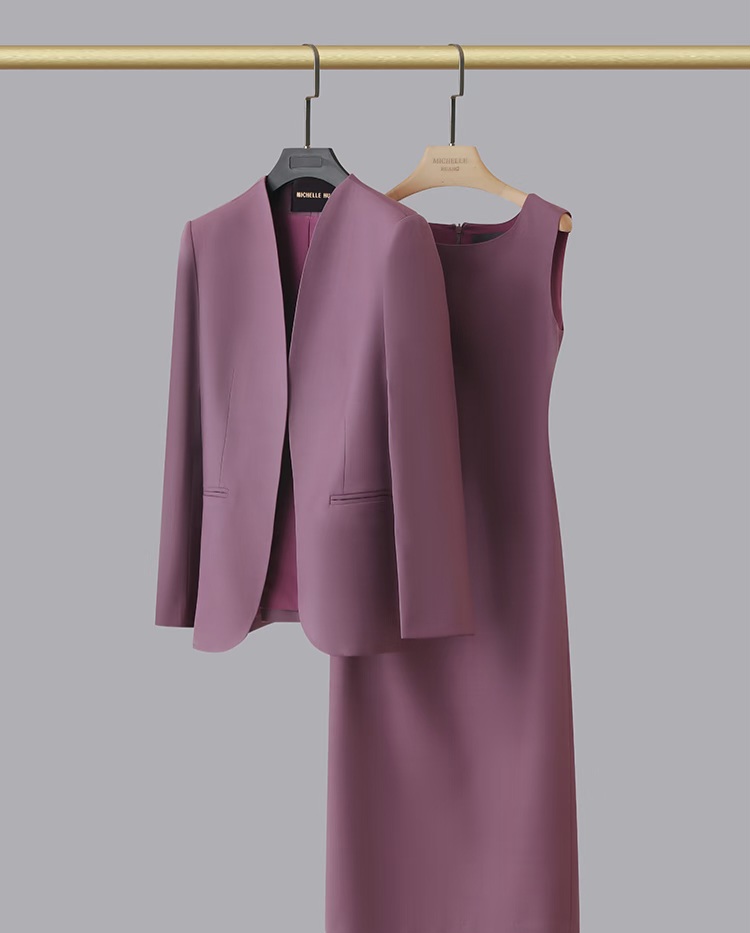
Fashion brands targeting premium markets often develop unique dress collections.
These garments focus on design details and visual appeal.
Common styles include:
👗 casual dresses
👗 evening dresses
👗 summer dresses
👗 fashion statement pieces
Boutique apparel brands frequently rely on custom clothing manufacturing to maintain originality.
✂ Key Steps in the Clothing Production Process
Producing high-quality garments requires a structured manufacturing process. Each stage ensures the final product meets design and quality standards.
✏ Apparel Design and Concept Development
The first step in clothing production is the development of a design concept.
Design teams consider:
🎨 fashion trends
👕 target audience preferences
📏 garment functionality
🏷 brand style identity
Design sketches and technical drawings help communicate the garment structure to production teams.
🧵 Fabric Selection and Textile Preparation
Fabric selection plays a major role in garment quality.
Different clothing products require different textile characteristics.
Examples include:
🌿 breathable fabrics
🧶 soft cotton materials
🧵 stretch performance textiles
🌱 lightweight summer fabrics
Selecting the right materials ensures comfort, durability, and visual appeal.
📐 Pattern Development and Sample Creation
Pattern making converts design concepts into technical templates used during garment production.
This step ensures:
📏 accurate garment sizing
👕 consistent product fit
🧵 efficient fabric cutting
A sample garment is usually produced before large-scale manufacturing begins. The sample allows brands to review the design and make adjustments.
🪡 Garment Sewing and Assembly
During production, fabric pieces are assembled using professional sewing techniques.
Key production steps include:
🧵 stitching garment panels
👕 attaching sleeves and collars
🏷 installing brand labels
🪡 reinforcing stress areas
High-quality stitching ensures that garments remain durable during regular use.
🔍 Quality Inspection
Quality control ensures garments meet production standards before shipping.
Inspection teams evaluate:
✔ garment measurements
✔ fabric condition
✔ stitching accuracy
✔ overall appearance
Strict quality inspection helps maintain brand reputation and customer satisfaction.
📦 Clothing Packaging and Delivery
Once production is complete, garments are prepared for packaging and shipment.
Common packaging solutions include:
📦 folded clothing packaging
🏷 branded tags and labels
📦 protective shipping cartons
Professional packaging protects garments and enhances brand presentation.
🏷 Advantages of Custom Clothing Manufacturing
Custom apparel production offers many strategic advantages for clothing businesses.
🎨 Stronger Brand Identity
Custom clothing allows brands to develop unique product styles that represent their brand image.
Branded labels, unique cuts, and customized packaging all strengthen brand recognition.
📈 Flexible Production Capacity
Clothing manufacturers can scale production depending on demand.
This flexibility allows brands to expand their product lines without investing in factory equipment.
💰 Cost Efficiency for Bulk Orders
Bulk clothing manufacturing reduces the cost per unit.
This improves profit margins and allows brands to remain competitive in the fashion market.
🌍 Global Opportunities for Clothing Brands
The growth of e-commerce has created new opportunities for clothing businesses worldwide.
Fashion brands can now sell products across international markets through digital platforms and retail networks.
Major opportunities include:
🌍 international fashion retail
🛍 online clothing stores
📦 apparel wholesale distribution
👕 niche fashion brands
Companies that combine creative design with reliable manufacturing can build strong global clothing businesses.
🧵 Sustainable Apparel Manufacturing
Sustainability has become increasingly important in the fashion industry.
Modern clothing production often focuses on reducing environmental impact while maintaining product quality.
Common sustainable practices include:
♻ efficient fabric usage
🌱 environmentally conscious materials
📦 recyclable packaging
🧵 durable garment construction
These practices support responsible fashion production and long-term brand credibility.
📩 Choosing a Professional Clothing Manufacturer
Selecting the right manufacturing partner is one of the most important decisions for clothing brands.
Important considerations include:
🧵 garment production experience
📦 manufacturing capacity
🔍 quality control systems
🏷 customization capabilities
📈 production scalability
A reliable clothing manufacturer ensures consistent product quality and dependable supply.
👕 Building a Successful Apparel Brand
Successful clothing brands combine creative design, strong branding, and reliable manufacturing processes.
Businesses that focus on product quality and efficient production systems can build long-term growth in the fashion industry.
Key factors for success include:
👕 innovative clothing design
🧵 high manufacturing standards
🏷 strong brand identity
🌍 global market expansion
With the right strategy and manufacturing support, clothing brands can compete successfully in the international apparel market.
❓ FAQ – Custom Clothing Manufacturing
1. What is custom clothing manufacturing?
Custom clothing manufacturing is the process of producing garments according to a brand’s unique design, materials, and specifications.
2. What types of clothing can be customized?
Many apparel products can be customized, including t-shirts, hoodies, dresses, sportswear, and casual clothing.
3. Why do fashion brands choose custom clothing production?
Custom production allows brands to create unique apparel, control product quality, and build a recognizable fashion identity.
4. How long does clothing manufacturing usually take?
Production time depends on design complexity, fabric preparation, and order quantity. Sampling and mass production stages are usually required.
5. Can startups launch clothing brands with custom manufacturing?
Yes. Custom clothing manufacturing allows startups to create their own apparel collections without owning a production factory.
6. What should businesses consider when choosing a clothing manufacturer?
Businesses should evaluate garment quality, production capacity, customization capabilities, and manufacturing reliability.


No reply content