
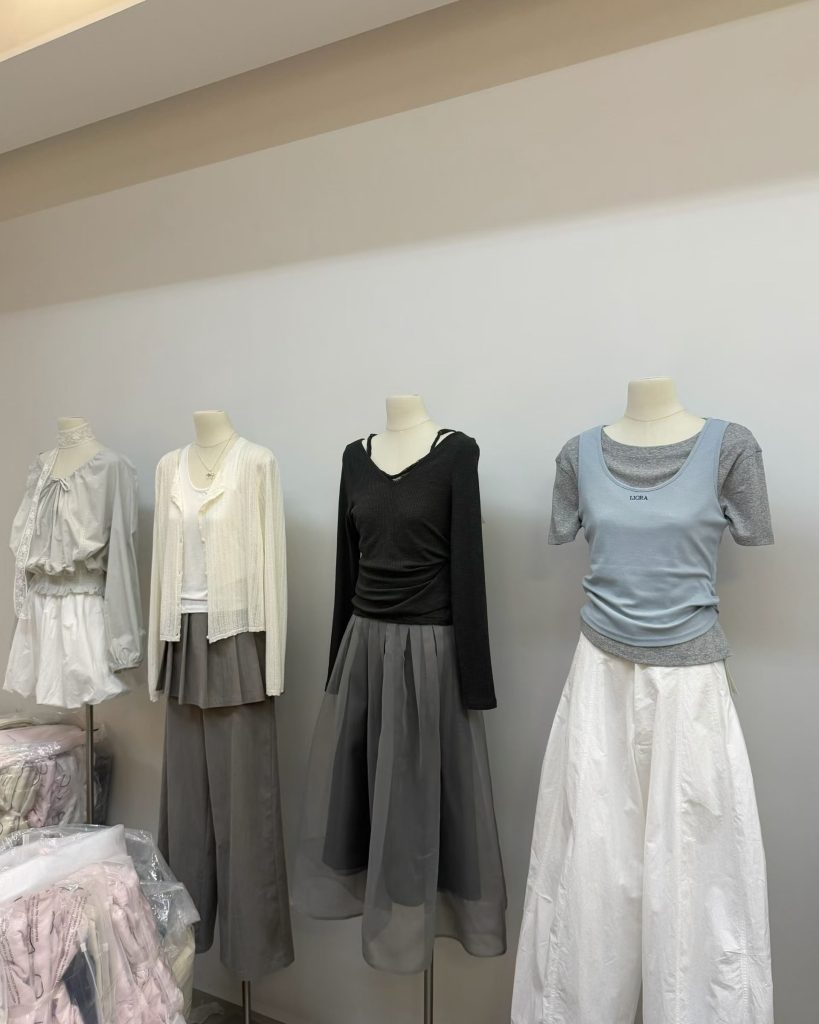
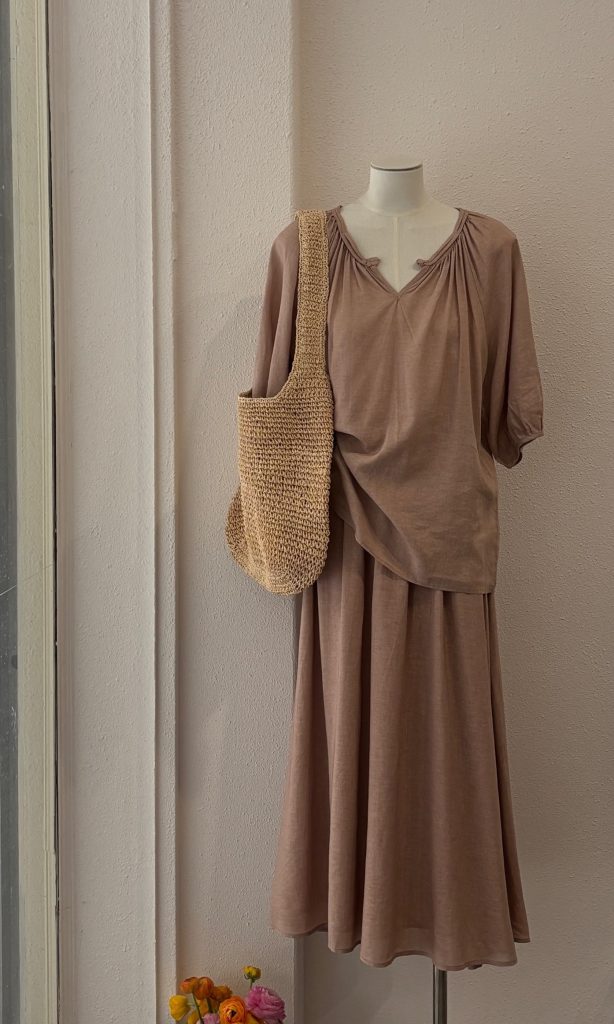
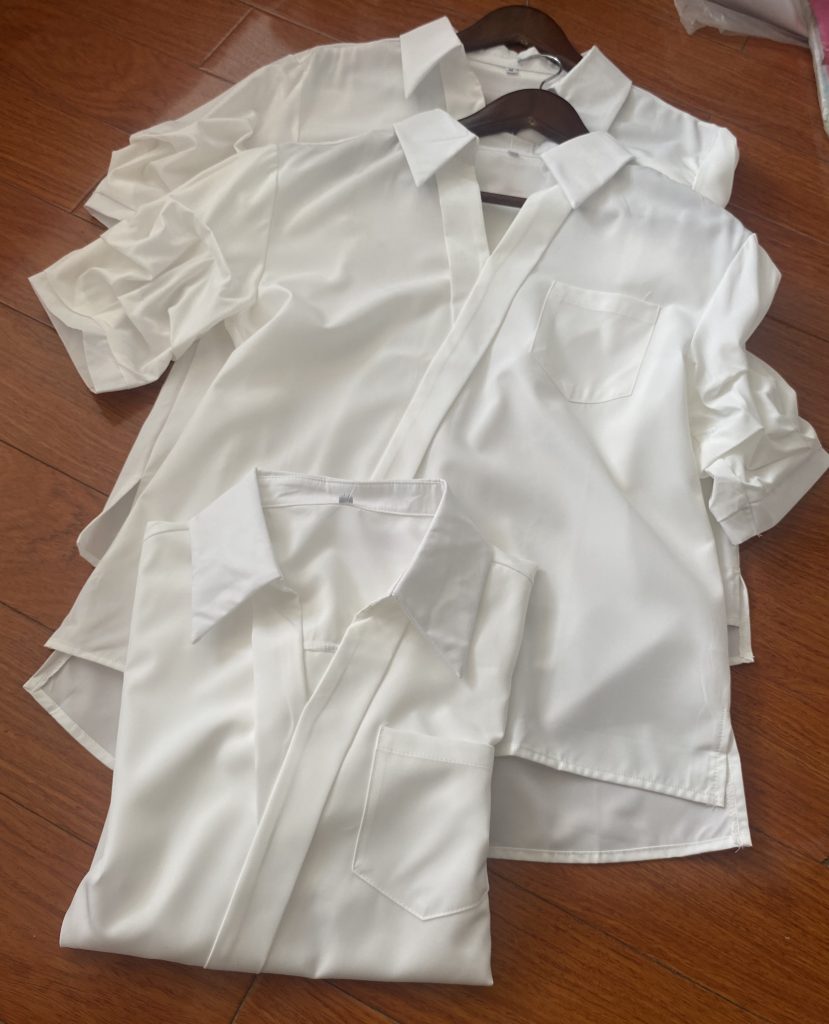
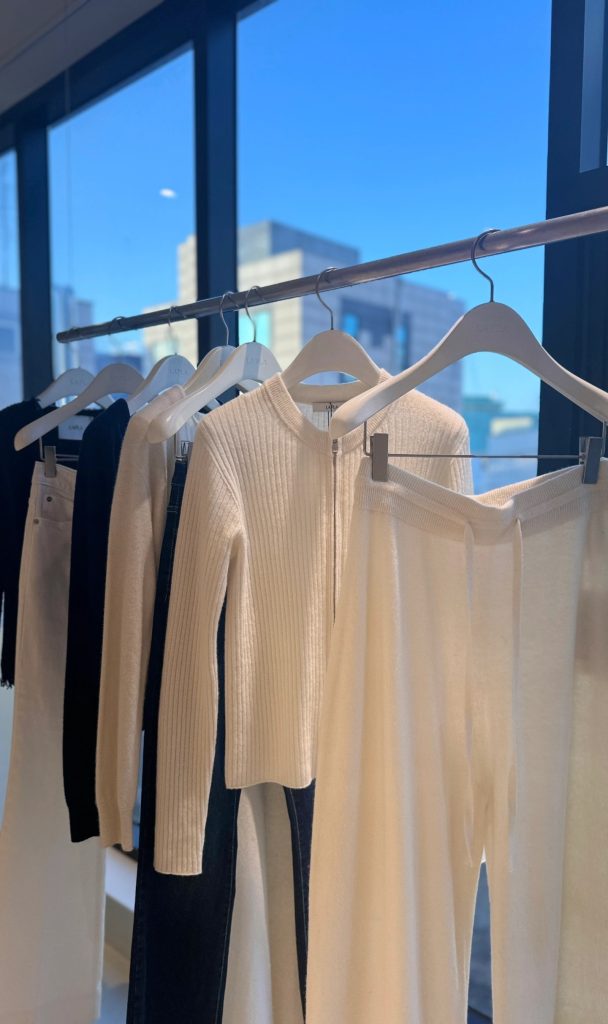
📦 Custom Clothing Manufacturing for Emerging Fashion Brands
Starting a clothing brand requires more than creative ideas. Entrepreneurs must transform designs into real products that customers want to wear. Custom clothing manufacturing allows businesses to create unique garments with their own style, branding, and product identity.👕 Custom apparel design services
🧵 Professional garment production
🏷 Private label clothing solutions
📦 Bulk clothing manufacturing
🌍 Global apparel supply capabilityFor startups, fashion retailers, and clothing distributors, working with a professional clothing manufacturer can help turn ideas into market-ready apparel products while maintaining consistent quality and production efficiency.
👕 Why Custom Clothing Manufacturing Is Important for New Brands
The fashion industry has become more competitive than ever. New clothing brands must offer unique designs and strong product identity to attract customers.
Custom clothing manufacturing provides this opportunity.
Instead of selling generic garments, brands can design their own clothing products that reflect their vision and style.
Key benefits include:
🎨 unique product designs
🏷 brand identity development
📦 scalable manufacturing
👕 full customization options
🌍 access to international markets
These advantages make custom clothing manufacturing an ideal solution for fashion startups and growing apparel companies.
🧥 What Is Custom Apparel Production?
Custom apparel production refers to the process of manufacturing clothing based on specific design requirements provided by a brand or business.
Each garment can be customized in multiple ways.
Typical customization options include:
🧵 fabric selection
📏 garment sizing
🏷 brand labels and tags
🎨 logo printing or embroidery
📦 packaging design
This level of customization allows clothing brands to create distinctive products that stand out in the market.
👚 Types of Clothing Products That Can Be Customized
Custom clothing manufacturing supports a wide range of garment categories.
Fashion brands can create entire product collections using customized designs.
👕 Custom T-Shirts for Fashion Brands
T-shirts are one of the most popular clothing products worldwide.
They are easy to customize and suitable for many fashion styles.
Customization options often include:
🎨 graphic prints
🏷 woven brand labels
🧵 embroidered logos
📏 custom cuts and sizes
Custom t-shirts are widely used in streetwear, casual fashion, and promotional apparel.
🧥 Custom Hoodies and Sweatshirts
Hoodies and sweatshirts have become essential pieces in modern fashion.
They offer comfort and style, making them popular in casual clothing collections.
Common hoodie customization features include:
🧵 heavy cotton fabrics
🎨 printed designs
🏷 custom brand labels
👕 oversized or fitted cuts
These garments are widely used by clothing brands targeting younger consumers and streetwear markets.
👖 Custom Pants and Casual Bottoms
Clothing brands often expand their collections by producing custom pants and casual bottoms.
These products include:
👖 relaxed casual trousers
🏃 athletic joggers
🩳 lightweight summer shorts
👖 fashion streetwear pants
Comfortable fabrics and durable stitching are essential for these garments.
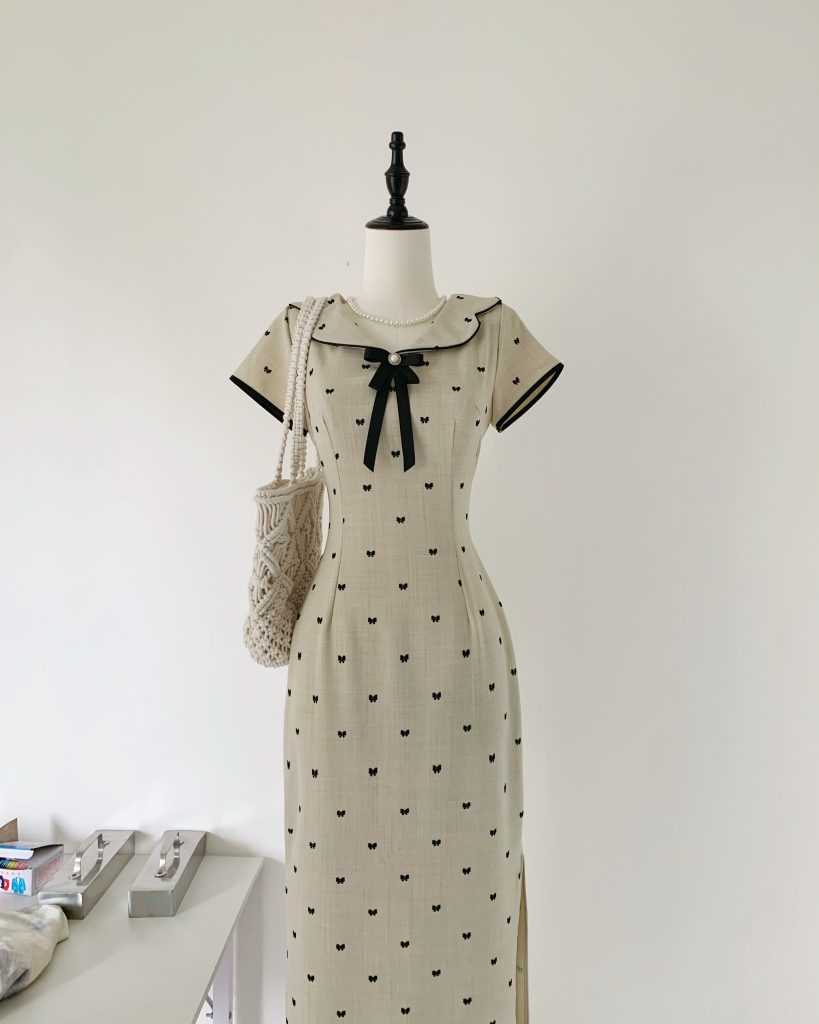
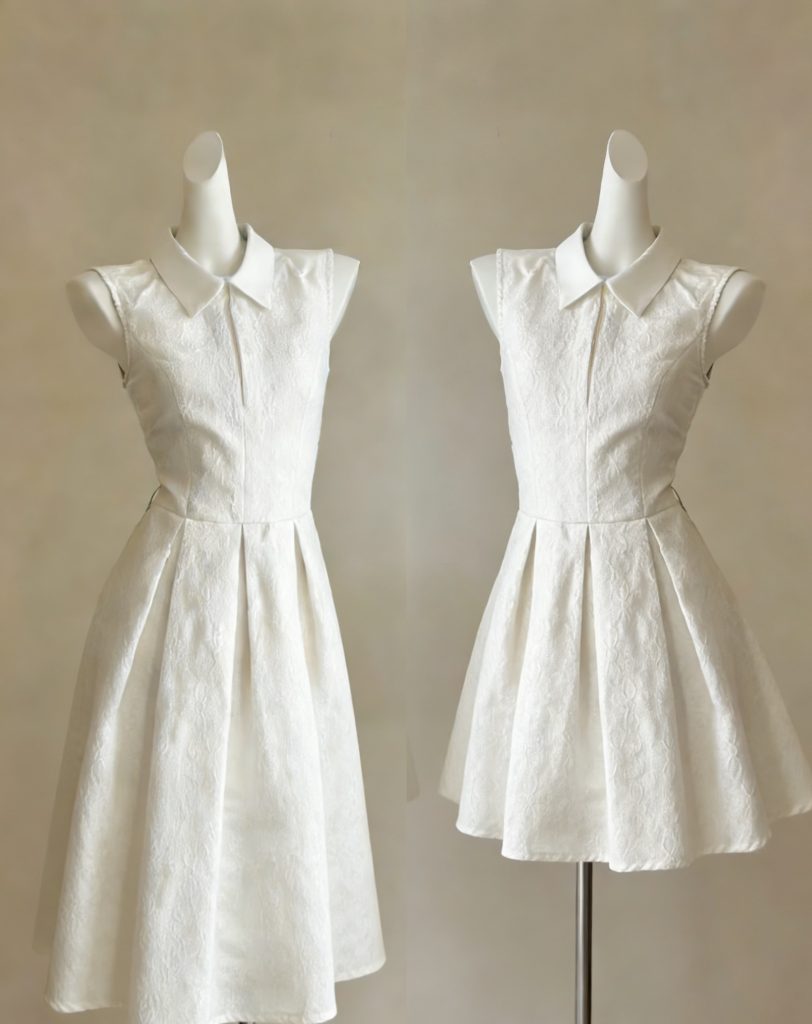
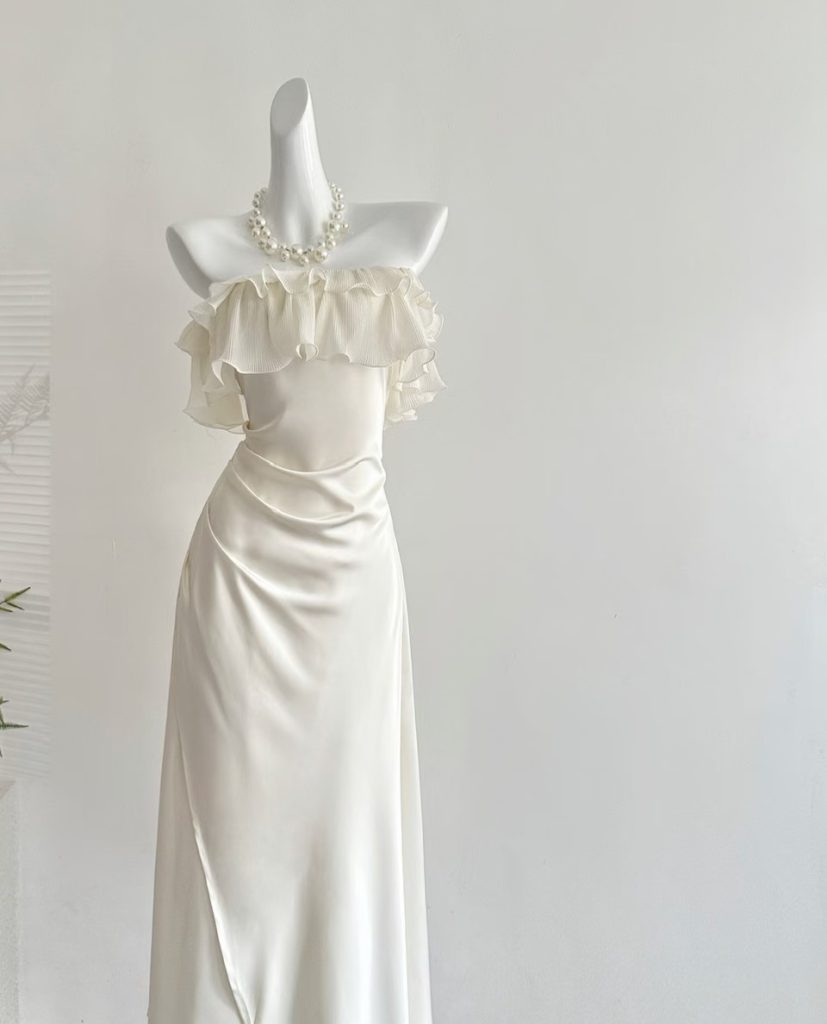
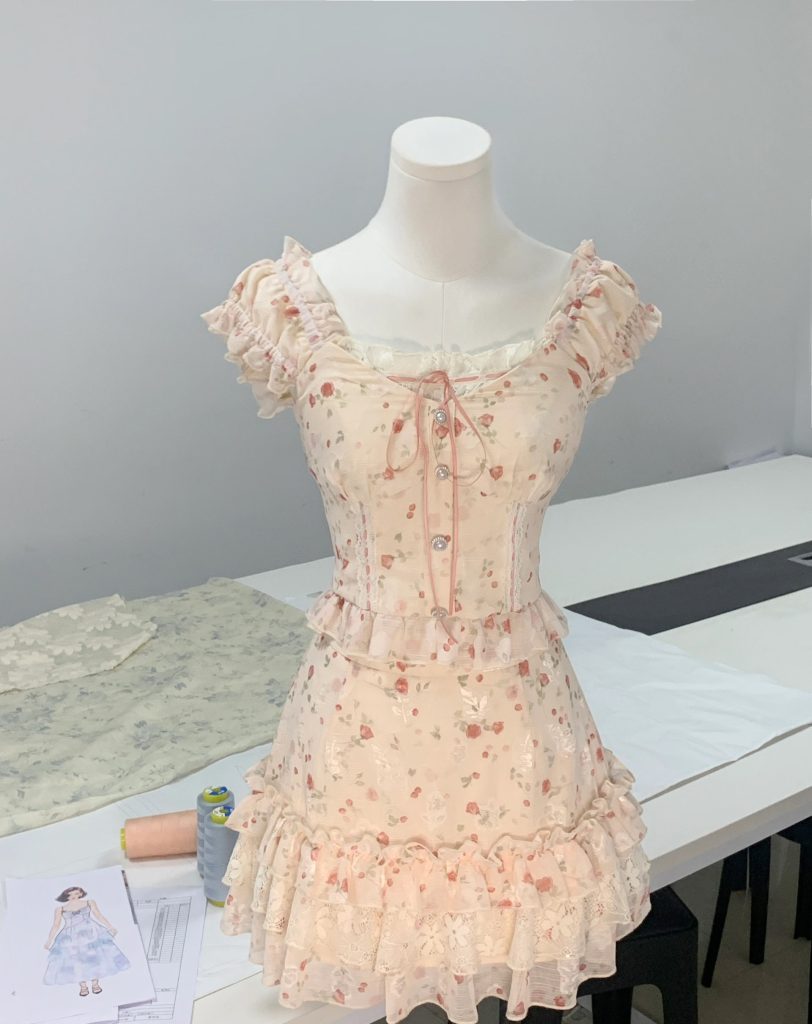
👗 Boutique Fashion Dresses
Dresses allow fashion brands to showcase creativity and design originality.
Popular dress categories include:
👗 casual daily dresses
👗 summer fashion dresses
👗 boutique style garments
👗 seasonal fashion collections
Custom manufacturing allows brands to produce dresses that match their specific design concepts.
✂ Step-by-Step Custom Clothing Production Process
Professional clothing manufacturing follows a structured production process to ensure quality and efficiency.
✏ Apparel Design and Product Planning
Every clothing product begins with a design concept.
Designers create detailed plans that guide the manufacturing process.
These plans typically include:
🎨 design sketches
📐 technical garment drawings
🧵 fabric specifications
📏 size measurements
Clear design documentation helps ensure accurate production results.
🧵 Fabric Selection and Material Preparation
The choice of fabric greatly influences garment quality and comfort.
Important fabric characteristics include:
🌿 breathability
🧶 softness
🧵 durability
🌱 lightweight construction
Selecting the right materials ensures the clothing product performs well in daily use.
📐 Pattern Development and Sample Creation
Before bulk production begins, garment patterns are created.
Pattern development ensures that all clothing pieces fit correctly and maintain consistent sizing.
Manufacturers often produce sample garments to confirm:
✔ design accuracy
✔ correct sizing
✔ fabric performance
Only after approval does full production begin.
🪡 Garment Sewing and Assembly
During this stage, fabric pieces are sewn together to form complete garments.
This process includes:
🧵 stitching garment panels
👕 attaching sleeves and collars
🏷 installing brand labels
🪡 reinforcing seams
Skilled sewing ensures both durability and visual appeal.
🔍 Quality Inspection and Product Testing
Quality control is essential in clothing manufacturing.
Each garment is inspected to ensure it meets production standards.
Inspection checks include:
✔ garment measurements
✔ stitching quality
✔ fabric condition
✔ overall appearance
Consistent quality control protects the brand’s reputation and customer satisfaction.
📦 Packaging and Distribution Preparation
After quality inspection, garments are prepared for packaging and shipment.
Common packaging methods include:
📦 folded garment packaging
🏷 branded labels and tags
📦 protective shipping cartons
Well-designed packaging improves the overall presentation of clothing products.
🏷 Advantages of Custom Clothing Manufacturing
Custom clothing production offers several strategic advantages for fashion brands.
🎨 Brand Differentiation
Custom clothing allows brands to create unique designs that reflect their identity and attract target customers.
📈 Flexible Production Scale
Clothing production can be adjusted depending on demand.
Brands can start with small orders and increase production as sales grow.
💰 Cost Efficiency in Bulk Manufacturing
Producing garments in larger quantities can significantly reduce production costs, improving profit margins.
🌍 Expanding Clothing Brands in the Global Market
The global fashion industry offers many opportunities for clothing brands.
With modern logistics and online retail platforms, apparel products can reach customers around the world.
Growth opportunities include:
🌍 international online clothing stores
🛍 fashion boutiques and retailers
📦 wholesale apparel distribution
👕 niche fashion markets
Brands that focus on quality and design innovation can successfully expand into global markets.
🌱 Sustainable Practices in Apparel Manufacturing
Sustainability is becoming an important topic in the clothing industry.
Many manufacturers are adopting environmentally responsible practices such as:
♻ efficient fabric usage
🌱 eco-friendly materials
📦 recyclable packaging
🧵 durable garment construction
These practices help reduce environmental impact while maintaining product quality.
📩 Choosing the Right Clothing Manufacturing Partner
Selecting the right manufacturing partner is essential for building a successful clothing brand.
Important factors to consider include:
🧵 garment production experience
📦 manufacturing capacity
🔍 quality control systems
🏷 customization capabilities
📈 ability to scale production
A reliable clothing manufacturer ensures consistent quality and long-term supply stability.
👕 Building a Sustainable Apparel Business
Launching a clothing brand requires dedication, creativity, and reliable production.
Businesses that focus on strong design, high-quality garments, and consistent branding can build successful apparel companies.
Important elements of long-term success include:
👕 innovative clothing design
🧵 professional manufacturing processes
🏷 strong brand identity
🌍 expansion into international markets
With the right production strategy, clothing brands can grow steadily in the competitive global fashion industry.
❓ FAQ – Custom Clothing Manufacturing
1. What is custom clothing manufacturing?
Custom clothing manufacturing is the process of producing garments according to specific design requirements provided by a clothing brand or business.
2. What types of clothing can be customized?
Many clothing products can be customized, including t-shirts, hoodies, pants, dresses, sportswear, and casual fashion garments.
3. Can small businesses start custom clothing production?
Yes. Many clothing manufacturers support small production orders, allowing startups to launch their first apparel collections.
4. What factors affect clothing production time?
Production time depends on garment complexity, order quantity, and fabric preparation.
5. Why is quality control important in clothing manufacturing?
Quality control ensures garments meet design standards, maintain durability, and satisfy customer expectations.
6. How can clothing brands grow in the global market?
Brands can expand internationally by focusing on unique design, reliable manufacturing, strong branding, and consistent product quality.


No reply content