
👕 Professional Clothing Production for Fashion Brands and Bulk Apparel Buyers
Clothing is one of the most essential products in global trade, serving both functional and fashion purposes across every market. From casual daily wear to specialized uniforms and seasonal fashion collections, high-quality clothing production requires skilled manufacturing, reliable materials, and consistent quality control.👕 Designed for comfort and style
🧵 Professional garment production process
📦 Bulk supply for retailers and distributors
🌍 Export-ready apparel manufacturing
🏷 Custom private label and branding servicesModern clothing manufacturers support global buyers by offering flexible production capabilities, efficient supply chains, and customized apparel solutions. Businesses seeking dependable clothing suppliers can benefit from scalable production and professional garment development services.
👕 What Is Clothing Manufacturing?
Clothing manufacturing refers to the process of producing garments through textile preparation, fabric cutting, sewing, and finishing.
This process transforms raw textile materials into finished apparel products ready for distribution and retail.
Key elements of clothing manufacturing include:
🧵 fabric selection
✂ garment pattern development
🪡 professional stitching and assembly
🎨 design and finishing processes
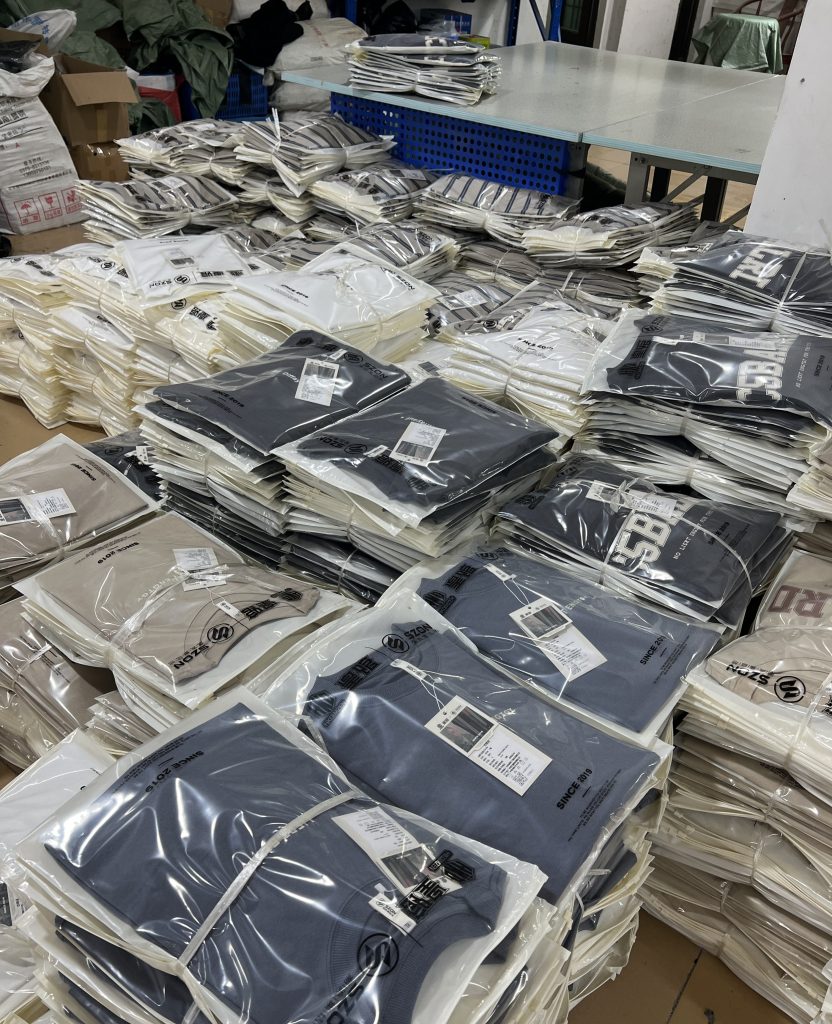
📦 packaging for shipment
These steps ensure garments meet both functional and aesthetic requirements.
🧥 Types of Clothing Produced for Global Markets
Clothing manufacturers produce a wide range of apparel categories to meet different consumer needs.
👕 Casual Everyday Clothing
Casual clothing is designed for daily wear and comfort.
Common examples include:
👕 t-shirts
👖 casual pants
🧥 lightweight jackets
These garments prioritize comfort and simple design.
👔 Business and Workwear Apparel
Professional clothing is used in office environments and workplaces.
Typical items include:
👔 shirts and formal tops
👖 professional trousers
🧥 structured outerwear
These garments emphasize neat appearance and durability.
🏃 Sports and Activewear
Activewear is designed for physical activity and athletic performance.
Important features may include:
🏃 flexible fabric materials
💨 breathable construction
🧵 durable stitching
Sportswear is widely used in both professional and casual fitness activities.
👗 Fashion and Seasonal Clothing
Fashion clothing changes with seasonal trends and consumer preferences.
Typical products include:
👗 dresses and fashion tops
🧥 seasonal jackets
👚 trend-focused apparel designs
Fashion collections often involve customized designs and creative styling.
🏭 Clothing Production Process
Producing high-quality garments requires a structured manufacturing workflow.
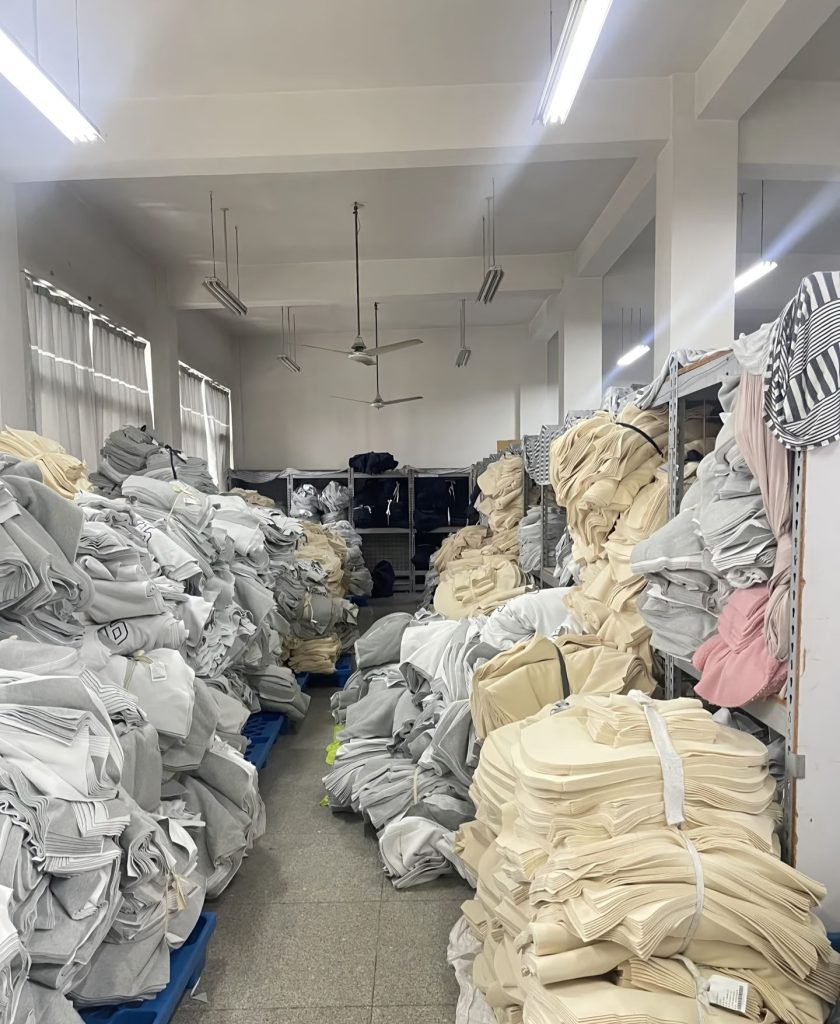
🧵 Fabric Selection
The first stage of clothing production involves selecting suitable fabrics.
Important considerations include:
🧵 softness and comfort
🌬 breathability
🧺 durability and wash resistance
Fabric quality strongly influences the final garment performance.
✂ Pattern Design and Fabric Cutting
Garment patterns define the shape and size of each clothing component.
Key production steps include:
✂ digital or manual pattern creation
📏 precise fabric cutting
🧵 efficient material utilization
Accurate cutting ensures consistent garment sizing.
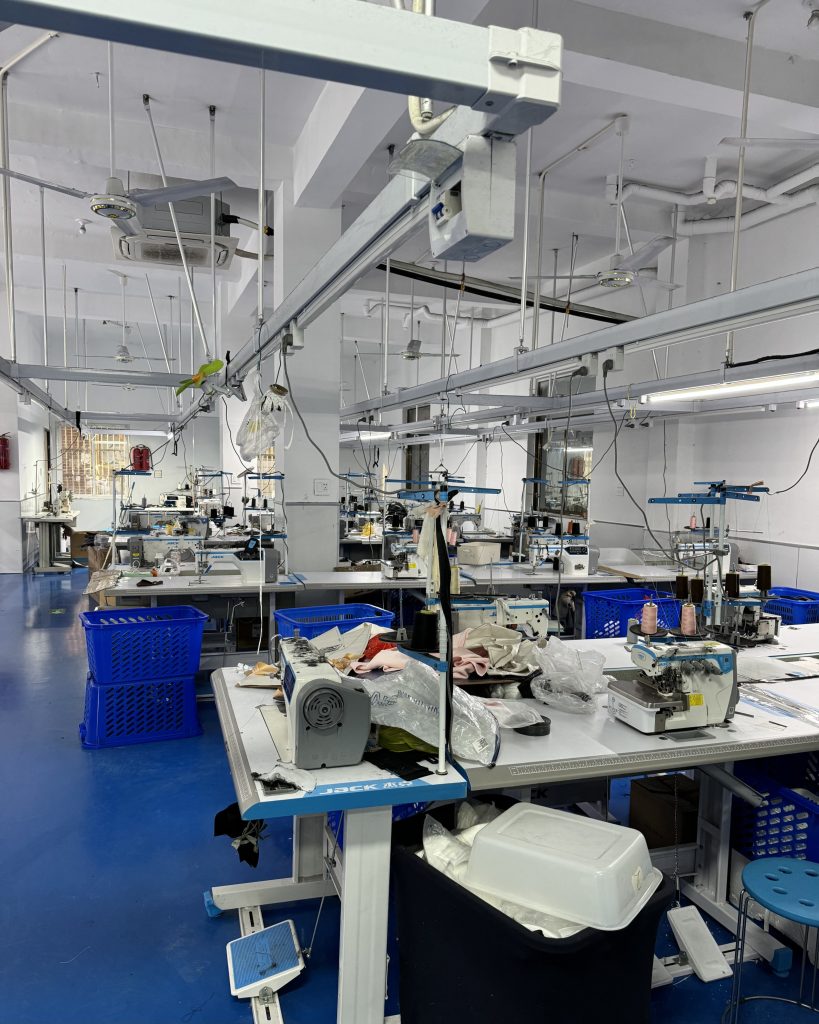
🪡 Sewing and Assembly
After fabric pieces are prepared, skilled technicians assemble the garments.
Sewing processes include:
🪡 stitching fabric panels
🧵 attaching sleeves and collars
👕 assembling garment structures
High-quality stitching ensures durability and comfort.
🎨 Finishing and Quality Control
The final stage includes finishing processes and product inspection.
These steps may include:
🎨 ironing and shaping
🏷 label attachment
🔍 quality inspection
Each garment is checked to ensure it meets production standards.
🎨 Custom Clothing Solutions for Brands
Many global apparel buyers require customized clothing production.
Customization options often include:
🎨 fabric color selection
🏷 private label branding
📏 custom sizing standards
📦 retail packaging design
Custom manufacturing allows brands to create unique apparel collections.
🌍 Global Demand for Clothing Products
Clothing is one of the largest product categories in international trade.
Demand continues to grow due to several factors:
👨👩👧 population growth
👗 fashion industry expansion
🏃 increased interest in sportswear
🛍 global retail market development
These trends create strong opportunities for clothing suppliers and apparel distributors.
📦 Bulk Clothing Supply for Wholesale Buyers
Clothing products are often manufactured in large quantities to support wholesale markets.
Typical buyers include:
🏬 apparel wholesalers
🛍 retail fashion stores
🌍 international trading companies
👕 private label clothing brands
Large-scale production helps maintain competitive pricing and stable supply.
📩 Choosing a Reliable Clothing Manufacturer
Businesses sourcing clothing products should evaluate suppliers carefully before placing orders.
Important factors include:
🏭 manufacturing capacity
🧵 garment craftsmanship quality
📏 size consistency
📦 packaging standards
🌍 export experience
Working with a professional clothing manufacturer helps ensure consistent quality and reliable delivery.
❓ FAQ – Clothing Manufacturing
1. What is clothing manufacturing?
Clothing manufacturing is the process of producing garments using fabrics, sewing techniques, and finishing procedures.
2. What types of clothing can be produced in bulk?
Manufacturers can produce many types of clothing including casual wear, workwear, sportswear, and fashion garments.
3. Can clothing products be customized?
Yes. Buyers can request customized fabrics, designs, labels, sizes, and packaging for their clothing products.
4. Who usually buys clothing in large quantities?
Wholesalers, fashion retailers, international trading companies, and private label brands commonly purchase clothing in bulk.
5. What factors determine clothing quality?
Fabric quality, sewing craftsmanship, garment design, and production standards all influence clothing quality.
6. Why is bulk clothing manufacturing important for global trade?
Large-scale production allows suppliers to meet international demand efficiently while maintaining stable pricing.


No reply content