
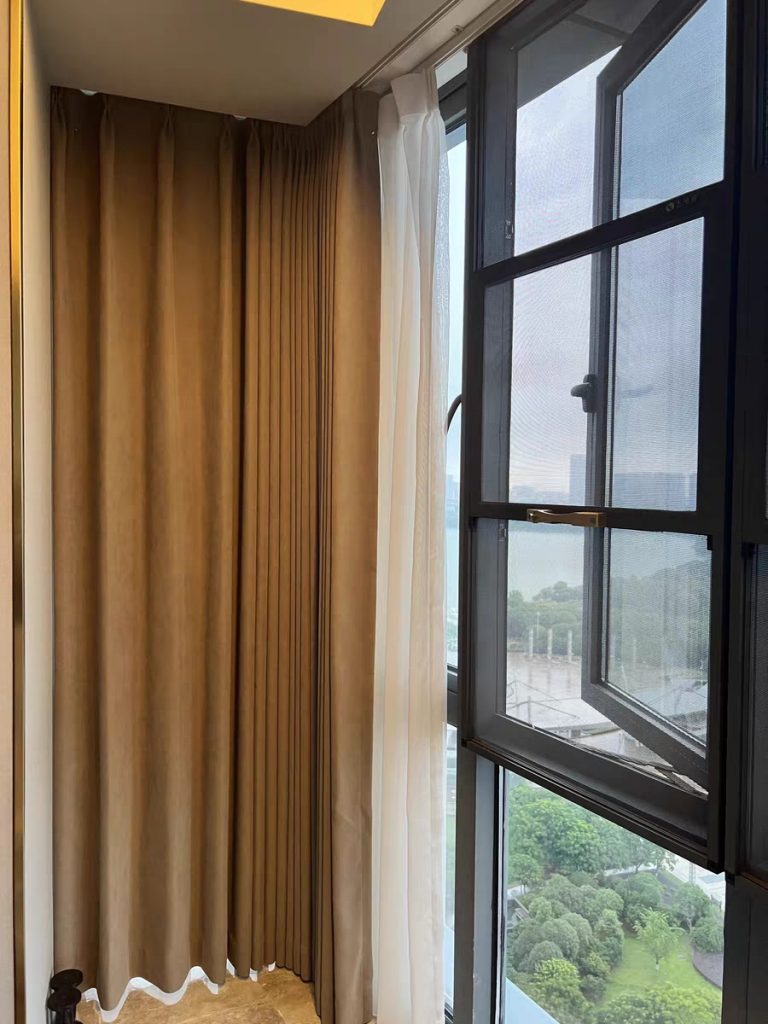
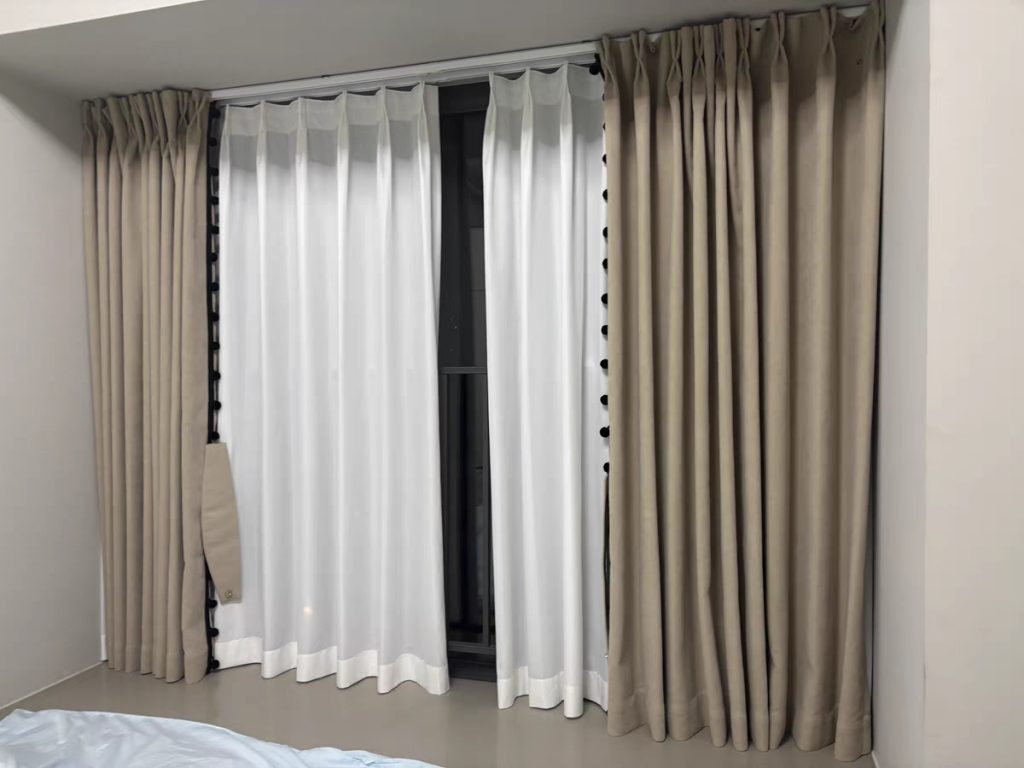
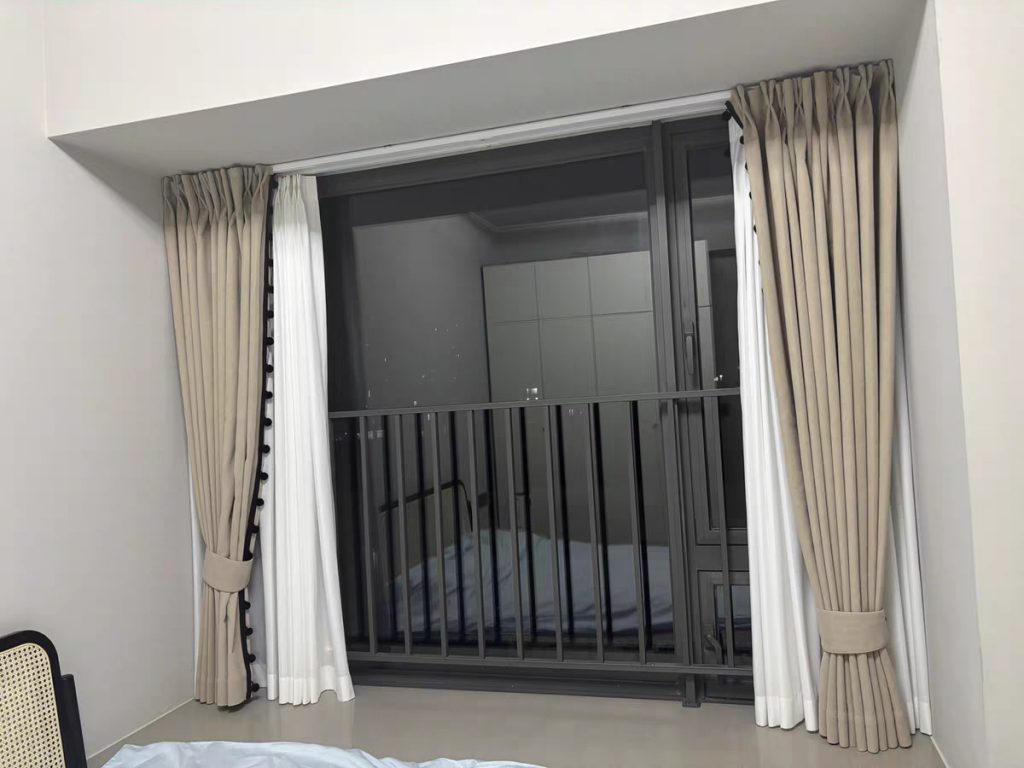
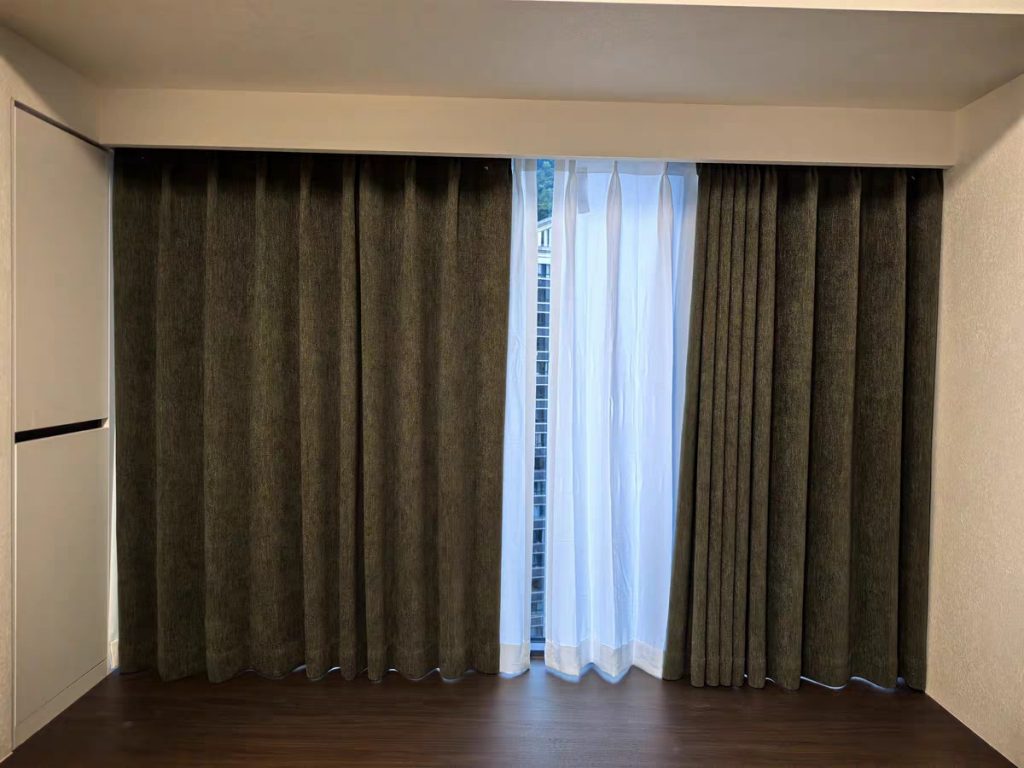
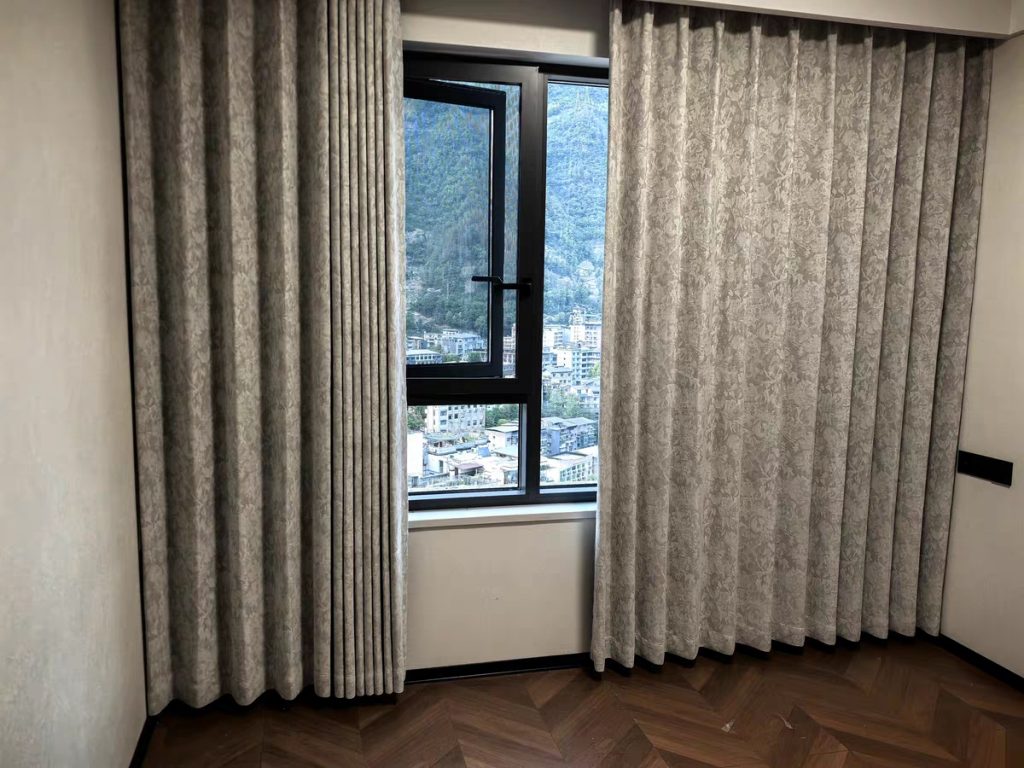
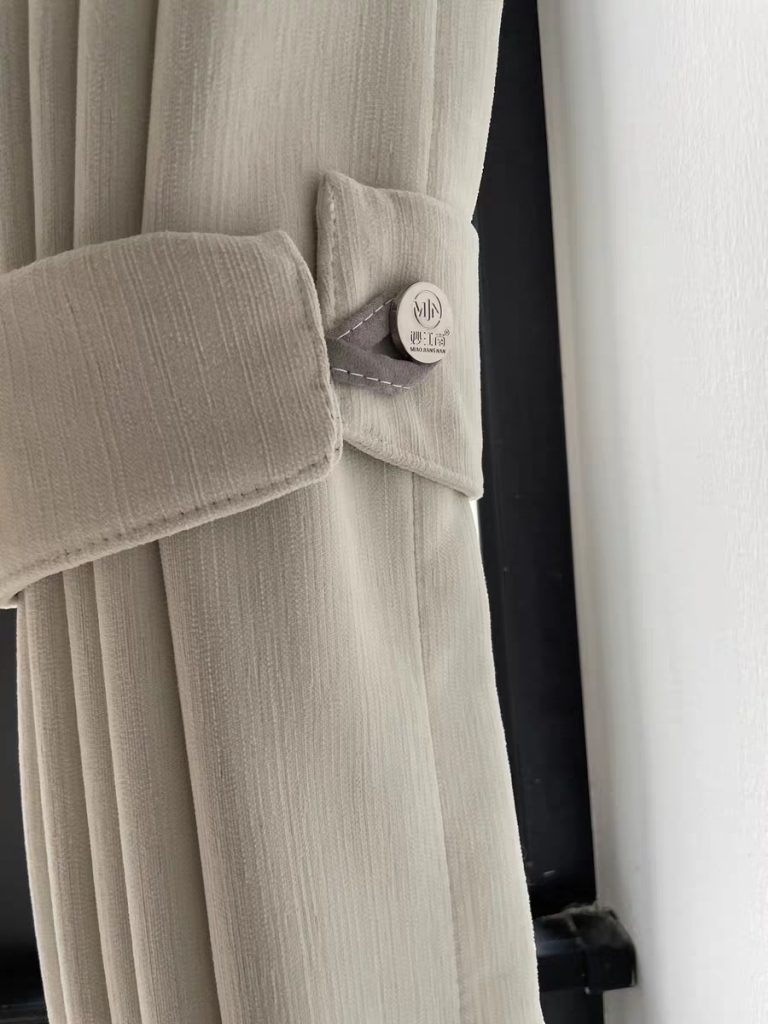

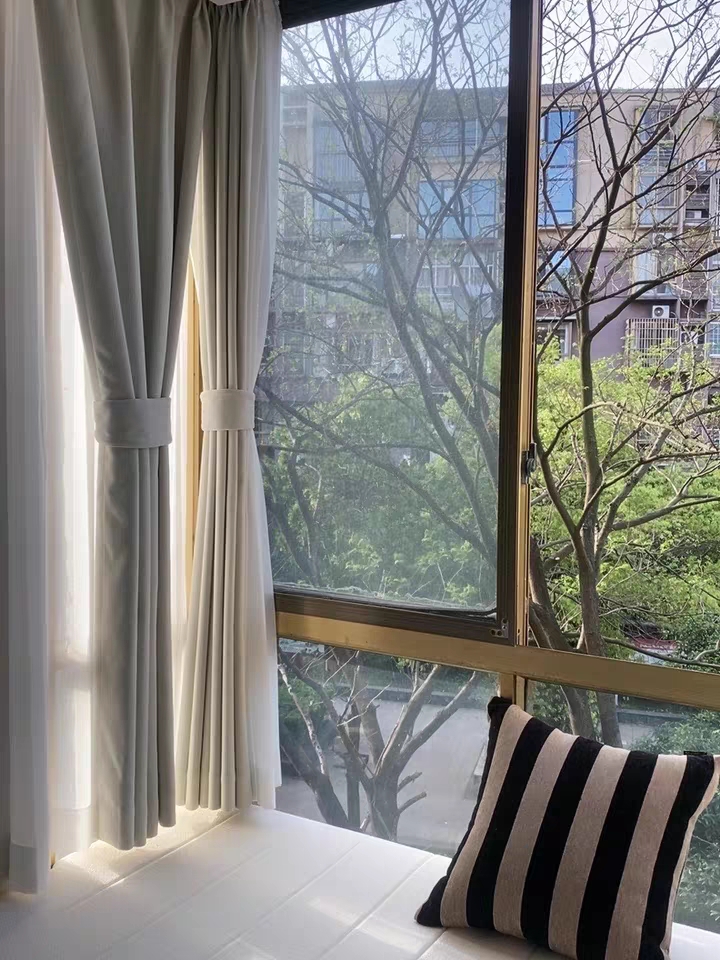
🪟 Professional Custom Curtain Manufacturing Solutions
Curtains are an essential part of interior decoration and functional space design. Whether used in homes, hotels, offices, or commercial buildings, curtains provide privacy, light control, and aesthetic value. Custom curtain manufacturing allows wholesalers, interior designers, contractors, and retailers to develop curtain products tailored to specific spaces and customer needs.🪟 Custom curtain design and manufacturing
🧵 Professional fabric selection and sewing craftsmanship
🏨 Curtain solutions for hotels and commercial projects
📦 Bulk curtain production for wholesale buyers
🌍 Global curtain supply for interior decoration marketsWith advanced production systems and strict quality standards, custom curtain manufacturing helps businesses create competitive window covering products while generating long-term wholesale and project inquiries.
🪟 Understanding Custom Curtain Manufacturing
Custom curtain manufacturing refers to producing curtains according to specific design requirements such as fabric type, size, style, and functionality.
Unlike ready-made curtains, custom curtains are tailored to match interior design requirements and window dimensions.
Important features include:
🧵 customized curtain fabric
📏 accurate size specifications
🎨 decorative design styles
🏷 private label branding options
📦 scalable production capability
This flexibility makes custom curtains ideal for interior designers, hospitality projects, and large-scale building developments.
🏨 Why Custom Curtains Are Important for Interior Projects
Curtains play both decorative and practical roles in interior spaces. They influence lighting, privacy, and overall design atmosphere.
Custom curtain production allows businesses to meet these requirements with precision and flexibility.
🎨 Interior Design Integration
Curtains are often selected to match the overall interior design theme of a room.
Custom manufacturing allows curtains to be produced in specific colors, textures, and patterns.
Advantages include:
🎨 harmony with interior decoration
🪟 customized curtain styles
🏠 improved room aesthetics
🌟 unique decorative appearance
Well-designed curtains enhance the visual appeal of interior spaces.
🌙 Light Control and Privacy
Curtains provide effective control over natural light entering a room while protecting indoor privacy.
Different curtain fabrics offer different levels of light filtration.
Examples include:
🌤 light-filtering curtains
🌙 blackout curtains
🌫 semi-sheer curtains
🌞 daylight control fabrics
Proper curtain selection helps create comfortable indoor environments.
📦 Large-Scale Curtain Production for Projects
Hotels, apartments, and commercial buildings often require large quantities of curtains.
Custom curtain manufacturers can produce bulk orders with consistent quality and design.
Benefits include:
📦 uniform product appearance
📏 precise sizing for multiple rooms
🏨 project-based manufacturing support
🚚 efficient bulk delivery
This capability is essential for hospitality and construction projects.
🧵 Major Types of Curtains in the Market
Curtain manufacturing covers a wide range of styles designed for different environments and design preferences.
🌙 Blackout Curtains
Blackout curtains are designed to block external light and improve sleeping comfort.
Common uses include:
🛏 bedrooms
🏨 hotel guest rooms
🎥 home theaters
🧑💼 conference rooms
These curtains are typically made with thick multi-layer fabrics.
🌤 Sheer Curtains
Sheer curtains are lightweight and allow natural light to pass through while maintaining partial privacy.
Typical applications include:
🏠 living rooms
🪟 decorative window coverings
🌞 daylight softening
They are often combined with heavier curtains for layered window treatments.
🏨 Hotel Curtains
Hotel curtains are designed to meet hospitality standards for durability and appearance.
Features often include:
🧵 strong stitching
🌙 blackout lining
🎨 elegant design styles
🧼 easy maintenance
These curtains are widely used in hospitality and large accommodation projects.
🏢 Commercial Curtains
Commercial curtains are used in offices, conference centers, and public buildings.
Key characteristics include:
📏 large window coverage
🎨 professional appearance
🧵 durable fabrics
🌞 light management
These curtains support both functionality and professional interior design.
⚙ Key Stages in Curtain Manufacturing
Producing high-quality curtains involves several carefully managed stages.
Each stage contributes to the final appearance and durability of the product.
🎨 Curtain Design Planning
The manufacturing process begins with defining the curtain design and specifications.
Important considerations include:
📏 window measurements
🎨 fabric color selection
🧵 curtain style and pleat design
🌙 lining requirements
Accurate design planning ensures the curtain fits perfectly within the intended space.
🧵 Fabric Selection
Fabric choice is critical for curtain performance and appearance.
Common fabric types include:
🧵 polyester fabrics
🪶 lightweight sheer materials
🌙 blackout textile layers
🧶 decorative woven fabrics
Fabric selection determines the curtain’s texture, durability, and light control capability.
✂ Fabric Cutting
After fabric selection, materials are cut according to specific size requirements.
Benefits of precise cutting include:
📏 consistent curtain dimensions
🧵 accurate fabric alignment
📦 efficient material utilization
Accurate cutting helps maintain uniform quality in large production runs.
🪡 Sewing and Curtain Assembly
Sewing operations assemble curtain panels and add structural elements.
Typical sewing steps include:
🪡 stitching curtain panels
🧵 installing curtain headers
🎗 adding pleats or folds
🏷 attaching curtain accessories
Professional sewing ensures the curtain hangs properly and maintains long-term durability.
🔍 Quality Inspection and Packaging
Before shipment, curtains undergo thorough quality checks.
Inspection processes include:
🔍 fabric inspection
📏 size verification
🪡 stitching examination
📦 packaging preparation
Quality control ensures each curtain meets production standards and customer expectations.
🌱 Sustainable Trends in Curtain Manufacturing
Sustainability is becoming an important consideration in interior textile production.
Responsible manufacturing practices help reduce environmental impact.
🌿 Eco-Friendly Curtain Fabrics
Many curtain products now incorporate environmentally responsible materials.
Examples include:
🌿 recyclable textile fibers
🧶 low-impact fabric production
🌍 environmentally conscious materials
These fabrics support sustainable interior design.
⚡ Efficient Textile Production
Modern textile factories increasingly use advanced equipment to improve efficiency.
Advantages include:
⚡ reduced energy consumption
📦 optimized material usage
🌍 minimized production waste
Efficient production systems support both environmental responsibility and manufacturing performance.
📈 Business Opportunities in the Curtain Industry
The curtain industry offers strong opportunities for wholesalers, retailers, and interior project suppliers.
Demand continues to grow across residential, hospitality, and commercial markets.
Key opportunities include:
🏨 hotel renovation projects
🏢 office interior upgrades
🏠 residential decoration markets
🌍 international wholesale distribution
Businesses that focus on quality curtain products and reliable supply chains can build strong market positions.
📩 Choosing the Right Curtain Manufacturing Partner
Selecting the right curtain production partner is essential for long-term business success.
Important factors to consider include:
🧵 fabric quality standards
📏 precise curtain sizing capability
🎨 customization options
📦 production capacity
🌍 reliable delivery systems
A dependable manufacturing partner ensures consistent product quality and stable supply.
❓ FAQ – Custom Curtain Manufacturing
1. What is custom curtain manufacturing?
Custom curtain manufacturing is the process of producing curtains based on specific size, fabric, and design requirements for residential or commercial use.
2. Why do hotels and commercial projects use custom curtains?
Custom curtains allow precise window coverage, consistent design, and durable materials suited for high-traffic environments.
3. What fabrics are commonly used for curtains?
Common curtain fabrics include polyester textiles, sheer fabrics, decorative woven materials, and blackout fabrics.
4. What factors affect curtain quality?
Fabric quality, stitching strength, accurate measurements, and proper finishing processes all influence curtain quality.
5. Can curtain manufacturers support large bulk orders?
Yes. Professional curtain factories can produce large quantities for hotels, apartments, and commercial projects.
6. Why are blackout curtains popular?
Blackout curtains block external light, improve privacy, and create comfortable sleeping environments, especially in bedrooms and hotels.


No reply content