
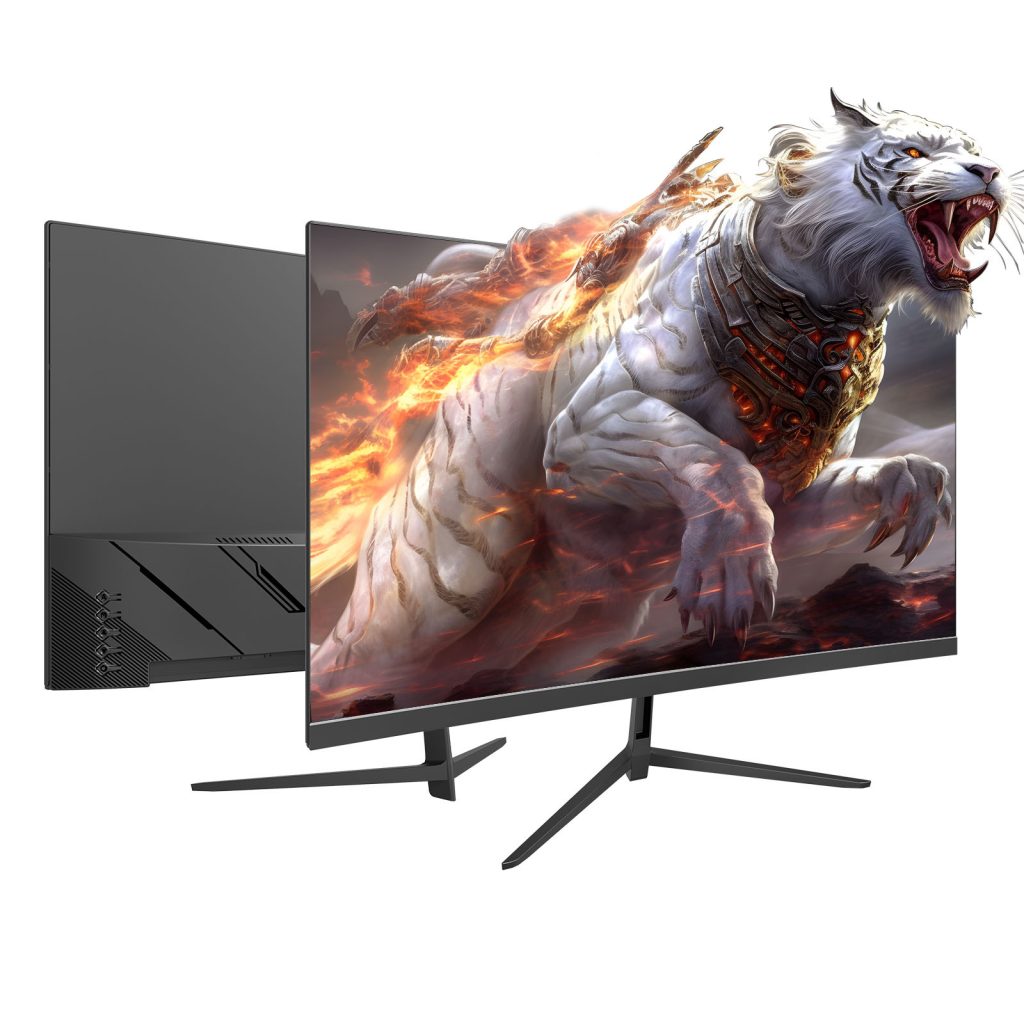
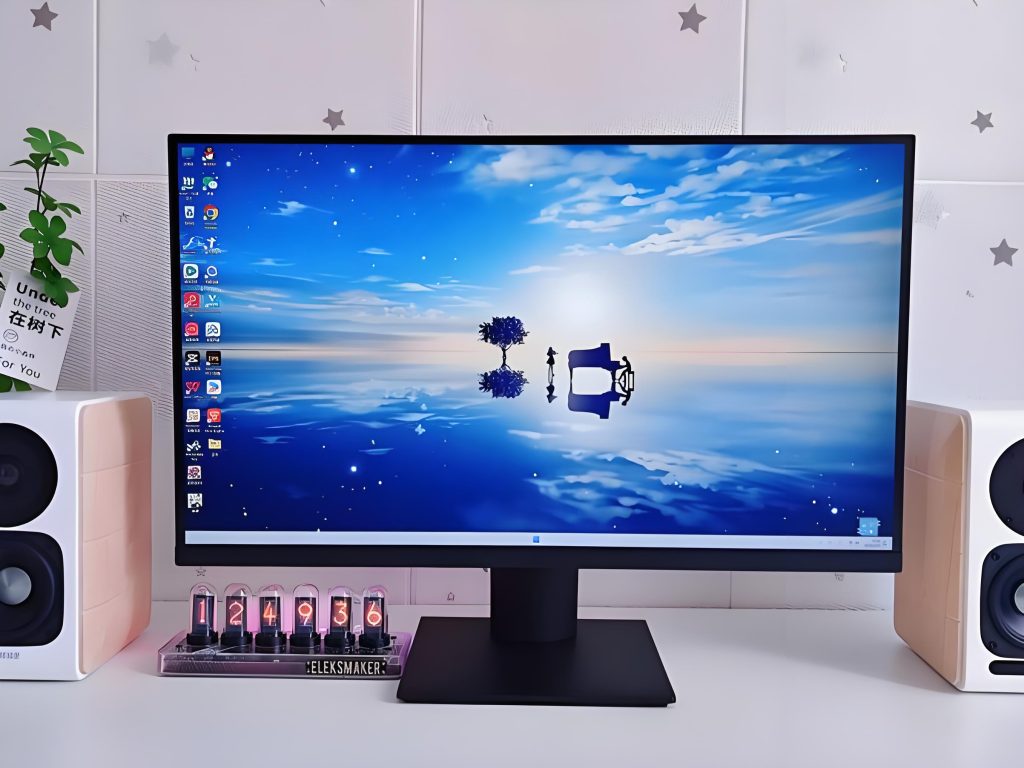
Custom desktop PCs offer unmatched performance, flexibility, and reliability for gaming, professional work, and enterprise applications. Manufacturers specialize in designing and producing fully tailored systems, allowing businesses and individuals to select hardware, software, and features that meet specific needs while ensuring long-term stability and top-tier performance.
1. Introduction to Custom Desktop PCs
Custom desktop PCs are designed to meet specific requirements beyond standard pre-built systems. Unlike off-the-shelf desktops, custom PCs provide flexibility in selecting each component—CPU, GPU, RAM, storage, cooling, and case design. This level of customization is essential for gamers, creative professionals, engineers, and enterprises that require optimized computing performance for demanding tasks.
The rise of high-performance computing has made custom desktop manufacturing increasingly relevant. OEM manufacturers provide businesses with the technical expertise, supply chain efficiency, and production capacity needed to create desktops tailored to a client’s exact specifications.
Key benefits of custom desktops include:
- Performance Optimization: Each component is selected for maximum efficiency in specific tasks.
- Scalability: Systems can be upgraded over time with minimal compatibility issues.
- Reliability: Quality components and careful assembly ensure long-term stability.
- Specialized Applications: From video editing to CAD, desktops can be tailored for any workflow.
2. Advantages of Partnering with a Custom Desktop PC Manufacturer
Working with a dedicated manufacturer provides several advantages:
- Tailored Solutions: Every desktop can be built to match performance and budget requirements.
- Cost Efficiency for Bulk Orders: Businesses purchasing multiple units benefit from economies of scale.
- Technical Expertise: Manufacturers bring engineering knowledge for component selection and integration.
- Warranty and Support: Professional assembly and component verification provide reliability and warranty coverage.
- Fast Production and Scalability: Manufacturers can fulfill both small and large-scale orders efficiently.
By partnering with an experienced manufacturer, businesses and enthusiasts can achieve systems optimized for performance and usability.
3. Core Components of a Custom Desktop PC
a. Central Processing Unit (CPU)
The CPU is the heart of a custom desktop PC. Selection depends on intended use:
- Gaming: High-frequency CPUs with multiple cores for FPS and AAA titles.
- Professional Workstations: Multi-core CPUs for 3D rendering, simulations, or software development.
- Enterprise Systems: Balanced performance for productivity and reliability.
Common choices include Intel Core i7/i9, AMD Ryzen 7/9, and workstation-grade CPUs like Intel Xeon.
b. Graphics Processing Unit (GPU)
The GPU is essential for rendering graphics, video editing, and AI workloads. Professional-grade GPUs prioritize driver stability and precision, while gaming GPUs focus on high frame rates and visual fidelity.
c. Memory (RAM)
High-speed RAM ensures smooth multitasking and optimized performance. ECC (Error-Correcting Code) RAM is preferred in professional and enterprise environments to prevent data corruption. Typical configurations range from 16GB to 128GB, depending on the application.
d. Storage Solutions
Custom desktops combine SSDs for speed with HDDs for capacity. NVMe drives provide rapid read/write speeds for large project files, while RAID configurations improve redundancy and reliability.
e. Cooling Systems
Efficient cooling is critical for stability, especially in high-performance builds. Manufacturers employ liquid cooling, hybrid solutions, or high-quality air cooling to maintain optimal operating temperatures.
f. Chassis Design
Chassis selection affects airflow, expansion potential, and aesthetics. Manufacturers offer a range of enclosures, from compact form factors to full tower cases, with options for RGB lighting, tempered glass panels, and ergonomic designs.
4. Design Considerations for Custom Desktops
Designing a custom desktop requires balancing performance, aesthetics, and usability:
- Thermal Management: Efficient airflow and heat dissipation prevent performance throttling.
- Upgradeability: Modular design allows for future component upgrades.
- Port Selection: USB, Thunderbolt, HDMI, and audio ports must accommodate user needs.
- User Experience: Ergonomic layout for internal components, ease of maintenance, and cable management.
- Aesthetic Appeal: Custom finishes, lighting, and branding enhance the desktop’s visual impact.
OEM manufacturers ensure that designs meet both functional and market expectations.
5. Applications of Custom Desktop PCs
Custom desktops serve a wide range of users:
- Gaming Enthusiasts: High-frame-rate, VR-ready systems for immersive gaming experiences.
- Creative Professionals: Video editing, 3D animation, and digital art require optimized GPUs and CPUs.
- Engineering and CAD: Workstations for simulations, 3D modeling, and technical design.
- Scientific Computing: Data analysis, AI research, and simulations demand reliable, high-performance systems.
- Enterprise Deployments: Businesses equip employees with standardized systems optimized for productivity and software requirements.
Custom desktops allow each user to achieve maximum efficiency for their unique workflows.
6. Quality Assurance in Custom Desktop Manufacturing
Ensuring reliability requires comprehensive quality control:
- Component Testing: Verifying CPU, GPU, RAM, and storage functionality.
- Stress Testing: Simulating intensive workloads to ensure stability.
- Thermal Evaluation: Confirming cooling efficiency under heavy loads.
- Durability Assessment: Testing chassis and components for long-term reliability.
- Software Validation: Pre-installed OS and drivers tested for compatibility and performance.
These steps guarantee that every unit shipped performs consistently and reliably.
7. Customization Options for OEM Clients
Custom desktop manufacturers provide extensive customization options:
- Hardware Choices: CPU, GPU, RAM, storage, cooling, and power supply selection.
- Software Packages: Operating systems, productivity software, and security tools.
- Branding: Logo printing, color schemes, and case modifications.
- Peripheral Integration: Keyboards, mice, monitors, and accessories tailored to client needs.
- Regional Certifications: Compliance with safety, wireless, and energy standards for target markets.
Customization helps businesses differentiate their products and meet specific customer demands.
8. Supply Chain and Logistics Considerations
Efficient supply chain management is crucial:
- Component Sourcing: Reliable suppliers ensure high-quality parts are available consistently.
- Inventory Management: Proper planning avoids delays and stock shortages.
- Packaging: Protective packaging prevents damage during shipping.
- Lead Times: Manufacturers provide estimated timelines based on customization and order size.
- Global Compliance: Adherence to regional import/export regulations and certifications.
Proper logistics ensures timely delivery and customer satisfaction for wholesale and enterprise clients.
9. Market Trends in Custom Desktop PCs
Key trends shaping the industry include:
- High-Performance CPUs and GPUs: Demand for multi-core, high-frequency processors continues to rise.
- Compact and Efficient Designs: Smaller form factors with efficient cooling systems are increasingly popular.
- AI-Optimized Systems: Workstations for machine learning and AI applications are in demand.
- Eco-Friendly Manufacturing: Energy-efficient components and sustainable materials reduce environmental impact.
- Remote Work Solutions: Businesses adopt systems optimized for cloud computing and virtualization.
OEM manufacturers that adapt to these trends remain competitive and relevant.
10. FAQ – Custom Desktop PC Manufacturer
Q1: Can I customize each desktop in bulk orders?
A1: Yes, OEM manufacturers allow full customization of CPU, GPU, RAM, storage, cooling, and chassis features.
Q2: What warranty coverage is provided for custom desktops?
A2: Most manufacturers offer 1–3 years of warranty covering hardware components and technical support.
Q3: How long does it take to produce a bulk order?
A3: Production timelines vary based on configuration and quantity, typically ranging from 4–8 weeks.
Q4: Are the desktops tested before shipping?
A4: Yes, rigorous stress testing, thermal evaluation, and benchmarking ensure stability and reliability.
Q5: Can custom desktops include branded designs or RGB lighting?
A5: Absolutely. Manufacturers provide options for branding, custom colors, and aesthetic features like RGB lighting.
Q6: What industries benefit from custom desktops?
A6: Gaming, creative industries, engineering, scientific computing, and enterprises deploying standardized systems.


No reply content