
Custom Clothing Manufacturer for Bulk Orders and Private Label Apparel Production
📦 Professional Custom Clothing Manufacturing Solution
In today’s competitive apparel market, brands, wholesalers, and retailers are constantly looking for reliable clothing manufacturers that can provide high-quality garments, stable production capacity, and flexible customization services.A professional custom clothing manufacturer for bulk orders and private label apparel production helps businesses transform design ideas into finished garments while maintaining strict quality control and efficient delivery schedules.
✔ Bulk clothing production for global brands
✔ Private label and OEM apparel manufacturing
✔ Flexible fabric and design customization
✔ Stable production capacity for large orders
✔ Professional support from sampling to final deliveryFor fashion brands, clothing startups, distributors, and retailers, choosing the right clothing manufacturer can determine the long-term success of their apparel business.
👕 Why Businesses Choose Custom Clothing Manufacturing
The global apparel industry is extremely competitive. Businesses need clothing products that stand out in design, quality, and brand identity.
Working with a custom clothing manufacturer allows companies to develop unique products instead of selling generic garments.
Key advantages include:
👕 Unique clothing designs
🏷 Private label branding
📦 Stable bulk production
💰 Better cost control
🌍 Scalable business growthFor clothing brands and fashion entrepreneurs, manufacturing partnerships are essential for building a successful apparel brand.
🧵 What Is Custom Clothing Manufacturing?
Custom clothing manufacturing refers to the process of producing garments based on specific design requirements, fabric choices, sizing standards, and brand labeling.
Unlike standard clothing production, custom manufacturing allows businesses to control every aspect of the product.
Typical customization options include:
🧵 fabric selection
✂ garment style design
🏷 logo and label placement
📏 size specifications
🎨 color variationsThis level of customization allows brands to create clothing collections that represent their identity and market positioning.
👚 Types of Clothing That Can Be Manufactured in Bulk
Professional apparel manufacturers can produce many types of clothing products depending on business needs.
👕 Casual Apparel Production
Casual clothing is one of the most common apparel categories.
Examples include:
👕 T-shirts
👖 hoodies
🧥 jackets
👕 sweatshirtsThese garments are popular among fashion brands, promotional clothing businesses, and retail distributors.
🏋 Sportswear and Activewear Manufacturing
Sportswear has become one of the fastest-growing segments of the apparel industry.
Manufacturers can produce:
🏃 athletic shirts
🧘 yoga clothing
🏋 training wear
🚴 cycling apparelActivewear requires flexible fabrics and ergonomic designs to ensure comfort during physical activity.
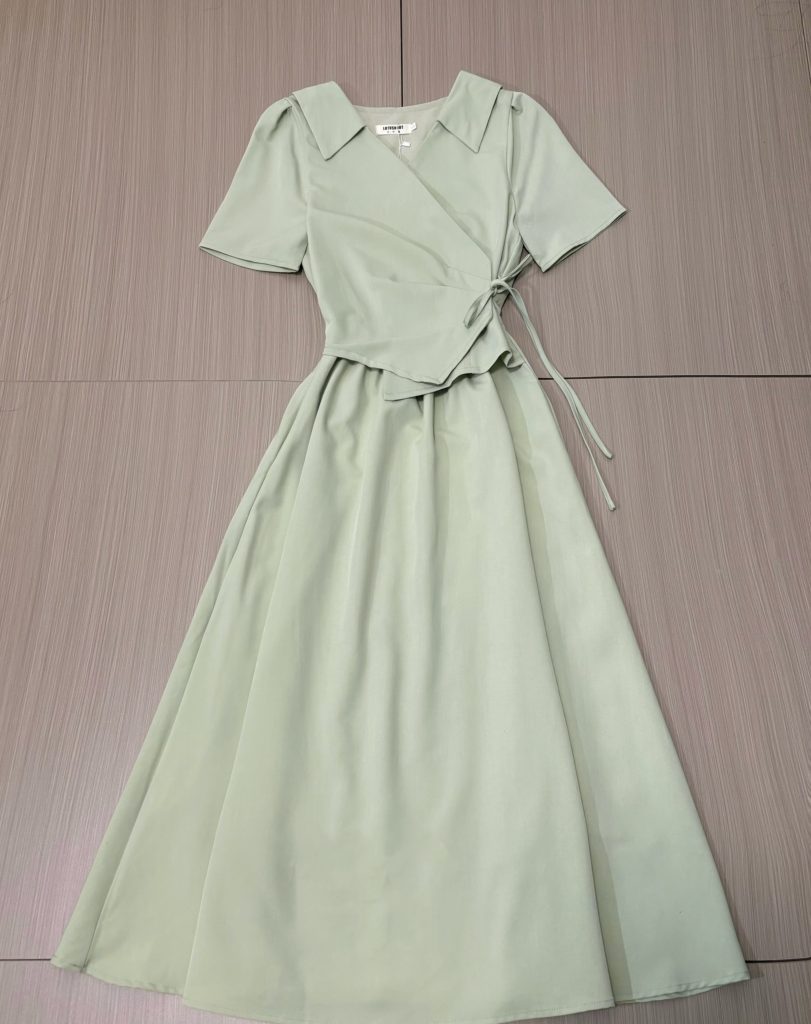
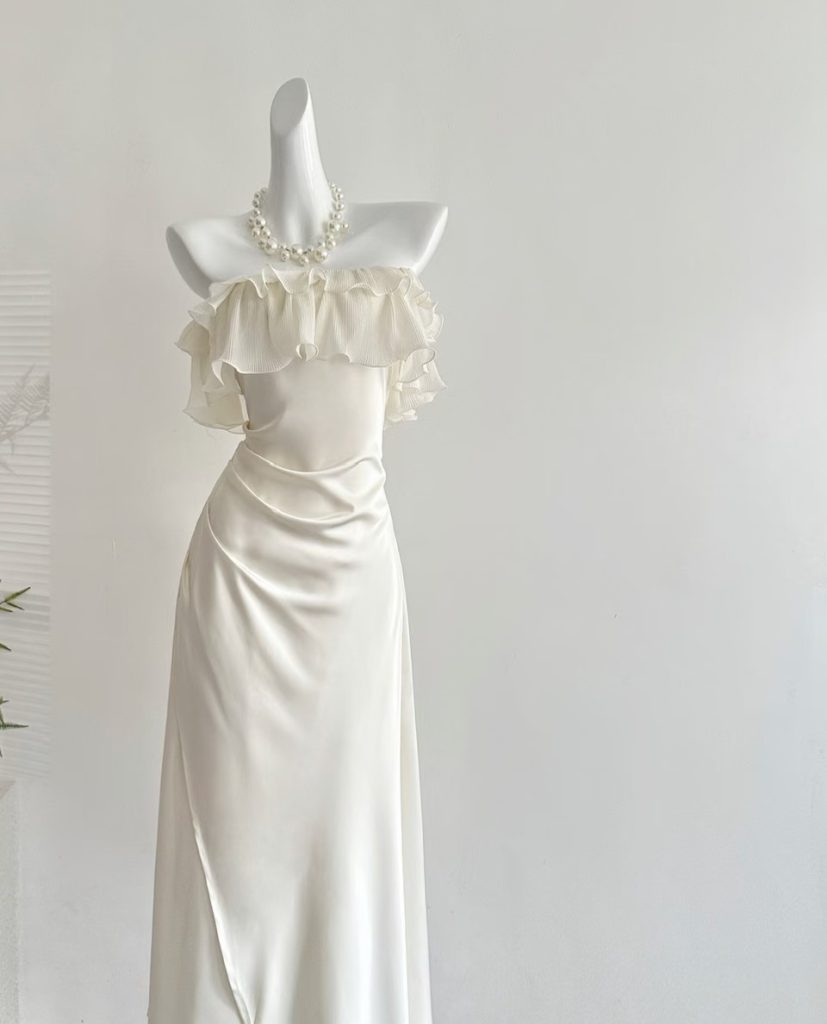
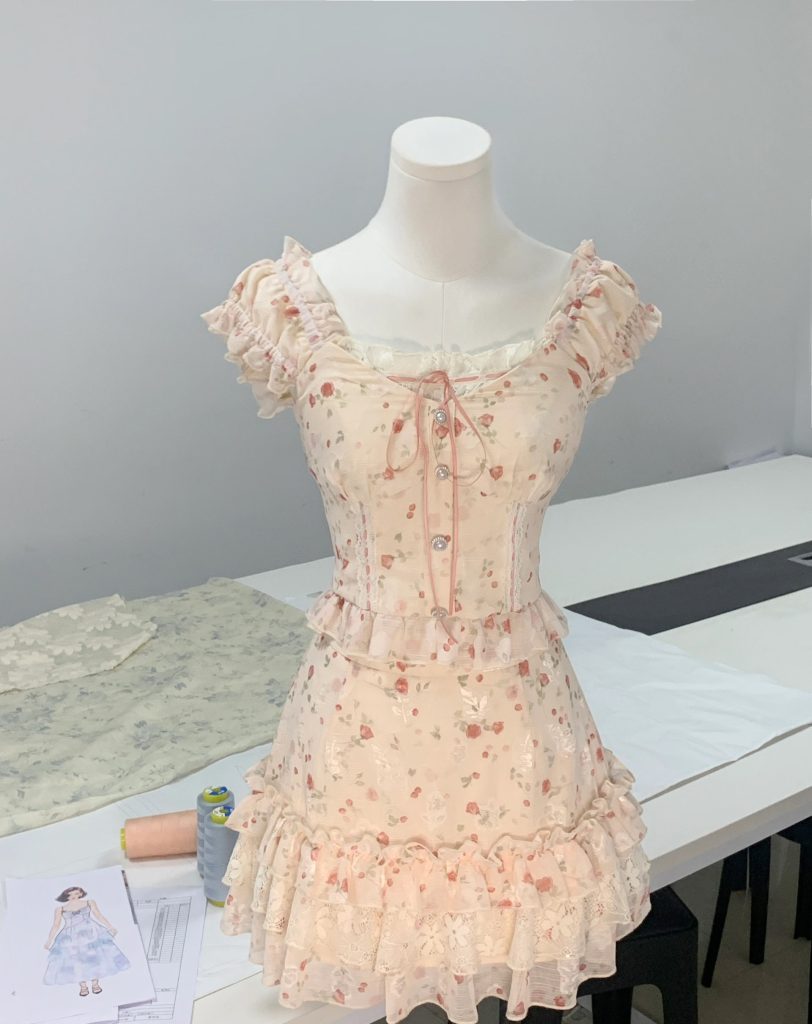
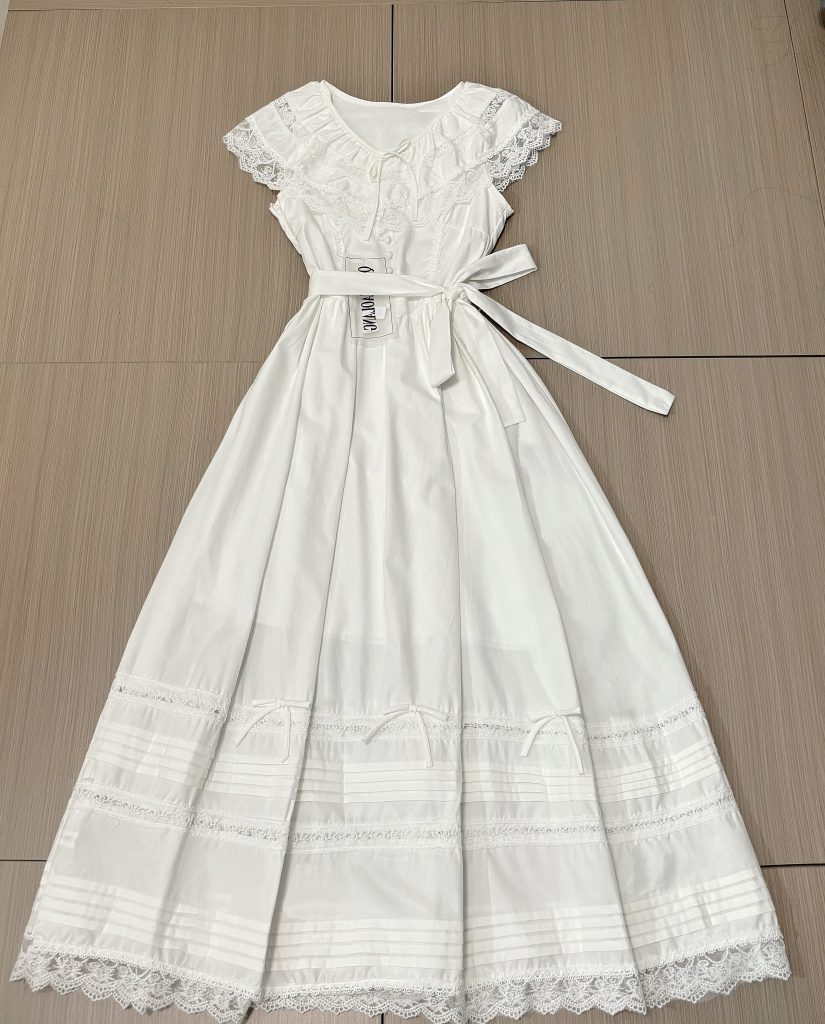
👗 Fashion Apparel Production
Fashion brands require more design-focused garment production.
Examples include:
👗 dresses
👚 blouses
👖 designer jeans
🧥 seasonal fashion collectionsThese products often involve complex tailoring and unique fabric choices.
👶 Children’s Clothing Manufacturing
Children’s clothing requires careful design and safety considerations.
Typical products include:
👶 baby clothing
🧸 toddler outfits
👕 children’s casual wearManufacturers must ensure comfortable fabrics and safe garment construction.
🧵 The Clothing Manufacturing Process
Professional clothing production follows a structured process to ensure consistency and quality.
✏ Design and Development
The process begins with garment design.
This stage includes:
📐 clothing sketches
📏 size measurements
🎨 fabric and color selectionDesign development ensures the final product matches the brand’s vision.
🧵 Fabric Selection
Fabric quality plays a major role in garment performance and comfort.
Common fabric types include:
🌿 cotton
🧶 polyester
🌱 blended fabrics
🧵 stretch materialsThe choice of fabric depends on the clothing category and intended use.
✂ Pattern Making
Pattern making transforms clothing designs into production templates.
Professional patterns ensure:
📏 accurate sizing
👕 consistent garment shapes
🧵 efficient fabric cuttingThis step is essential for large-scale garment manufacturing.
🪡 Sewing and Assembly
Garment pieces are assembled during the sewing process.
This stage includes:
🧵 stitching garment panels
👚 attaching sleeves and collars
🏷 applying labels and brandingSkilled sewing technicians ensure every garment meets quality standards.
🔍 Quality Inspection
Before shipment, garments undergo strict quality inspection.
This process ensures:
✔ accurate sizing
✔ strong stitching
✔ clean finishing
✔ consistent product qualityQuality control protects the brand reputation of apparel businesses.
🏷 Private Label Clothing Production
Private label clothing allows businesses to sell garments under their own brand name.
This approach offers several advantages:
🏷 brand identity development
📦 exclusive clothing designs
💰 higher profit marginsPrivate label manufacturing is commonly used by fashion brands, online clothing stores, and retail chains.
🌍 Benefits of Bulk Clothing Manufacturing
Bulk production helps clothing businesses operate more efficiently.
💰 Lower Production Costs
Large order volumes often reduce manufacturing costs per garment.
This allows businesses to improve pricing competitiveness.
📦 Consistent Product Supply
Reliable manufacturing ensures stable inventory levels for retailers and distributors.
Consistent supply supports business growth.
🚀 Faster Market Expansion
With stable production capacity, clothing brands can quickly expand into new markets.
Manufacturers help businesses scale their apparel operations efficiently.
👔 Who Needs Custom Clothing Manufacturing?
Many types of businesses rely on custom clothing production.
These include:
👕 fashion brands
🛍 online clothing stores
🏬 retail chains
📦 wholesale apparel distributors
🎨 clothing designers launching new collectionsManufacturing partners play an essential role in turning creative ideas into real clothing products.
🧠 Choosing the Right Clothing Manufacturer
Selecting the right clothing manufacturer is critical for long-term business success.
Key factors to consider include:
🧵 garment production experience
📦 production capacity
🔍 quality control standards
⏱ delivery reliability
🧥 customization capabilitiesA professional manufacturer should provide support from sampling to final bulk production.
📊 Future Trends in the Apparel Manufacturing Industry
The apparel manufacturing industry continues to evolve as consumer expectations change.
Emerging trends include:
🌱 sustainable fabric usage
📡 digital clothing design technology
📦 faster manufacturing cycles
👕 personalized clothing productsManufacturers that adapt to these trends will help brands remain competitive in the global apparel market.
📩 Growing Your Clothing Brand Through Manufacturing
Launching or expanding a clothing brand requires reliable production partners.
Professional clothing manufacturers help businesses:
👕 produce high-quality garments
📦 manage large orders
🏷 build strong private label brands
🌍 reach international marketsWith the right manufacturing support, clothing businesses can grow faster and deliver better products to customers.
❓ FAQ – Custom Clothing Manufacturing
1. What is custom clothing manufacturing?
Custom clothing manufacturing is the process of producing garments based on specific design, fabric, and branding requirements for businesses or fashion brands.
2. What types of clothing can be manufactured in bulk?
Manufacturers can produce many garments including:
👕 T-shirts
👚 fashion apparel
🏋 sportswear
👶 children’s clothing
3. Can clothing manufacturers provide private label services?
Yes. Private label services allow businesses to place their own brand labels and logos on garments.
4. What is the typical clothing production process?
The process usually includes:
✏ design development
🧵 fabric selection
✂ pattern making
🪡 sewing and assembly
🔍 quality inspection
5. Who uses bulk clothing manufacturing services?
Typical clients include fashion brands, retailers, wholesalers, and online clothing businesses.
6. Why is quality control important in clothing production?
Quality control ensures garments meet design specifications, durability standards, and brand expectations, which helps maintain customer satisfaction and brand reputation.


No reply content