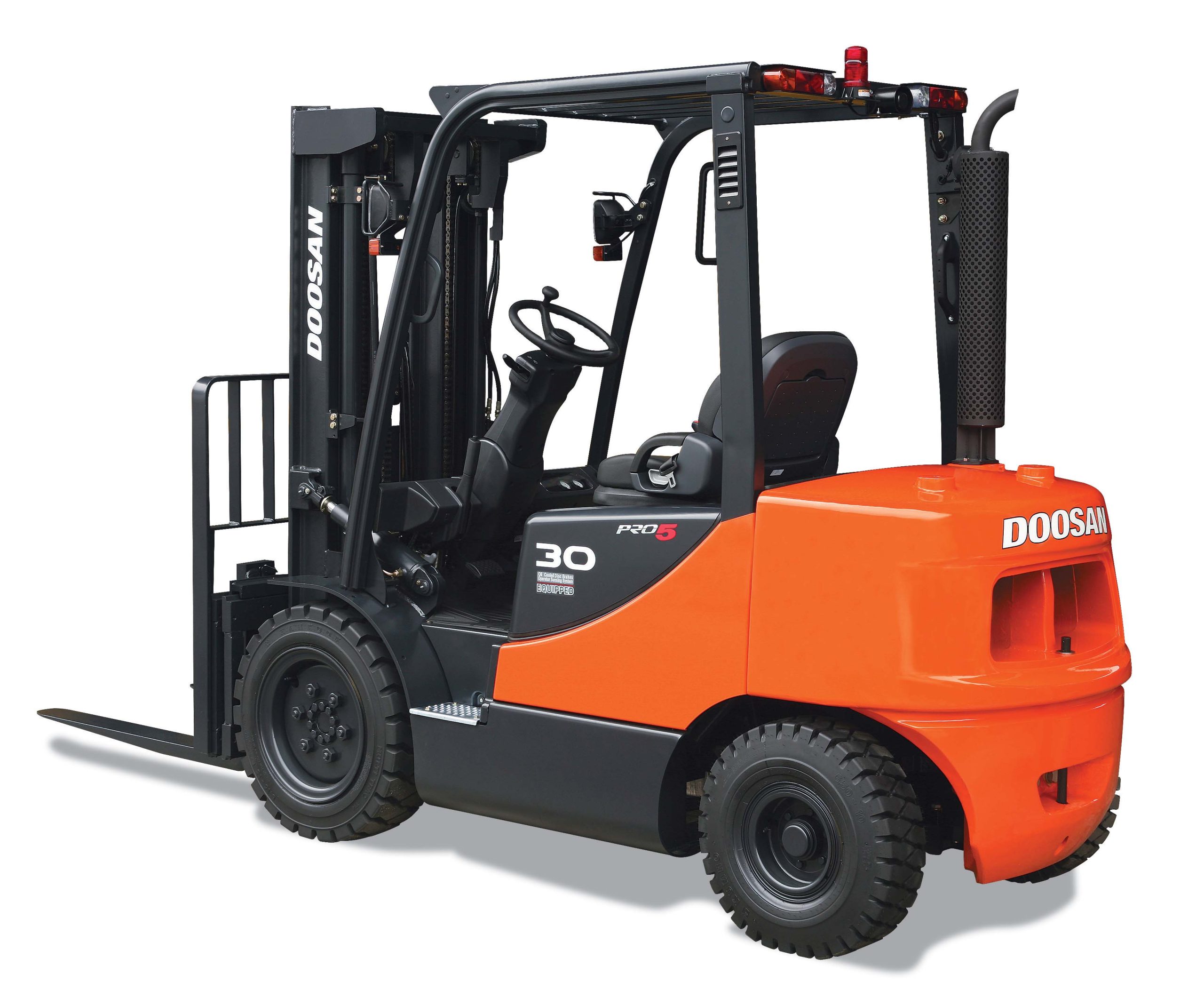
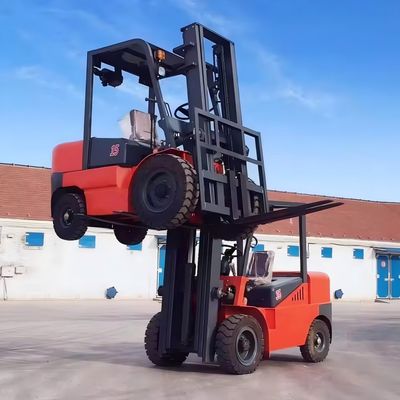
In modern industrial operations, material handling efficiency plays a critical role in productivity, safety, and cost control. As warehouses, factories, and logistics companies continue to upgrade their equipment, customized electric forklifts have become an increasingly popular solution for businesses with specific operational requirements.
Unlike standard forklift models, OEM electric forklift solutions allow companies to customize equipment based on their working environment, load requirements, battery preferences, and brand needs. Professional electric forklift manufacturers provide complete solutions from product design and engineering development to manufacturing, testing, and global delivery.
This article explains how OEM electric forklift manufacturing helps global businesses improve their material handling operations.
What Are OEM Electric Forklift Solutions?
OEM (Original Equipment Manufacturer) electric forklift solutions mean that a manufacturer produces forklifts according to a customer’s specific requirements.
Instead of purchasing a standard model, businesses can request customized features such as:
- Fork length
- Load capacity
- Lifting height
- Battery configuration
- Mast design
- Attachments
- Color and logo
- Control systems
OEM manufacturing allows companies to obtain equipment that matches their unique operational needs.
Why Businesses Need Customized Electric Forklifts
Every industrial environment has different requirements.
A warehouse handling small packages may need a compact electric forklift, while a manufacturing facility moving heavy materials may require a high-capacity model.
Common customization requirements include:
- Limited warehouse space
- Special pallet sizes
- High stacking requirements
- Long operating hours
- Specific industry regulations
- Unique transportation processes
A customized solution improves efficiency because the forklift is designed around the actual workflow.
OEM Electric Forklift Applications
Custom electric forklifts are widely used across many industries.
Warehousing and Distribution
Warehouses require forklifts that can:
- Operate in narrow aisles
- Handle frequent loading tasks
- Improve storage efficiency
Customized electric forklifts help maximize warehouse space and productivity.
Manufacturing Plants
Factories often require forklifts designed for:
- Raw material transportation
- Production line supply
- Heavy component handling
OEM solutions can be adapted for different production environments.
Food and Beverage Industry
Food facilities often require:
- Clean operation
- Low emissions
- Quiet performance
Electric forklifts are suitable because they produce no exhaust emissions during operation.
Pharmaceutical Industry
Pharmaceutical warehouses require:
- High cleanliness standards
- Reliable operation
- Low contamination risk
Electric forklifts provide a cleaner material handling solution.
Retail Logistics
Distribution centers need efficient equipment for:
- Order fulfillment
- Inventory movement
- Fast loading and unloading
Customized electric forklifts improve operational speed.
Key Customization Options
1. Load Capacity Customization
Different industries require different lifting capabilities.
Manufacturers can provide:
- Light-duty electric forklifts
- Medium-duty forklifts
- Heavy-duty electric forklifts
Capacity selection ensures safe and efficient operation.
2. Battery System Options
Battery choice directly affects performance.
Lithium Battery Solutions
Advantages:
- Fast charging
- Long lifespan
- Low maintenance
- High energy efficiency
Suitable for:
- Multi-shift operations
- High-frequency warehouse use
Lead-Acid Battery Solutions
Advantages:
- Lower initial investment
- Reliable technology
- Suitable for standard operations
Manufacturers can recommend suitable battery solutions based on usage requirements.
3. Mast and Lifting Height Customization
Different warehouses require different lifting capabilities.
Available options include:
- Standard mast
- Two-stage mast
- Three-stage mast
- High lifting mast
Proper mast selection improves storage efficiency.
4. Fork and Attachment Customization
Different products require different handling methods.
Customization options include:
- Extended forks
- Side shifters
- Clamps
- Special attachments
These solutions allow forklifts to handle specialized materials safely.
5. Appearance and Branding Customization
OEM manufacturers can customize:
- Company logo
- Brand colors
- Exterior design
This helps distributors and businesses create their own branded equipment.
OEM Manufacturing Process
A professional electric forklift manufacturer follows a complete production process.
Step 1: Requirement Analysis
Engineers review:
- Application environment
- Load requirements
- Operating conditions
- Customer specifications
Step 2: Product Design
The manufacturer develops:
- Technical drawings
- Component selection
- Structural design
- Performance specifications
Step 3: Prototype Development
Before mass production, manufacturers may create prototypes for:
- Performance testing
- Safety evaluation
- Customer approval
Step 4: Production
Production includes:
- Frame manufacturing
- Electrical system installation
- Battery integration
- Hydraulic system assembly
- Final assembly
Step 5: Quality Testing
Before delivery, forklifts undergo testing including:
- Load testing
- Driving performance testing
- Safety checks
- Battery system testing
Benefits of Working with an OEM Electric Forklift Manufacturer
Improved Operational Efficiency
Customized forklifts match your workflow, reducing unnecessary movement and improving productivity.
Better Cost Control
Although customized equipment may require initial investment, it can reduce long-term costs through:
- Lower maintenance
- Higher efficiency
- Reduced downtime
Stronger Brand Development
For distributors and dealers, OEM manufacturing allows them to:
- Build private brands
- Offer unique products
- Develop market advantages
Technical Support
Professional manufacturers provide:
- Engineering assistance
- Spare parts supply
- Maintenance guidance
- Product updates
How to Choose a Reliable OEM Electric Forklift Manufacturer
Before cooperation, evaluate:
Manufacturing Experience
Check:
- Years of production experience
- Export markets
- Industry applications
Production Capability
Review:
- Factory facilities
- Manufacturing equipment
- Quality control systems
Product Testing
Ask about:
- Safety testing
- Performance testing
- Certification standards
After-Sales Support
A reliable supplier should provide:
- Warranty service
- Spare parts
- Technical support
Why Choose Electric Forklift OEM Manufacturing in China?
China has become an important global manufacturing center for industrial equipment.
Advantages include:
- Advanced manufacturing technology
- Competitive production costs
- Complete supply chains
- Experienced engineering teams
- Flexible customization capability
Many international companies choose Chinese OEM electric forklift manufacturers because they can provide complete solutions from design to delivery.
Future Trends in Customized Electric Forklifts
The electric forklift industry continues to develop with new technologies.
Future trends include:
- Intelligent battery management
- Automation technology
- Remote monitoring systems
- Energy-efficient motors
- Smart warehouse integration
These innovations will make electric forklifts more efficient and connected.
Conclusion
OEM electric forklift solutions provide global businesses with flexible, efficient, and cost-effective material handling options. By customizing load capacity, battery systems, lifting height, attachments, and design features, companies can obtain equipment that perfectly matches their operational requirements.
Choosing an experienced electric forklift manufacturer with strong engineering capabilities, quality control systems, and export experience ensures reliable performance and long-term value.
For businesses looking to improve warehouse efficiency and build competitive advantages, customized electric forklifts are an important investment in the future of industrial operations.
FAQ
1. What does OEM mean in electric forklift manufacturing?
OEM means a manufacturer produces electric forklifts according to a customer’s specific design, specifications, or branding requirements.
2. Can electric forklifts be customized for different industries?
Yes. Manufacturers can customize forklifts for warehouses, factories, food facilities, pharmaceutical companies, and logistics operations.
3. What parts of an electric forklift can be customized?
Common customization includes battery systems, load capacity, mast height, forks, attachments, colors, and branding.
4. How long does OEM electric forklift production take?
Production time depends on customization requirements and order quantity. Standard models usually require less time than fully customized solutions.
5. Why choose an OEM electric forklift manufacturer instead of a standard supplier?
OEM manufacturers provide tailored solutions, technical support, and equipment designed specifically for your business needs.


No reply content