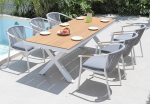
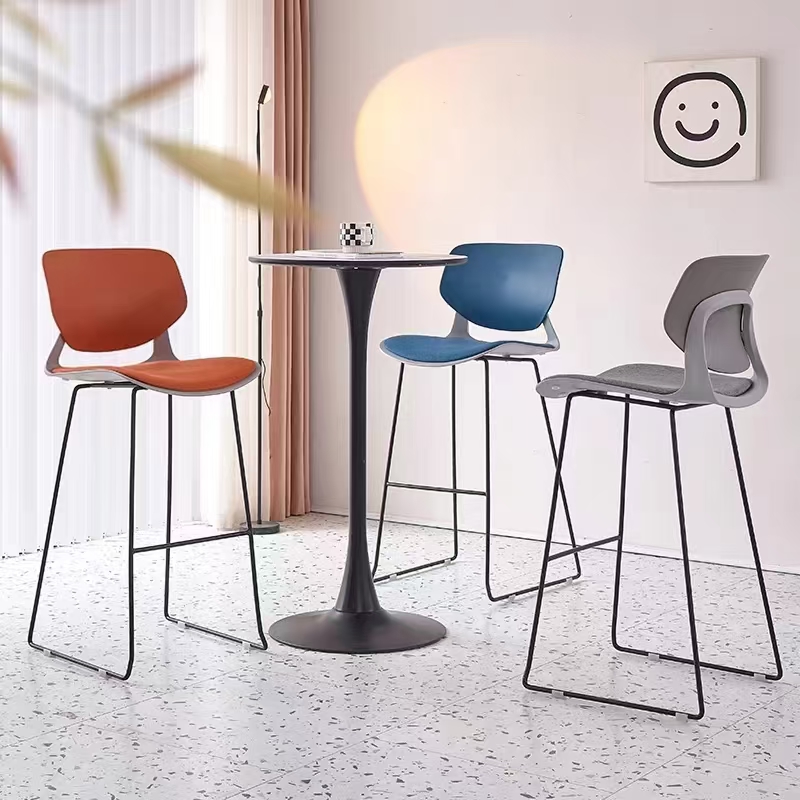
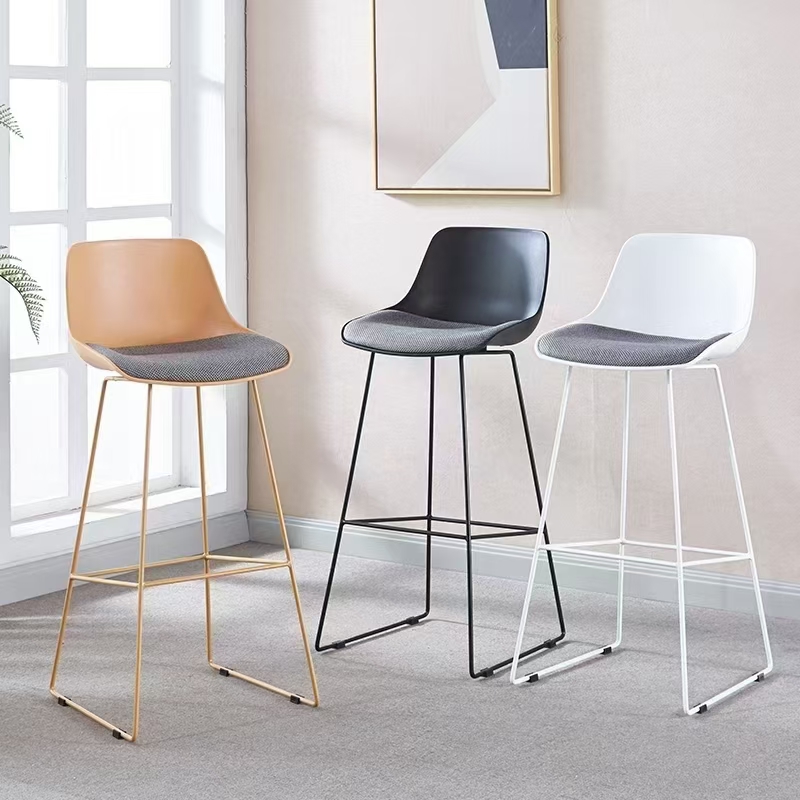
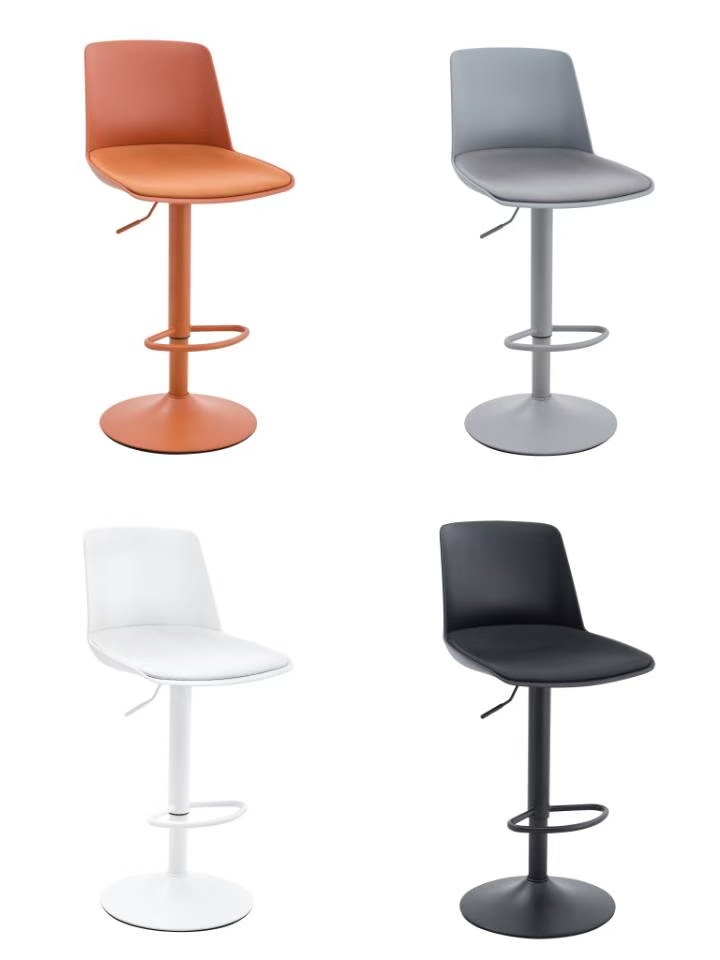
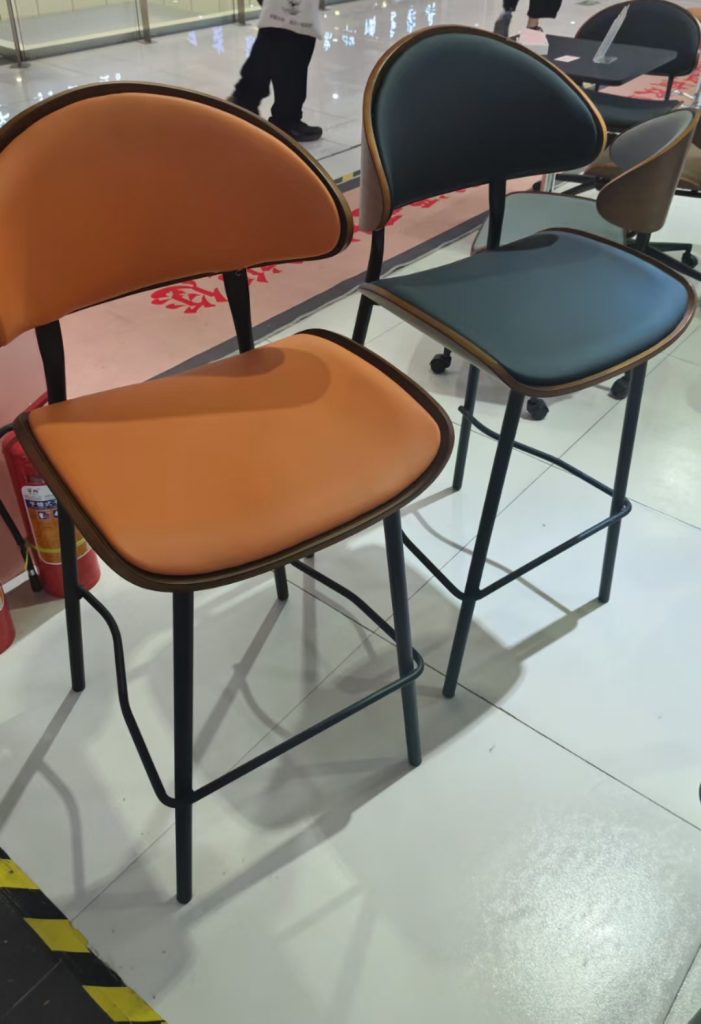

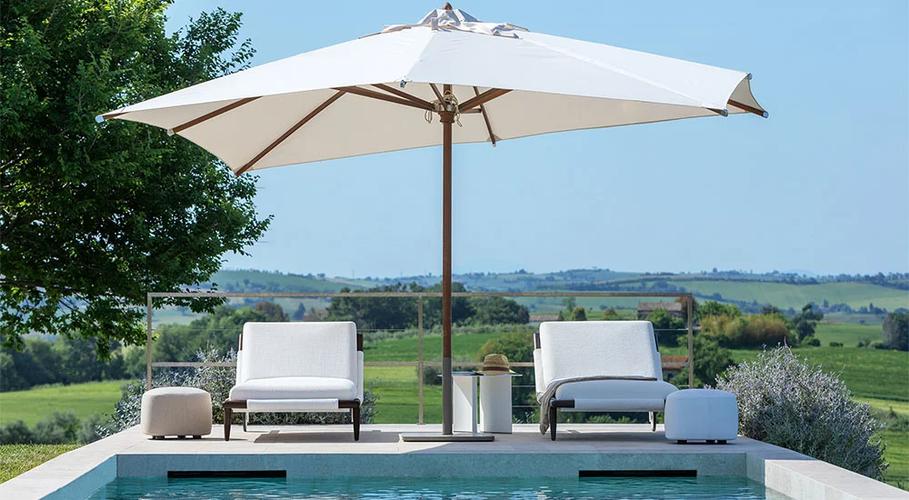
🪑 Professional Custom Furniture Manufacturing Solutions
The global furniture market continues to grow as businesses and retailers search for reliable suppliers capable of producing durable, stylish, and functional furniture. Custom furniture manufacturing allows wholesalers, distributors, and interior brands to develop unique product lines tailored to specific markets.🪑 Custom furniture design and development
🪵 High-quality materials and professional craftsmanship
🏷 Private label furniture production
📦 Bulk manufacturing for wholesale distribution
🌍 Scalable furniture supply for international marketsWith structured production processes and consistent quality control, furniture manufacturers help businesses create competitive furniture collections that attract customers and generate long-term wholesale inquiries.
🪑 Understanding Custom Furniture Manufacturing
Custom furniture manufacturing refers to the process of producing furniture based on specific design requirements, materials, and dimensions provided by clients.
Unlike generic furniture production, custom manufacturing allows businesses to develop unique products that match brand positioning and customer needs.
Important characteristics include:
🎨 customized furniture design
🪵 material selection flexibility
📏 precise size specifications
🏷 private label branding options
📦 scalable production capability
This production model allows retailers and distributors to launch distinctive furniture collections that stand out in competitive markets.
🧩 Why Custom Furniture Production Is Important for Furniture Businesses
Furniture buyers today expect products that combine durability, design aesthetics, and functional value.
Custom furniture manufacturing helps companies meet these expectations while maintaining control over product quality and design.
🎨 Unique Furniture Design for Brand Identity
Furniture brands often need distinctive products to differentiate themselves from competitors.
Custom manufacturing allows businesses to develop exclusive furniture designs that represent their brand image.
Advantages include:
🪑 exclusive product collections
🎨 creative design flexibility
🏷 recognizable brand identity
🌍 stronger market positioning
Unique furniture designs help brands attract both retail customers and commercial buyers.
📦 Scalable Furniture Manufacturing
Furniture demand can vary significantly depending on market trends and seasonal purchasing patterns.
Custom manufacturing systems provide flexibility in production volume.
Benefits include:
📦 small batch development
📈 large-scale production capability
⚙ adjustable manufacturing schedules
🚀 easier business expansion
Scalable production allows furniture businesses to respond quickly to changing market demand.
🪵 Flexible Material Selection
Material selection plays a major role in furniture quality and durability.
Custom furniture manufacturing allows clients to select materials based on design, strength, and cost considerations.
Common materials include:
🪵 solid wood
🧱 engineered wood panels
🪑 metal structures
🧵 upholstery fabrics
Choosing the right material improves both product performance and visual appeal.
🏠 Major Types of Furniture Produced Through Custom Manufacturing
Furniture manufacturing covers a wide range of product categories used in residential, commercial, and office environments.
🛋 Living Room Furniture
Living room furniture is designed for comfort and social interaction.
Typical products include:
🛋 sofas and couches
🪑 armchairs
📺 TV cabinets
🪵 coffee tables
These items combine functionality with decorative design.
🛏 Bedroom Furniture
Bedroom furniture emphasizes comfort, storage, and relaxation.
Examples include:
🛏 bed frames
🧺 wardrobes
🪞 dressing tables
🪵 bedside cabinets
Proper furniture design enhances both comfort and organization in sleeping spaces.
🪑 Dining Room Furniture
Dining furniture is designed to support daily meals and social gatherings.
Typical products include:
🍽 dining tables
🪑 dining chairs
🪵 sideboards
🧺 storage cabinets
Durability and stability are essential features for dining furniture.
🧑💼 Office Furniture
Office furniture supports productivity and professional work environments.
Common products include:
💻 office desks
🪑 ergonomic chairs
🗂 filing cabinets
🧱 storage shelves
Office furniture must balance functionality, durability, and comfort.
⚙ Key Stages in the Furniture Manufacturing Process
Producing high-quality furniture requires a well-organized manufacturing process.
Each stage ensures product consistency and structural reliability.
🎨 Furniture Design Development
The production process begins with furniture concept development and technical design planning.
Key elements include:
✏ design sketches
📏 dimension specifications
🎨 style and color planning
🪵 material selection
Clear design documentation helps ensure accurate manufacturing.
🪵 Material Preparation
Raw materials must be carefully prepared before production begins.
This stage may involve:
🪵 wood cutting and drying
🧱 panel shaping
🧵 fabric preparation
🔧 metal component processing
Proper material preparation improves product durability and structural stability.
🛠 Furniture Assembly
During assembly, individual components are combined to form the complete furniture structure.
Professional assembly ensures:
🔩 strong structural connections
🪑 stable furniture frames
🧵 secure upholstery installation
📏 accurate product dimensions
Skilled craftsmanship is essential for long-lasting furniture.
🎨 Surface Finishing
Surface finishing improves both the appearance and protection of furniture products.
Typical finishing processes include:
🎨 painting
🪵 wood polishing
🧴 protective coating
✨ decorative treatment
Finishing enhances visual appeal while protecting materials from wear.
🔍 Quality Inspection
Before packaging, furniture products undergo thorough inspection.
Inspection steps may include:
🔍 structural stability testing
📏 dimension verification
🎨 surface quality evaluation
📦 packaging preparation
Quality inspection ensures products meet required manufacturing standards.
🌱 Sustainable Trends in Furniture Manufacturing
Environmental responsibility is becoming an important focus within the furniture industry.
Sustainable production practices help reduce environmental impact while maintaining product quality.
🌿 Responsible Material Sourcing
Many furniture manufacturers prioritize materials that support environmentally responsible production.
Examples include:
🌿 responsibly sourced wood
🪵 recycled wood materials
🧱 engineered panels with reduced waste
🌍 eco-friendly finishing materials
Responsible material sourcing helps protect natural resources.
⚡ Efficient Production Processes
Modern factories increasingly adopt energy-efficient manufacturing technologies.
Benefits include:
⚡ reduced energy consumption
📦 improved material utilization
🌍 lower environmental impact
Efficient production systems support sustainable industrial development.
📈 How Custom Furniture Manufacturing Supports Business Growth
Custom furniture production provides businesses with the flexibility needed to develop competitive product lines.
Key advantages include:
🎨 unique furniture design development
🏷 private label product branding
📦 scalable wholesale manufacturing
🌍 expansion into international markets
Companies that focus on design innovation and consistent quality can build strong furniture brands that attract long-term customers.
📩 Choosing the Right Furniture Manufacturing Partner
Selecting the right furniture production partner is essential for successful product development.
Important evaluation factors include:
🪵 material quality standards
🪑 structural durability
📦 manufacturing capacity
🎨 customization capabilities
🌍 stable supply chain management
A reliable manufacturing partner ensures consistent product quality and dependable delivery schedules.
❓ FAQ – Custom Furniture Manufacturing
1. What is custom furniture manufacturing?
Custom furniture manufacturing is the process of producing furniture according to specific design, size, and material requirements provided by a client or brand.
2. Why do furniture businesses choose custom production?
Custom production allows companies to create unique furniture designs that match their brand identity and target market.
3. What types of furniture can be produced through custom manufacturing?
Manufacturers can produce living room furniture, bedroom furniture, dining furniture, office furniture, and many other furniture categories.
4. What factors influence furniture product quality?
Material selection, structural design, assembly techniques, and finishing processes all affect the final quality of furniture products.
5. Can furniture manufacturers support bulk wholesale orders?
Yes. Many manufacturers provide scalable production systems capable of handling large-volume furniture orders.
6. Why is sustainable furniture manufacturing important?
Sustainable production helps reduce environmental impact while supporting long-term resource conservation in the furniture industry.


No reply content