
Dongguan PremiumGift BoxPackaging
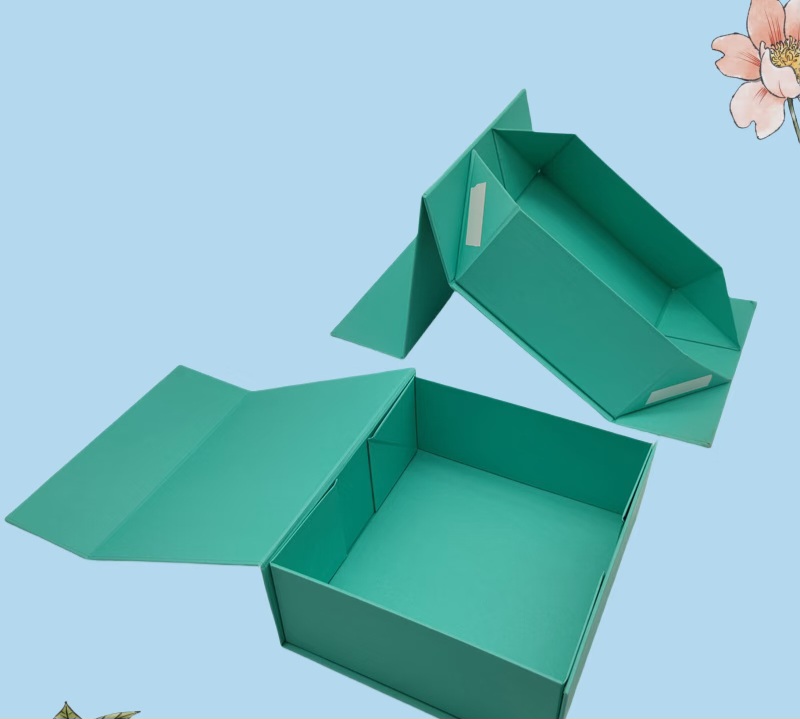
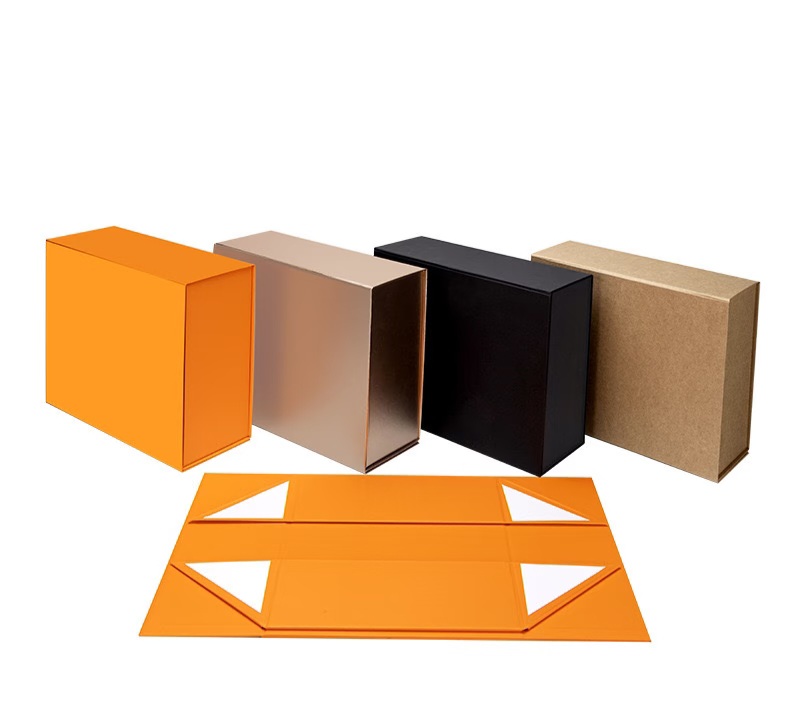

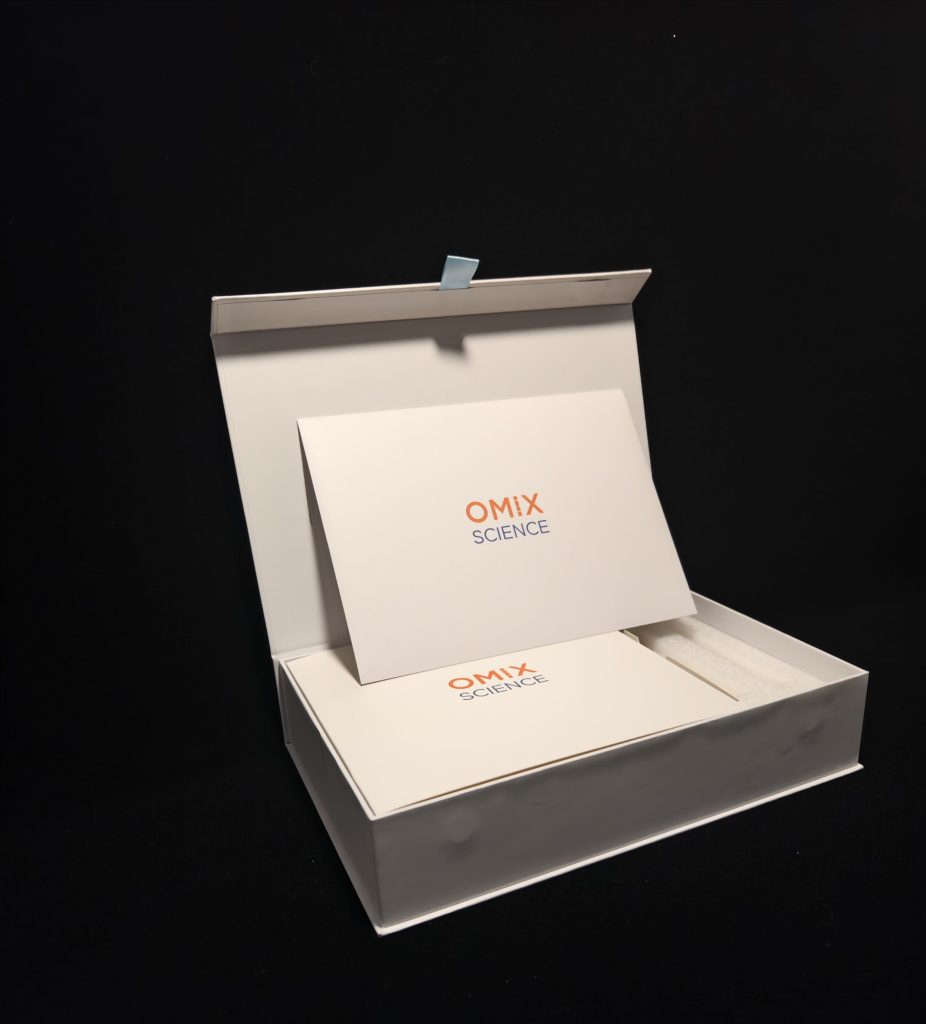
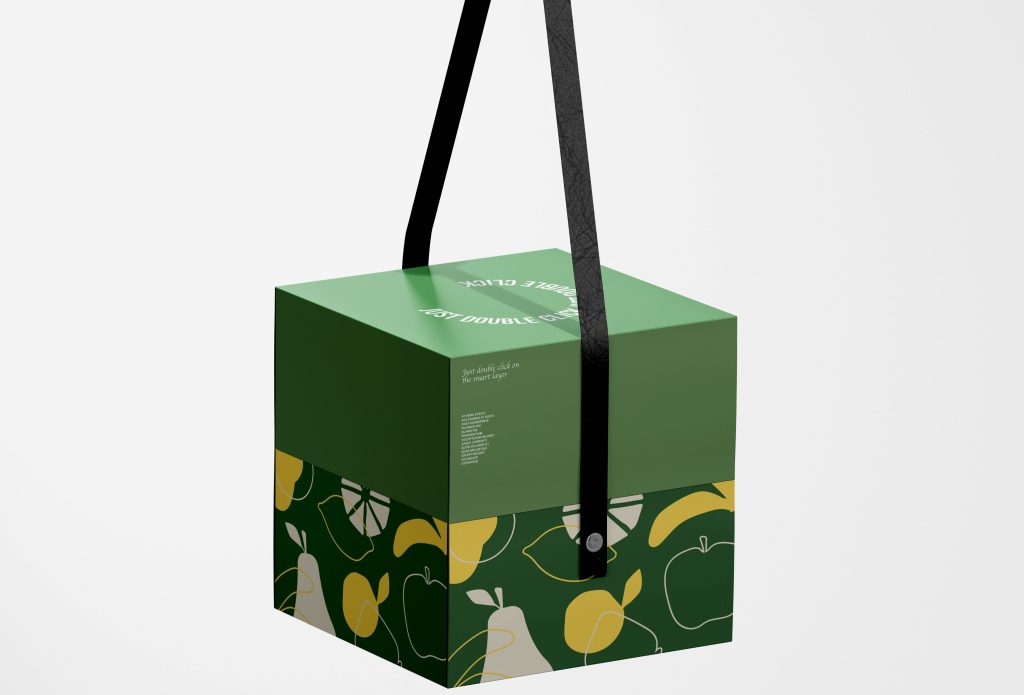
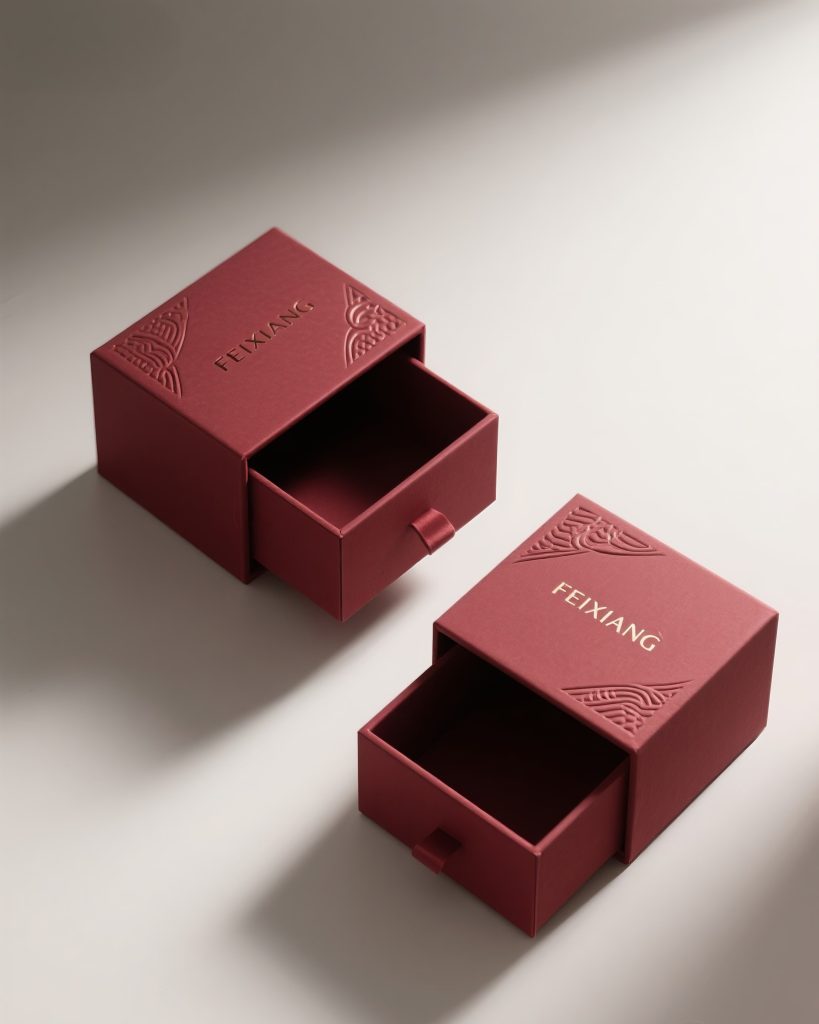
[Custom gift box factories transform brand visions into tangible experiences. This guide explores how they merge design creativity, precision production, and reliable delivery to craft packaging that tells your story.]
Why Custom Gift Boxes Are Non-Negotiable for Modern Brands
In an era where unboxing feels like part of the product, generic packaging fails to resonate. Custom gift boxes do more than protect—they amplify brand identity, create emotional connections, and drive customer loyalty. A 2023 Packaging Insights report found that 72% of consumers are willing to pay 15–20% more for products with premium, personalized packaging. For brands, this means turning a simple box into a marketing tool.
This is where custom gift box factories shine. Unlike off-the-shelf suppliers, they act as partners, guiding you from initial concept to final delivery. Let’s dive into their end-to-end process and how to leverage it for your brand.
The End-to-End Process: From Design to Delivery
1. Design Phase: Turning Vision into Blueprint
A great custom box starts with a great design. Factories employ cross-functional teams (designers, engineers, brand strategists) to ensure your packaging aligns with your goals.
Step 1: Needs Assessment
Factories begin by understanding your brand DNA: target audience, product type (e.g., jewelry, cosmetics, food), and key messaging. Questions they ask:
-
What emotions should the box evoke? (Luxury, playfulness, sustainability?)
-
Do you need functional features? (Magnetic closures, inserts, handles?)
-
What are your branding elements? (Logo, color palette, typography.)
Example: A skincare brand wanted a “spa-like” unboxing experience. The factory suggested soft-touch paper, debossed lotus motifs, and a magnetic lid to mimic a luxury case.
Step 2: Conceptual Design & 3D Modeling
Using tools like Adobe Illustrator and 3D software (e.g., Blender), designers draft 2D mockups and interactive 3D models. This lets you visualize the box from all angles—critical for complex structures (e.g., nested boxes, foldable designs).
Step 3: Prototype Development
Once approved, factories create physical prototypes using digital cutting machines (e.g., Zund) and hand-finishing. You can test:
-
Durability (drop tests, weight capacity).
-
Aesthetic appeal (color accuracy, texture).
-
User-friendliness (ease of opening, reusability).
Pro Tip: Request 2–3 prototype iterations to refine details before mass production.
2. Production Phase: Precision in Every Detail
With a finalized design, factories shift to production, balancing artistry with industrial efficiency.
Material Selection: Beyond “One-Size-Fits-All”
Factories offer a spectrum of materials tailored to your needs:
-
Paperboard: Rigid (2–3mm) for luxury boxes; folding (0.5–1mm) for cost-effective options.
-
Eco-Friendly: Recycled kraft, bamboo fiber, or mushroom-based mycelium (biodegradable in 30 days).
-
Luxury Finishes: Velvet linings, satin ribbons, or faux leather for high-end products.
-
Specialty: Waterproof coatings (for food/gift sets) or anti-tarnish layers (for jewelry).
Case Study: A vegan chocolate brand chose plant-based inks and compostable paper, reducing their carbon footprint by 40% while maintaining a premium look.
Advanced Printing & Finishing Techniques
To make your design pop, factories use:
-
Digital Printing: Ideal for small batches (1–500 units) with full-color accuracy.
-
Offset Printing: Cost-effective for large volumes (1,000+ units) with sharp details.
-
Special Effects: Foil stamping (gold/silver), embossing/debossing (tactile textures), spot UV (glossy accents), and window patching (to showcase products).
Quality Control: Zero Tolerance for Flaws
Factories implement multi-stage checks:
-
Pre-Production: Verifying material specs (thickness, color codes).
-
In-Process: Inspecting print alignment, glue strength, and structural integrity.
-
Post-Production: Random sampling (5–10% of orders) for drop tests and visual audits.
Certification Matters: Look for FSC (sustainable materials), ISO 9001 (quality management), and BSCI (ethical labor practices) to ensure compliance.
3. Delivery Phase: Seamless Logistics & Support
A great box is useless if it arrives late or damaged. Factories optimize delivery through:
Order Management Systems
Cloud-based platforms let you track progress in real time—from raw material procurement to shipping. You’ll receive updates on:
-
Sample approval status.
-
Production milestones (e.g., “printing complete”).
-
Estimated delivery dates.
Flexible Logistics Solutions
-
Sea Freight: Cheapest for large orders (1,000+ units), 4–6 weeks transit.
-
Air Freight: Faster (5–10 days) but 3x pricier; ideal for urgent campaigns.
-
Nearshoring: Partnering with regional factories (e.g., US-based for North American brands) cuts transit to 1–2 weeks.
Post-Delivery Support
Reputable factories offer:
-
Damage Claims: Free replacements for transit-related issues.
-
Iterative Improvements: Feedback loops to refine future orders (e.g., adjusting box dimensions for easier stacking).
How to Choose the Right Custom Gift Box Factory
Not all factories are equal. Here’s what to prioritize:
1. Experience in Your Niche
A factory that makes food boxes may lack expertise in jewelry packaging (which requires anti-tarnish linings). Ask for case studies in your industry.
2. Technology & Capacity
Check if they have:
-
Digital/offset printers for your volume needs.
-
In-house design teams (vs. outsourcing).
-
Minimum order quantities (MOQs) that fit your budget (startups may need 100–500 units; large brands 5,000+).
3. Transparency & Communication
Red flags: Vague pricing, no sample policy, or unresponsive account managers. Opt for factories with dedicated project leads who speak your language.
4. Sustainability Commitment
If eco-friendliness is key, ask for:
-
FSC/recycled material certifications.
-
Carbon-neutral shipping options.
-
Waste reduction strategies (e.g., using scrap paper for inserts).
Success Stories: Brands That Elevated with Custom Packaging
-
GlowUp Cosmetics (USA): Partnered with a California factory to create gradient-painted boxes with magnetic mirrors. Sales rose 35% in Q1, with 80% of customers mentioning “unboxing joy” in reviews.
-
Heritage Tea Co. (UK): Used a British factory to design tins with vintage botanical illustrations. The boxes became collectibles, driving repeat purchases.
-
TechGadgets Inc. (Germany): Switched to a local factory for minimalist, recyclable boxes. They cut shipping costs by 25% and won a 2023 German Packaging Award.
Conclusion: Your Box, Your Story
Custom gift box factories are more than manufacturers—they’re co-creators of your brand’s first impression. By investing in their design, production, and delivery expertise, you turn packaging from an afterthought into a profit driver.
Ready to start? Define your vision, vet factories with the checklist above, and watch your brand stand out in a crowded market.
⭐ User Reviews (with Flags & Usernames)
-
⭐⭐⭐⭐⭐ Lena Müller 🇩🇪 (@lena_mueller_design)“Worked with a German factory for our organic skincare line. They nailed the matte finish and embossed leaf pattern—clients say it feels like unwrapping a forest. Lead time: 4 weeks, perfect for our launch!”
-
⭐⭐⭐⭐⭐ Carlos Rivera 🇲🇽 (@carlos_rivera_mx)“Mexican brand here! The factory in Guadalajara designed festive Día de los Muertos boxes with papel picado details. Bulk order of 2,000 arrived early, and the price was 20% lower than US suppliers.”
-
⭐⭐⭐⭐⭐ Priya Sharma 🇮🇳 (@priya_sharma_eco)“Indian startup focused on sustainability. The Pune-based factory used recycled cotton paper and water-based inks. Our zero-waste gift sets got featured in Vogue India—all thanks to their expertise!”
-
⭐⭐⭐⭐⭐ Emily Carter 🇬🇧 (@emily_carter_uk)“UK-based event planner. Partnered with a London factory for corporate Christmas boxes—magnetic lids, velvet linings, and custom tags. Clients loved the ‘wow factor,’ and the team even adjusted sizes last minute!”
-
⭐⭐⭐⭐⭐ Yuki Tanaka 🇯🇵 (@yuki_tanaka_jp)“Japanese minimalism meets precision! The Osaka factory created matcha gift boxes with washi paper and gold foil. The fit for our ceramic bowls was so snug, not a single break in 500 units. Impeccable quality.”
-
⭐⭐⭐⭐⭐ Ahmed Hassan 🇪🇬 (@ahmed_hassan_eg)“Egyptian brand launching artisanal honey. The Cairo factory designed hexagonal boxes with Arabic calligraphy. They even added a small window to show the golden honey—sales doubled in Ramadan!”
-
⭐⭐⭐⭐⭐ Sophie Dubois 🇫🇷 (@sophie_dubois_paris)“French luxury brand here. The Lyon factory crafted silk-lined boxes with hand-stitched logos. The attention to detail (even the thread color matched our brand!) made them worth every euro. Repeat customer for life.”
-
⭐⭐⭐⭐⭐ Rajiv Kapoor 🇮🇳 (@rajiv_kapoor_in)“Mumbai-based factory helped us design Diwali gift boxes with ethnic patterns. They offered free design revisions and shipped to Dubai in 5 days. Our NRI clients went crazy for the ‘desi touch’!”
-
⭐⭐⭐⭐⭐ Isabella Rossi 🇮🇹 (@isabella_rossi_italy)“Italian leather goods brand. The Florence factory made rigid boxes with suede interiors. The magnetic closure is so satisfying, and the logo debossing looks like it was hand-tooled. 10/10 for craftsmanship.”
-
⭐⭐⭐⭐⭐ David Lee 🇺🇸 (@david_lee_usa)“Texas-based factory for our BBQ sauce gift sets. They used kraft paper with red gingham prints—so ‘American picnic’! The MOQ of 250 units let us test the market, and now we’re ordering 5,000 for summer.”


No reply content