
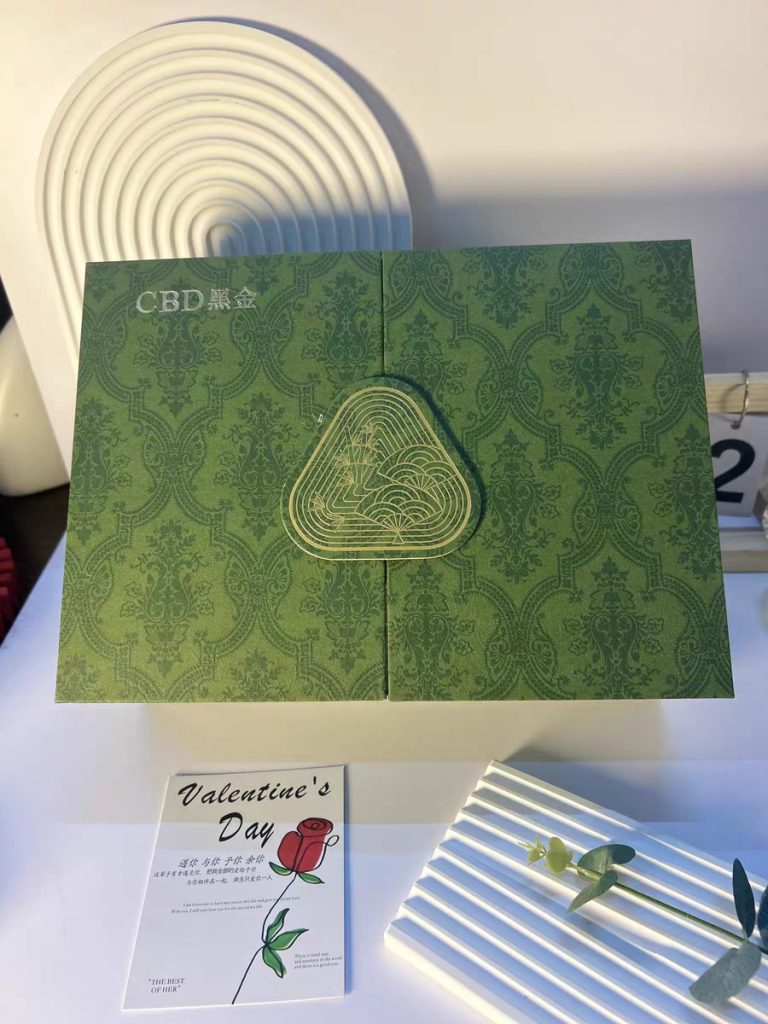
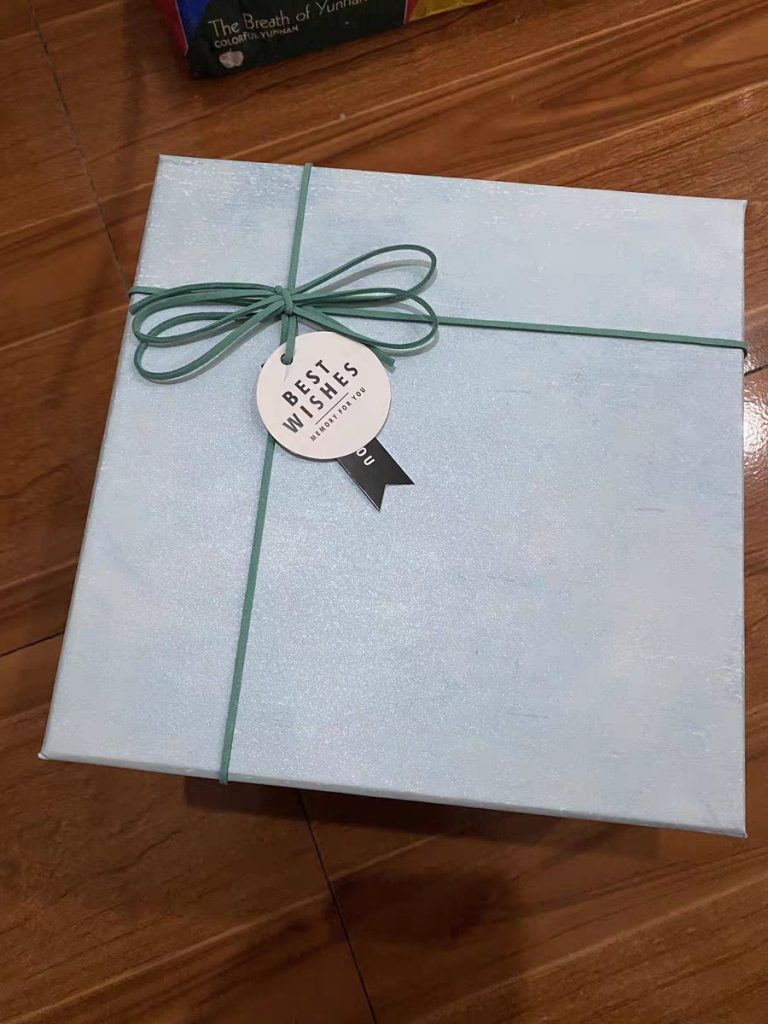

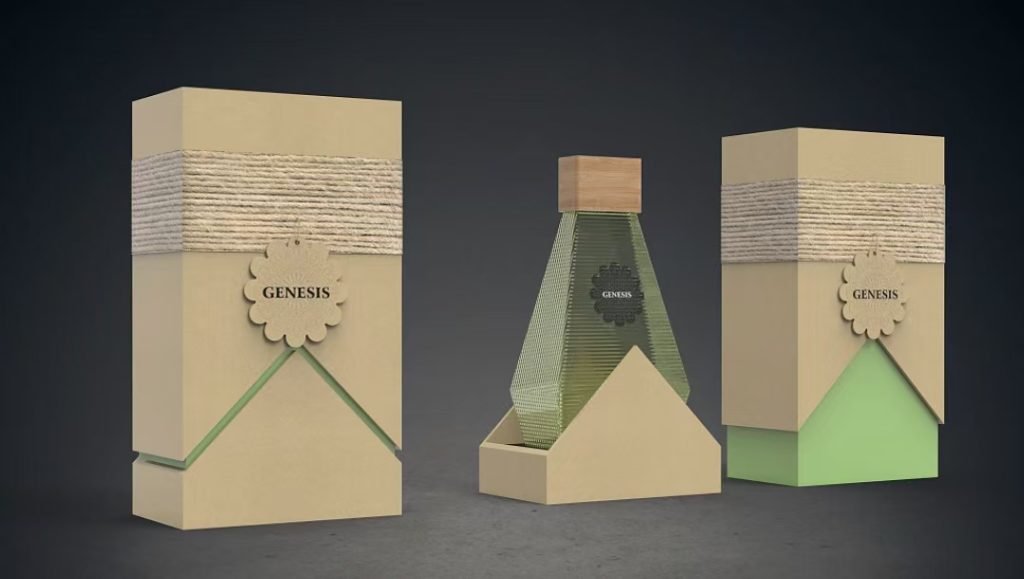
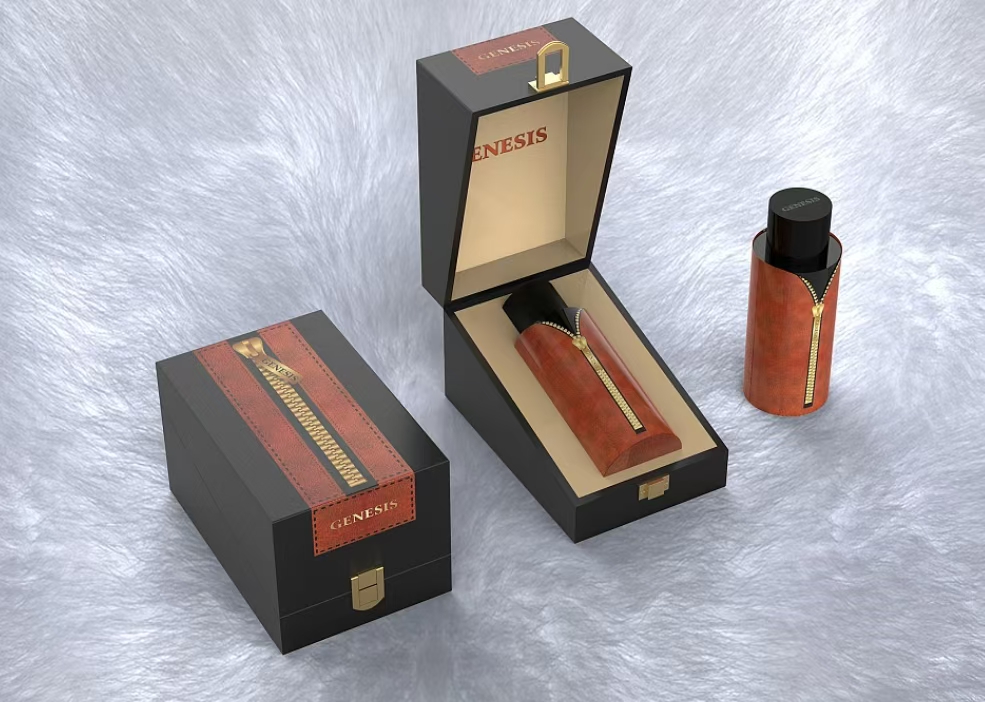
In the competitive global market, high-quality, custom gift boxes are essential for businesses seeking to enhance their brand image and attract international buyers. A well-designed gift box not only protects the product but also creates a memorable unboxing experience, reinforces brand identity, and increases perceived value. This guide explores the complete process of custom gift box manufacturing—from concept development to export delivery—providing actionable insights for businesses looking to source packaging from China.
1. Understanding the Importance of Custom Gift Boxes
Custom gift boxes serve multiple purposes in the international market:
- Brand differentiation: Unique designs help products stand out on retail shelves and e-commerce platforms.
- Enhanced product perception: Premium packaging increases perceived value.
- Unboxing experience: Thoughtful design creates memorable interactions with the customer.
- Compliance: Custom packaging ensures products meet international standards for protection, labeling, and sustainability.
Investing in custom packaging is an investment in brand identity, customer experience, and export success.
2. Initial Concept and Design
The first step in manufacturing custom gift boxes is concept development:
- Client consultation: Understand the brand, target market, and product specifications.
- Design brainstorming: Collaborate with designers to create box structures, color schemes, and visual elements.
- Material selection: Choose appropriate materials based on aesthetics, durability, and sustainability.
- Preliminary sketches: Create digital mockups for initial client approval.
A strong concept ensures the final product aligns with brand identity and market expectations.
3. Prototyping and Sample Production
Before mass production, it’s essential to develop prototypes and samples:
- Physical prototypes: Test dimensions, structure, and functionality.
- Printing and finishing samples: Evaluate color accuracy, texture, and logo placement.
- Client feedback: Revise designs to meet expectations for both aesthetics and performance.
- Final approval: Confirm that the prototype meets all requirements before starting mass production.
Prototyping minimizes errors and ensures consistent quality for large-scale orders.
4. Material Sourcing
High-quality materials are critical to the success of custom gift boxes:
- Cardboard and paperboard: Provide strength and stability for various box types.
- Specialty papers: Soft-touch, metallic, or textured finishes for luxury feel.
- Eco-friendly options: Recycled, biodegradable, or FSC-certified materials.
- Inserts and dividers: EVA foam, molded pulp, or paperboard to protect products.
Selecting reliable suppliers ensures consistent material quality and compliance with export standards.
5. Printing and Finishing Techniques
The visual appeal of custom gift boxes depends on advanced printing and finishing methods:
- Offset or digital printing: Ensures precise graphics and vibrant colors.
- Embossing and debossing: Adds depth and tactile sophistication.
- Foil stamping: Metallic logos or decorative patterns for premium appeal.
- Spot UV and soft-touch coatings: Enhances texture and visual contrast.
These techniques help create a packaging solution that aligns with brand positioning and market expectations.
6. Cutting, Folding, and Assembly
After printing, the boxes undergo cutting, folding, and assembly:
- Die-cutting: Produces accurate shapes, windows, or intricate designs.
- Folding and gluing: Ensures structural integrity and uniformity across large batches.
- Insert installation: Proper placement of protective or decorative inserts for delicate items.
- Quality check: Inspect every stage for defects or inconsistencies.
Precision in assembly guarantees durability and enhances the overall customer experience.
7. Quality Control and Inspection
Quality assurance is crucial for maintaining consistency and meeting international standards:
- Incoming material inspection: Check raw materials for defects or inconsistencies.
- In-process checks: Monitor printing alignment, color accuracy, and assembly quality.
- Final inspection: Evaluate appearance, functionality, and durability of finished boxes.
- Random sampling: Ensures consistent quality across large production runs.
Strong quality control minimizes returns, complaints, and reputational risk in export markets.
8. Packaging for Export
Export delivery requires careful packing and preparation:
- Protective outer packaging: Corrugated cartons or shrink-wrap for secure shipping.
- Labeling and documentation: Accurate invoices, packing lists, and certificates of origin.
- Shipping method selection: Sea freight for bulk orders, air freight for urgent shipments.
- Compliance: Adhere to customs regulations and international material standards.
Proper export preparation ensures that products arrive safely and on time in global markets.
9. Working with the Right Factory
Partnering with a professional and experienced factory is essential for successful custom gift box production:
- Design expertise: Ability to translate concepts into feasible manufacturing solutions.
- Customization capabilities: Support for unique shapes, materials, and finishes.
- Production capacity: Efficiently handle both small and large orders.
- Export experience: Knowledge of logistics, documentation, and regulatory compliance.
- Quality assurance: Maintain consistent standards across all production stages.
Choosing the right manufacturing partner ensures a smooth process from concept to export delivery.
10. Cost Considerations
Understanding cost factors helps plan budgets for custom gift boxes:
- Material quality and type: Premium materials increase costs but enhance perceived value.
- Complexity of design: Custom shapes, inserts, and finishes affect production cost.
- Order volume: Larger orders often reduce unit costs due to economies of scale.
- Shipping and customs fees: Factor in freight, duties, and tariffs for international delivery.
Transparent communication with the factory helps avoid hidden costs and ensures predictable pricing.
11. Sustainability in Custom Packaging
Sustainable packaging is a growing priority for global buyers:
- Recycled or FSC-certified materials
- Biodegradable coatings and inks
- Reusable boxes and inserts
- Minimalist designs to reduce waste
Eco-conscious packaging enhances brand reputation, appeals to environmentally aware consumers, and meets export regulations in certain markets.
12. Conclusion
Custom gift box manufacturing involves a comprehensive process from concept design to export delivery. By understanding your packaging requirements, selecting high-quality materials, employing advanced printing and finishing techniques, ensuring rigorous quality control, and partnering with a reliable factory, businesses can deliver packaging that protects products, enhances brand value, and impresses international clients.
Investing in custom gift boxes is not just about aesthetics—it is a strategic decision that strengthens brand identity, increases customer satisfaction, and drives success in global export markets. With careful planning and the right manufacturing partner, your products can achieve premium presentation and a competitive edge worldwide.


No reply content